
Last updated October 15, 2026
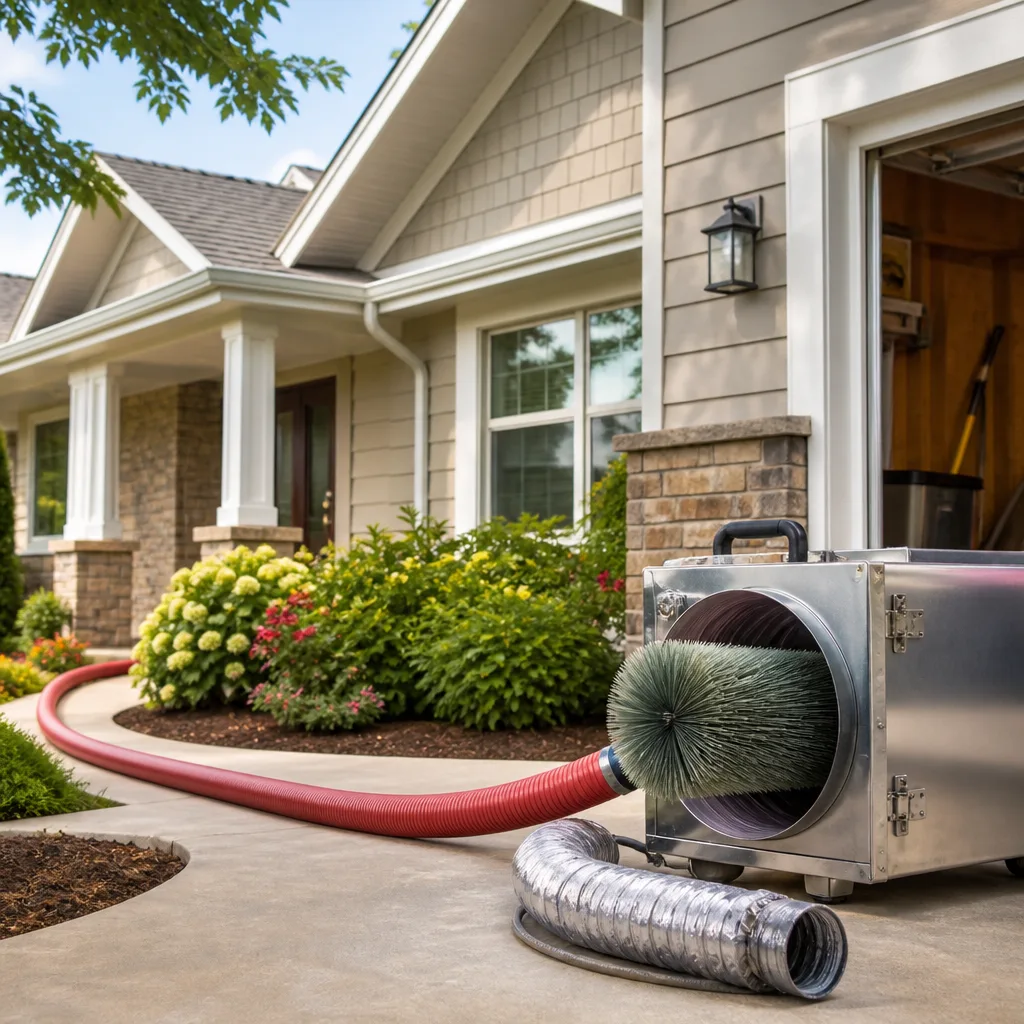 Whole-home duct cleaning
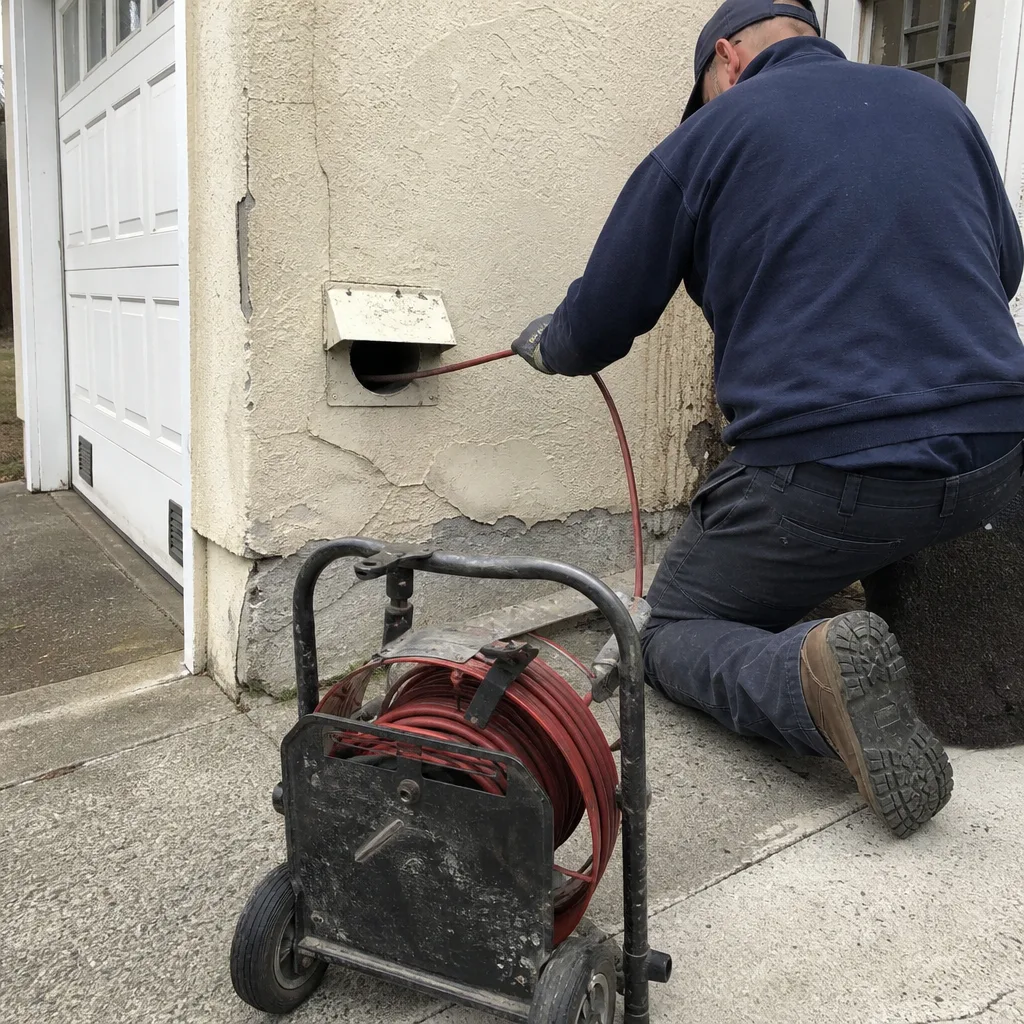
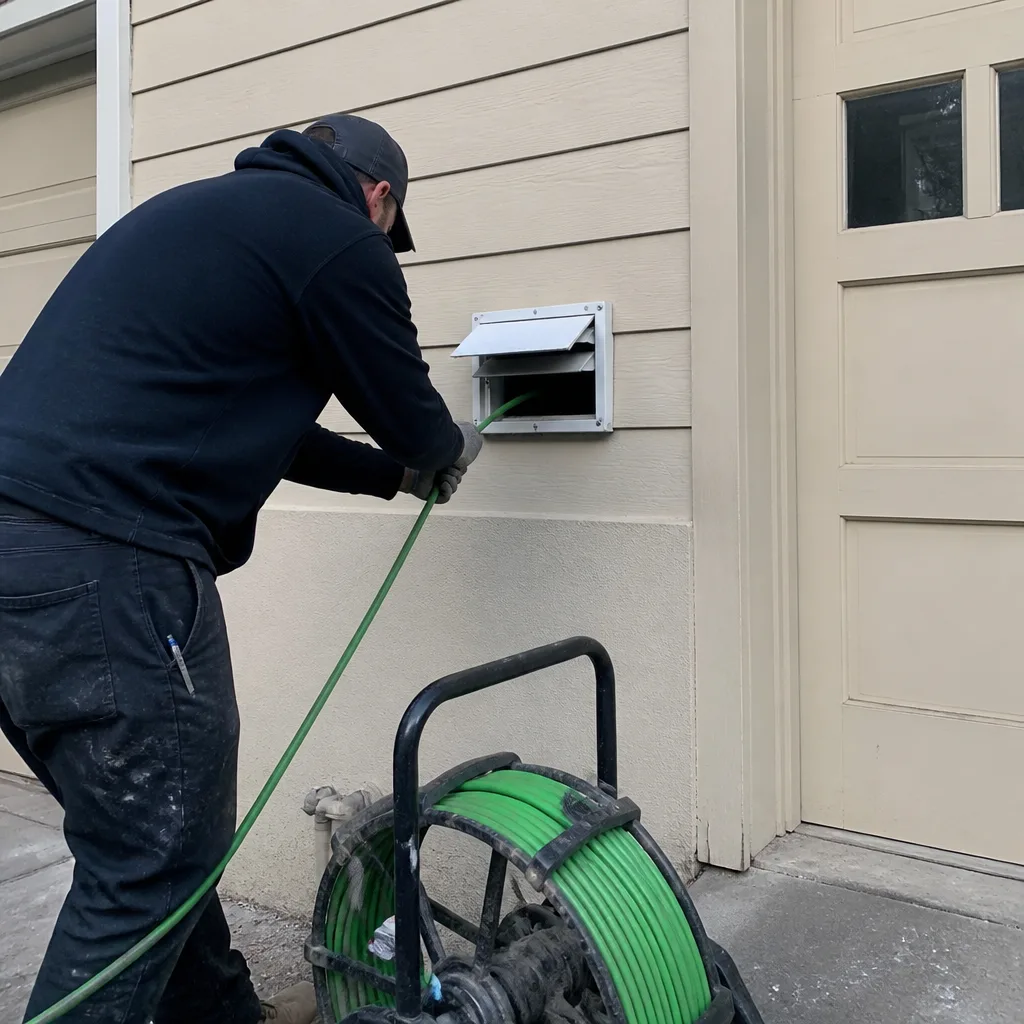
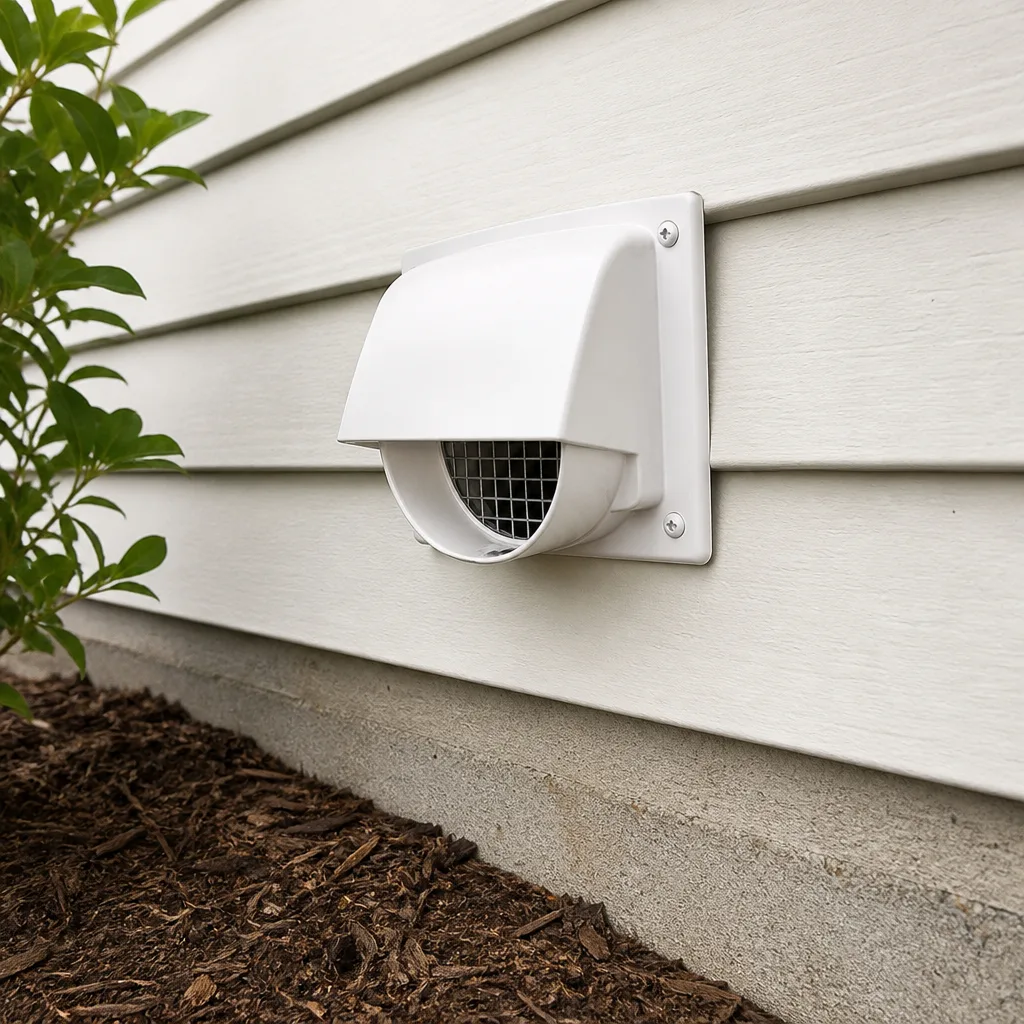 Dryer vent cleaning
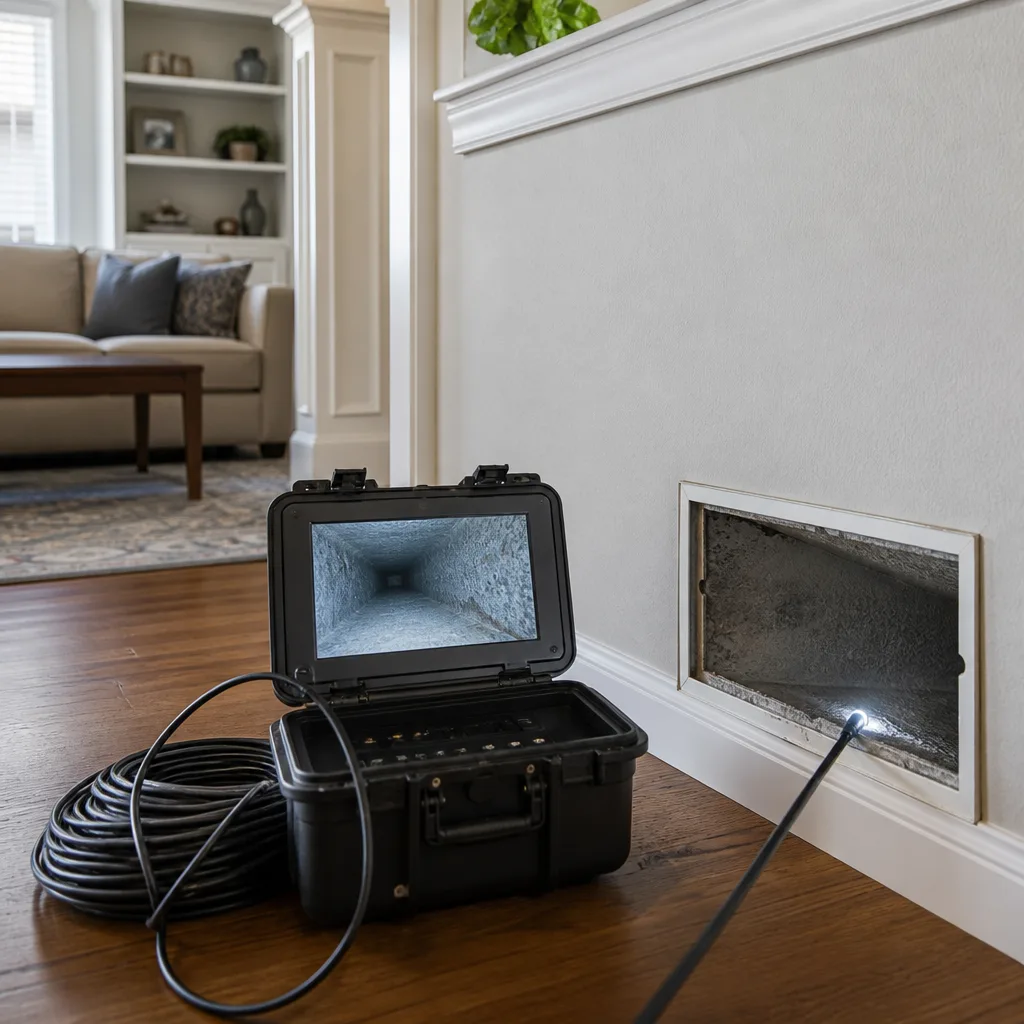 Camera inspection
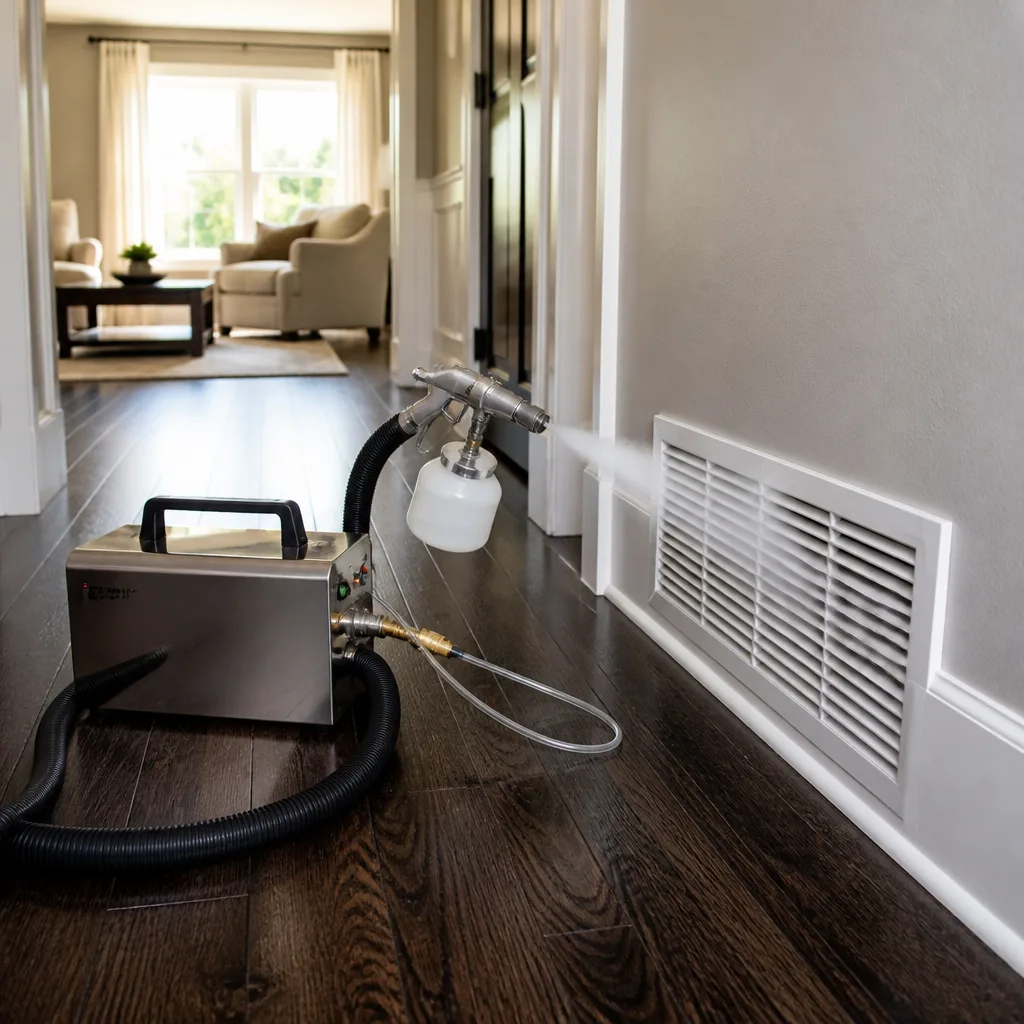 Sanitizing & deodorizing
Whole-system duct and dryer vent check with before-and-after photos - you see exactly what came out of your vents
That "$99 whole-house special" is a bait ad - the real number appears once they are in your hallway, or the "clean" is a shop-vac at the register. We photograph the inside of your ducts before and after instead.
The Complete Guide to Air Duct Cleaning in San Francisco
Over 55% of San Francisco’s housing stock was built before 1960. That means the ductwork behind your walls might predate modern HVAC standards entirely. Yet most Air Duct Cleaning guides read like they were written for a 2005 suburban ranch house in Tracy. This guide is different. We’re going to walk you through how duct cleaning actually works in San Francisco: how Victorian floor registers differ from Edwardian gravity systems, what the Richmond District fog does to duct interiors, and what a thorough cleaning should actually include before you pay for it.
Styles & brands we work with
Quick Answer
Air duct cleaning in San Francisco typically costs between $450 and $900 for a whole-home system, with pre-1960 homes often running higher because their duct runs are harder to access. A legitimate cleaning uses negative-pressure extraction to pull debris out of the ducts rather than just brushing it around, and should include a pre-inspection, the cleaning itself, and post-cleaning verification. Most homes with original or 40-plus-year-old ductwork benefit most from cleaning every 3 to 5 years.
Table of Contents
- Why San Francisco’s Housing Creates Unique Duct Problems
- How Air Duct Cleaning Actually Works: The Two Real Methods
- What San Francisco’s Coastal Fog and Micro-Climate Humidity Do to Ducts
- What a Legitimate Pre-Cleaning Inspection Should Document
- What “Done” Actually Looks Like: Post-Cleaning Verification
- How Much Air Duct Cleaning Costs in San Francisco
- How Often Does Duct Cleaning Really Need to Be Done?
- Common Mistakes to Avoid
- When to Call a Professional
- Frequently Asked Questions
- The Bottom Line
Why San Francisco’s Housing Creates Unique Duct Problems
San Francisco doesn’t have one housing stock. It has at least three, and each one deals with ductwork differently. A guide that doesn’t acknowledge this is going to give you bad advice.
Victorians and Edwardians: Floor Registers and Gravity Systems
If you live in a Victorian flat in Noe Valley or an Edwardian apartment in the Inner Sunset, your heating system was probably designed before forced-air was the standard. Many of these homes started with gravity furnaces: a big furnace in the basement that pushed warm air up through large ducts and floor registers. No fan. Just physics. Those ducts are massive by modern standards, often 12 to 16 inches wide, and they run vertically through the walls and floors. When a later owner added a forced-air furnace, they often reused those original ducts. We’ve seen original 1920s sheet metal in homes that now have 2015 furnaces attached to them. The problem: those old ducts were never designed for a fan-driven system. They leak at every seam, they collect dust in ways that modern sealed ducts don’t, and they often have decades of accumulated debris, from construction dust to mouse droppings to paper wasps’ nests.
Postwar Stucco Homes: Horizontal Attic Runs
The Sunset, the Richmond, the Excelsior, Visitacion Valley: these neighborhoods are full of 1940s through 1960s stucco boxes with horizontal duct runs in the attic or crawlspace. These homes were built during San Francisco’s postwar building boom, and the ductwork reflects the era’s materials: fiberglass-lined ducts, flex duct, or thin-gauge sheet metal. Attic runs in San Francisco face a specific problem: the marine layer. Ducts in unconditioned attics get cold at night, warm up when the fog burns off, and the temperature swings create condensation inside the ducts. That moisture traps dust that would otherwise blow through. In a Sacramento attic, dust might stay dry and loose. In a Sunset attic, it turns into a damp paste that sticks to duct walls. That’s a San Francisco problem specifically, and it’s why cleaning intervals here are different from inland Bay Area homes.
If you’re unsure what kind of system your home has, start with the Linden Air Duct San Francisco home page for a quick orientation on how we assess duct systems across the city’s housing types.
How Air Duct Cleaning Actually Works: The Two Real Methods
There are two legitimate approaches to duct cleaning, and they’re not interchangeable. One is appropriate for most San Francisco homes. The other is a signal that you should be asking harder questions.
Source-Removal Cleaning (Negative-Pressure Extraction)
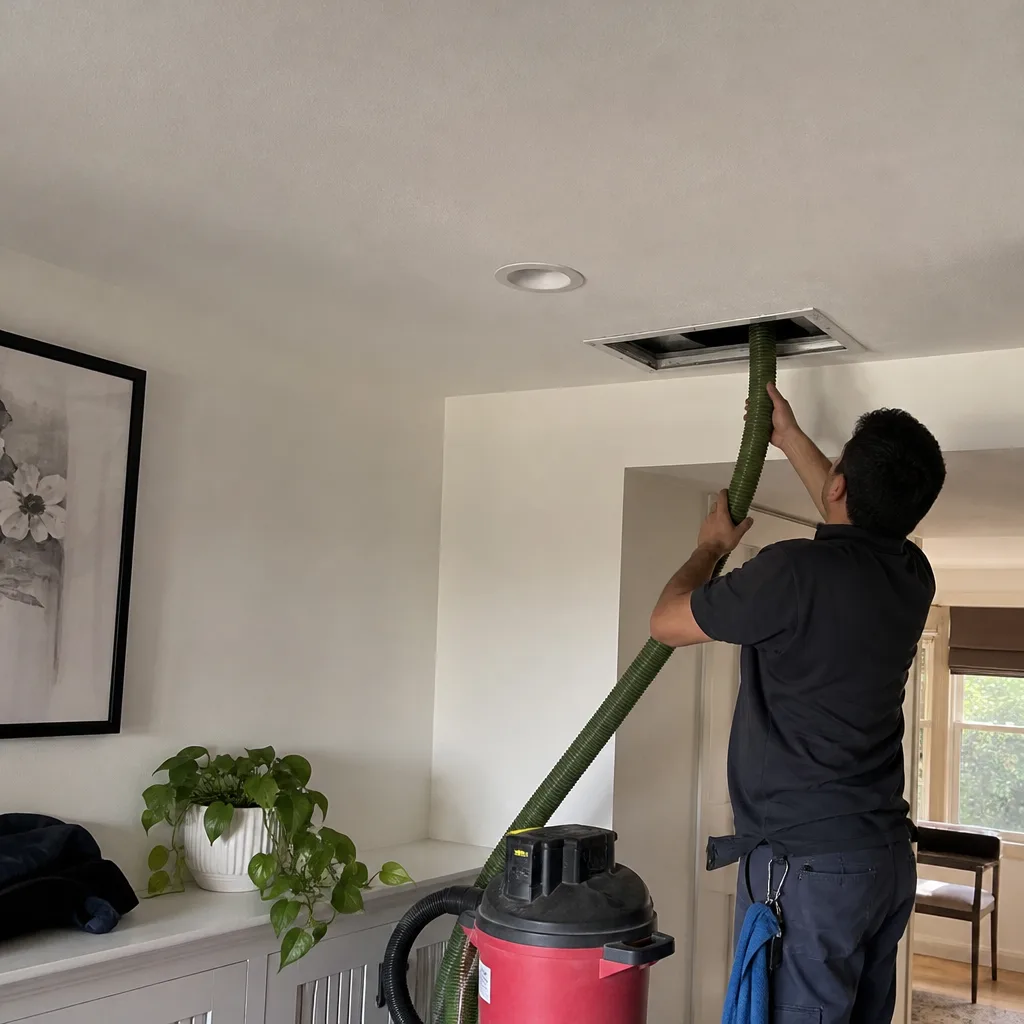
This is the method you want. It works like this:
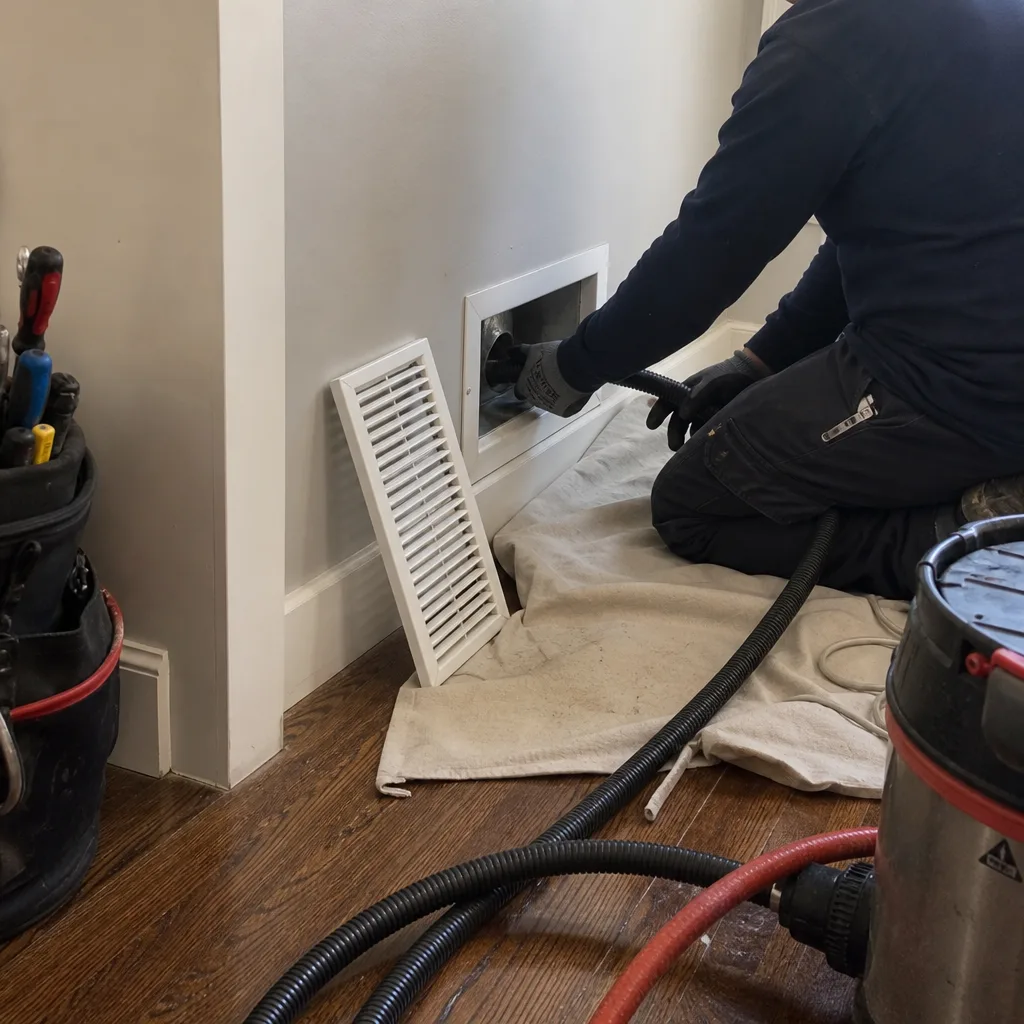
- The system is pressurized under negative pressure. A powerful vacuum unit is connected to the duct system, usually at the furnace or air handler, creating suction throughout the entire duct network.
- Agitation tools loosen debris. Compressed air whips, rotary brushes, or skipper balls are inserted through each register to dislodge dust, debris, and anything else stuck to duct walls.
- The vacuum extracts the debris. Because the system is under negative pressure, loosened material is pulled toward the vacuum and out of the duct, not pushed into your living space.
- Each register is cleaned individually. A thorough tech will clean every supply and return register, not just the main trunk line.
Source removal is the standard recommended by NADCA (the National Air Duct Cleaners Association) and it’s the method we use for Air Duct Cleaning in San Francisco. It’s the only method that actually removes debris from the system rather than just disturbing it.
Contact Vacuum Cleaning
Contact vacuum cleaning is what it sounds like: a technician inserts a vacuum hose into each duct run and vacuums what the hose can reach. No negative pressure on the whole system. No agitation tools. It’s cheaper and faster, and it leaves behind whatever the vacuum head can’t touch. For a Victorian with long vertical drops or a postwar home with 30 feet of horizontal attic run, contact vacuum cleaning cleans maybe the first few feet of each duct. It’s a partial job sold as a full one. If a company quotes you a price that’s suspiciously low, ask which method they use. If the answer is contact vacuum, that’s why the price is low.
What San Francisco’s Coastal Fog and Micro-Climate Humidity Do to Ducts
San Francisco’s climate does something to ducts that inland California homes rarely deal with. The city has at least a dozen micro-climates, and they affect duct health differently. A home in the Outer Sunset sits in fog 200-plus days a year. A home in the Mission gets significantly more sun and warmth. But both deal with humidity levels that would surprise most homeowners.
The Fog Belt Problem: Condensation Inside Ducts
Here’s what happens in a typical Outer Richmond or Outer Sunset home. At night, the attic cools down to 45 or 50 degrees. Ducts sitting in that attic cool with it. In the morning, when the furnace kicks on, warm air moves through those cold ducts. Condensation forms on the interior surfaces. That moisture mixes with dust and creates a paste that adheres to duct walls. Over years, that paste hardens, layers form, and your ducts develop a coating that reduces airflow and provides a surface for mold spores to attach to, if they’re present. Even if mold never develops, the reduced airflow means your furnace works harder to push air through constricted ducts, which shows up on your PG&E bill.
Why This Matters for Cleaning Frequency
In Walnut Creek or Concord, a home might genuinely go 5 to 7 years between cleanings and be fine. In the fog belt neighborhoods of San Francisco, the same interval can allow significant buildup. We recommend that homes west of Twin Peaks get their ducts inspected every 2 to 3 years, even if cleaning isn’t always needed at each inspection. East of Twin Peaks, 3 to 5 years is usually sufficient. This is not a sales pitch. It’s a function of dew point and duct temperature.
What a Legitimate Pre-Cleaning Inspection Should Document
Before any equipment gets turned on, a competent technician should do a full inspection of your duct system and document what they find. You should be able to see that documentation. If a company shows up and starts pulling hoses out of the van without ever looking inside your ducts, that’s a red flag.
Here’s what a legitimate pre-cleaning inspection covers:
- Visual inspection of each register and return. The tech should remove each register cover and shine a light into the duct. They should be looking for visible debris, rust, pest activity, and damage.
- Camera inspection of the main trunk line. A borescope or inspection camera lets the tech see what’s inside the main duct runs. This is the only way to know what’s actually in there before cleaning begins.
- Checking for leaks, gaps, and disconnected sections. Duct leakage is a major issue in older San Francisco homes. Any inspection should note separated joints or holes.
- Confirming access points. Attic hatches, crawlspace entries, and furnace room clearances should all be verified before the job starts.
- Documenting the furnace filter condition and location. A clogged filter changes the pressure profile of the whole system. It should be checked and noted.
- Checking for signs of moisture or previous water damage. Stains beneath registers, rust on sheet metal, or musty smells coming from ducts should be flagged before cleaning begins.
At Linden, we run a pre-cleaning inspection on every single job and we’ll walk you through what we find before we quote a final price. If we discover that your ducts are so damaged that cleaning alone won’t solve the problem, we’ll tell you that too. Some duct systems need Air Duct Repair in San Francisco before cleaning can do any good, and there’s no point in charging you for a cleaning that’ll be ineffective next month.
What “Done” Actually Looks Like: Post-Cleaning Verification
This is where many duct cleaning companies fall short. They clean, they pack up, they hand you an invoice. But “done” should mean something very specific.
What a Thorough Contractor Should Complete Before Leaving
- Post-cleaning photo documentation. The same camera that inspected the ducts before cleaning should go back in after. You should see before-and-after photos of the inside of your own ducts. If a company can’t show you the “after,” you have no way of knowing what the “before” looked like or whether anything changed.
- Visual confirmation at each register. The tech should remove each register cover and verify that debris was actually removed from that specific run, not just from the trunk line.
- Airflow check. A simple airflow reading at each supply register confirms that air is moving through the system properly after cleaning. If a register is still showing weak airflow, something wasn’t cleaned properly or there’s an obstruction that cleaning couldn’t resolve.
- System re-check for leaks or damage. Cleaning tools can stress weak seams in old ductwork. A good tech will check that no new leaks were created during the cleaning process.
- Final walkthrough. The technician should walk you through the documentation, answer any questions, and confirm that every register was covered and reassembled properly.
If these steps sound like a lot, they are. But they’re what separates a complete job from a partial one. When we finish a cleaning in San Francisco, our technicians stay until you’ve seen the verification and are satisfied. The 365-Day Done Right Promise means that if something isn’t right, we come back and make it right. That promise is in writing on every job, and we stand behind it.
How Much Air Duct Cleaning Costs in San Francisco
Let’s talk about what you should actually expect to pay in San Francisco specifically, because pricing guides that quote national averages are not helpful here. San Francisco has higher labor costs, older housing stock, and more difficult access conditions than most of the country.
Here are typical whole-home price ranges for duct cleaning in San Francisco, based on the housing type:
- Condo or small apartment (600 – 1,000 sq ft, 6 – 10 registers): $400 – $600
- Single-family home, postwar construction (1,200 – 1,800 sq ft, 10 – 14 registers): $500 – $750
- Victorian or Edwardian flat (1,500 – 2,500 sq ft, 12 – 18 registers, vertical runs): $600 – $900
- Large home or multi-unit building (2,500+ sq ft, 18+ registers, multiple systems): $900 – $1,400+
Several factors push a San Francisco job toward the higher end of these ranges: limited street parking that extends setup time, narrow stairwells and tight attic access, original ductwork with multiple turns and drops, and systems that haven’t been cleaned in more than 5 years. A company quoting $199 or $249 for a whole home in San Francisco is either doing contact vacuum cleaning only, or they’re planning to upsell you aggressively once they’re in the door. We don’t do either.
One other thing: be wary of per-vent pricing. Some companies quote a low per-vent fee, then count a surprisingly large number of vents once they’re on site. We quote one flat price per system, agreed before work starts. The price we put in writing is the price you pay. No surprises at the end.
How Often Does Duct Cleaning Really Need to Be Done?
The honest answer is that it depends on your home, your household, and where in San Francisco you live. But here are useful guidelines.
Every 3 to 5 years is the standard recommendation for most homes. This assumes typical occupancy, regular furnace filter changes, and no unusual dust sources. For homes west of Twin Peaks in the fog belt, the interval is closer to 2 to 3 years because of the condensation issue described earlier.
You should clean sooner if any of these apply:
- You renovated recently. Drywall dust, sawdust, and construction debris get pulled into returns and settle in ducts. After any significant remodel, have the ducts cleaned before you run the furnace for a season.
- You have pets that shed heavily. Pet hair makes its way past filters and into ductwork more than most people realize.
- Anyone in the home has respiratory issues, allergies, or a compromised immune system. Cleaner ducts mean fewer airborne irritants circulating through the home.
- You’ve seen signs of pest activity. Rodents and insects can nest in ducts, and their droppings are not something you want blowing through your home.
- There’s visible mold growth on registers or musty smells coming from vents. This requires cleaning plus addressing the underlying moisture problem, otherwise it will return.
- You’ve never had the ducts cleaned in a home that’s more than 40 years old. In San Francisco, that covers a lot of homes.
Dryer Vent Cleaning Is a Different Schedule
While we’re on the subject of cleaning schedules: dryer vents are a different animal than air ducts. They should be cleaned every 12 to 24 months regardless of where you live, because lint buildup is a fire hazard. You can learn more about the differences at our Dryer Vent Cleaning in San Francisco page, but the short version is that a clogged dryer vent is the leading cause of dryer fires, and the fix is straightforward: clean it on a regular schedule.
Common Mistakes to Avoid
- Hiring on price alone. San Francisco’s cost of doing business is high, and a $99 duct cleaning is almost certainly not a complete cleaning. If the price seems too good to be true, it’s either a partial job or a bait-and-switch. Ask what method they use and what the job includes.
- Skipping the pre-inspection. Any contractor who starts cleaning without first inspecting the system is working blind. They can’t know what’s in your ducts, and you can’t know whether they actually cleaned anything. Insist on seeing the inspection before the equipment runs.
- Not verifying that every register was cleaned. In Victorian homes with floor registers, it’s easy for a tech to skip a register in an upstairs room or a hallway. Count your registers before the job starts and confirm each one was addressed before the tech leaves.
- Assuming a furnace filter replacement is part of the job. It usually isn’t. The filter is your responsibility, and it should be replaced regularly regardless. If a company offers to sell you a filter at three times the hardware store price, decline politely.
- Waiting until you smell something. By the time you notice a musty smell coming from your vents, whatever is causing it has been in the system for a while. Periodic cleaning prevents the buildup that leads to that smell.
- Not addressing duct leaks. Cleaning a leaky duct system is useful but incomplete. Air leaks waste energy and pull in unfiltered air. In San Francisco’s older homes, sealing leaks is often as important as cleaning.
- Going years between dryer vent cleanings. Separate from air ducts, dryer vents need attention every 12 to 24 months. A clogged dryer vent is a fire risk, and it’s a cheap problem to prevent.
When to Call a Professional
Some maintenance work is DIY-friendly. Duct cleaning is not one of those things. The equipment required for source-removal cleaning costs thousands of dollars, and the work requires working in attics, crawlspaces, and around furnaces where mistakes can damage your HVAC system or create safety hazards. If you’ve noticed weak airflow, visible dust accumulating quickly after cleaning, musty odors from vents, or if you’ve never had your ducts cleaned in a home older than 20 years, it’s time to get a professional assessment. Linden Air Duct San Francisco offers free estimates in San Francisco. Call (951) 527-6259 and a live person will answer, any time of day. We’ll ask a few questions about your home, give you an honest price range, and schedule an inspection if you’d like one.
Frequently Asked Questions
Air duct cleaning in San Francisco typically costs $400 to $900 for a whole-home system, with larger Victorians and multi-unit buildings running $900 to $1,400 or more. The price depends on the number of registers, the accessibility of your ductwork, and how long it’s been since the last cleaning. Call (951) 527-6259 for an exact quote based on your home. Estimates are free.
Cheaper duct cleaning quotes usually reflect contact vacuum cleaning rather than source-removal cleaning. Contact vacuum cleaning only cleans the first few feet of each duct run and leaves the rest undisturbed. Some companies also use a low quote as a door-opener and then sell upgrades once they’re in your home. A legitimate whole-home cleaning in San Francisco is not going to cost $99.
Ask for before-and-after photo documentation from a camera inspection of your ducts. A thorough contractor will show you the condition of your ducts before cleaning, and the same ducts after. If a company cannot provide this, you have no way to verify the work. We provide photo documentation on every job we complete in San Francisco.
You can replace furnace filters and vacuum the visible register openings, but you cannot access the interior of your duct runs without professional equipment. Attempting to clean ducts with household tools can damage the ductwork and will not remove debris from the main trunk line. Professional equipment is designed to reach the full length of each duct run safely.
Dryer vents should be cleaned every 12 to 24 months. That’s a different schedule from air ducts because lint buildup is a fire hazard, not just an airflow issue. If your dryer takes more than one cycle to dry clothes, or if the vent hood outside doesn’t open when the dryer runs, it’s overdue.
Newer homes with sealed duct systems and regularly changed filters can go longer between cleanings, usually 4 to 5 years. But even new construction accumulates dust, and any home in San Francisco’s fog belt is susceptible to condensation-related buildup. An inspection will tell you whether cleaning is warranted. If it isn’t, an honest company will say so. Call (951) 527-6259 for a straight answer.
The Bottom Line
Your ducts are part of your home’s mechanical system, and in San Francisco’s older housing stock, they often predate modern HVAC standards entirely. Cleaning them isn’t about a one-time freshen-up. It’s about keeping air moving efficiently through ductwork that was built in a different era and operates in a challenging climate. Whether you live in a Victorian with original floor registers or a Sunset stucco box with attic duct runs, the approach matters: source-removal cleaning, documented inspection, and verifiable results. For more guides & resources on keeping your home’s air clean, explore our blog. If you’re ready to know exactly what’s in your ducts and what it’ll cost to clean them, we’re ready to show you.
Call Linden Air Duct San Francisco at (951) 527-6259 for a free estimate. A live person answers, every time. We’ll give you a written price before any work starts, and every job is backed by the 365-Day Done Right Promise.
Written by Marcus Veale, Owner at Linden Air Duct San Francisco, serving San Francisco since 2004.
See the difference
 Before
 After
After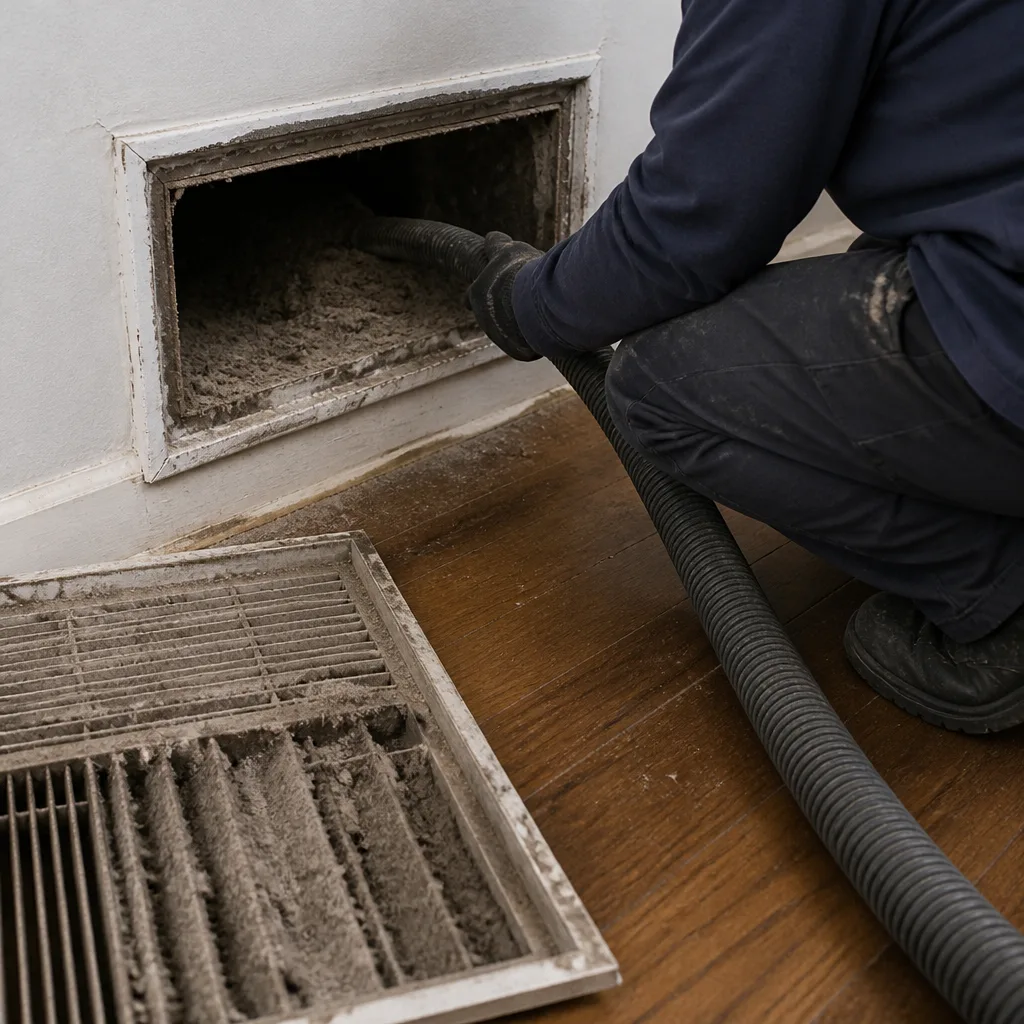 Before
 After
After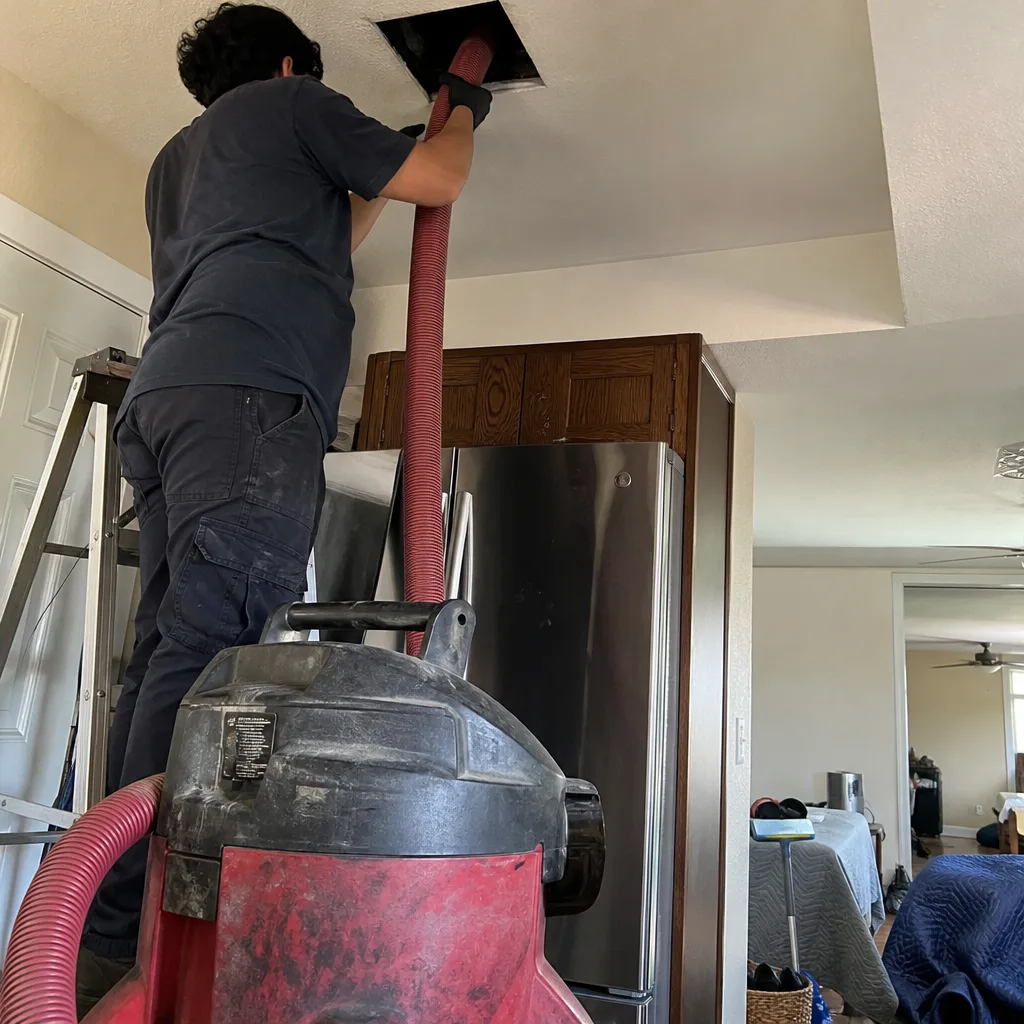 Before
 After
After