
Last updated October 15, 2026
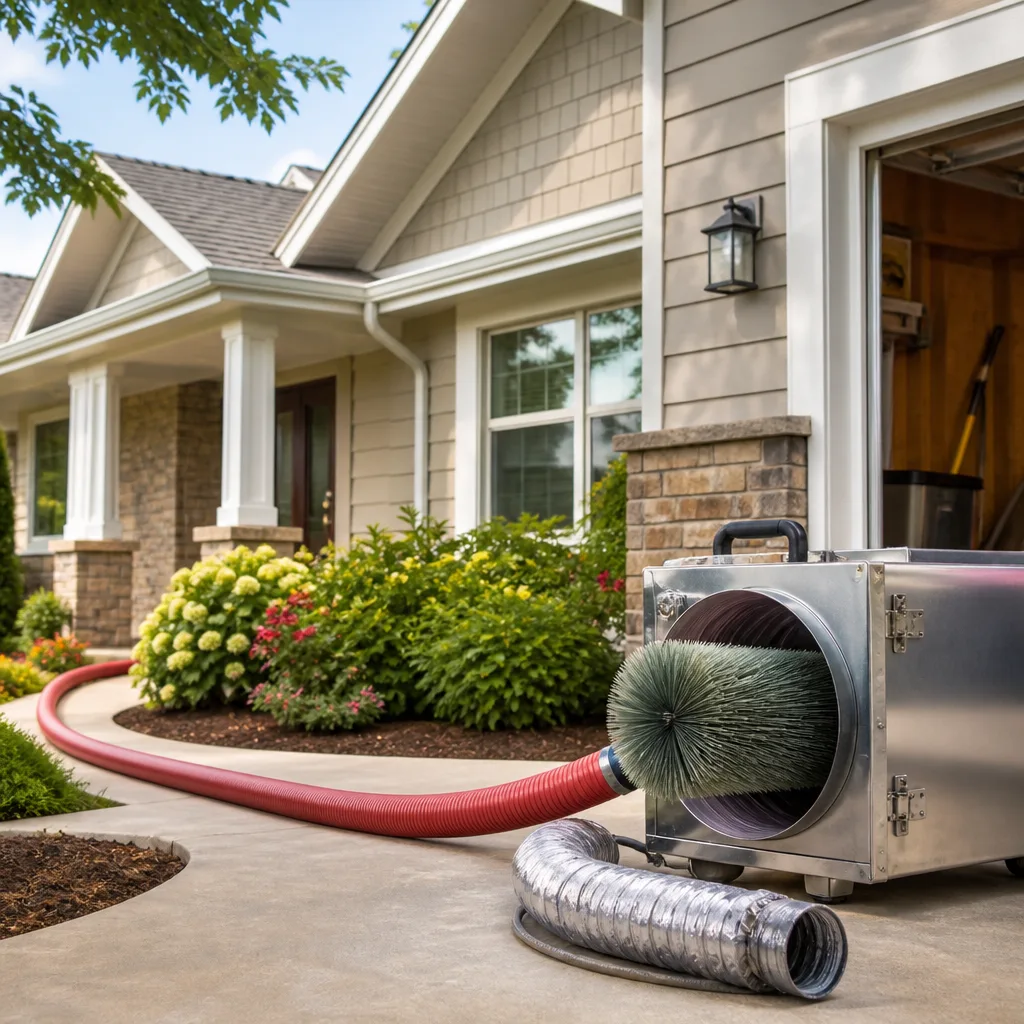 Whole-home duct cleaning
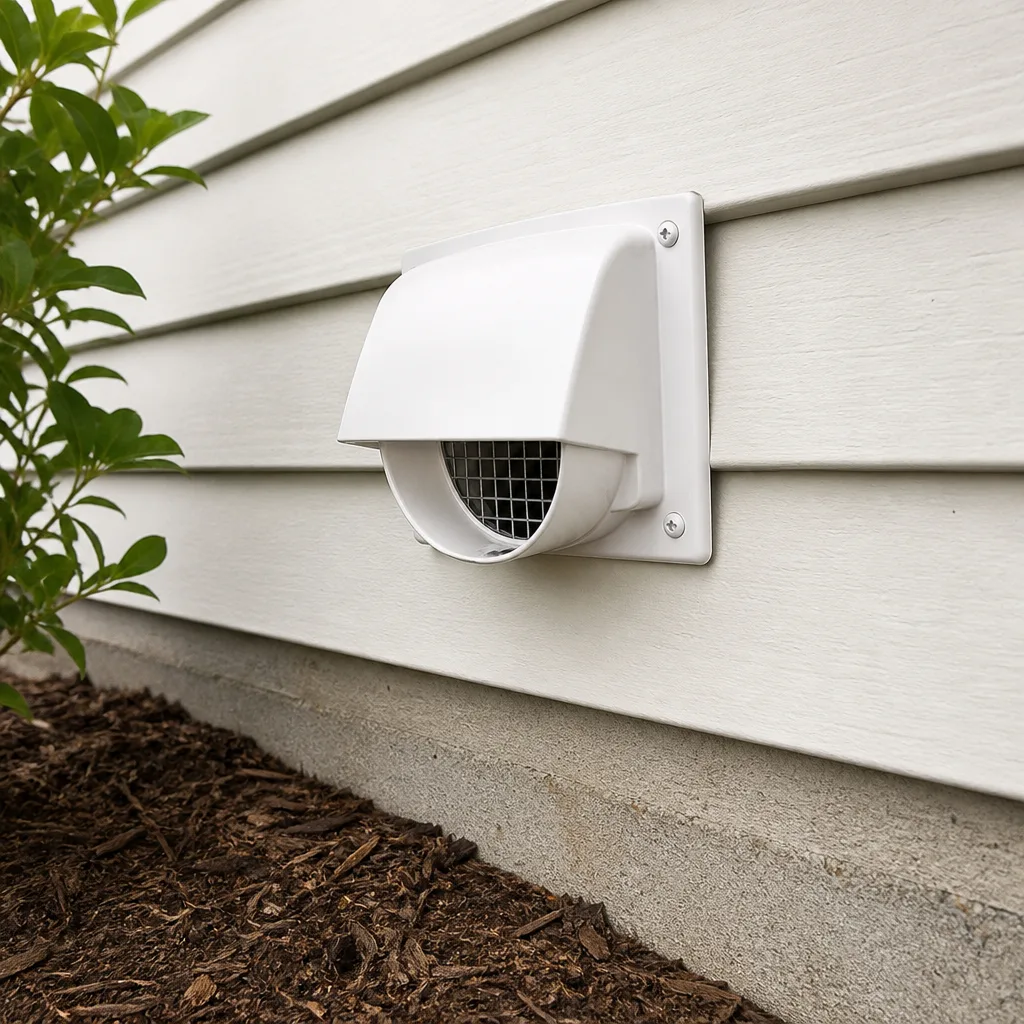 Dryer vent cleaning
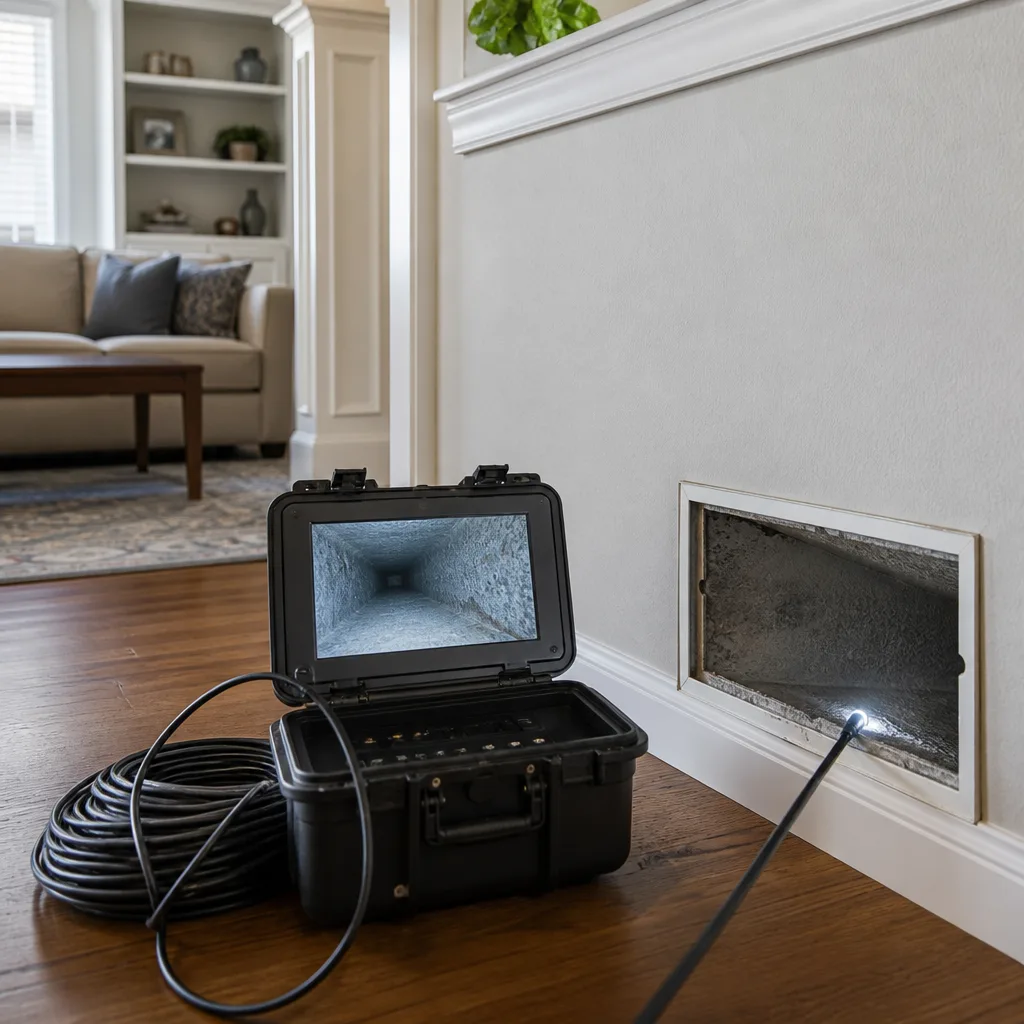 Camera inspection
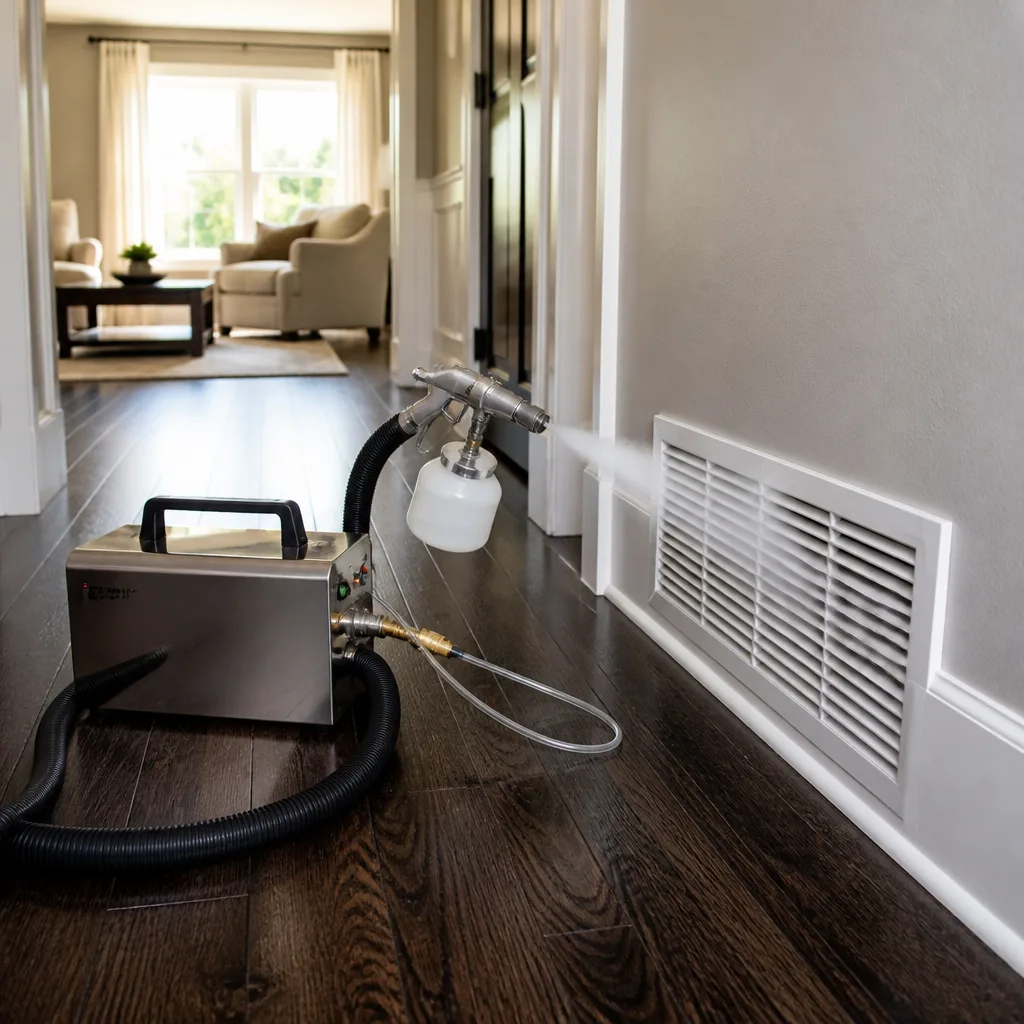 Sanitizing & deodorizing
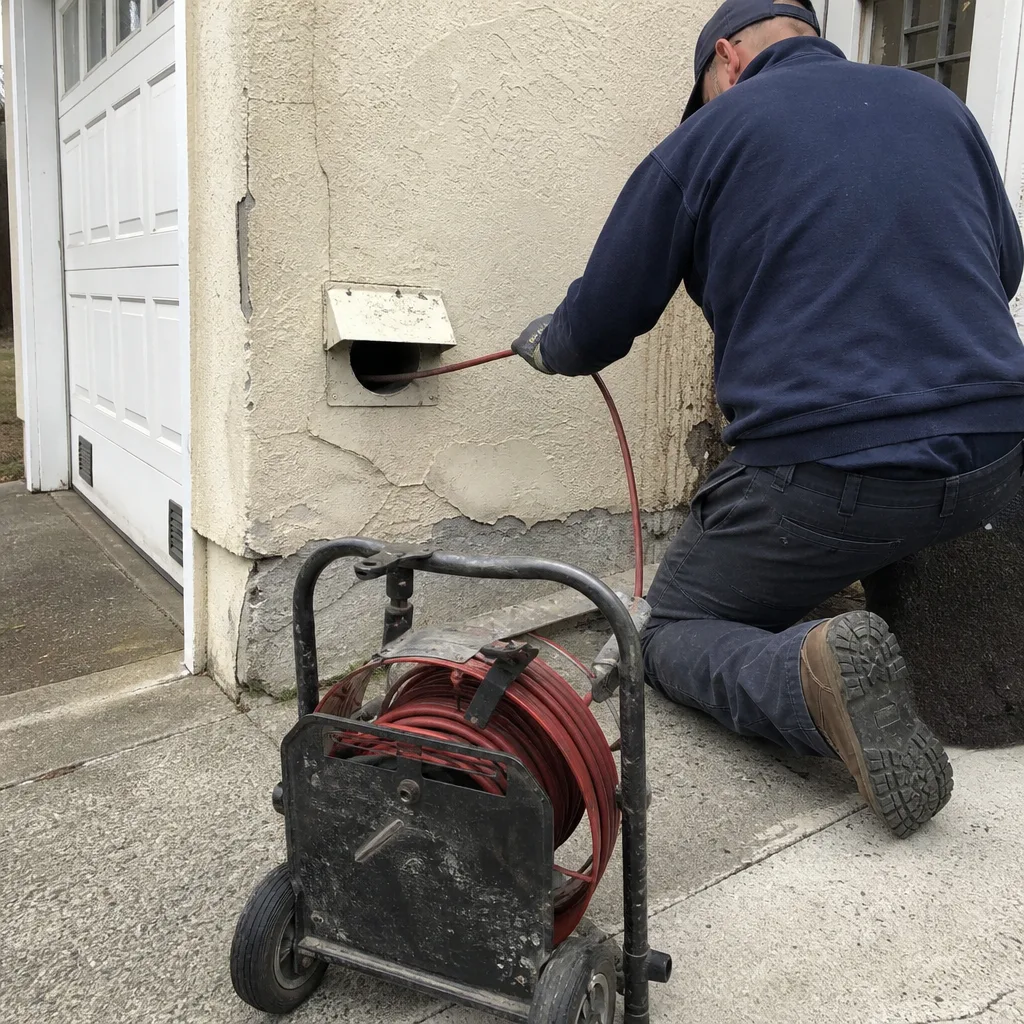
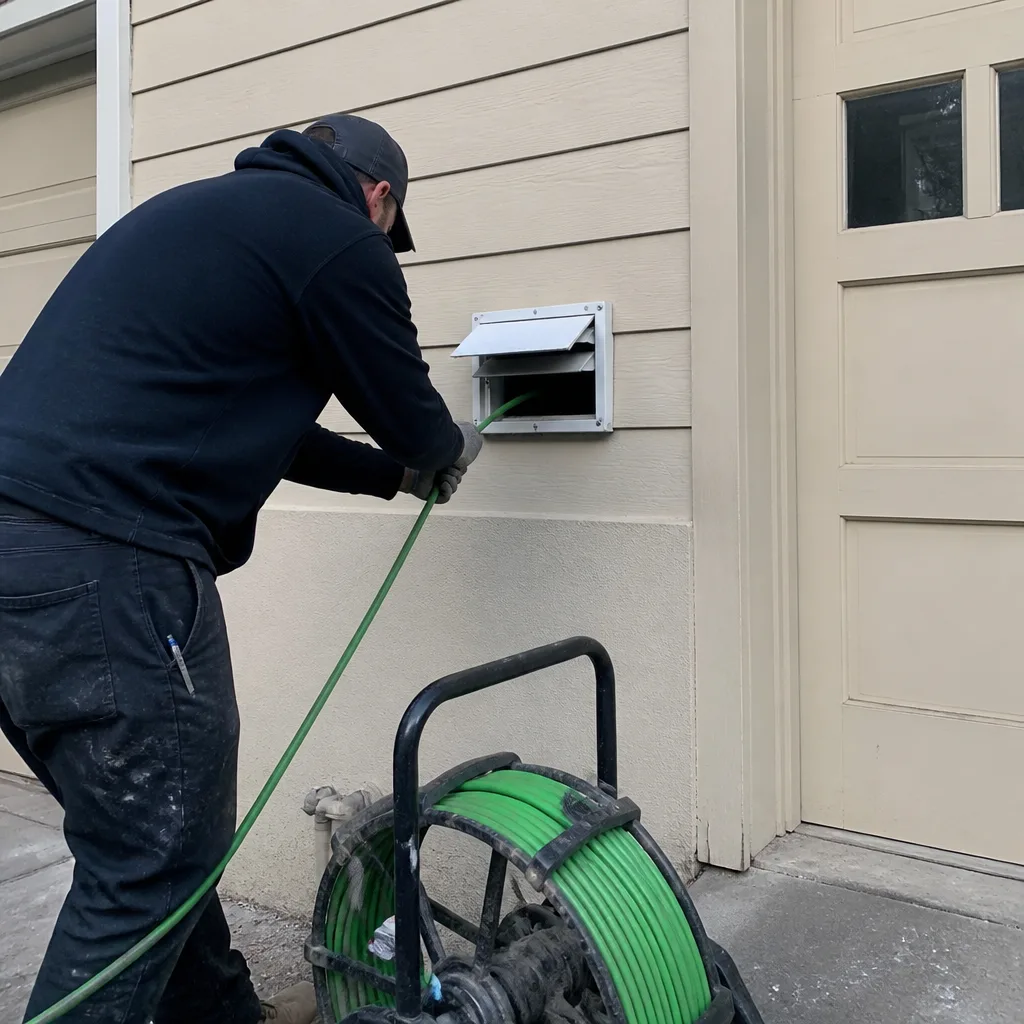
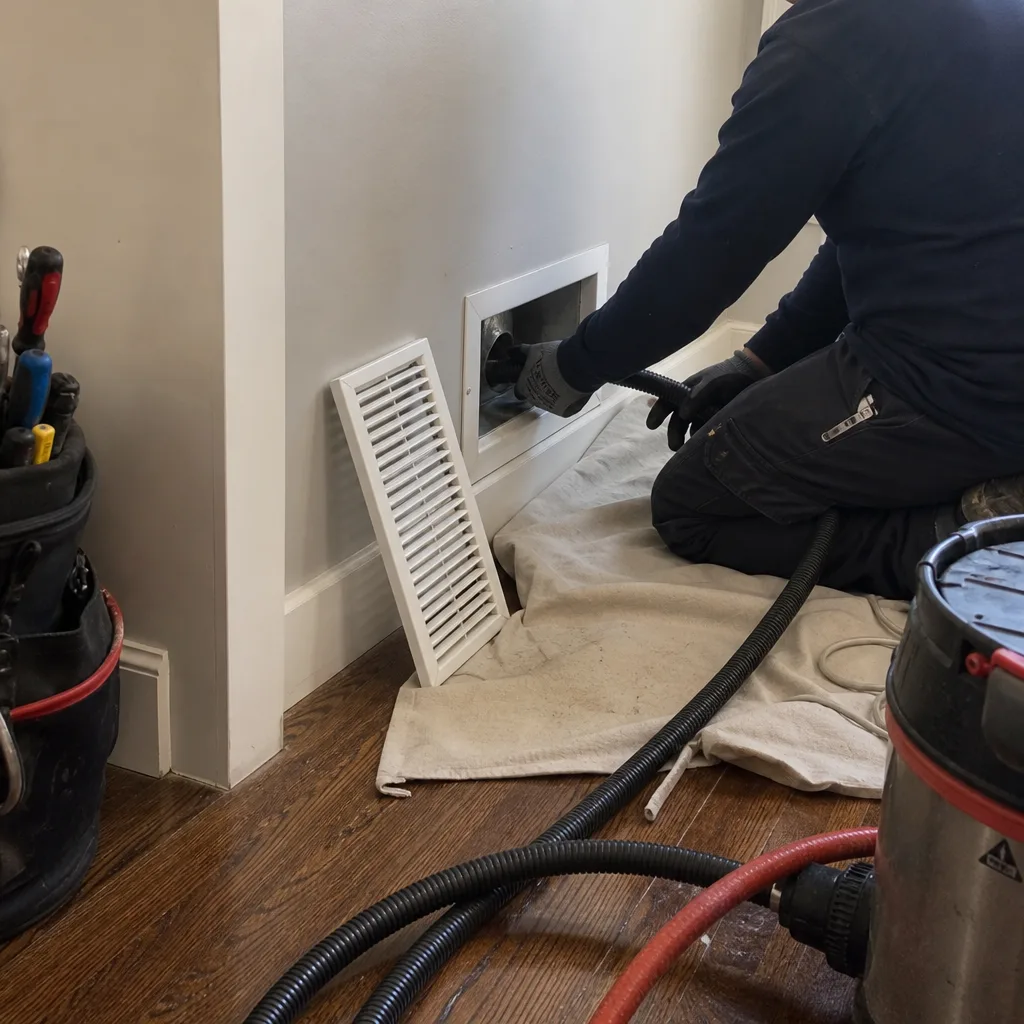
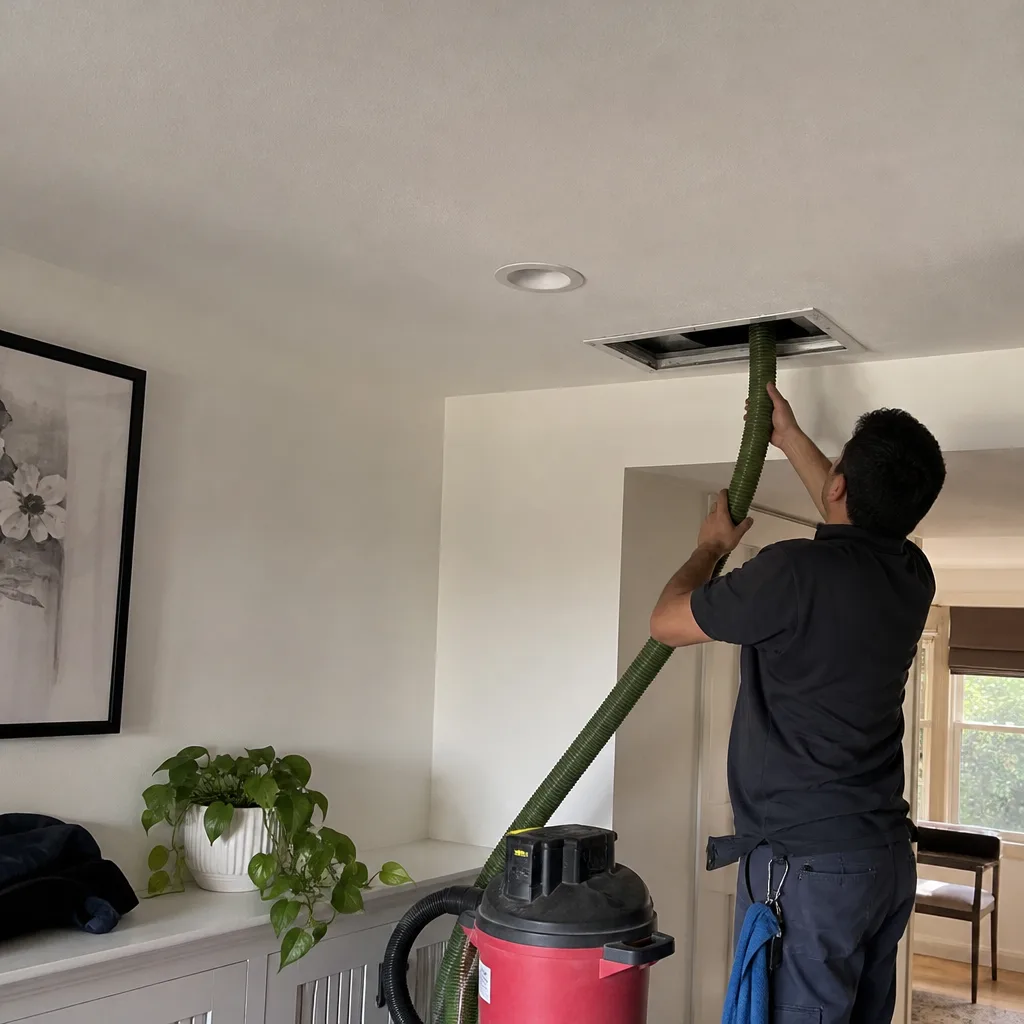
Whole-system duct and dryer vent check with before-and-after photos - you see exactly what came out of your vents
That "$99 whole-house special" is a bait ad - the real number appears once they are in your hallway, or the "clean" is a shop-vac at the register. We photograph the inside of your ducts before and after instead.
Seasonal Air Duct Cleaning Care for San Francisco: Year-Round Homeowner’s Guide
San Francisco’s “summer” fog season runs June through August, the same months most homeowners turn their HVAC off entirely, and that shutdown is exactly when stagnant duct interiors accumulate the moisture and particulate that makes fall startup the highest-risk air quality event of the year. This guide explains the city’s real seasonal cycles: fog-driven humidity, wildfire smoke, and heating demand, and how each one affects what’s moving through the ducts in your walls. You’ll learn when cleaning actually pays off, when it doesn’t, and the between-season tasks that keep a San Francisco system running clean without overspending.
Styles & brands we work with
Quick Answer
For most San Francisco homeowners, fall is the highest-value window for Air Duct Cleaning services, ideally scheduled in September or early October after wildfire smoke has settled but before heating season demand begins in earnest. Homes in the fog belt, the Sunset, Outer Richmond, Daly City, and the western half of the city, may need a second moisture-focused inspection in late spring. Cleaning costs for a typical single-family San Francisco home run $450 to $900 depending on system size, and skipping seasonal care typically shows up first as faster filter loading and a musty smell at furnace startup.
Table of Contents
- The Climate Reality San Francisco Homeowners Actually Face
- A Month-by-Month HVAC and Duct Calendar for San Francisco
- Why Fall, Not Spring, Is the Highest-Value Cleaning Window
- What Wildfire Smoke Does to Duct Interiors That Normal Dust Does Not
- Neighborhood-Level Variation: Fog Belt vs. Mission District Moisture Conditions
- Between-Season Tasks That Extend Cleaning Intervals
- What Air Duct Cleaning Actually Costs in San Francisco
- Common Mistakes to Avoid
- When to Call a Professional
- Frequently Asked Questions
- The Bottom Line
The Climate Reality San Francisco Homeowners Actually Face
San Francisco does not have seasons the way most of the country understands them. We have microclimates stacked on top of each other, a marine layer that behaves like a second atmosphere, and temperature swings that happen between neighborhoods rather than between months. For your ductwork, that means the usual spring-or-fall cleaning advice written for Sacramento or Phoenix just doesn’t apply here. What matters in San Francisco is moisture, particulate, and stagnation, and all three follow a calendar that has very little to do with leaves changing color.
The western half of the city lives under fog for a significant portion of the year. The Sunset and Outer Richmond can see fog on more than 200 days annually, and that fog isn’t dry coastal mist, it’s saturated air moving through wall cavities, crawl spaces, and return-air plenums. When that moisture meets the dust, pet dander, and skin cells already sitting in your ducts, it forms a paste that sticks to duct walls and becomes a substrate for mold and mildew. We’ve opened ducts in Outer Sunset homes where the interior looked like a damp basement, despite the house itself feeling perfectly dry. The HVAC system was pulling fog-laden air through the return side and condensing it inside the duct run.
The eastern neighborhoods, Noe Valley, the Mission, Bernal Heights, Potrero Hill, get meaningful sun and less marine influence. Their duct problems skew toward dry particulate: construction dust from the city’s perpetual remodeling, brake dust from arterial streets, and fine grit that settles into supply registers during the long stretches when windows are open and the system is off. Neither condition is worse. They’re different, and they require different timing and different expectations from a cleaning.
What both zones share is a heating season that is relatively short and mild. The result is that most San Francisco HVAC systems spend more hours off than on, and an off system is a collecting system. Gravity does the work. Whatever is in the air settles into the ductwork, waits, and gets distributed the moment the furnace kicks on in November.
What This Means for Your Cleaning Schedule
- Fog belt homes (Sunset, Outer Richmond, Ingleside, Daly City, Pacifica): moisture is the dominant issue. Schedule around fog patterns, not temperature.
- East-side homes (Mission, Noe Valley, Bernal, Potrero): particulate and construction dust dominate. Schedule around wildfire smoke and open-window season.
- Downtown and mid-rise condos: shared ventilation and neighbor activity matter more than weather. Buildings with common corridors move air between units, and duct condition reflects the building, not just your unit.
- All San Francisco homes: the highest-risk event of the year is furnace startup after weeks or months of system inactivity, and that’s where seasonal care pays off most.
For a deeper look at how the city’s housing stock affects duct systems, start with our guide to Air Duct Cleaning in San Francisco.
A Month-by-Month HVAC and Duct Calendar for San Francisco
This calendar reflects what we actually see in San Francisco homes, not a generic template. Use it as a baseline and adjust for your specific microclimate.
- January and February: Heating season peak. The furnace runs more in these two months than any other time of year. Your job is passive: watch the filters. If a 1-inch filter is visibly soiled after 30 days, that’s normal in a working system. If it’s caked at 30 days, your ducts are loading faster than they should. No cleaning needed now, but make a note of it.
- March: The shoulder month. Heating demand drops, and many systems go quiet. This is a good time to do a visual inspection of supply registers and return grilles. Look for dust streaking (dark lines radiating from the vent), which signals air bypassing the filter. Tighten any loose grille screws. Wipe register faces with a damp cloth.
- April and May: Fog returns with intent. The marine layer thickens, and west-side homes begin their dampest stretch. If your home has a crawl space, check that the vapor barrier is intact and that any duct runs through the crawl space show no sagging or condensation staining. If you smell mustiness only when the system runs, moisture is likely inside the ducts, not just the crawl space.
- June through August: Fog season peak and system shutdown. Most San Francisco homes run neither heat nor cooling during these months. The system is off, and the ducts are collecting. This is the window when west-side homes see the most mold and mildew growth inside duct interiors, because stagnant air plus fog moisture is the exact recipe. If your home has a whole-house fan or you use window fans, filtered air is your friend. Unfiltered air pulled through open windows just adds particulate to the collecting ducts.
- September: The decision month. Wildfire smoke typically peaks August through October in Northern California, and by September the question is whether your ducts absorbed a season’s worth of smoke particulate. If you ran your HVAC fan during smoke events without a high-MERV filter in place, the answer is probably yes. September is also when schedules for professional cleaning start filling, because experienced homeowners know what’s coming in November.
- October: The highest-value cleaning month. Smoke season is usually winding down, the fog is thinning on the west side, and heating season hasn’t started yet. Clean ducts in October and you go into winter with a genuinely clean system. Wait until November and you’re competing with furnace startups, which means longer scheduling waits and breathing whatever collected in the ducts until the appointment arrives.
- November and December: Heating demand returns. The furnace kicks on, and everything that settled in the ducts over the summer gets distributed through the house. This is when homeowners notice the musty smell, the dusty furniture, and the filter that clogs in three weeks. If you didn’t clean in October, the best move is to schedule as early as possible and run the system with a fresh high-MERV filter until the appointment.
Why Fall, Not Spring, Is the Highest-Value Cleaning Window
Most of the country cleans ducts in spring because winter heating season just ended and systems are dirty from months of continuous use. San Francisco’s heating season is shorter and less intense, which means spring cleaning here often addresses a system that was barely used. The real accumulation in San Francisco happens during the long off-season, from June through October, when the system sits idle and collects whatever the fog and the air bring through it.
Fall cleaning targets the right problem. By October, the ducts have absorbed a full summer of fog-season moisture on the west side, a full wildfire smoke season across the entire city, and months of gravity-fed particulate settling. Cleaning at this point removes all of it before the furnace starts cycling it through the living space. It’s the difference between starting the heating season with a clean vessel and starting it with six months of accumulated debris.
There’s also a practical scheduling reality. Every year, the phones pick up in November when furnaces start and people notice the smell. By then, cleaning companies are booked out, and homeowners spend weeks or longer breathing the exact air they were trying to avoid. Scheduling in September or October gives you choice of appointment times and a system that’s actually ready for the first cold snap, which in San Francisco usually arrives in late November. For homes that also need repairs, fall is the right time to have them done, before the furnace is in daily use. See our Air Duct Repair in San Francisco page for what that typically involves.
What Wildfire Smoke Does to Duct Interiors That Normal Dust Does Not
Wildfire smoke is a different substance from household dust, and it behaves differently inside a duct system. Household dust is mostly fibers, skin cells, and dirt tracked in from outside. It’s relatively large and heavy, and it settles quickly. Wildfire smoke is made of particles small enough to stay suspended for days, and they carry resins, oils, and combustion byproducts that make them sticky. When smoke-laden air moves through your ductwork, those particles adhere to duct walls in a way that normal dust does not.
The difference shows up in three ways. First, smoke residue on duct interiors acts like a magnet for future dust, because the sticky layer gives every subsequent particle something to hold onto. A smoke-affected duct gets dirty faster even after the smoke event is over. Second, smoke odor embeds in the residue, and that odor can release for months afterward, especially when the furnace heats the ducts and loosens the compounds. Third, smoke particles are fine enough to pass through standard fiberglass filters, which means a MERV 4 or MERV 8 filter does essentially nothing to protect your ducts during a smoke event.
Whether post-event cleaning is warranted depends on what your system did during the smoke. If the HVAC ran or the fan circulated air during days of visible smoke, and you were using a standard filter, the ducts likely took on smoke residue. If the system stayed off and you ran a standalone air purifier instead, the ducts probably escaped the worst of it. One practical test: remove a supply register and run a clean white cloth along the inside of the duct. Dark, oily residue means smoke affected the system. Dry gray dust means normal accumulation.
Neighborhood-Level Variation: Fog Belt vs. Mission District Moisture Conditions
San Francisco’s microclimates are not a curiosity, they’re a maintenance directive. Homes in the Outer Sunset and homes in the Mission face different duct issues because they live in different humidity environments, and treating them the same way wastes money in one neighborhood and leaves a problem unaddressed in another.
The fog belt: Sunset, Outer Richmond, Parkside, Ingleside, and down into Daly City and Pacifica. These homes live with humidity levels that rarely drop below 60 percent and frequently exceed 80 percent during summer fog events. Interior duct surfaces stay damp for extended periods. The consequence is biological: mold, mildew, and the musty smell that announces itself when the furnace starts. In our experience, fog-belt homes benefit from a moisture-focused duct inspection every late spring, when the marine layer is at its thickest, even if full cleaning only happens every few years. The thing to watch for is condensation on the outside of supply registers, staining on ceilings around registers, and a smell that’s worse when the system first starts.
The eastern slope: Noe Valley, the Mission, Bernal Heights, Potrero Hill, and the Dogpatch. These homes are warmer and drier, and their ducts accumulate dry particulate: construction dust, traffic dust, and the fine grit that comes through open windows during the long stretches when these homes don’t run HVAC at all. The risk here isn’t mold, it’s accelerated filter loading and dust distribution when the furnace does kick on. Homes near major remodel corridors or arterial streets load up faster. If a filter that used to last 90 days now clogs in 45, that’s the signal.
Downtown and high-rise condos: These buildings have their own pressure dynamics. Shared corridors, elevator shafts, and garbage chutes move air between floors and units. Duct cleaning in a condo often reveals debris that didn’t originate in the unit at all. Building-wide filter changes and common-area duct maintenance matter as much as what happens inside your own walls. If you’re in a building, ask the HOA or management what the common-area maintenance schedule looks like before assuming your unit is the source of the dust.
Between-Season Tasks That Extend Cleaning Intervals
Professional duct cleaning is not an annual requirement in San Francisco the way it might be in a city with brutal winters or summers. What makes a real difference is what you do between cleanings, and our Air Duct Cleaning Maintenance Checklist for San Francisco Homeowners covers most of it in tasks that take less than ten minutes a month.
Monthly: The Filter Check
This is the single highest-leverage task in HVAC care. A 1-inch filter in a San Francisco system typically lasts 60 to 90 days, but that’s an average across the city’s different environments. If you live in a fog-belt home or near a remodel, check every 30 days. Hold the filter up to a light. If you can’t see light through it, replace it. If you’re using a high-MERV filter during wildfire season, expect it to load faster and budget for monthly replacements during August through October. A loaded filter forces the blower to work harder, and a blower pulling against resistance moves less air, which means more particulate settles in the ducts instead of being carried out.
Quarterly: The Register and Grille Inspection
- Remove one or two supply registers in the rooms you use most. Look at the back of the register and the first few inches of the duct.
- Dry gray dust is normal. Dark streaks radiating from the register opening indicate air bypassing the filter, which points to a filter fit or sealing issue, not necessarily dirty ducts.
- Wipe the register face with a damp cloth. Built-up grime on the outside is a clue about what’s building up inside.
- Look for moisture staining on the ceiling or wall around the register. In fog-belt homes, this can signal condensation inside the duct run.
Twice a Year: The Condensate Drain Check
If your system has cooling capability, even if you rarely use it, the condensate drain line can clog with the same organic material that grows in drain pans anywhere. Pour a cup of white vinegar down the drain line twice a year, once in spring and once in fall. If water backs up, the line is clogged and needs clearing before it overflows into the system.
Fall: The Furnace Test Run
Before the first real cold snap, run the furnace for 15 minutes with windows open. Listen for unusual sounds, smell for the musty odor that signals duct moisture, and check that airflow from every register feels consistent. This test run, done in October, gives you time to address problems before the system is running daily. If the smell appears, that’s your signal to schedule cleaning before heating season locks in.
What Air Duct Cleaning Actually Costs in San Francisco
San Francisco pricing runs higher than national averages because labor, parking, and operating costs are higher here, and because the housing stock includes a lot of older homes with complicated duct layouts. See our Air Duct Cleaning Cost Breakdown: The San Francisco Homeowner’s Reference for 2026 for full details. An honest range for a full-system cleaning in a typical single-family San Francisco home is $450 to $900. Larger homes, systems with multiple zones, and ductwork that hasn’t been touched in a decade or more can push past that range, and small condos with short simple runs can come in below it.
Here’s what typically drives the number:
- Number of supply and return registers. More registers means more access points and more time. A 2-bedroom condo with 6 registers is a different job than a 4-bedroom Sunset house with 14.
- Access difficulty. Furnaces in San Francisco often live in cramped basements, crawl spaces, or converted closets. Tight access means slower work.
- Contamination level. A system cleaned every few years is straightforward. A system that’s accumulated a decade of pet hair and construction dust takes longer.
- Presence of mold or moisture damage. If inspection finds what looks like mold or moisture-compromised insulation, remediation changes the scope and the price, and it should be quoted separately and specifically.
One thing worth saying plainly: the duct cleaning industry has a reputation problem, and it’s earned. The classic model is a low teaser price per vent that balloons into a large invoice once the technician is in the home. That’s why the way a company quotes matters as much as the number. We put the price in writing before any work begins, every single time, and the number on the written quote is the number on the final invoice. If a company won’t give you a written system-level price before starting, that’s not a red flag, it’s a stop sign.
For a full breakdown of pricing, what’s included, and what questions to ask before hiring anyone, read our detailed page on Air Duct Cleaning in San Francisco.
Common Mistakes to Avoid
- Assuming no seasons means no seasonal maintenance. San Francisco’s duct problems follow fog, smoke, and stagnation, not temperature extremes. Skipping seasonal attention in a city with a mild climate is how systems quietly accumulate years of debris.
- Cleaning in spring out of habit. A spring cleaning in San Francisco often addresses a system that’s been mostly idle. Fall cleaning removes the summer’s actual accumulation right before it gets distributed through the house.
- Running the fan during smoke events with a standard filter. A standard filter does almost nothing to stop fine smoke particles. If you run the system during smoke, use the highest-MERV filter your system can handle, and expect to replace it frequently.
- Ignoring the filter because the system barely runs. Filters degrade and load even when the system is off, especially in fog-belt humidity. A damp loaded filter in a system that’s been off for months can be a source of musty smells when the furnace finally starts.
- Comparing quotes by total price without checking what’s included. Some companies quote a price for “cleaning” that excludes the return side, the blower, or the main trunk. Get the scope in writing before comparing numbers.
- Waiting until the furnace smell appears to schedule. By the time the musty smell announces itself at startup, you’re already weeks into breathing whatever grew in the ducts. Scheduling ahead, in September or October, costs the same and avoids the wait.
- Treating all San Francisco neighborhoods as the same climate. A fog-belt home in the Sunset has a moisture problem. A remodel-heavy block in the Mission has a particulate problem. The maintenance calendar should follow the microclimate, not the city-wide average.
When to Call a Professional
Some situations are inspection items you can handle yourself. Others warrant a professional. Call a duct cleaning company when you smell a persistent musty odor that appears or worsens when the system runs, when you see visible mold on or around supply registers, when every register in the house shows heavy dust streaking even with fresh filters, or when airflow is noticeably uneven across rooms. Wildfire smoke exposure with standard filters is another trigger, especially if a white-cloth swab of the duct interior comes back dark or oily. Post-renovation, when drywall dust and debris have had access to open duct runs, a professional cleaning is the only way to remove the fine dust that settles deep in the system. Linden Air Duct San Francisco home offers free estimates in San Francisco. Call (951) 527-6259 to talk through what you’re seeing, and we’ll tell you honestly whether cleaning is the right move.
Frequently Asked Questions
Most San Francisco homes need professional air duct cleaning every 3 to 5 years, though fog-belt homes with persistent moisture and homes near heavy remodel activity often benefit from shorter intervals. The best signal isn’t the calendar, it’s what you observe: filter loading speed, register streak patterns, and the presence or absence of musty smells at furnace startup. Call (951) 527-6259 for an honest assessment, and we’ll tell you if cleaning is warranted or if you’re better off waiting.
The low-ball quotes in this industry usually come from a bait-and-switch model: an extremely low per-vent price that becomes a large invoice once the technician is in the home and “discovers” additional work. Whole-system pricing with a written quote before work begins is the honest comparison point. If a company won’t give you a system-level price in writing before starting, the low number isn’t real. For exact pricing on your system, call (951) 527-6259.
Request before-and-after photos of the duct interior at the main trunk and several branch runs. A legitimate company documents the work and can show you exactly what was removed. For dryer vent cleaning specifically, ask to see the termination point at the exterior wall, which is where lint accumulates and where proof of cleaning is most visible. See our Dryer Vent Cleaning in San Francisco page for what that work involves.
Only if smoke-laden air actually moved through the system. If the HVAC ran or the fan circulated air during significant smoke events and you were using a standard filter, smoke residue likely adhered to duct interiors, and a cleaning is usually warranted. If the system stayed off and you used standalone air purifiers, the ducts probably escaped meaningful contamination. A white-cloth swab of the duct interior tells you quickly: dark or oily residue means smoke affected the system.
You can clean register faces and visible duct openings with household tools, but the interior of a duct system extends well beyond what’s reachable by hand. Proper cleaning requires negative-pressure extraction equipment, the kind professionals use from brands like Rotobrush and Nikro, to pull debris out without pushing it into the living space. Without that equipment, aggressive DIY attempts often knock debris loose and distribute it through the house. The accessible parts are worth doing yourself; the full system is worth hiring out.
It can, with a caveat. If your allergies are triggered by dust, pet dander, or pollen that’s accumulated in the ducts, clean ducts mean less of those particles circulating when the system runs. If your allergies are primarily to outdoor pollens that are present in San Francisco most of the year, duct cleaning won’t change what comes through open windows. The system is one vector, not the only one. Homes that pair clean ducts with high-MERV filters during pollen and smoke season typically see the most benefit.
The Bottom Line
San Francisco’s duct problems follow a calendar that looks nothing like the rest of the country’s. Fog replaces winter, smoke replaces pollen season, and the long quiet stretch of summer becomes the period when ducts collect whatever’s in the air. The highest-value move for most homeowners is a fall cleaning, scheduled in September or October, before heating season begins. Between cleanings, the monthly filter check and quarterly register inspection do more to extend cleaning intervals than any product or gadget. For more guides & resources on keeping your system clean year-round, visit our blog. If you’re unsure whether your system needs attention, call a professional who’ll give you a straight answer and a written price before any work starts. Call (951) 527-6259 for a free estimate.
Written by Marcus Veale, Owner at Linden Air Duct San Francisco, serving San Francisco since 2004.
See the difference
 Before
 After
After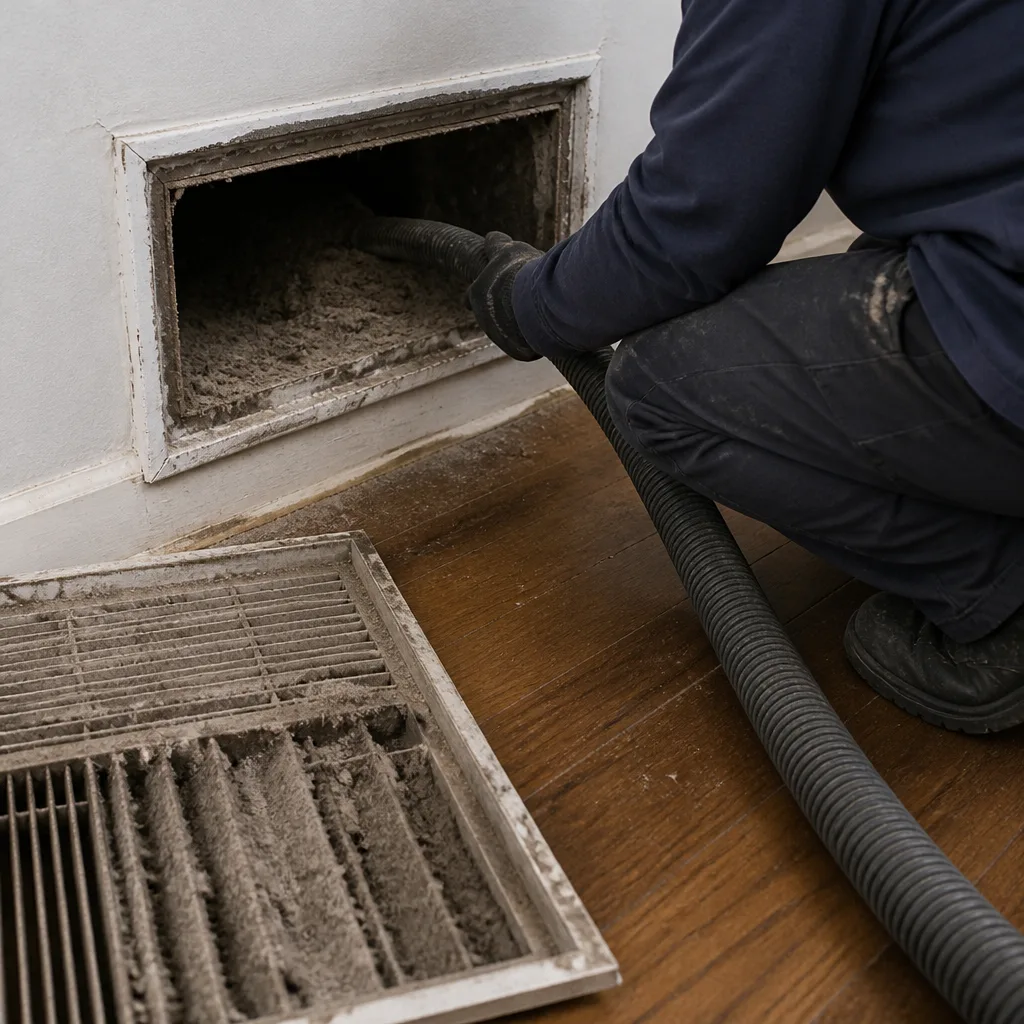 Before
 After
After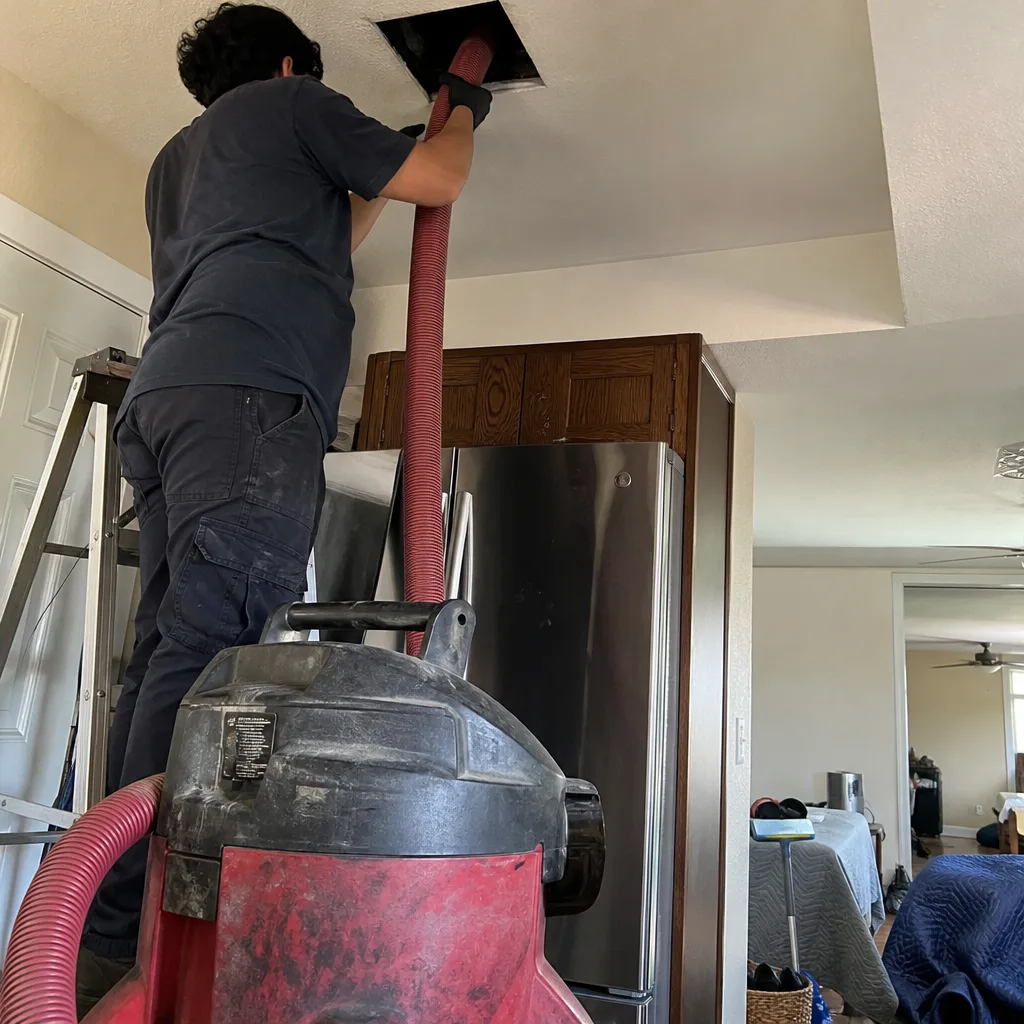 Before
 After
After