
Last updated October 15, 2026
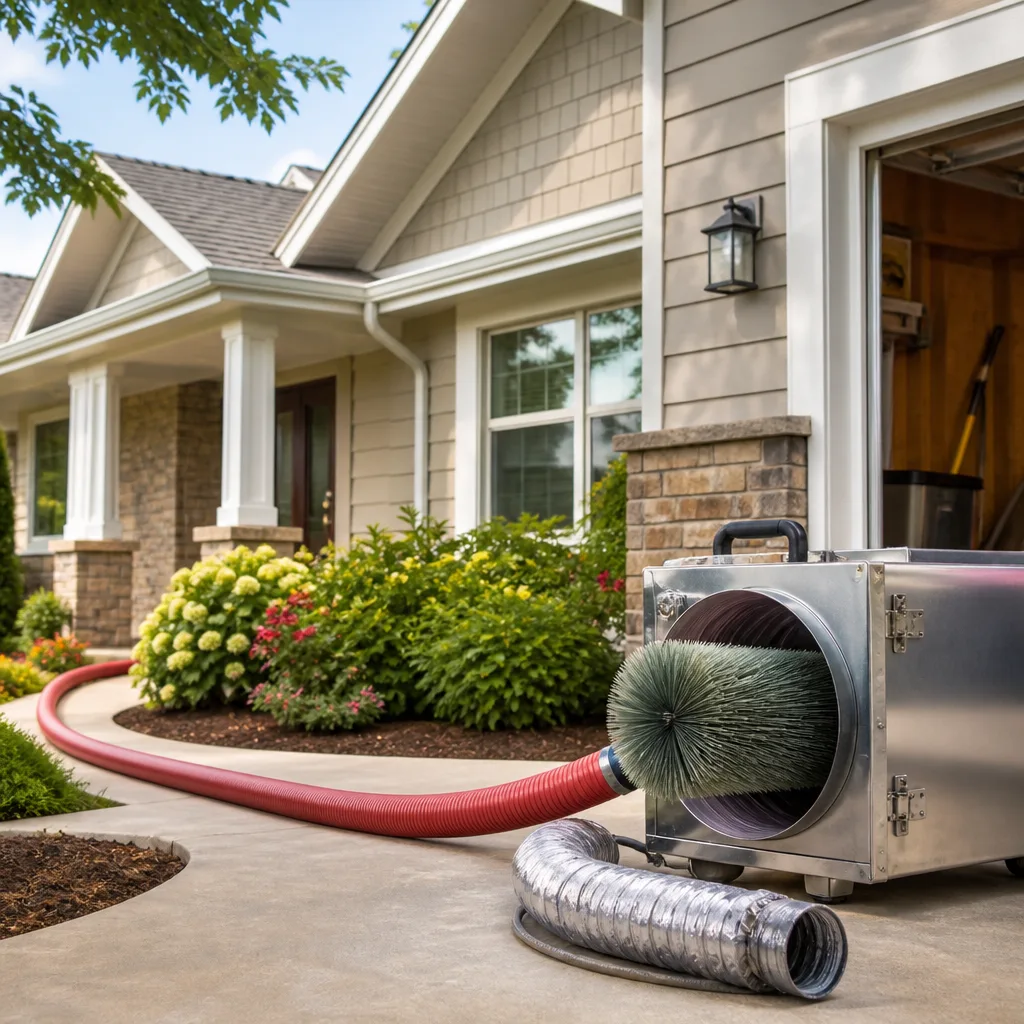 Whole-home duct cleaning
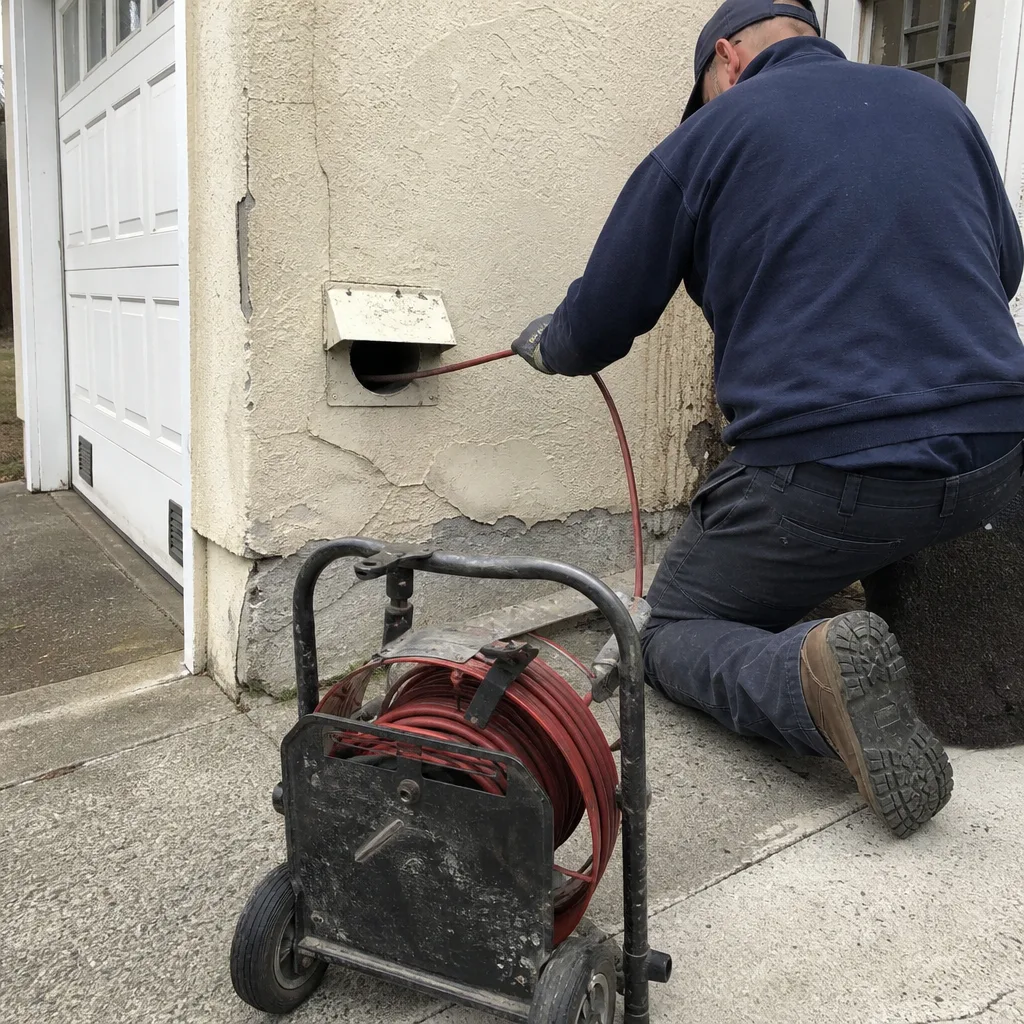
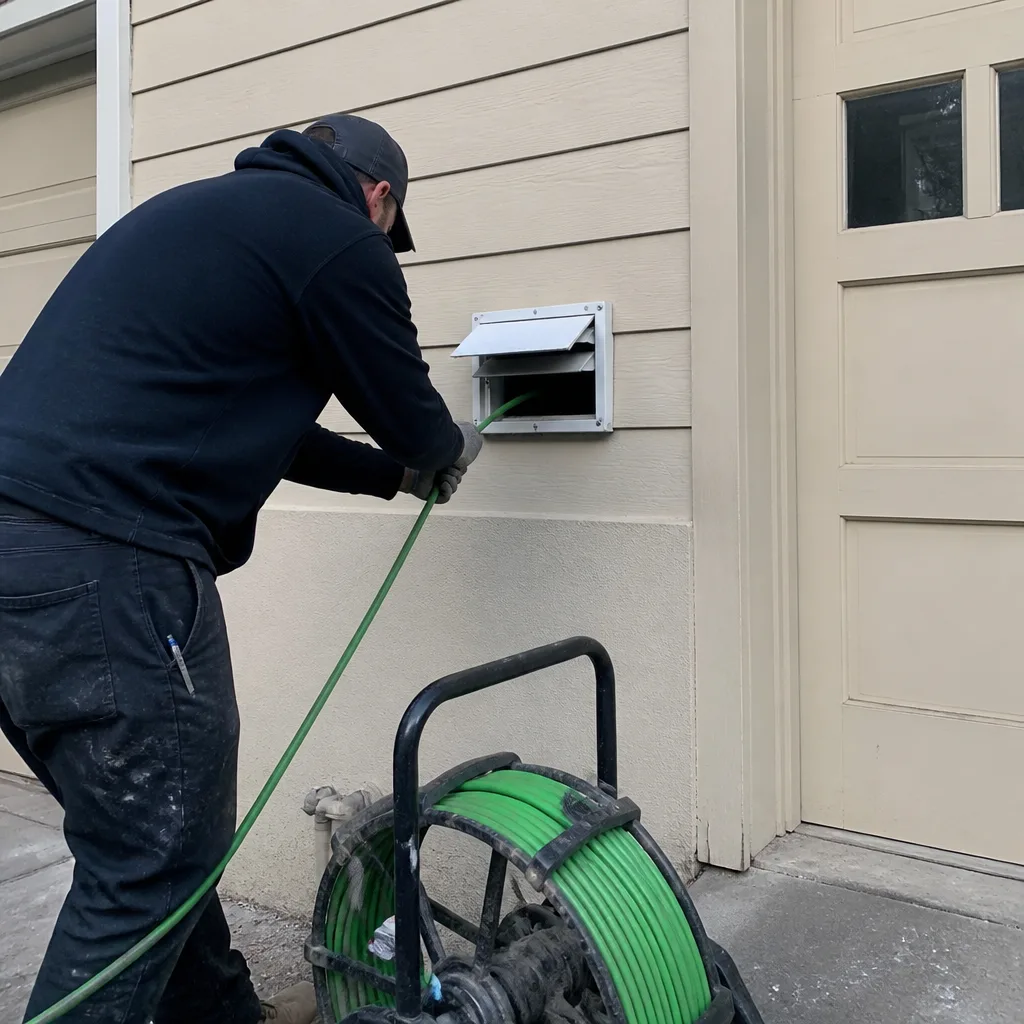
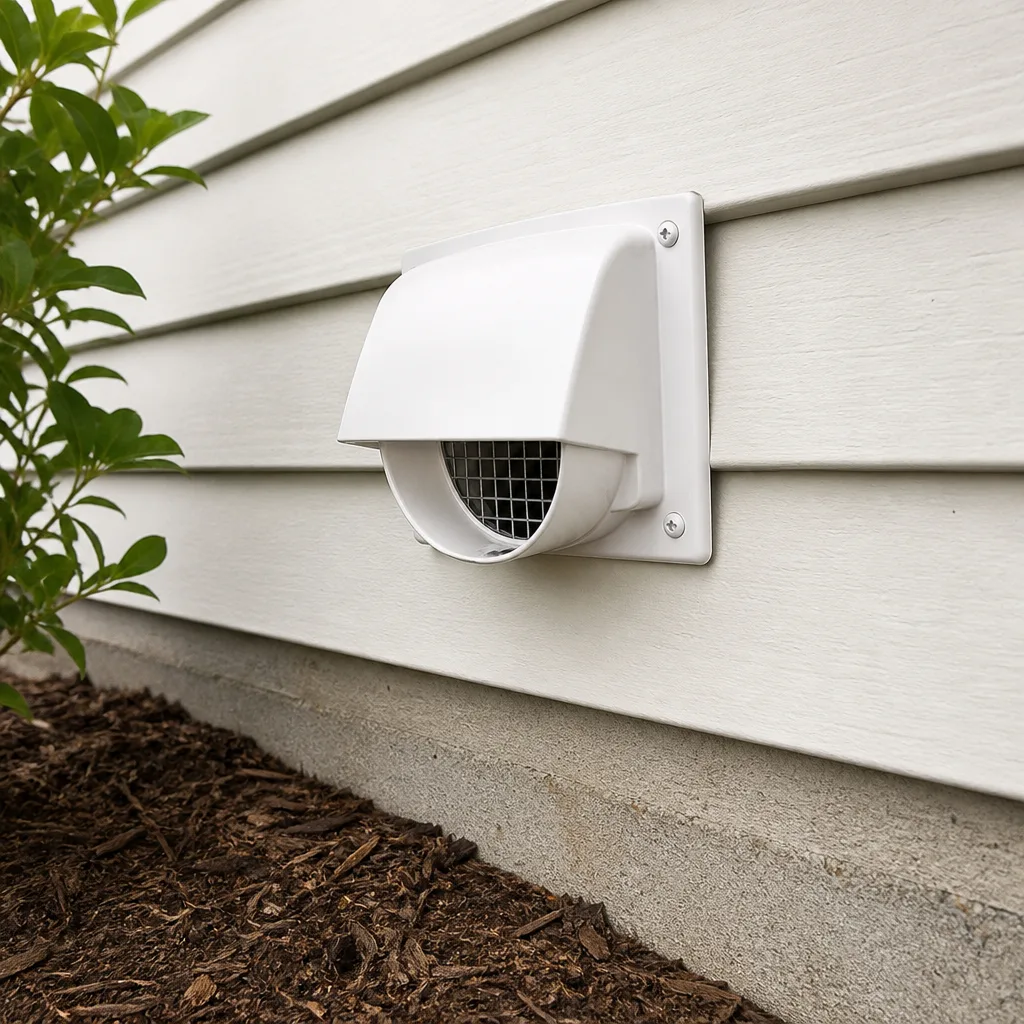 Dryer vent cleaning
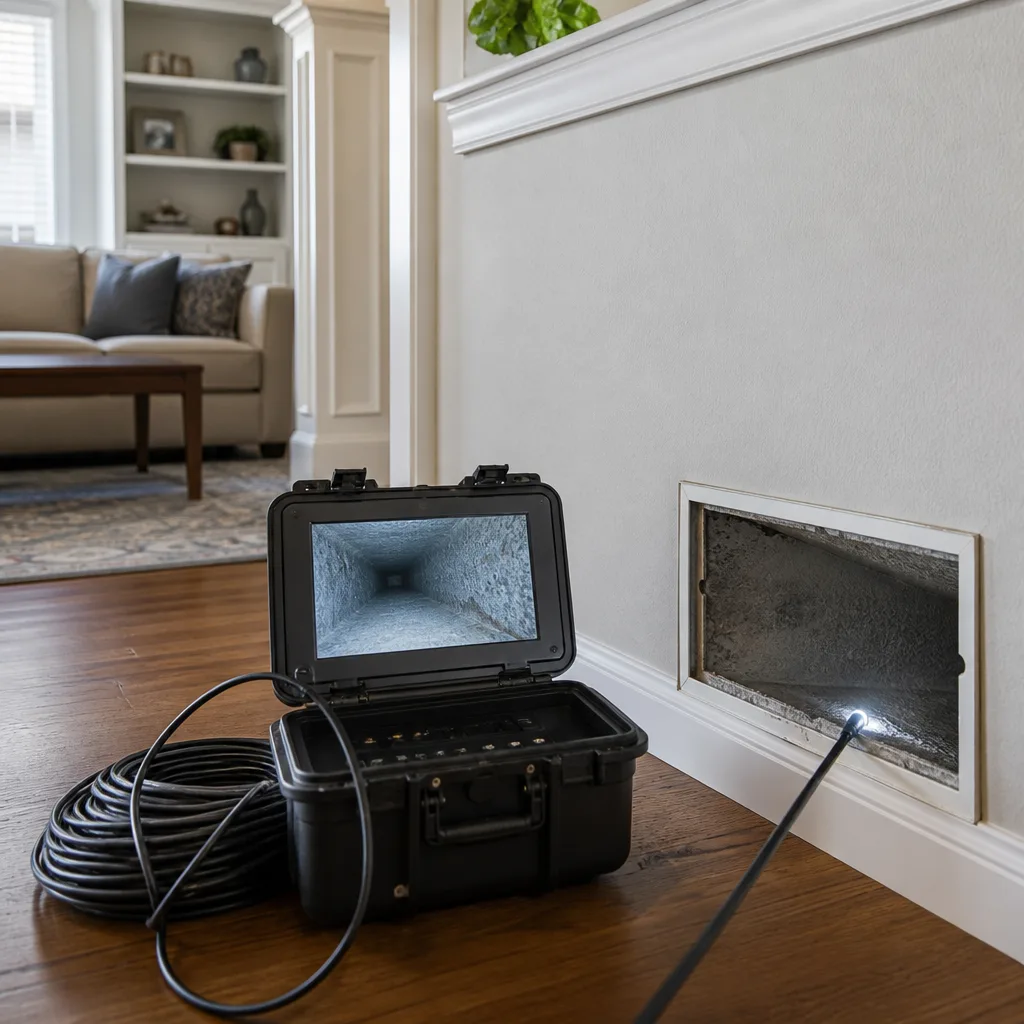 Camera inspection
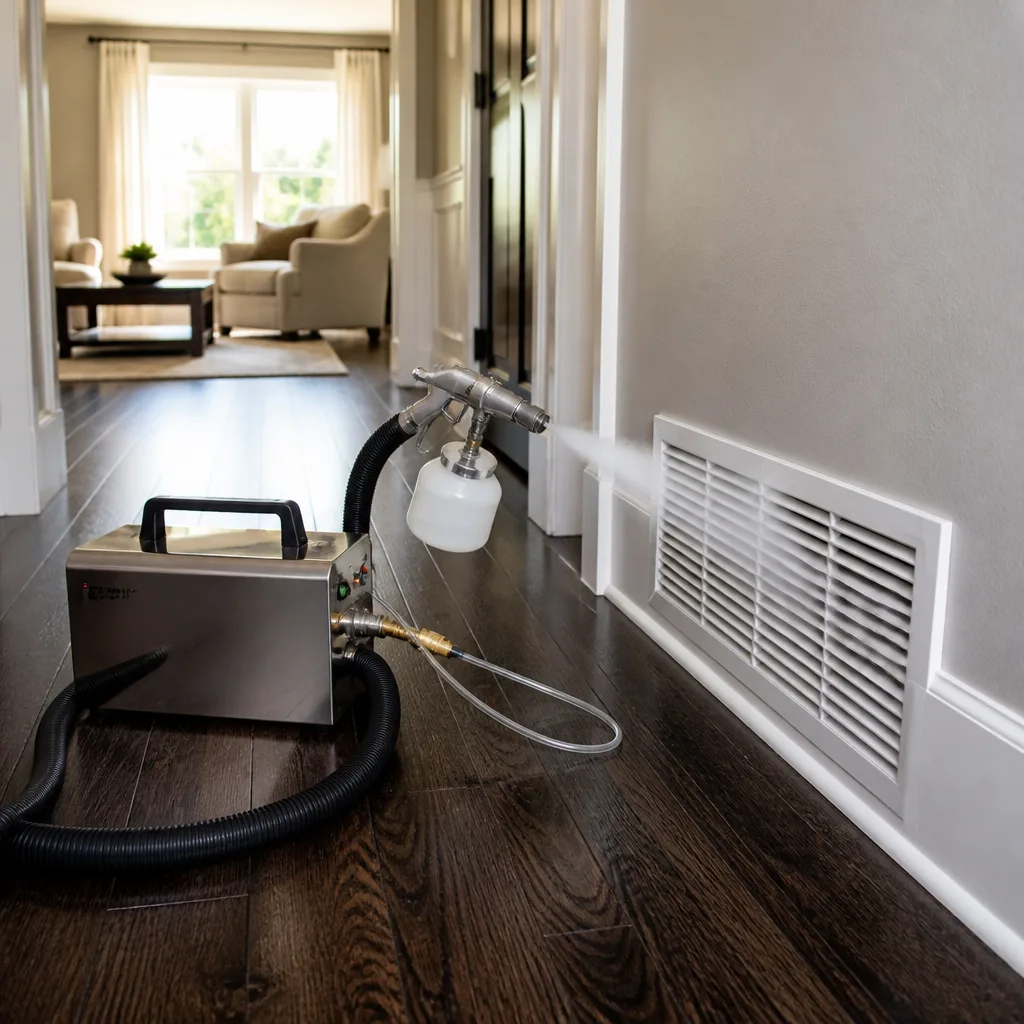 Sanitizing & deodorizing
Whole-system duct and dryer vent check with before-and-after photos - you see exactly what came out of your vents
That "$99 whole-house special" is a bait ad - the real number appears once they are in your hallway, or the "clean" is a shop-vac at the register. We photograph the inside of your ducts before and after instead.
Air Duct Cleaning Cost Breakdown: The San Francisco Homeowner’s Reference for 2026
The $89 duct cleaning special you found online and the $650 quote from a licensed contractor aren’t competing for the same job. They’re describing two entirely different scopes of work, and only one of them leaves your ducts actually clean. San Francisco’s housing stock, with its Victorians, Edwardians, and mid-century apartment buildings, hides duct configurations that make national pricing guides nearly useless. This guide walks through exactly what a legitimate Air Duct Cleaning services costs in San Francisco in 2026, what line items should appear on a written estimate, and how to spot the bait-and-switch math before the van shows up at your door.
Styles & brands we work with
Quick Answer
A legitimate whole-system air duct cleaning in San Francisco typically costs between $450 and $850 for a single-family home in 2026, with larger homes and multi-unit buildings running from $850 to $1,400. Quotes under $300 almost always reflect a partial cleaning or a bait-and-switch starting price that balloons once the technician counts vents. The price you see should be the price you pay, in writing, before any work begins.
Table of Contents
- The Real Cost Range for San Francisco Duct Cleaning
- What a Legitimate Line-Item Estimate Includes
- Why San Francisco Prices Differ from National Averages
- How Per-Vent Pricing Works as a Bait-and-Switch
- Which Add-Ons Are Worth It and Which Are Margin Padding
- What a Written Estimate Should Guarantee
- How Negative-Pressure Duct Cleaning Actually Works
- Common Mistakes to Avoid
- When to Call a Professional
- Frequently Asked Questions
- The Bottom Line
The Real Cost Range for San Francisco Duct Cleaning
Let’s put real numbers on the table. In San Francisco, a legitimate whole-system air duct cleaning for a single-family home runs between $450 and $850. For larger homes, multi-story Victorians, or multi-unit buildings with shared duct runs, expect $850 to $1,400. That’s the honest range for a job that includes full negative-pressure extraction, access cuts where needed, and post-service verification.
Here’s what those numbers reflect in practical terms:
- Small condo or flat (under 1,000 sq ft): $350 – $550. Fewer vents, fewer linear feet, typically one access point.
- Typical single-family home (1,200 – 2,000 sq ft): $450 – $750. Ten to fourteen vents, multiple access points, 45 – 90 minutes of actual cleaning work.
- Larger home or Victorian (2,000 – 3,000 sq ft): $650 – $950. More linear footage, older duct configurations, potentially additional access cuts.
- Multi-unit building or extensive system: $850 – $1,400. Shared returns, long supply runs, and access challenges common in San Francisco’s older apartment stock.
These ranges assume a legitimate contractor using professional-grade equipment, such as negative-pressure machines from Nikro or Rotobrush, and include the full scope: supply and return ducts, main trunk lines, and branch runs. If a quote falls well below these numbers, something is being left out of the scope, whether you know it or not. We’ve been doing air duct cleaning in San Francisco since 2004, and the jobs that surprise people are rarely the expensive ones. They’re the cheap ones that didn’t clean anything.
What a Legitimate Line-Item Estimate Includes
A written estimate for duct cleaning should read like an invoice, not a vague paragraph. Every line item should have a specific dollar figure or a clear “included” designation. Here’s what a proper San Francisco duct cleaning estimate looks like when broken down:
| Line Item | Typical Cost | What It Actually Covers |
|---|---|---|
| Inspection and system assessment | $0 – $75 (often waived) | Visual inspection of ductwork, registers, filter, and blower compartment before any cleaning begins. |
| Negative-pressure extraction | $250 – $500 | Connecting a vacuum unit to the main trunk line to create suction while agitation tools dislodge debris from duct walls. |
| Agitation and mechanical brushing | Included with extraction | Air whips, rotary brushes, or compressed-air tools that physically dislodge dust, hair, and debris from duct interiors. |
| Access cuts and resealing | $75 – $150 per cut | Cutting a service opening into ductwork where no existing access exists, then sealing it with an access panel after cleaning. |
| Register and grille cleaning | $50 – $100 | Removing, hand-cleaning, and reinstalling all supply registers and return grilles. |
| Sanitizing or deodorizing | $100 – $250 | Applying an EPA-registered product like those from Honeywell or Aprilaire to duct interiors after mechanical cleaning. Optional but valuable where documented microbial growth or odors exist. |
| Post-service verification | Included | Before-and-after photo documentation of the duct interiors, typically using a camera scope pushed through the cleaned runs. |
The total should fall within the ranges above. If a contractor can’t or won’t break the estimate down like this, that’s a signal worth paying attention to. A legitimate company puts the full price in writing before any work begins, every time.
Why San Francisco Prices Differ from National Averages
National duct cleaning guides will tell you to expect $300 to $500. Those numbers don’t account for what San Francisco’s housing stock actually looks like. Here are the cost factors that push legitimate San Francisco quotes higher than the national average, and they’re all real scope items, not padding:
- Building access in dense neighborhoods: A duct cleaning van with a Rotobrush or Nikro negative-pressure unit needs to reach your building and run hoses inside. In areas like the Richmond, the Sunset, or North Beach, street parking logistics, stairwell navigation, and long hose runs from vehicle to vent all add time and labor. Time is the primary cost driver in duct cleaning, and San Francisco access eats time.
- Older duct configurations: Many San Francisco homes built before 1950 have ductwork retrofitted into spaces never designed for it: tight crawl spaces, shallow ceiling cavities, odd angles around load-bearing walls. These runs often lack standard access points, meaning a technician needs to make additional access cuts to reach and clean the full length. More cuts mean more labor, more sealing, and a higher honest quote.
- Multi-unit building logistics: San Francisco’s high density of condos, flats, and apartment conversions means many duct systems in the city are either shared or adjacent to common spaces. Cleaning a system in a multi-unit building often requires coordinating access, navigating HOA rules, and working around shared trunk lines, all of which adds complexity and time.
- Microclimate dust and moisture: Fog-rich neighborhoods like the Outer Sunset and the Richmond have persistently higher humidity and more airborne particulate. Ducts in these areas accumulate a stickier, denser debris layer than in drier climates, which takes longer to dislodge and extract. This isn’t a reason to charge more per se, but it is a real reason jobs take longer than national averages predict.
If a San Francisco contractor quotes you the national average of $350 for a whole-system cleaning, ask what’s included. In our experience, the answer is usually “not the full system.”
How Per-Vent Pricing Works as a Bait-and-Switch
The most common duct cleaning advertisement in San Francisco is a low per-vent price, often $19 or $29 per vent, sometimes with a “free inspection” attached. Here’s the math on how that becomes a $700 invoice:
- The ad price covers only a fraction of the system: A typical San Francisco home has 10 to 14 supply and return vents. At $29 per vent, that’s $290 to $406, which sounds reasonable. But the per-vent price often excludes the main trunk line, the return plenum, the blower compartment, and any branch runs. Those are line items that get added after the technician arrives.
- The “free inspection” finds problems: Once the technician walks the system, the scope expands. The trunk line “needs” a separate cleaning. The return side “requires” additional work. Suddenly the price doubles or triples, and you’re standing in your hallway with a clipboard and a growing invoice.
- The work done at the advertised rate is cosmetic: A vent-and-register wipe-down is not duct cleaning. Real cleaning requires negative-pressure extraction at the trunk line with agitation through the full run. Per-vent pricing almost never covers this, because the math doesn’t work. A legitimate whole-system job takes 45 to 90 minutes with professional equipment; a $29-per-vent job takes 20 minutes and a bucket of rags.
A better question than “how much per vent?” is “what’s the total for my whole system, in writing, before you start?” That question separates real contractors from salespeople with a vacuum. At Linden Air Duct San Francisco, we put one flat price for the entire system in writing before any work begins. No per-vent math, no surprise line items. You can find more on our approach at our Linden Air Duct San Francisco home page.
Which Add-Ons Are Worth It and Which Are Margin Padding
Duct cleaning companies make money on add-ons. Some are legitimate value. Some are sales scripts with a price tag. Here’s how to tell the difference in a San Francisco context:
Legitimate value:
- Dryer vent cleaning ($100 – $200): Lint buildup in dryer vents is a genuine fire hazard, and San Francisco’s older buildings often have longer, harder-to-access dryer vent runs. Cleaning the dryer vent while the technician is already on-site is efficient for you and a real maintenance win. We offer this as a core service; see dryer vent cleaning in San Francisco for details.
- HVAC coil cleaning ($150 – $300): A dirty evaporator coil reduces airflow and efficiency. If your home’s system hasn’t been serviced recently, cleaning the coils while the ductwork is being addressed makes sense. It’s real work with measurable benefit.
- Filter replacement ($20 – $50): Not really an add-on, but a necessary part of any system service. If your filter is clogged, replacing it during the visit saves you a separate trip to the hardware store.
Margin padding:
- Antimicrobial fogging without documented contamination ($200 – $400): If a contractor recommends fogging or “antimicrobial treatment” without showing you documented microbial growth or a specific odor source, this is a sales add-on. Products from brands like Abatement Technologies are legitimate when used correctly and for a specific, documented reason. They are not a routine upsell.
- Deodorizer sprays ($80 – $150): Masking odors is not cleaning. If your ducts smell after a proper cleaning, the problem is likely elsewhere in the system, and a scent spray won’t fix it.
- “Deep” or “extreme” cleaning packages ($200 – $400 premiums): A reputable contractor already includes full extraction and agitation in the base price. A premium tier that promises “deeper” cleaning is often a way to charge more for the job that should have been done the first time.
The test for any add-on is simple: does the contractor show you the problem, explain why it exists, and quote a specific price for a specific fix? If the answer is a vague “it’s recommended,” decline and ask for documentation.
What a Written Estimate Should Guarantee
A written estimate isn’t just a price. It’s a contract that tells you what will happen, what it will cost, and what happens if the work doesn’t hold up. In San Francisco, where the cost difference between a real cleaning and a surface wipe-down can be $500, the language on the estimate matters. Here’s what to look for:
- One flat price for the whole system: The estimate should state a single dollar figure for the full duct cleaning, defined clearly. No per-vent rates, no “starting at” language, no range that “depends on what we find.” The price is the price.
- Specific scope language: The estimate should list what’s included: which ducts, how many access points, whether the trunk line is included, whether registers are removed and cleaned, and what equipment will be used. Vague language like “full cleaning” or “system service” is an invitation to disagreement later.
- Guarantee terms in writing: A real contractor stands behind the work. At Linden Air Duct San Francisco, every repair is covered by a written guarantee, and if a covered repair fails, we return at no charge for a second visit. That’s a specific, written commitment, not a verbal promise. You can see more about how we handle repairs at air duct repair in San Francisco.
- No exclusion clauses for “unforeseen conditions”: If the estimate includes a line that says the price may change if the technician encounters “unforeseen conditions,” ask for a definition. Unforeseen conditions are real, but they should be defined narrowly and priced transparently, not used as a blank check at the end of the job.
The estimate is where trust gets built or broken. A company that puts everything in writing before work begins is telling you something about how the job will go. A company that hedges is telling you something too.
How Negative-Pressure Duct Cleaning Actually Works
Understanding how the process works helps you evaluate whether a quote is legitimate. Duct cleaning is not complicated, but it is real work that requires specific equipment. Here’s the standard procedure for negative-pressure extraction, which is the industry standard method and what reputable San Francisco contractors use:
- System inspection: The technician inspects the duct system, checks the filter, and identifies all supply and return runs. This determines access points and identifies any issues like disconnected ducts or excessive debris.
- Access preparation: If existing access points are insufficient, the technician cuts small service openings in the ductwork. These openings are later sealed with removable access panels, allowing future cleaning without recutting.
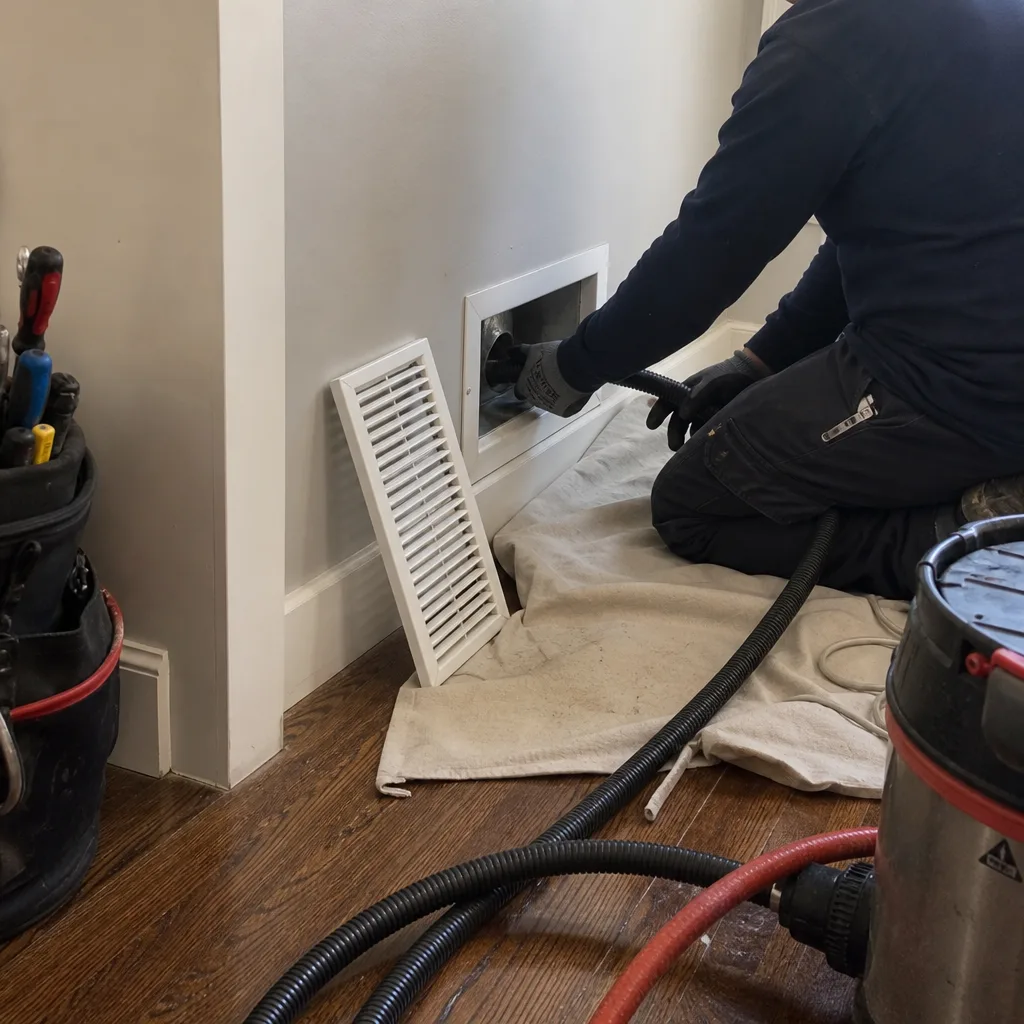
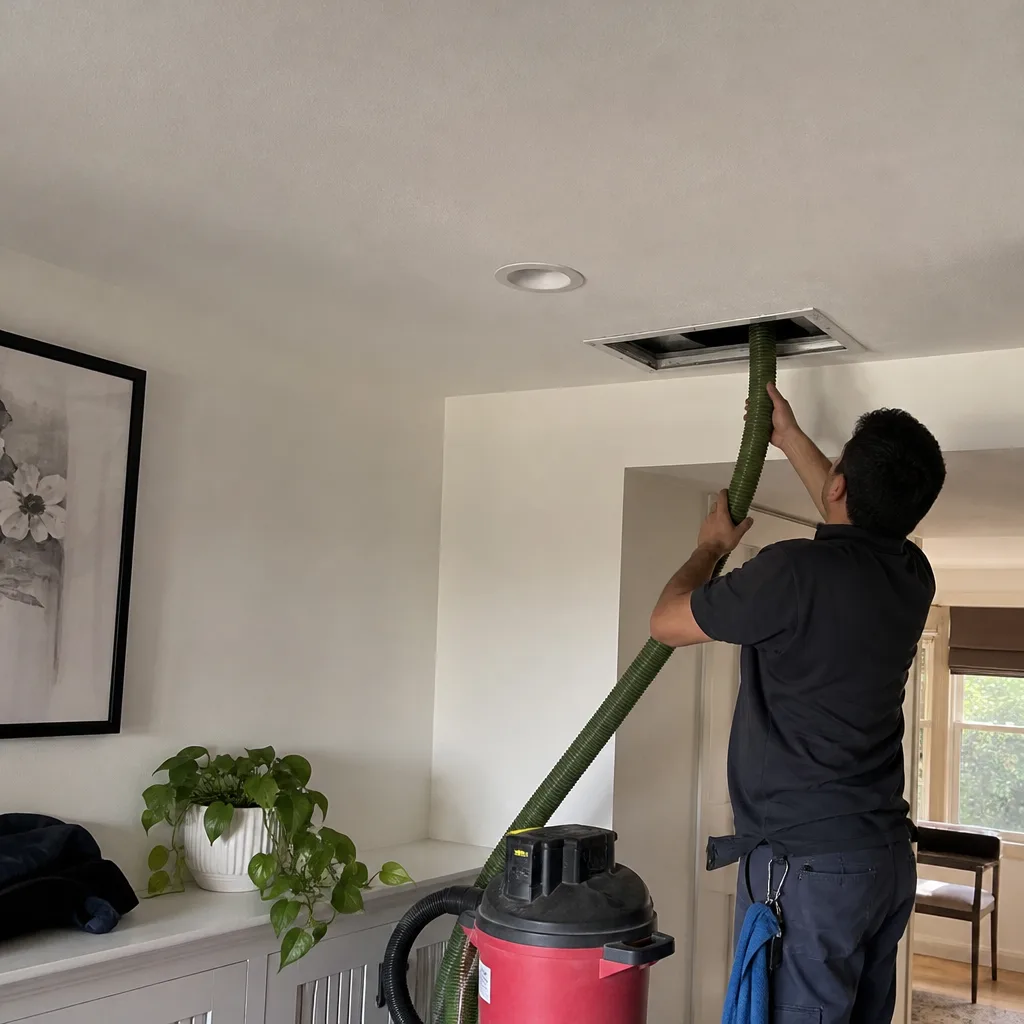
- Negative-pressure connection: A high-power vacuum unit, such as a Rotobrush or Nikro model, is connected to the main trunk line. This creates negative pressure, meaning air is being pulled out of the duct system rather than blown through it.
- Agitation: While the vacuum runs, mechanical agitation tools (air whips, rotary brushes, or compressed-air devices) are inserted through the access points and registers. These tools physically dislodge dust, hair, and debris from the duct walls so the vacuum can extract them.
- Register cleaning: Supply registers and return grilles are removed, cleaned by hand, and reinstalled. This is tedious work, but it’s part of a complete job.
- Sanitizing (if applicable): If documented microbial growth or odors exist, an EPA-registered sanitizer from a manufacturer like Honeywell or Aprilaire is applied to the cleaned duct surfaces. This is a treatment, not a substitute for mechanical cleaning.
- Post-service verification: The technician runs a camera scope through the cleaned ducts and documents the results. You should see before-and-after images of your own ducts, not stock photos.
The entire process for a typical San Francisco home takes 45 to 90 minutes of active cleaning, with total visit time of 2 to 3 hours including setup and verification. If a contractor quotes you a 20-minute job, they’re not doing negative-pressure extraction.
Common Mistakes to Avoid
- Choosing the cheapest quote without checking scope: A $99 duct cleaning in San Francisco is cleaning something, but it’s unlikely to be your duct system. Compare line-item scopes, not just bottom-line prices. The cheap quote and the expensive quote are usually describing different jobs.
- Ignoring written guarantees: If a contractor won’t put a guarantee in writing, there is no guarantee. A legitimate company specifies what’s covered, for how long, and what happens if the work fails. For repairs, ask whether the guarantee includes a free return visit if the repair doesn’t hold.
- Paying for antimicrobial fogging without documented contamination: Fogging is a legitimate treatment for specific, documented problems. It’s not a routine maintenance step. If no one showed you the problem, don’t pay for the solution.
- Not asking who’s coming to your door: You’re letting a stranger into your home. A reputable company tells you the technician’s name and sends a photo before the visit. At Linden Air Duct San Francisco, every technician operates to the Threshold Standard: background-checked, identity-verified, photo-badged, and introduced to you by name and photo before arrival. A photo ID badge is shown at the door, every time.
- Forgetting the dryer vent while you’re at it: Your dryer vent is part of your home’s air movement system, and it’s the most common fire hazard in the category. If you’re scheduling duct cleaning, adding dryer vent cleaning is efficient and genuinely protective. It’s a separate service with a separate scope.
- Not asking for before-and-after photos: Post-service verification with camera scope images should be standard. If a contractor can’t show you what your ducts looked like before and after, you have no way to confirm the work was done. Ask for photos of your own ducts.
When to Call a Professional
Duct cleaning is a scheduled maintenance service, not an emergency, but there are specific moments when it moves from “someday” to “now.” If you’ve recently completed a renovation in a San Francisco home (where drywall dust finds its way into every crevice), if you’ve noticed visible dust on your registers despite regular cleaning, if your allergies are worse in your home than out of it, or if your ducts haven’t been cleaned in five or more years, it’s time to schedule an assessment. If you’ve had a pest issue, water intrusion, or can see debris in the duct when you shine a flashlight through a register, call sooner rather than later. For a deeper look at keeping your system in shape, see our Air Duct Cleaning Maintenance Checklist for San Francisco Homeowners. Linden Air Duct San Francisco offers free estimates in San Francisco. Call (951) 527-6259 for a written quote before any work begins.
Frequently Asked Questions
In San Francisco, a legitimate whole-system air duct cleaning costs between $450 and $850 for a typical single-family home, and $850 to $1,400 for larger homes or multi-unit buildings. Quotes below $300 usually reflect a partial job or a bait-and-switch starting point. The key is a written estimate with a flat price for the entire system before work begins, not a per-vent rate that changes once the technician arrives. Call (951) 527-6259 for a free estimate with a written, flat price.
Cheap quotes typically reflect a smaller scope: fewer ducts cleaned, no trunk line work, no register removal, no negative-pressure extraction, and no post-service verification. A $99 quote in San Francisco is almost always a vent surface wipe, not a duct cleaning. The expensive quote and the cheap quote are usually describing two different jobs entirely, and only one leaves your ducts actually clean.
Ask for before-and-after camera scope images of your own ducts. A reputable contractor documents the interior of the duct runs after cleaning and shows you the results. If before-and-after photos are not offered, ask why. This is the only way to verify the work without climbing into your own crawl space, and it should be standard on any legitimate job.
A general guideline is every 3 to 5 years for most San Francisco homes, but the real answer depends on your household. Homes with pets, smokers, recent renovations, or visible dust accumulation may benefit from every 2 to 3 years. Homes with clean filters, minimal debris, and no allergy issues can go longer. The honest answer is that there’s no universal schedule, and a reputable contractor will tell you whether your ducts actually need cleaning based on inspection, not on a calendar.
Antimicrobial fogging is legitimate when there’s documented microbial growth or a persistent odor source in the duct system. Applied without documented contamination, it’s an expensive spray that masks rather than solves. If a contractor recommends it, ask to see the documented problem. If they can’t show you one, decline the add-on.
A legitimate estimate includes: one flat price for the entire system, a specific list of what’s cleaned (supply runs, return runs, trunk line, registers), the equipment used, the number of access points, and the guarantee terms in writing. It should not include per-vent rates, “starting at” language, or vague exclusions for “unforeseen conditions” without a clear definition. For details on local requirements, see our guide to Air Duct Cleaning Permits, Codes & Inspections in CA: What You Need to Know. At Linden Air Duct San Francisco, the written price is the price you pay, every time.
The Bottom Line
Air duct cleaning in San Francisco costs between $450 and $1,400 depending on your home’s size and configuration, and that’s the honest range for a real job. For more guides & resources, explore our blog. The difference between quotes is scope, not quality of equipment or brand of vacuum. Get a written estimate with one flat price for the whole system. Ask for before-and-after photos of your own ducts. Check that the guarantee is written, specific, and includes a return visit if the work doesn’t hold. And know who’s coming to your door before they arrive. A reputable company tells you the technician’s name, sends a photo, and shows a badge at the door. That’s the standard, and it should be the floor, not the ceiling.
Written by Marcus Veale, Owner at Linden Air Duct San Francisco, serving San Francisco since 2004.
See the difference
 Before
 After
After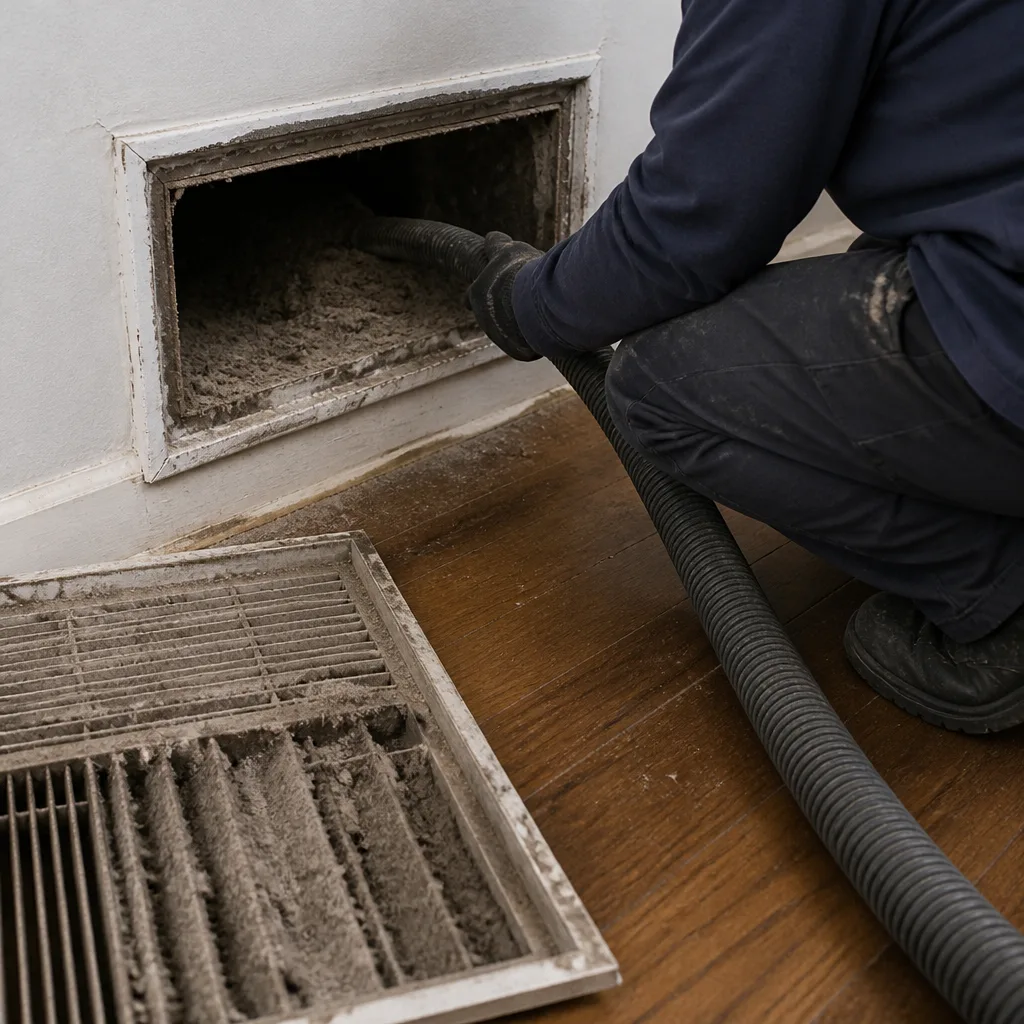 Before
 After
After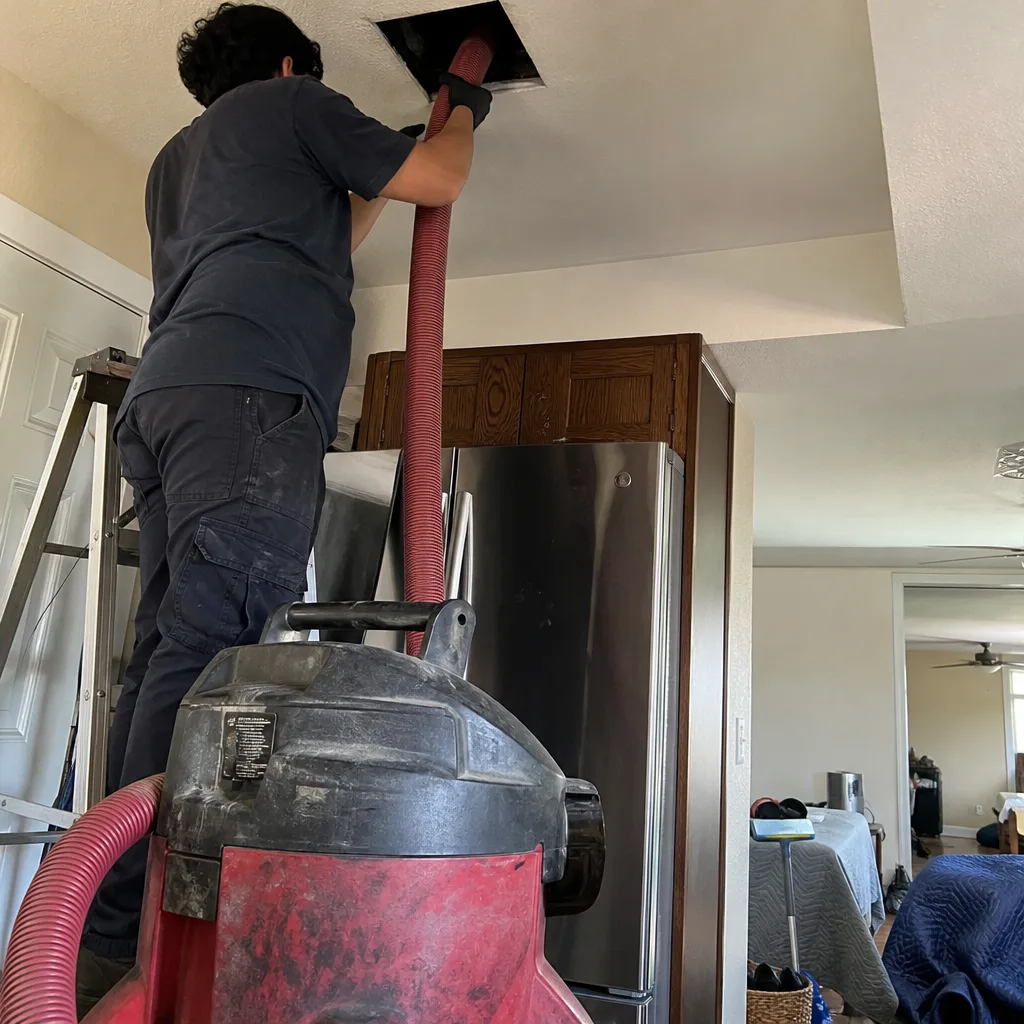 Before
 After
After