
Last updated October 15, 2026
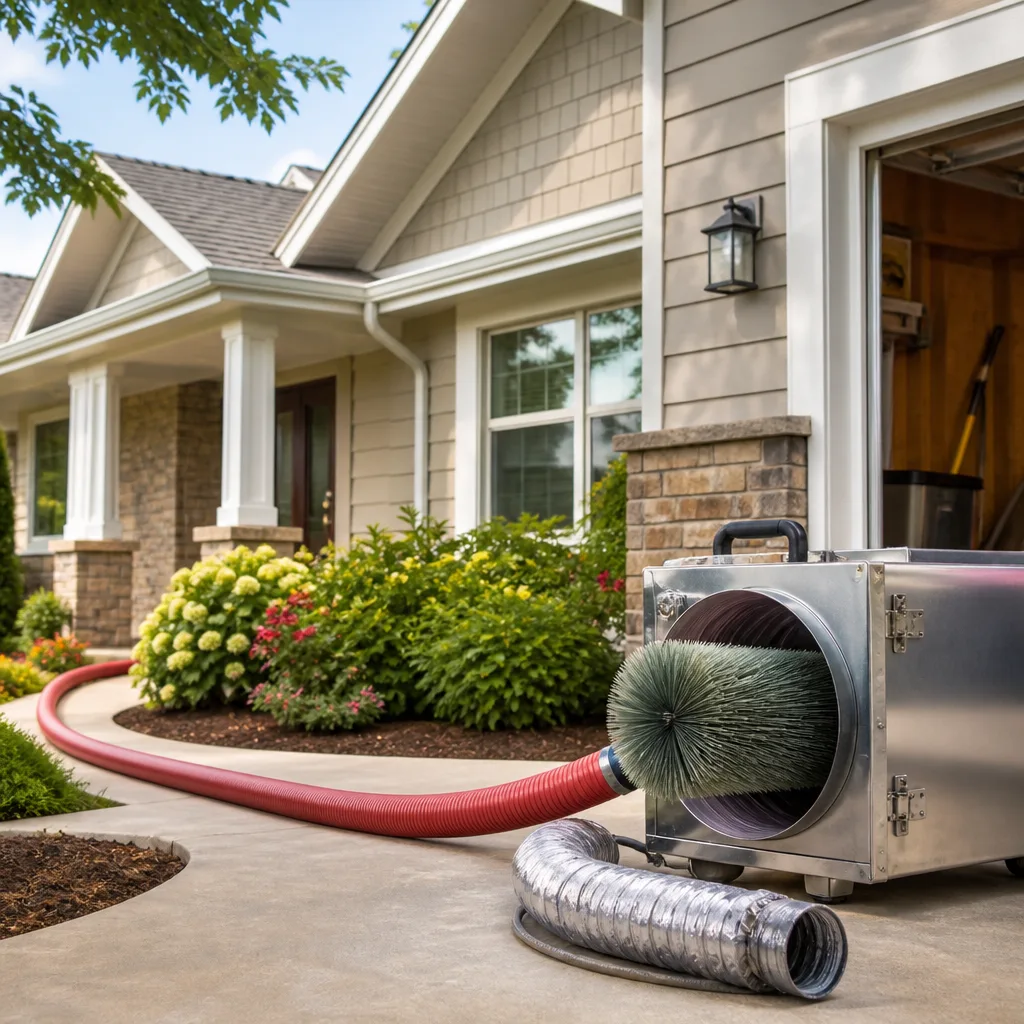 Whole-home duct cleaning
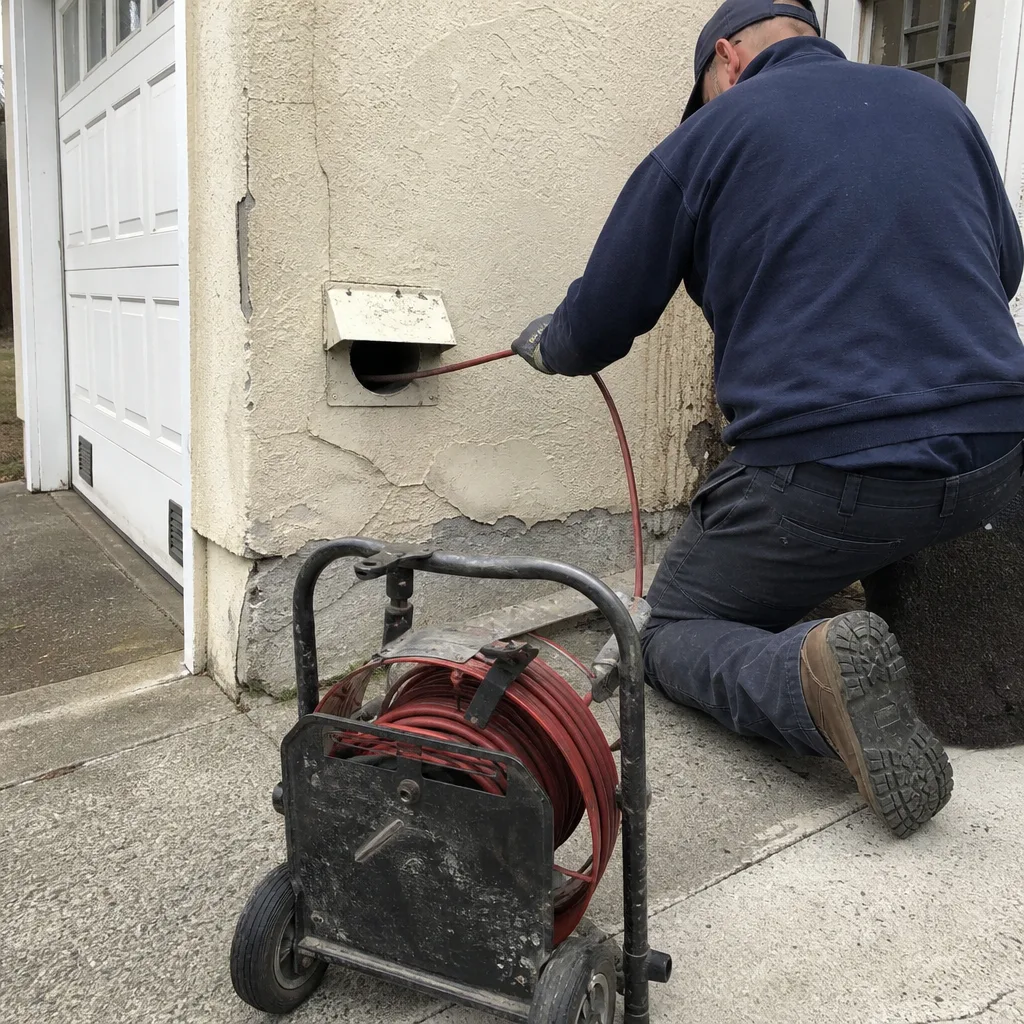
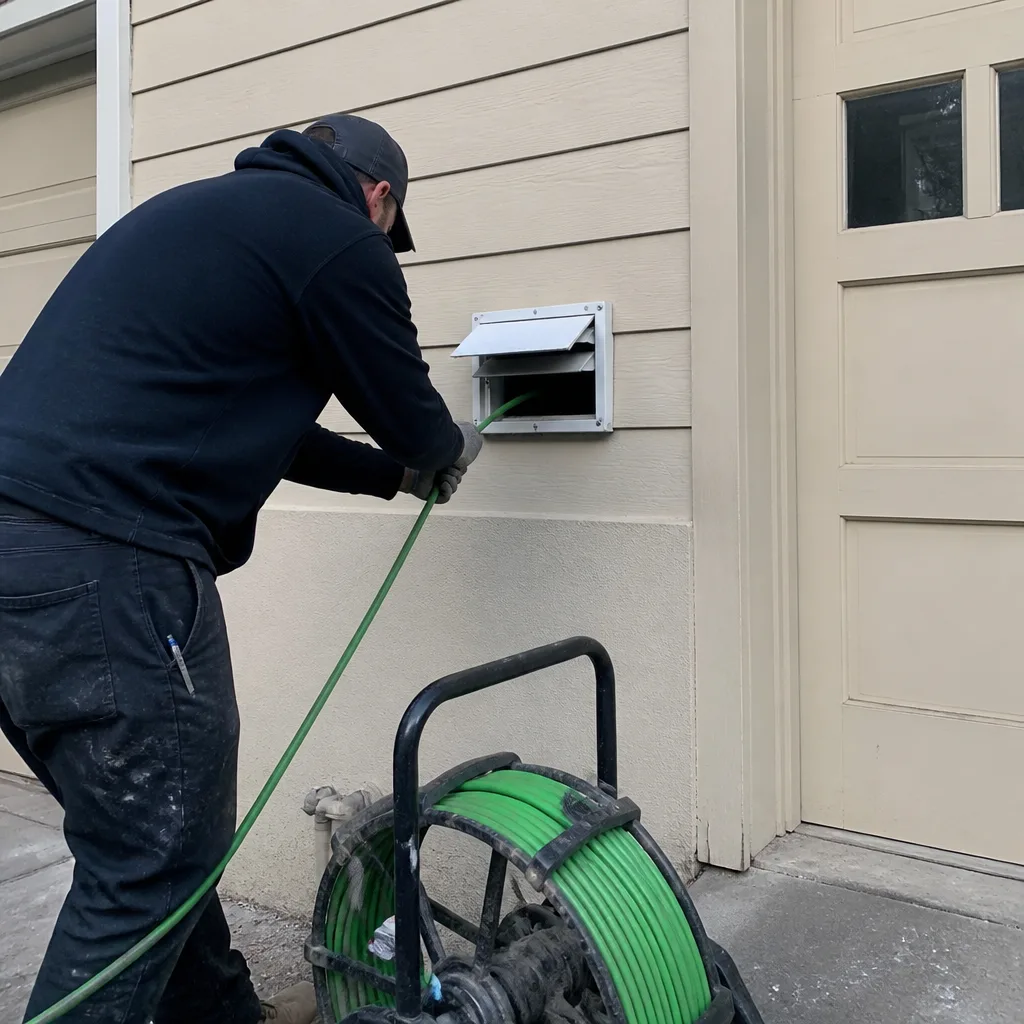
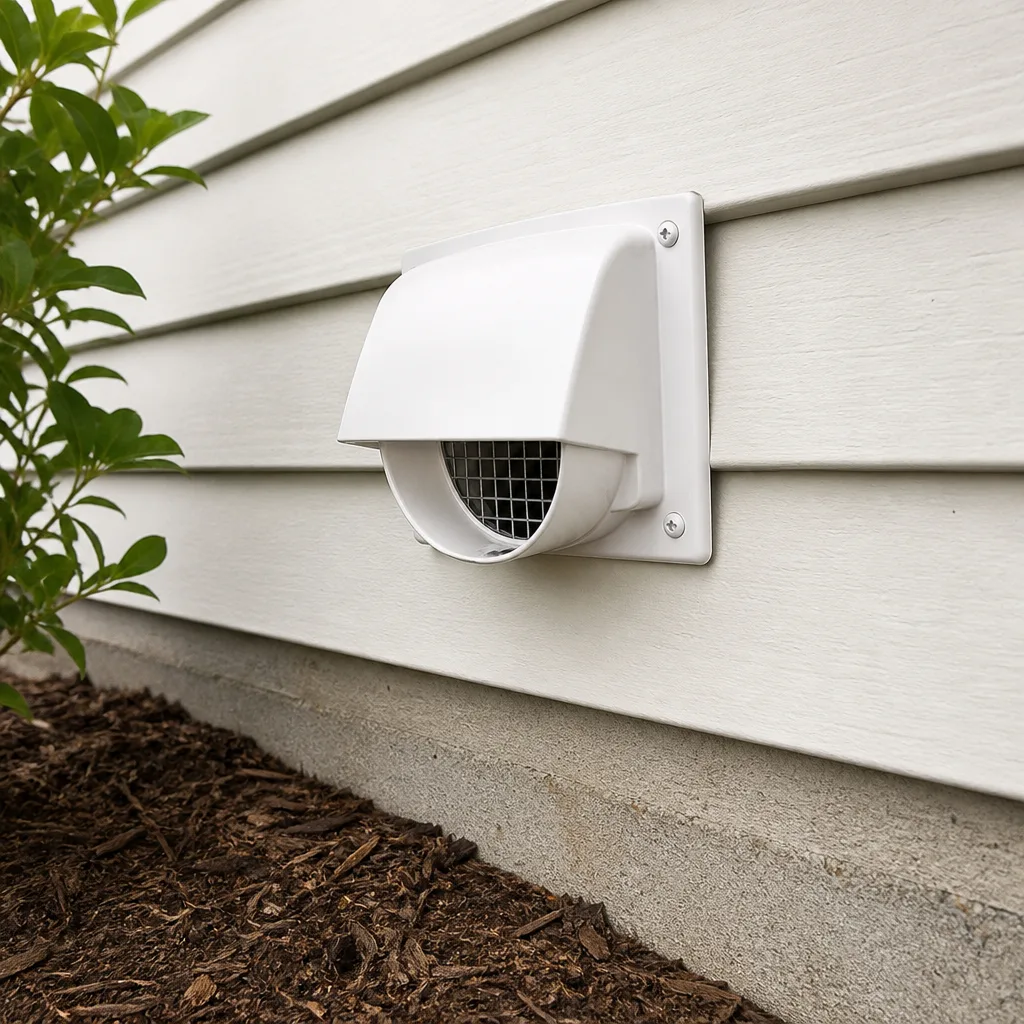 Dryer vent cleaning
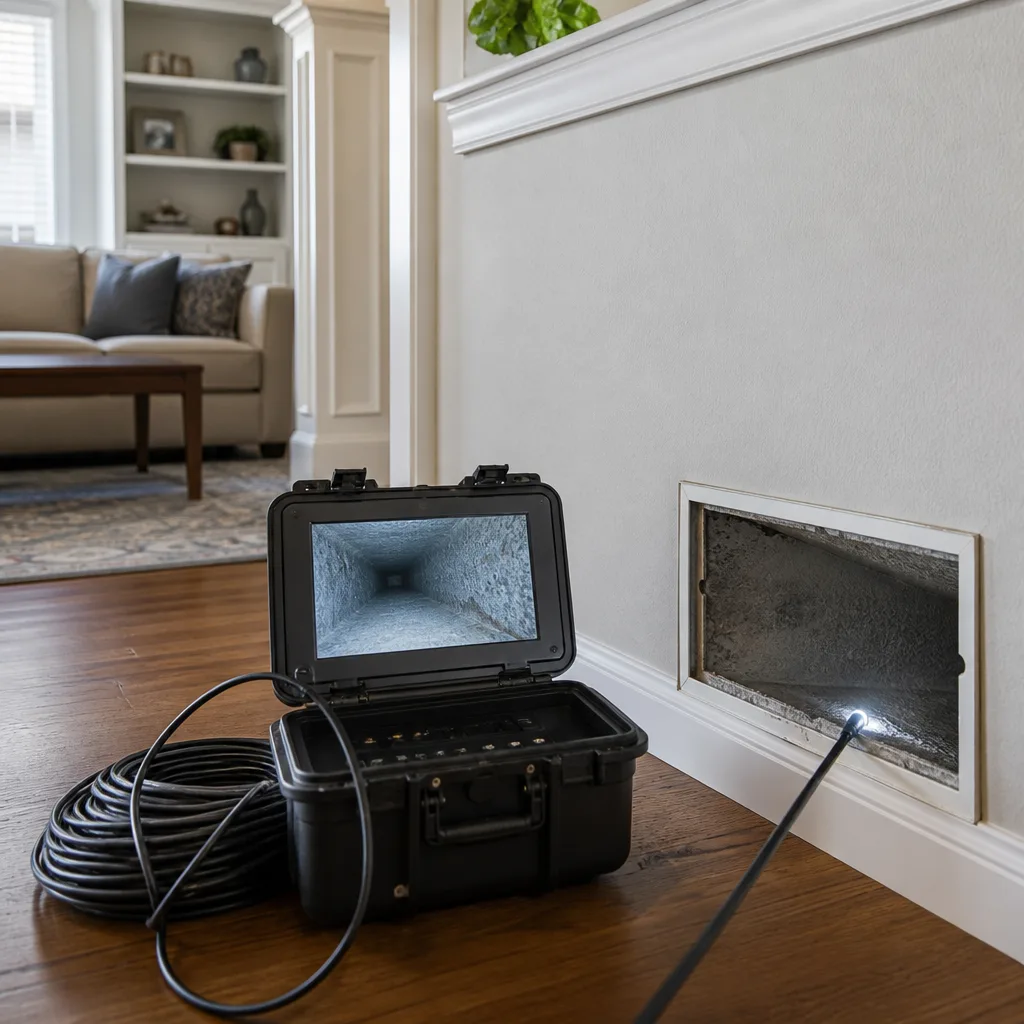 Camera inspection
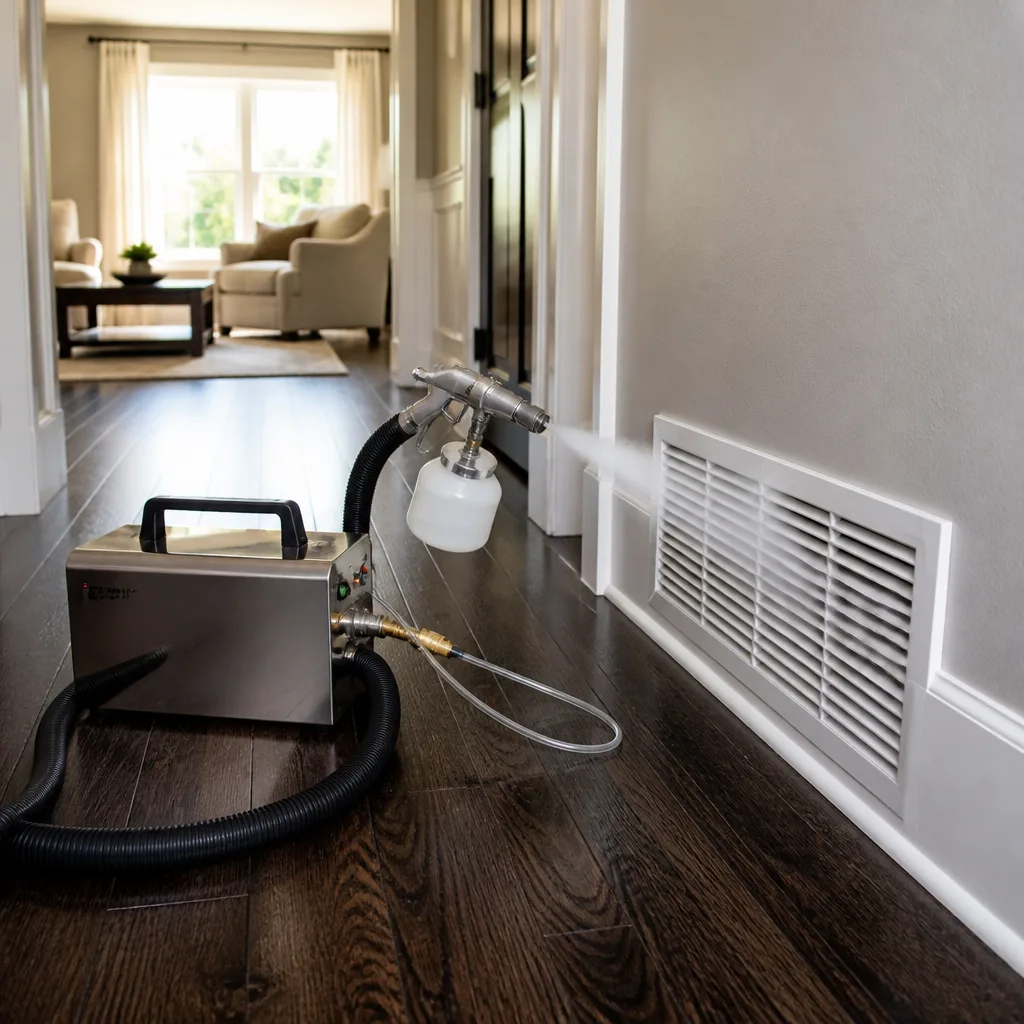 Sanitizing & deodorizing
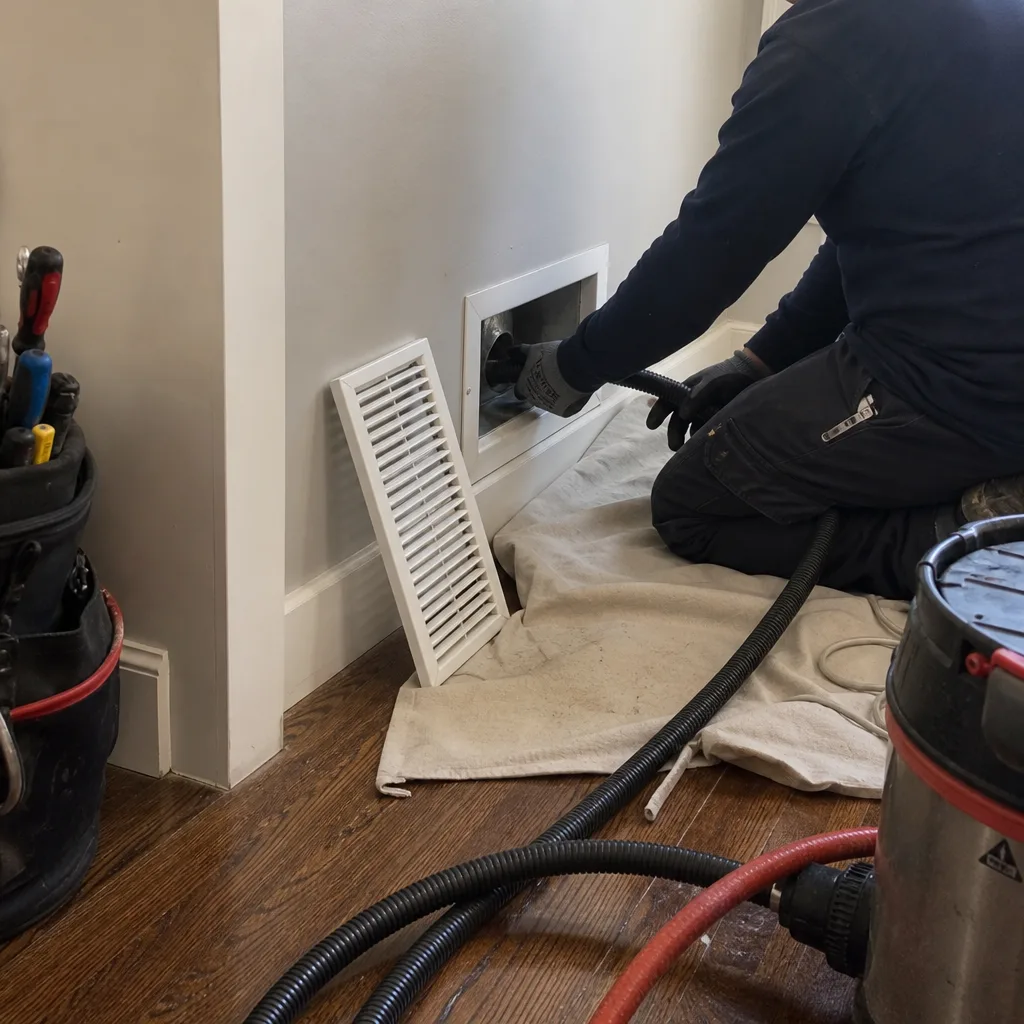
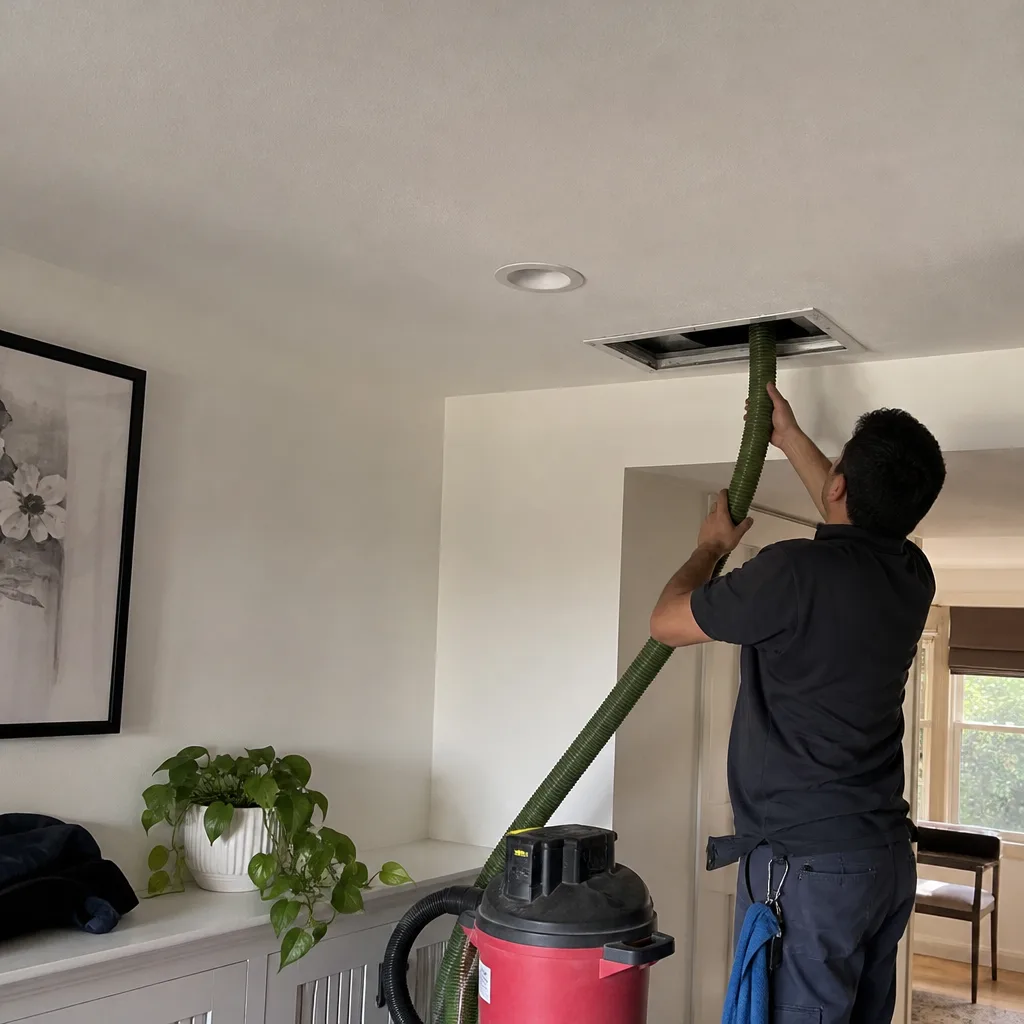
Whole-system duct and dryer vent check with before-and-after photos - you see exactly what came out of your vents
That "$99 whole-house special" is a bait ad - the real number appears once they are in your hallway, or the "clean" is a shop-vac at the register. We photograph the inside of your ducts before and after instead.
Air Duct Cleaning Warning Signs: A San Francisco Homeowner’s Reference Guide
Here’s something most duct cleaning guides won’t tell you: the average San Francisco home shares its air with roughly 40 pounds of dust, dander, and particulate matter every year, and most of what settles inside ductwork is invisible from the register. The problem isn’t that warning signs don’t exist. It’s that most guides list symptoms so vague they describe every home in the Bay Area. This reference guide is different. We’ll walk you through what a real warning sign looks like in San Francisco homes specifically, how to tell normal dust from a genuine problem, and how to avoid paying for a problem you don’t actually have.
Quick Answer
The warning signs that actually justify air duct cleaning in San Francisco are visible mold growth on or inside duct surfaces, rodent or insect activity in the ductwork, a persistent smell that you can trace to the supply registers using a simple smell-source test, and dust that returns within 48 hours of a full cleaning. Normal gray dust at the register is not, by itself, a warning sign. If you’re seeing any of the first four signals, call a professional for an inspection and a written quote before any work begins.
Key Takeaways
- Normal dust accumulation at vents is universal and not a reason to clean ducts.
- Visible mold, pest activity, and persistent register odors are the three signals that warrant action.
- San Francisco’s specific housing stock, from 1906 Edwardians to 1970s Sunset District boxes, creates three distinct duct warning patterns.
- You can document what you observe with a phone camera and a four-question checklist, then hand that evidence to any contractor and get a defensible scope of work.
- A legitimate San Francisco duct cleaning company will give you a written price before work begins. If they won’t, that’s your warning sign.
Styles & brands we work with
Table of Contents
- Why the Dust at Your Register Isn’t the Warning Sign You Think It Is
- The Smell-Source Test: How to Trace an Odor Before You Call Anyone
- What Mold in San Francisco Ductwork Actually Looks Like
- Pest Activity in Ducts: Evidence You Can Spot From Inside the House
- San Francisco Housing and Duct Warning Patterns: What Your Building’s Age Tells You
- Health Symptoms and Duct Contamination: Separating Signal From Noise
- How to Document What You See and Get an Honest Scope of Work
- Common Mistakes to Avoid
- When to Call a Professional
- Frequently Asked Questions
Why the Dust at Your Register Isn’t the Warning Sign You Think It Is
Walk up to any vent in any home in San Francisco and you will find dust. Every home, in every neighborhood, from Sea Cliff to the Excelsior. That’s because your HVAC system pulls air from inside your home, filters some of it, and returns the rest through ductwork that has been collecting fine particulate since the day it was installed. Gray, fluffy dust at the register is the HVAC equivalent of finding lint in a dryer screen. It is not a failure. It is the system working.
What changes the picture is the rate of return and the character of the dust. Here’s how to tell the difference:
- Wipe the register face and the visible duct opening with a white paper towel. Plain gray or tan dust that smears and doesn’t leave a stain is normal household particulate.
- Clean the register thoroughly, then check it again in 7 days. If you see the same amount of dust, that’s normal for a San Francisco home, especially older ones with less efficient filtration.
- Check again at 14 days. If the dust volume at 14 days is visibly heavier than at 7 days, and you haven’t done major renovations or opened windows during a smoke event, that’s worth investigating.
- Check the character of the dust. Black or greasy residue, particles that look like coffee grounds, or dust that appears to be moving (which usually means mites or insect frass) are not normal register dust. Those are signals to document and investigate.
Here’s the San Francisco angle most national guides miss: our city’s combination of marine air, older housing stock, and cool summers means many homes run their furnace blower year-round for air circulation without ever opening windows. That constant recirculation concentrates whatever is in the ductwork and deposits it at the registers faster than in most climates. So a San Francisco home with visibly dusty registers two days after cleaning is more common than in, say, Las Vegas. The relevant question isn’t “is there dust?” It’s “what kind, and how fast does it return?”
If you want a professional assessment of whether your dust pattern is normal, our Air Duct Cleaning in San Francisco service starts with an inspection, not a sales pitch. We tell you what we see, whether it needs attention, and what it will cost in writing before any work begins.
The Smell-Source Test: How to Trace an Odor Before You Call Anyone
Odors are the most commonly misdiagnosed warning sign in the duct cleaning industry. A musty smell in a San Francisco home could come from the ducts, the HVAC unit itself, the crawlspace, a wall cavity with a slow leak, or even the wool rug that got damp during a foggy week. Before anyone opens a grille, you can narrow the source yourself with a simple sequence. This matters because it determines who you call, and whether duct cleaning is even the right fix.
The smell-source test, step by step:
- Turn the HVAC system off completely. Fan off, heat off, cooling off. Leave it off for 20 minutes.
- Smell each supply register directly. Put your nose within 6 inches of each register in the house. Do this slowly, room by room.
- Turn the fan to “On” without heating or cooling. Wait 2 minutes, then smell the same registers again.
- Compare what changed. If the smell appears or intensifies only when the fan runs, the source is inside the ductwork or the air handler unit. If the smell is the same with the fan off and on, the source is somewhere in the room or the building envelope, not the ducts.
If the smell intensifies with the fan, run one more check: listen and smell at the air handler itself, which in most San Francisco homes is in a closet, garage, or basement. If you smell the odor strongly at the unit, the problem may be the evaporator coil, a clogged condensate pan, or biological growth inside the unit rather than in the runs of ductwork. A competent technician will check both; a duct-only company may sell you a cleaning that doesn’t solve the coil issue.
One San Francisco-specific note: during the summer fog season, many homes develop a stale smell that’s actually the building itself. Older plaster walls and lath absorb moisture from the marine layer, and that smell comes through the walls, not the vents. Running the smell-source test correctly saves you from paying for a duct cleaning that won’t change the smell at all.
If your smell-source test points to the ducts, our team can inspect and clean them properly. Learn more about what’s involved on our San Francisco air duct cleaning service page.
What Mold in San Francisco Ductwork Actually Looks Like
The word “mold” sells a lot of unnecessary duct cleanings. It’s the easiest fear button in the industry, and a technician shining a flashlight through a grille and declaring “that’s mold” is often looking at ordinary dust buildup. Real mold growth in ductwork has specific visual characteristics, and you can look for them yourself.
What real mold on duct surfaces looks like:
- Color pattern: Mold grows in distinct patches with defined edges, not as an even dust film. Look for black, green, brown, or white speckling that appears in clusters or circular colonies.
- Texture: Mold has a raised, fuzzy, or velvety surface. Dust is flat and powder-like. Run a finger over a surface you suspect. If it’s flat and comes off as a smear of gray, it’s dust. If it’s slightly raised or fuzzy, take a photo and get it tested.
- Location pattern: Mold follows moisture. In San Francisco, that means you’ll most often find it on the supply side near the air handler, in the first 10 feet of ductwork leaving a cooling coil, or at the boot where the duct meets the register in bathrooms and kitchens.
And a key distinction specific to our climate: not all discoloration is mold. San Francisco’s fog and marine air can cause oxidation on older bare-metal ducts, which produces gray mottling that looks alarming but is simply rust, not microbial growth. Fiberglass-lined ducts, common in buildings from the 1960s through the 1980s, can darken from years of dust adhesion without any mold present. Treatment of that darkening is a cleaning question, not a mold remediation emergency.
If you do see what appears to be true mold growth, the responsible next step is testing, not panic. An accredited lab can analyze a tape sample and tell you what you’re dealing with. If it’s confirmed biological growth, the fix is more involved than a standard cleaning: the source moisture must be identified and solved first, or the mold will return. Any company that offers to “clean away mold” without addressing moisture is selling you a temporary patch, not a repair.
Pest Activity in Ducts: Evidence You Can Spot From Inside the House
San Francisco’s older housing stock has a persistent relationship with rodents. The city consistently ranks among the top metropolitan areas for rat sightings, and those rats don’t stay in the walls. They travel through ductwork, and they leave evidence a homeowner can spot without opening a single panel. Here is the distinction that matters: rodents in ducts leave continuous, shaped debris trails, while insect activity leaves scattered, uniform frass. Knowing which you’re seeing tells you the scope of the problem before you make a call.
Rodent evidence in ducts:
- Droppings along registers: If you see small, dark, rice-shaped pellets around the base of a register or inside the visible boot, that’s rodent activity in the ductwork. Rat droppings are roughly 1/2 to 3/4 inch; mouse droppings are smaller and pointed.
- Greasy rub marks: Rodents leave dark, oily smudges along the same paths they travel. At register openings, these marks appear as dark edges along the vent lip.
- Noise in the ducts between cycles: Scratching or scampering sounds that continue when the system is off are not expansion noises. They’re an animal.
- Chewed flex duct: In crawlspaces under San Francisco homes, gray flex duct is vulnerable to rodent chewing. If you can access your crawlspace, look for torn outer jackets, exposed insulation, or chew marks along the duct runs.
Insect evidence in ducts:
- Uniform frass accumulation: Insect frass looks like very fine sand or pepper, uniformly distributed rather than shaped into pellets. Carpenter ant frass often includes tiny wood shavings.
- Wing fragments: Termite or ant swarm wings near the registers, especially in spring, indicate a colony nearby and possibly in the duct runs.
- Webbing in the boot: Spider webs inside a visible register opening can indicate a steady flow of insects moving through that section of duct.
If you find rodent evidence, the order of work matters: pest exclusion comes first, duct cleaning comes second, and you may also need Air Duct Repair in San Francisco if the pests have torn flex runs or nested in insulation. Cleaning before exclusion just means the animals return to a fresh space. Any competent San Francisco contractor will tell you the same.
San Francisco Housing and Duct Warning Patterns: What Your Building’s Age Tells You
San Francisco’s housing stock spans more than a century, and duct warning signs vary dramatically by era. What’s normal in a 1906 Edwardian is suspicious in a 1990s Outer Sunset build-up. Here’s what to look for by building age, because the duct material alone tells you which warning signs matter.
Pre-1940 housing (Victorians, Edwardians, and the oldest Bayview stock):
- Duct material: Many of these homes were originally heated with radiators or gravity furnaces, and ductwork was added piecemeal over decades. You may find a patchwork of bare sheet metal, old galvanized pipe, and newer flex sections all in one system.
- What to watch for: The oldest sections of galvanized duct are the most likely to have rust-through, which you’ll see as small holes and rust flakes at the seams. Rust through a duct pulls air from the crawlspace or wall cavity, not from inside the house, and can introduce fiberglass particles, pest debris, and musty air into your supply stream.
- Asbestos consideration: Some pre-1980s San Francisco homes have ducts wrapped in asbestos insulation, which looks like white, chalky, or gray paper mache around the duct exterior, especially at elbows and joints. If you see it, do not touch or disturb it. The material is safe until it’s damaged, and a proper inspection requires specific expertise. This is not a duct cleaning question.
1950s through 1970s housing (Sunset, Parkside, Miraloma Park, and the southern hills):
- Duct material: This era leans on fiberglass-lined sheet metal duct, which has a fibrous interior surface that captures and holds dust more readily than bare metal. The liner also breaks down over time and can shed fiberglass particles into the air stream.
- What to watch for: If you see fine, glass-like particles accumulating at registers, that may be degrading liner, not ordinary household dust. A flashlight through a register showing a dark, matted, or deteriorated interior surface is worth an inspection. The smell-source test matters here: a fiberglass-lined duct with a musty smell often does need cleaning, but you want someone who knows how to clean lined ducts without damaging them.
1980s through present (Mission Bay, newer Potrero Hill builds, and post-quake infill):
- Duct material: Predominantly flex duct with a plastic outer jacket. These systems are clean and efficient when installed well, but flex duct is the most fragile material in San Francisco’s housing stock.
- What to watch for: Sagging runs in attics or crawlspaces, compressed bends greater than 90 degrees, and torn jackets. A flex duct that sags collects condensation, and condensation grows biological material faster than any other duct situation in our climate. If you can see your crawlspace, check that flex runs are supported every 4 feet and that all joints are sealed.
One more San Francisco-wide note: the city’s building code requires that replaced ductwork meet current Title 24 energy standards, which means sealed and insulated to specific R-values. If you’re seeing exposed, uninsulated duct in a crawlspace, you’re also losing conditioned air. A good inspection will flag both the cleaning need and the efficiency issue.
Health Symptoms and Duct Contamination: Separating Signal From Noise
Health symptom lists are a standard tool in duct cleaning marketing, and most of them are worse than useless. “Headaches, fatigue, sneezing, and sinus congestion” describes allergies, the common cold, poor sleep, and the aftermath of a Warriors game. Duct contamination can affect health, but the symptom pattern is specific, and understanding that pattern protects you from chasing the wrong fix.
What duct contamination actually correlates with:
- Symptoms that are consistent across the entire home, not specific to one room. If everyone in the house feels the same way regardless of where they sleep or spend time, the variable that’s common to all rooms is the air being circulated.
- Symptoms that follow the HVAC schedule. If headaches, throat irritation, or sneezing tend to cluster when the furnace kicks on or when the circulation fan runs, that’s a temporal signal tied to the system, not a general IAQ issue.
- An ongoing, low-grade pattern that doesn’t resolve with typical allergy treatment. If a doctor has ruled out the usual suspects and the symptoms continue, indoor air quality is a reasonable next line of investigation.
What duct contamination does NOT typically correlate with:
- Sudden, severe onset of symptoms. Duct problems develop over time and produce gradual, low-grade effects. A sudden, dramatic reaction points to a single source event: a spill, a water leak, a new pet, a specific cosmetic or cleaning product.
- Symptoms confined to one room. If one bedroom is a problem and the rest of the house is fine, look at that room’s contents first: the mattress, the carpet, the window seals, the water-affected wall. Not the shared duct system.
- Seasonal or weather-dependent symptoms. San Francisco’s dry summers and damp winters mean many residents have both pollen and mold allergies that track the calendar. If your symptoms follow the seasons, they’re following pollen counts, not your ductwork.
If the health pattern does point toward your ducts, the correct sequence is to inspect first for the physical evidence described elsewhere in this guide, then clean if warranted. A company that leaps from “symptoms” directly to “cleaning” without connecting the two is guessing. We don’t guess. Our San Francisco duct cleaning service begins with a physical inspection and a written quote you can review before deciding.
How to Document What You See and Get an Honest Scope of Work
When you call a duct cleaning company in San Francisco, you’re not asking for a generic service. You’re asking for a specific scope of work based on your specific house. The more precise you are, the harder it is for an unscrupulous operator to pad the job. Here’s a documentation method that takes 15 minutes and gives you a defensible position with any contractor.
- Photograph every register and visible duct opening. Use your phone’s flash. Get the grille face, then remove the grille if you can and photograph the visible boot interior. Do this for every room.
- Record the smell-source test results. Write down which registers smell, when the fan is on versus off, and how the smell changes.
- Note the dust character at each register. Gray and fluffy? Black and greasy? Grainy or pellet-like? Write it down. These details are what separate a real finding from a generic complaint.
- Create a four-question summary before you call. These four answers should shape the conversation with any contractor, and if the contractor doesn’t ask about these things, that’s a signal in itself.
The four questions every San Francisco homeowner should be able to answer before calling a duct cleaner:
- Where exactly are the registers that concern you, by room?
- What does the dust or discoloration look like? (Gray and fluffy, black and greasy, speckled, furry, pellet-like.)
- Does the smell change when the fan runs? (Yes or no.)
- How old is the house, and what is the visible duct material? (Bare metal, fiberglass-lined, flex.)
Hand this information over on the first call or during the estimate, and you’ll immediately see the difference between a contractor who is listening and one who is reading a script. A real contractor will ask follow-up questions. A scripted operator will tell you that “all ducts need cleaning at some point” and quote a per-vent price regardless of what you said.
You can also ask a direct question that filters the industry quickly: “Will you give me a written price before any work starts?” If the answer is anything other than yes, hang up. We put every price in writing before a single tool comes out of the truck, and we’ve done it that way since 2004. That’s the Linden Air Duct San Francisco home standard, and it’s non-negotiable.
Common Mistakes to Avoid
- Treating normal register dust as a warning sign. Gray, fluffy dust at vents is normal in every San Francisco home. If that’s your only signal, don’t call anyone. Go spend the money on a better furnace filter and check back in two weeks.
- Accepting a “mold” diagnosis from a flashlight inspection. Real mold identification requires a lab test. If a technician peers through a grille for ten seconds and announces mold, get a second opinion. The ten-second mold call is the industry’s oldest upsell, and it’s especially common in Bay Area homes where rust mottling and old liner discoloration get mislabeled.
- Cleaning ducts before sealing the pest entry point. Rodents will return to a freshly cleaned duct in the same week if the entry hole is still open. The fix order is: exclude, repair, then clean.
- Choosing a contractor based on per-vent pricing. Per-vent pricing is designed to come in low and balloon on-site when the tech “finds” more vents. A legitimate San Francisco duct cleaning quote is a whole-system price given after inspecting the home, not a unit price multiplied by a surprise.
- Ignoring the smell-source test and calling a duct cleaner first. If the smell doesn’t follow the fan, a duct cleaning won’t fix it. You’ll pay for a service that leaves you with the same smell and a lighter wallet.
- Paying for an “air duct sanitizer” add-on before verifying the actual problem. Sanitizing products have their place in specific situations, but they are sold as an upsell far more often than they’re clinically indicated. Get the inspection and the scope of work straight first, and the add-ons will sell themselves if they’re real.
- Assuming that because the HVAC system is old, the ducts are dirty. Duct condition correlates with air quality and past use, not age alone. A well-maintained 1965 system in a non-smoking home can have cleaner ducts than a 2015 system in a home with three cats and frequent floor renovation dust.
When to Call a Professional
You’ve done the smell-source test, photographed your registers, and checked the visible duct material. Now the question is whether to make the call. Here’s the decision rule we recommend to every San Francisco homeowner: call a professional when you have physical evidence you can point to. That evidence is one of four things: visible mold-like growth that meets at least two of the three criteria in this guide, pest droppings or rub marks at the registers or in the crawlspace, a smell that clearly follows the fan cycle, or dust that returns heavy and discolored within one or two weeks of a thorough cleaning. If you have one of those four, make the call.
Linden Air Duct San Francisco offers free estimates throughout San Francisco. Every estimate includes a written price before any work begins. Call (951) 527-6259 to schedule an inspection. You’ll speak to a live person, not a voicemail system, and a technician will arrive with a name and photo you received in advance, plus a photo ID badge at the door. If you also need Dryer Vent Cleaning in San Francisco, ask about it during the same visit and we’ll inspect both.
Frequently Asked Questions
In San Francisco, whole-system air duct cleaning for a standard single-family home typically ranges from $425 to $900, depending on system size, accessibility, and the level of contamination. You should receive that price in writing before the work starts. We give every customer a written, whole-system price, not a per-vent estimate that grows on the day. Call (951) 527-6259 for an exact quote for your home.
Cheaper quotes are almost always per-vent pricing, which starts low and climbs once the technician counts your actual vents and “recommends” add-ons like sanitizing or access cutting. A legitimate San Francisco duct cleaner prices the whole system after seeing it. If a quote comes in far below $400 for a whole house and the company uses per-vent language, you’re looking at a teaser, not a real price.
Ask for before-and-after photos of your own ductwork, taken with the same camera and in the same locations. We photograph the interior of the ducts before starting and after finishing, and those photos are shared with you at the end of the job. If a company cannot produce before-and-after images of your actual ducts, you have no way to verify the work.
For most San Francisco homes, once every 3 to 5 years is sufficient, and many homes go longer without needing it. The interval depends on what you observe, not on a calendar. If you run the dust-return check in this guide and registers stay clean, you don’t need a cleaning. If dust returns heavy and discolored within two weeks, you do.
Duct contamination can contribute to allergy symptoms if the ducts are circulating allergens like mold spores, pest droppings, or accumulated fine particulate. The reliable signs are symptoms that are consistent across the whole house and that follow the HVAC fan cycle, not symptoms confined to one room or one season. Confirm the physical evidence first, then clean if it points that way.
Duct cleaning addresses the HVAC system’s supply and return runs throughout the home. Dryer vent cleaning clears the single exhaust line that runs from your clothes dryer to the exterior vent, which is a fire-safety maintenance item with a shorter recommended interval. We offer both as separate services, and a technician can assess both during one visit. Call (951) 527-6259 to ask about either.
The Bottom Line
A real air duct warning sign in San Francisco is specific, observable, and tied to a failure mode: mold growth that follows moisture, pest activity that leaves droppings and rub marks, a smell that follows the fan, or dust that returns fast and discolored. Normal gray dust at registers is not a warning sign. Neither is a stale smell that’s actually your plaster walls holding fog moisture. Document what you see with photos and the four questions in this guide, then work with a contractor who writes the price down before starting and shows you the evidence when they’re done. That’s how you protect your home, your health, and your money in a market where duct cleaning pitches are designed to blur exactly those lines.
Written by Marcus Veale, Owner at Linden Air Duct San Francisco, serving San Francisco since 2004.
See the difference
 Before
 After
After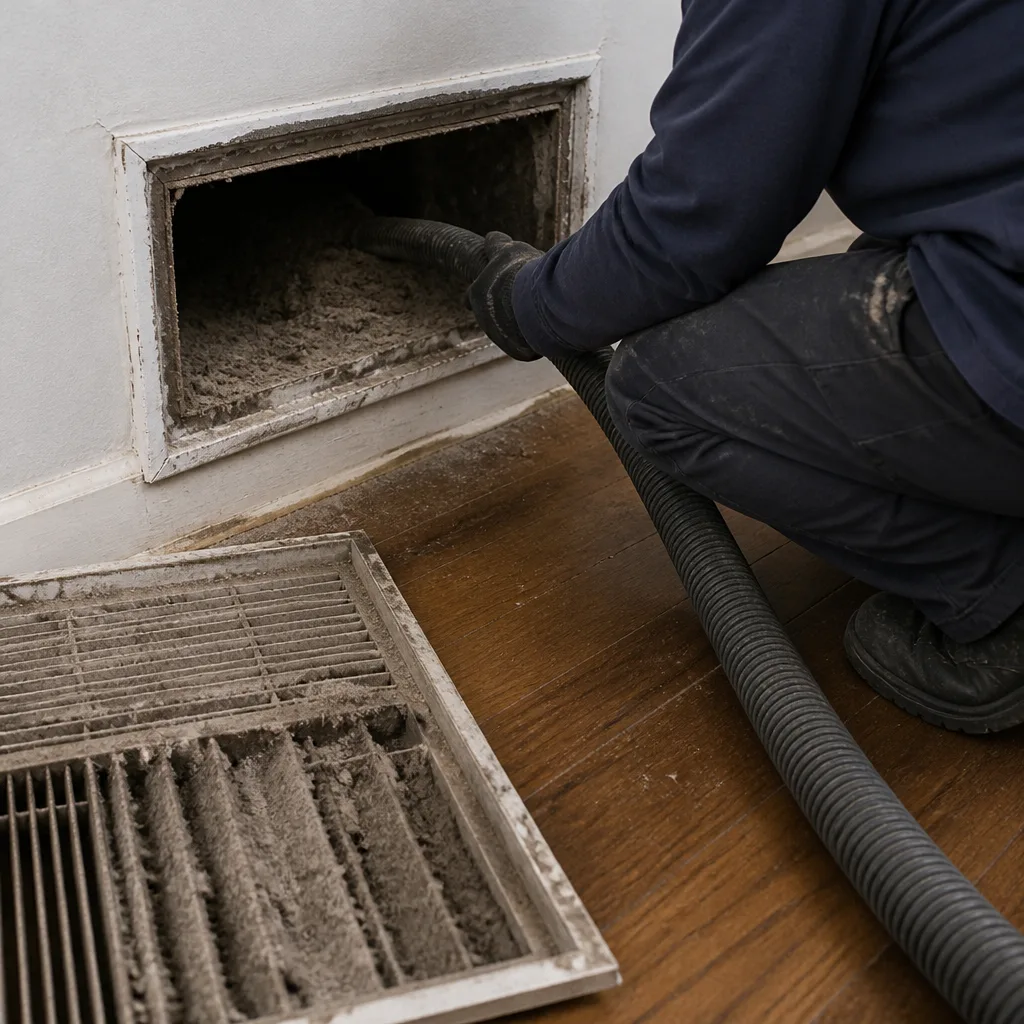 Before
 After
After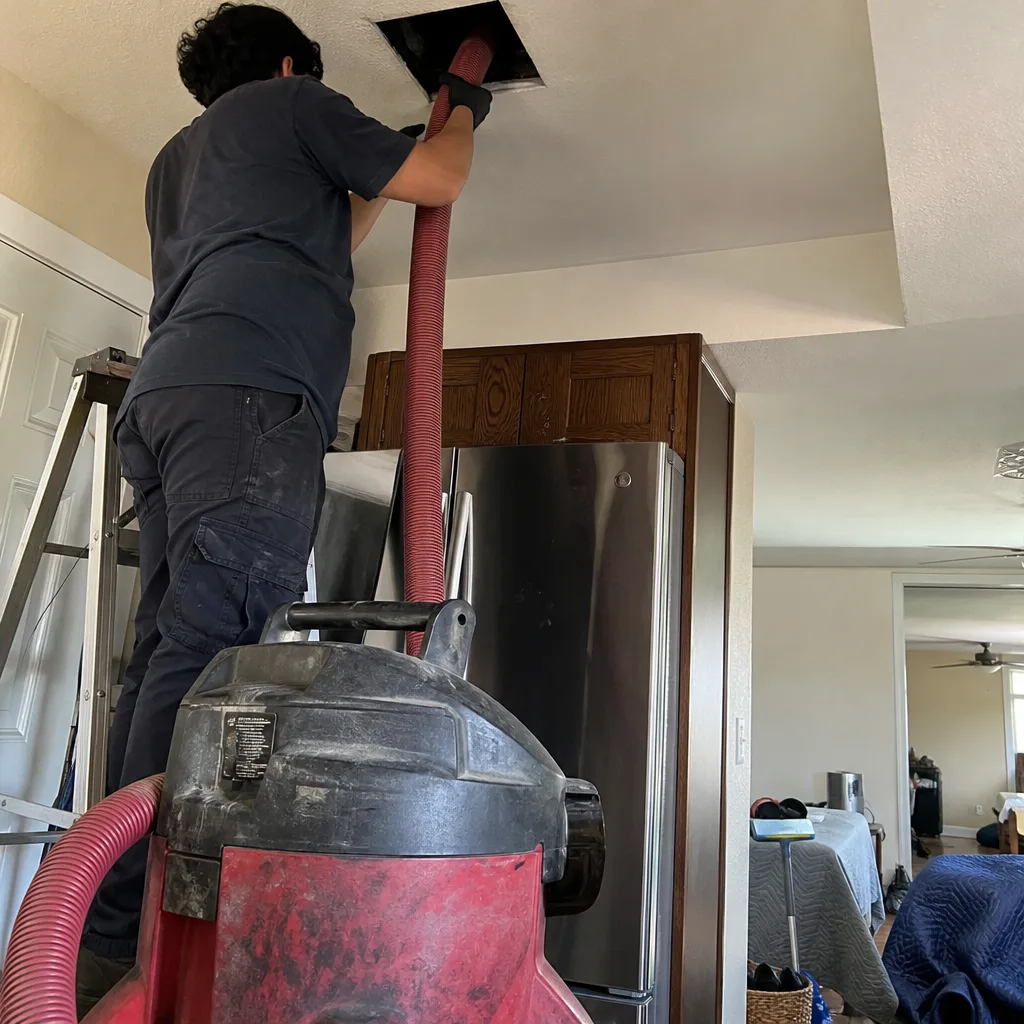 Before
 After
After