
Last updated October 15, 2026
 Whole-home duct cleaning
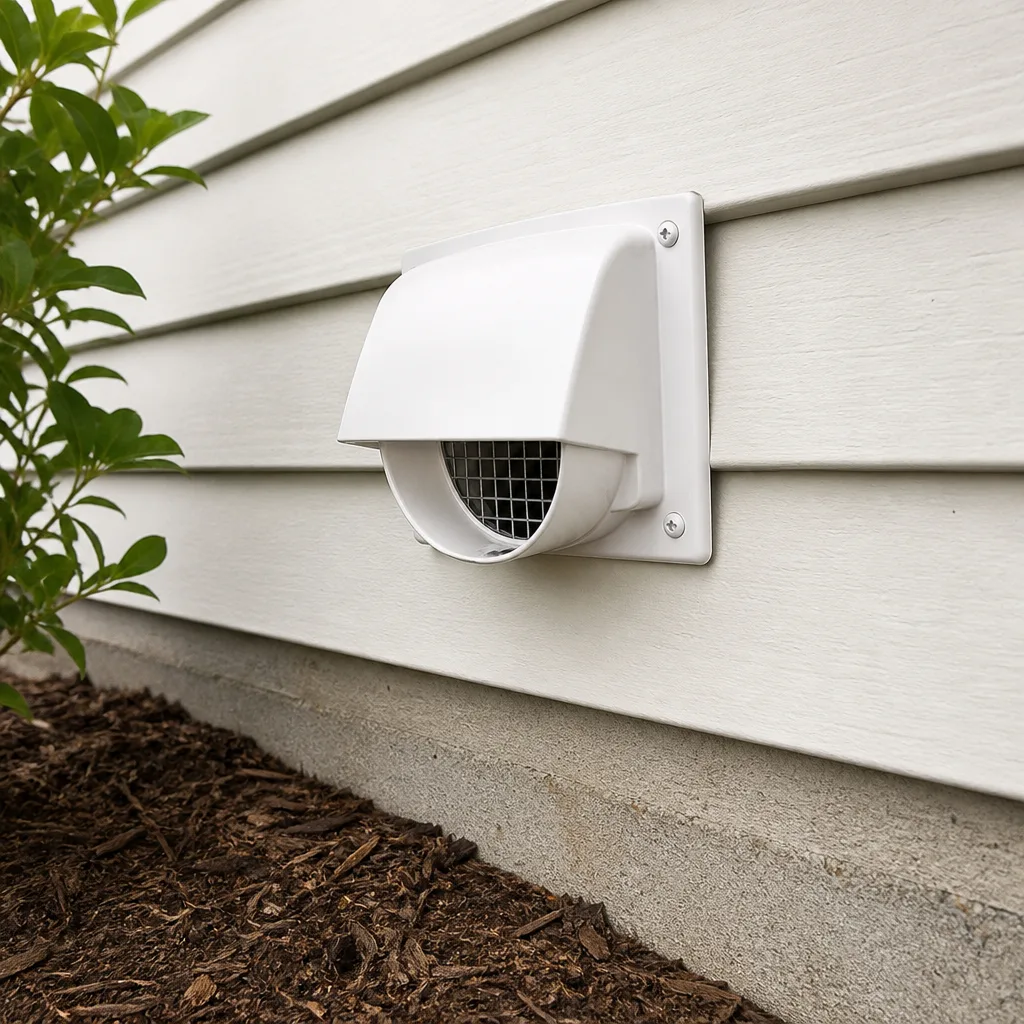 Dryer vent cleaning
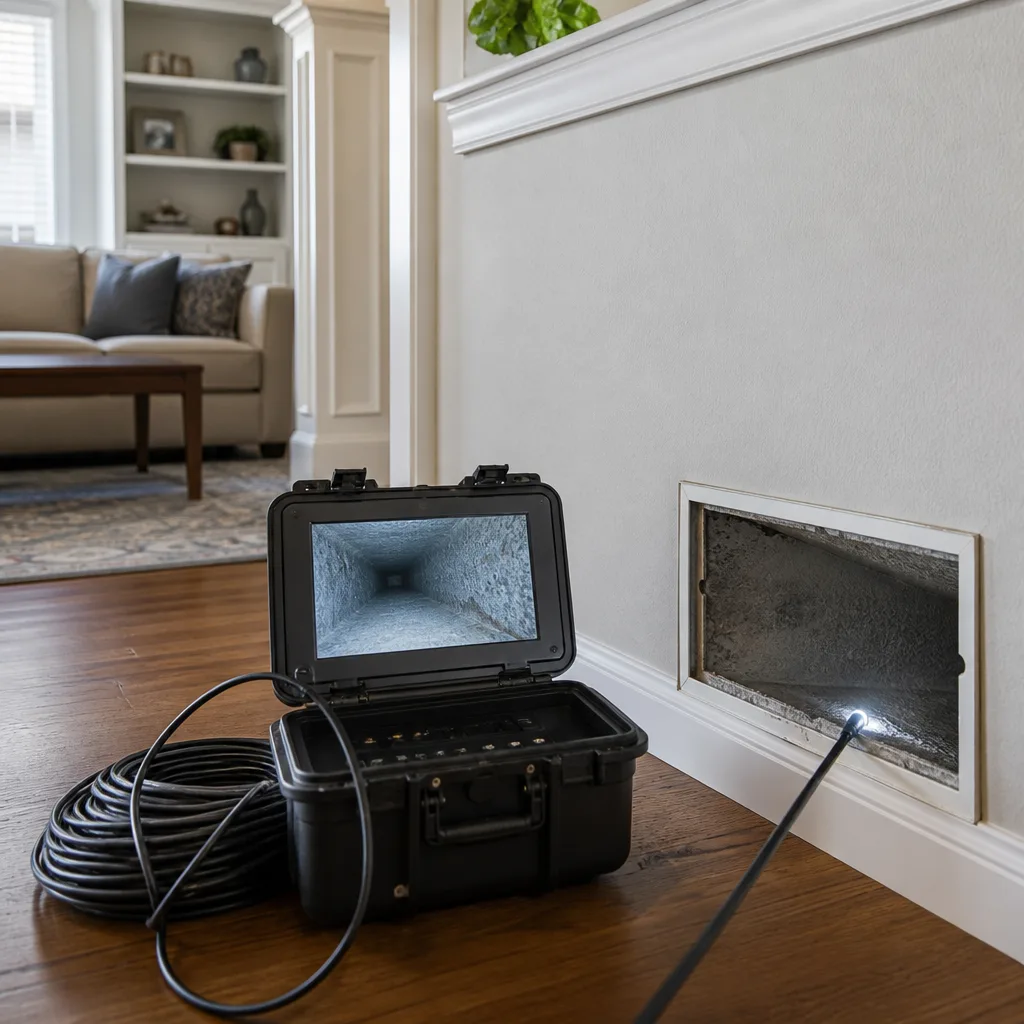 Camera inspection
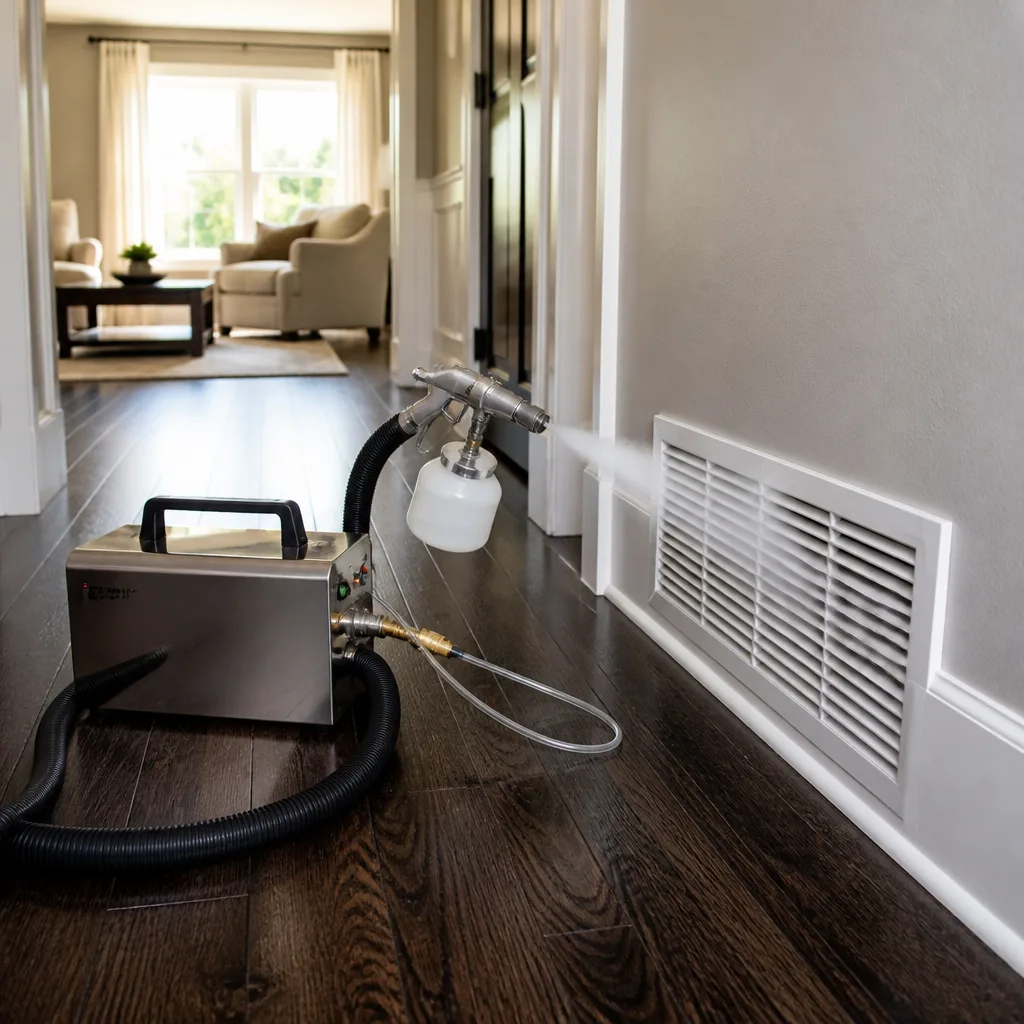 Sanitizing & deodorizing
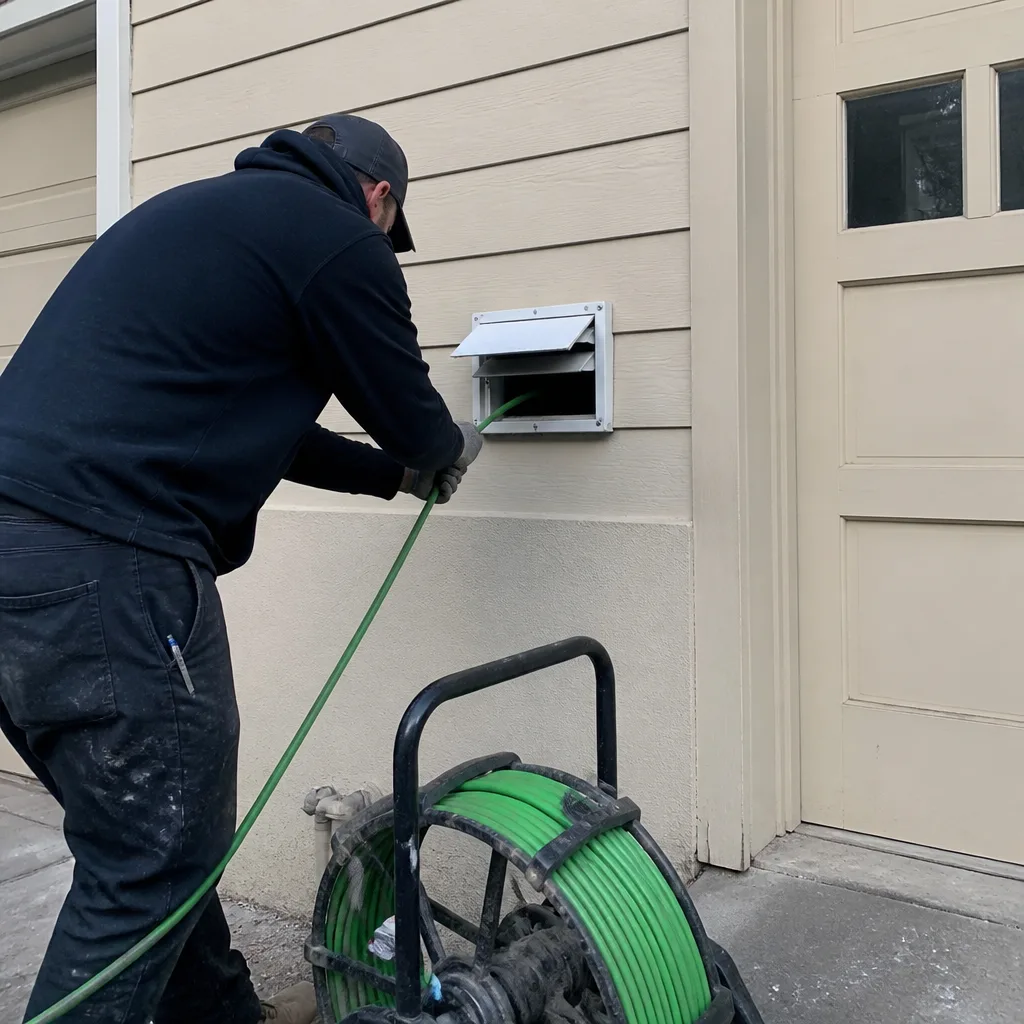
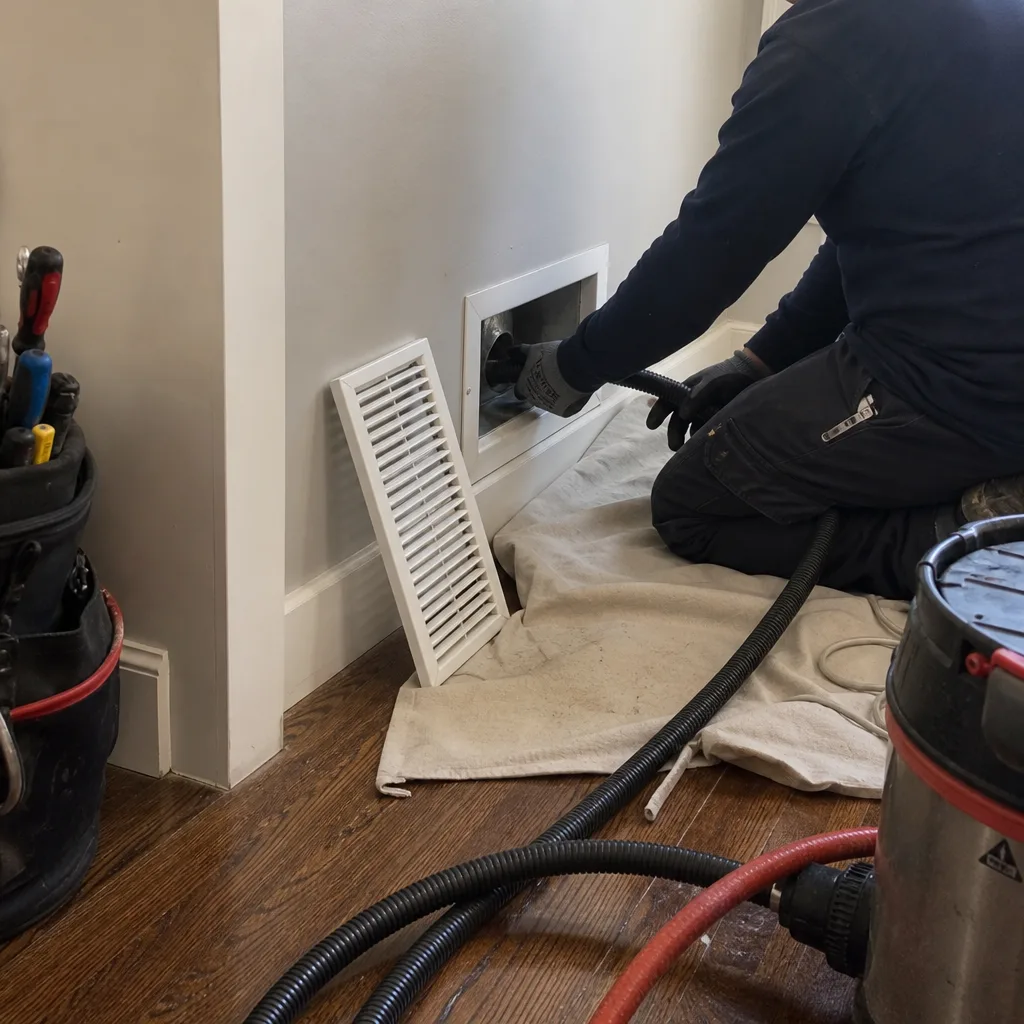
Whole-system duct and dryer vent check with before-and-after photos - you see exactly what came out of your vents
That "$99 whole-house special" is a bait ad - the real number appears once they are in your hallway, or the "clean" is a shop-vac at the register. We photograph the inside of your ducts before and after instead.
Air Duct Cleaning Permits, Codes & Inspections in CA: What You Need to Know
Here’s a stat most San Francisco homeowners never hear: a routine duct cleaning requires no permit anywhere in California, but a technician who “fixes” a crushed duct during that same visit may have just performed unpermitted work that will surface years later during a home sale. The California Mechanical Code and San Francisco’s own local amendments draw a sharp line between maintenance and modification, and that line is where bids get padded, corners get cut, and sellers get stuck holding repair costs they never saw coming. This guide walks you through the actual code sections, the San Francisco permitting process, what different jobs trigger, and the specific steps to check whether work on your home was ever legally permitted. For related reading, see our The Complete Guide to Air Duct Cleaning in San Francisco.
Styles & brands we work with
Quick Answer
Air duct cleaning itself requires no permit in California, and no inspection, because it’s classified as routine maintenance rather than modification. What does trigger permits is any work that changes the duct system itself: replacing flex duct, modifying the plenum, relocating registers, or adding new branch runs. In San Francisco, those modifications fall under the Department of Building Inspection (DBI), which enforces the California Mechanical Code plus local amendments, and work done without a permit can be flagged at resale and cost thousands to bring into compliance. If you’re unsure whether your ducts need attention, read our Air Duct Cleaning Warning Signs: A San Francisco Homeowner’s Reference Guide.
Table of Contents
- The Legal Line: Cleaning vs. Modification Under California Code
- When a Permit Is Actually Required in California
- San Francisco’s Local Overlay: DBI and Multi-Unit Buildings
- What Duct Sealing and Duct Replacement Actually Trigger
- How to Check Whether Work Was Permitted (SF Public Portal, Step by Step)
- What Unpermitted Duct Work Costs Sellers in the SF Market
- Title 24 Energy Code and Duct Work: The Part Everyone Misses
- Questions to Ask Any Contractor Before Work Begins
- Common Mistakes to Avoid
- When to Call a Professional
- Frequently Asked Questions
- The Bottom Line
The Legal Line: Cleaning vs. Modification Under California Code
The California Mechanical Code (CMC), which is adopted statewide and amended locally, treats duct work differently depending on what’s actually being done. Section 103 of the CMC requires permits for any installation, alteration, or replacement of a duct system. Cleaning, by contrast, is defined as maintenance and falls outside the permit requirement entirely. The distinction is not about how dirty the ducts are or what tools the technician uses. It’s about whether the physical duct system is changed in any way.
In practice, here’s what’s what:
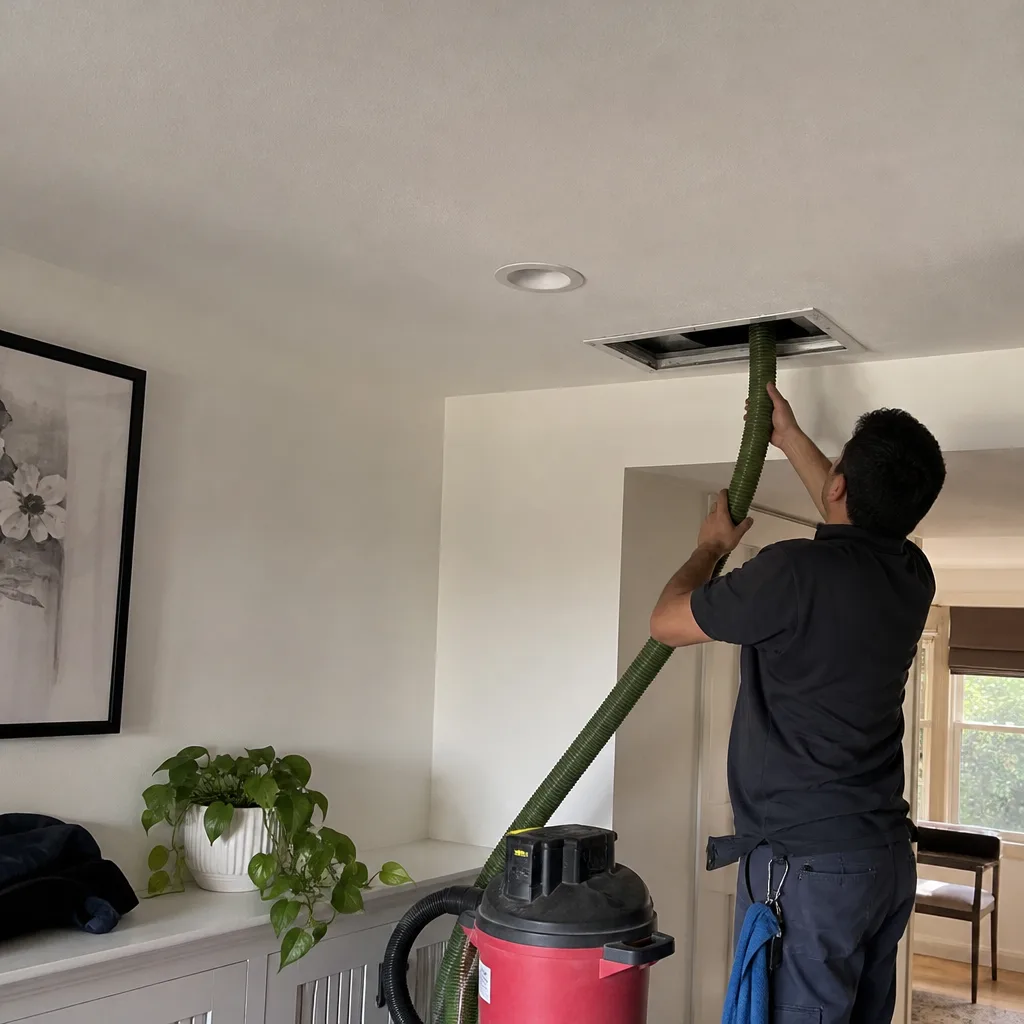
- Permit-free work: Negative-pressure extraction cleaning, brushing, whip-line agitation, sanitizing or deodorizing ducts, camera inspection, and blower-door testing. None of these modify the duct system.
- Permit-required work: Replacing a section of flex duct, cutting and capping a branch run, relocating a supply register, replacing the plenum, adding a return, or resealing seams by opening the duct and re-fabricating sections.
- The gray zone: “Duct sealing” performed from the inside using aerosolized sealant is generally considered a repair, not an alteration, and typically does not require a permit in most San Francisco single-family homes. But if the job involves cutting access holes into the ductwork, the work crosses into modification territory.
We’ve seen San Francisco houses in the Sunset and the Richmond where owners paid for what they believed was a cleaning and walked away with modified duct work and no mention of permits. The invoice said “cleaning plus duct repair,” and the owner assumed the repair was a courtesy. Months later, a home inspection flagged the work as unpermitted. Marcus Veale, owner at Linden Air Duct San Francisco, has worked on homes where exactly this scenario played out. The good news for homeowners: it’s preventable with two questions asked before the work starts.
When a Permit Is Actually Required in California
The California Mechanical Code Section 103.1 requires a mechanical permit for what it calls the “installation, alteration, or replacement” of any duct system. That’s the legal language. The practical translation: if any component of the duct system is physically changed, added, or removed, the job falls under permit jurisdiction. Here’s the breakdown that matters for homeowners considering Air Duct Cleaning services or repair in San Francisco:
- Full duct replacement: Always requires a permit. No ambiguity. Replacing all or most of the duct system in a single-family home means the work must be permitted, inspected, and signed off.
- Partial duct replacement: Requires a permit. Replacing even a 10-foot section of damaged flex duct in a crawl space or attic triggers the requirement.
- Plenum modification: Requires a permit. The plenum is the box that connects your furnace or air handler to the main supply trunk. Any change to it is classified as an alteration.
- Register relocation: Requires a permit. Moving a supply or return grille means cutting new openings and patching old ones, which changes the system’s design.
- Adding a new run or zone: Requires a permit. This is new installation work, and inspectors will want to verify sizing and airflow calculations.
- Routine cleaning and maintenance: No permit. This includes air duct cleaning in San Francisco performed by companies like ours, as well as dryer vent cleaning and camera inspections.
One nuance homeowners often miss: a contractor can pull a permit, but if the work is never inspected and signed off, the permit is considered “open” and the work is legally incomplete. We’ll cover how to check for that later in this guide.
San Francisco’s Local Overlay: DBI and Multi-Unit Buildings
San Francisco doesn’t just adopt the California Mechanical Code. It layers local amendments on top, and the Department of Building Inspection polices them. DBI has jurisdiction over nearly all mechanical work in the city except work in buildings owned by the state or federal government. If you live in a single-family home in Noe Valley, a condo in SoMa, or a four-unit building in the Outer Sunset, DBI is the agency that issues your mechanical permit.
Where San Francisco gets stricter than the rest of California is in multi-unit residential buildings. Here’s what we tell homeowners:
- Buildings with three or more units are treated differently under DBI’s enforcement approach. Duct work that touches common walls, shared chases, or serves more than one unit often triggers additional scrutiny.
- Condo conversions: if you own a condo in a converted building, DBI will often require the duct system to have been permitted at the time of conversion. Unpermitted duct work in these buildings can put the entire conversion file at risk.
- Fire-rated assemblies: in multi-unit buildings, duct penetrations through fire-rated walls or floors must be sealed with specific fire-rated materials. Improper sealing is a common DBI correction notice, and it’s rarely discovered until an inspector looks.
- Rent-controlled buildings: the San Francisco Rent Board and DBI can both get involved when unpermitted mechanical work affects habitability. Landlords who skip permits on duct work in rental units are rolling the dice twice.
For single-family homeowners, the process is simpler but not optional. A mechanical permit for duct replacement in a single-family home in San Francisco typically runs in the low hundreds of dollars, depending on job valuation, and requires a plan review for larger jobs. A full-system replacement in a large home in Pacific Heights or Presidio Heights may trigger a more detailed plan review than a partial replacement in an Excelsior bungalow.
What Duct Sealing and Duct Replacement Actually Trigger
The words “sealing” and “replacement” get thrown around on estimates and invoices, and they trigger very different things under California and San Francisco code. This is where contractors sometimes obscure what’s happening to keep the price low and the job moving.
Duct sealing splits into two categories:
- Interior aerosol sealing: A fog of sealant is blown through the ducts from inside, sealing small leaks at seams and joints. This is generally treated as maintenance or minor repair. In most San Francisco single-family homes, no permit is required.
- Exterior duct sealing: Here the technician physically opens access to the ducts, often by cutting into drywall or removing sections, applies mastic or tape, and re-installs the section. This is an alteration. Permit required.
Duct replacement is never a gray area. Replacing any section of duct, whether rigid sheet metal or flex, is an alteration under CMC 103.1, full stop. In San Francisco, that means a mechanical permit from DBI, an inspection, and a sign-off before the work is legally complete.
The practical reason this matters: when a technician finds crushed or disconnected flex duct during a cleaning, the temptation is to swap it out right then and there. It’s a five-minute job with the right materials. But that swap, however well-intentioned, is a modification. If a future home inspector or DBI plan reviewer flags it, the homeowner is on the hook for whatever it costs to retroactively permit and inspect the work, and in some cases, redo it. A reputable air duct repair company in San Francisco will tell you before making that swap, not after.
How to Check Whether Work Was Permitted (SF Public Portal, Step by Step)
San Francisco makes permit records publicly searchable through DBI’s online permit tracking system. If you bought a home with recent duct work, or if you’re not sure whether a contractor actually pulled the permit they said they would, here’s exactly how to check:
- Go to the DBI Permit Tracking portal. Search “SF DBI permit tracking” and open the official site, which is linked from the SF.gov building inspection pages.
- Enter your address. Use the full street address, no unit number for a single-family home. For condos, include the unit number or use the block and lot number if you have it.
- Review the permit history. Look for any mechanical permits filed in the time window matching the work. Note the permit number, filing date, and status.
- Check the status field. A permit with status “complete,” “finaled,” or “signed off” means the work passed inspection. A status of “issued” or “open” means it was never inspected. If nothing appears at all for the work you know was done, no permit was pulled.
- Pull the inspection record. For finaled permits, the portal shows the inspection date and the inspector’s name. If the work passed, that inspection record is your proof at resale.
This takes ten minutes on a laptop, and it’s the single most underused tool in San Francisco real estate transactions. We recommend every homeowner run this check before buying and again before selling.
What Unpermitted Duct Work Costs Sellers in the SF Market
San Francisco real estate moves fast, but it doesn’t move around unpermitted mechanical work. Here’s what we’ve seen happen in the market, and what real estate agents in the city tell us:
- Buyer inspection flags: A standard buyer’s home inspection in San Francisco will identify duct work that appears newer than the home’s permit history or shows signs of modification. The inspector’s report is the buyer’s leverage.
- Seller credit negotiations: In a typical San Francisco transaction, buyers will ask for a credit to bring the work into compliance. That credit commonly runs between $2,000 and $8,000 depending on the scope of the unpermitted work, the cost to redo it correctly, and the DBI fee schedule.
- Delayed close: If the buyer’s lender gets wind of unpermitted mechanical work, the loan can stall. Some lenders will require the work be permitted and signed off before funding, which can push closing by weeks.
- Worst case: If the work is significant and safety-relevant, DBI can issue a notice of violation, which becomes a public record tied to the property. That record follows the property until the work is corrected and signed off by an inspector in San Francisco.
The asymmetry is brutal: the original contractor saved a few hundred dollars by not pulling a permit, and the seller pays thousands to correct it years later, plus the deal friction. If you’re hiring anyone who’s going to change your duct system, even as part of a larger air duct cleaning in San Francisco visit, the permit question is a seller’s insurance policy.
Title 24 Energy Code and Duct Work: The Part Everyone Misses
California’s Title 24 Building Energy Efficiency Standards apply to duct systems in a way that surprises a lot of San Francisco homeowners. The energy code requires that duct systems in new and altered buildings meet specific leakage limits and insulation requirements. When duct work is modified under a permit, the work must comply with current Title 24 standards, not the standards in place when the house was built.
In practical terms:
- Duct leakage testing: When a permitted duct replacement happens, DBI or a third-party HERS rater may require a duct leakage test. The pass/fail threshold under current Title 24 is strict, and older systems often fail without additional sealing.
- Insulation requirements: Ducts in unconditioned spaces like attics and crawl spaces must be insulated to current R-value minimums. A 1920s house in the Mission with original duct work won’t meet current standards, which means a partial replacement can legally require insulation upgrades beyond the immediate repair.
- Accessibility requirements: Title 24 also governs access to equipment for maintenance, including access panels to duct systems in some configurations. This is why an inspector may flag work that looks fine mechanically but fails on code access.
This is why honest contractors in San Francisco are upfront about permit costs. The permit isn’t just a fee. It’s the legal trigger that brings Title 24 compliance requirements into the scope of work.
Questions to Ask Any Contractor Before Work Begins
These are the questions that separate a clean, legal job from an unpermitted problem waiting to surface. Ask them before the van arrives, and get the answers in writing:
- Is this cleaning, or is it modification? Get a plain answer. If the contractor says anything other than “cleaning only, no changes to the duct system,” the next questions matter.
- Will you pull a permit for any repair or replacement work? Anyone who hesitates, deflects, or says “we don’t need one” for work that modifies the system is not someone you want in your house. In San Francisco, DBI requires permits for modifications, and any contractor claiming otherwise is either wrong or hoping you won’t check.
- Will the permit be in my name or yours? Some contractors file the permit under their license, which is normal. What matters is that the permit is tied to the property, and the work is inspected.
- When will the inspection happen, and will I get a copy of the sign-off? You want a copy of the finaled permit in your records. If the contractor won’t commit to providing it, run.
- What exactly is included in the written price? Every job should come with a written price before any work starts. A contractor who refuses to put the price in writing is not just breaking a trust signal; in the permitting world, a vague invoice is often the first sign the permit was skipped.
- What equipment will you use? A company using professional-grade equipment from Rotobrush or Nikro is investing in their trade. That’s a signal the same company is likely to pull permits properly. Fly-by-night operators use consumer-grade equipment and cut the same corners on paperwork.
Common Mistakes to Avoid
- Assuming a low price means a clean job. In San Francisco, the cheapest duct cleaning bid often comes with a “repair” that was never permitted. The money saved upfront becomes a liability at resale. Linden Air Duct San Francisco puts every price in writing before work begins, and we don’t bundle modifications into a cleaning without telling you what’s happening and what it triggers.
- Not asking about permits until after the work is done. By then, the contractor is gone and the unpermitted duct work is yours. Ask before the work starts, in writing.
- Accepting “we don’t need a permit for this” without verifying. You can check DBI’s rules in five minutes on SF.gov. If the person saying “no permit needed” can’t point to the code section that supports their claim, be skeptical.
- Treating all duct sealing as the same. Interior aerosol sealing is usually maintenance. Exterior sealing that opens the duct is modification. The difference is a permit.
- Not pulling the permit history at resale. Sellers who run the DBI permit check before listing avoid the buyer’s inspector finding the problem first. Ten minutes of checking can protect the deal.
- Buying a home with recent duct work but no permits on record. Ask the seller for the permit history before you close. If they can’t produce it, ask for a credit to bring the work into compliance.
When to Call a Professional
You’re in over your head when the duct work has been modified and no permit exists, or when a contractor is asking you to sign off on work that doesn’t match what they told you. You need a professional when you’ve had a cleaning done and the technician flags crushed, disconnected, or rusted duct work that needs actual repair, because that repair is permitted work. And you need a professional when you’re buying or selling and the inspection report mentions duct work with no permit history. Linden Air Duct San Francisco offers free estimates in San Francisco – call (951) 527-6259 and we’ll tell you exactly what’s cleaning, what’s repair, and what needs a permit before any work begins.
Frequently Asked Questions
No. Air duct cleaning is classified as routine maintenance under the California Mechanical Code and requires no permit anywhere in the state, including San Francisco. What requires a permit is any modification to the duct system, such as replacing sections of duct, altering the plenum, or relocating registers.
Yes. Replacing any section of duct work, whether flex or rigid, is an alteration under the California Mechanical Code and requires a mechanical permit from the San Francisco Department of Building Inspection. The work must also pass a DBI inspection before the permit is finaled. Call (951) 527-6259 if you’re planning duct repair and want someone to walk you through the permit process honestly.
Duct cleaning removes dust, debris, and microbial growth from the existing system without changing any physical component. Duct modification changes the system itself: replacing, relocating, adding, or removing any part of the duct work. Cleaning is permit-free;, modification requires a permit in San Francisco.
Use the DBI permit tracking portal on SF.gov, search by your address, and review the mechanical permit history. A fully finaled permit means the work was inspected and passed. No permit on record means the work was done without legal sign-off.
The buyer’s home inspection will likely flag the work, and the buyer will typically request a seller credit to correct it. Credits commonly run between $2,000 and $8,000 in San Francisco, and some lenders will refuse to fund until the work is permitted and finaled, delaying closing.
Because the “repair” is being done without a permit, which saves the contractor money and time. If a duct cleaning bid includes free repairs, ask whether those repairs modify the duct system and whether a permit will be pulled. A reputable San Francisco company will answer directly. At Linden Air Duct San Francisco, we tell you exactly what’s cleaning and what’s repair, and the price is always in writing before any work starts. Call (951) 527-6259 for a straight answer.
The Bottom Line
Duct cleaning in San Francisco requires no permit. Duct modification does. That single distinction, enforced by DBI and the California Mechanical Code, is the difference between a clean bill of health and an unpermitted liability that can cost thousands at resale. Before hiring anyone who will touch your duct system, ask what the work actually involves, whether a permit is required, and whether the contractor will provide written proof of inspection sign-off. Run the DBI permit search on your own home before you list it. And if you’re considering any duct work in San Francisco, call (951) 527-6259 for a free estimate and an honest answer about what’s cleaning and what’s something more. We’ve been doing this in San Francisco since 2004, and we believe you should know what you’re paying for and what it legally requires before the work begins.
Written by Marcus Veale, Owner at Linden Air Duct San Francisco, serving San Francisco since 2004. For more guides & resources, visit our blog.
See the difference
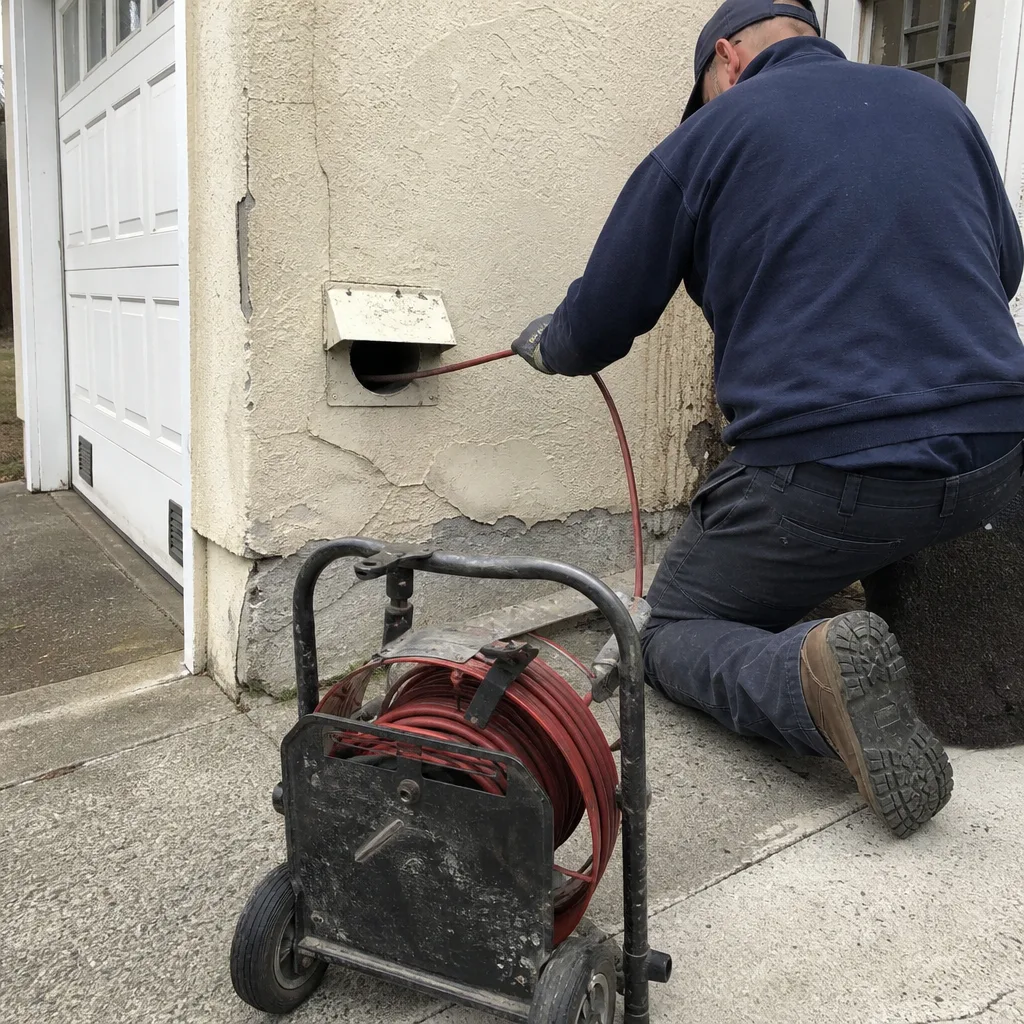 Before
 After
After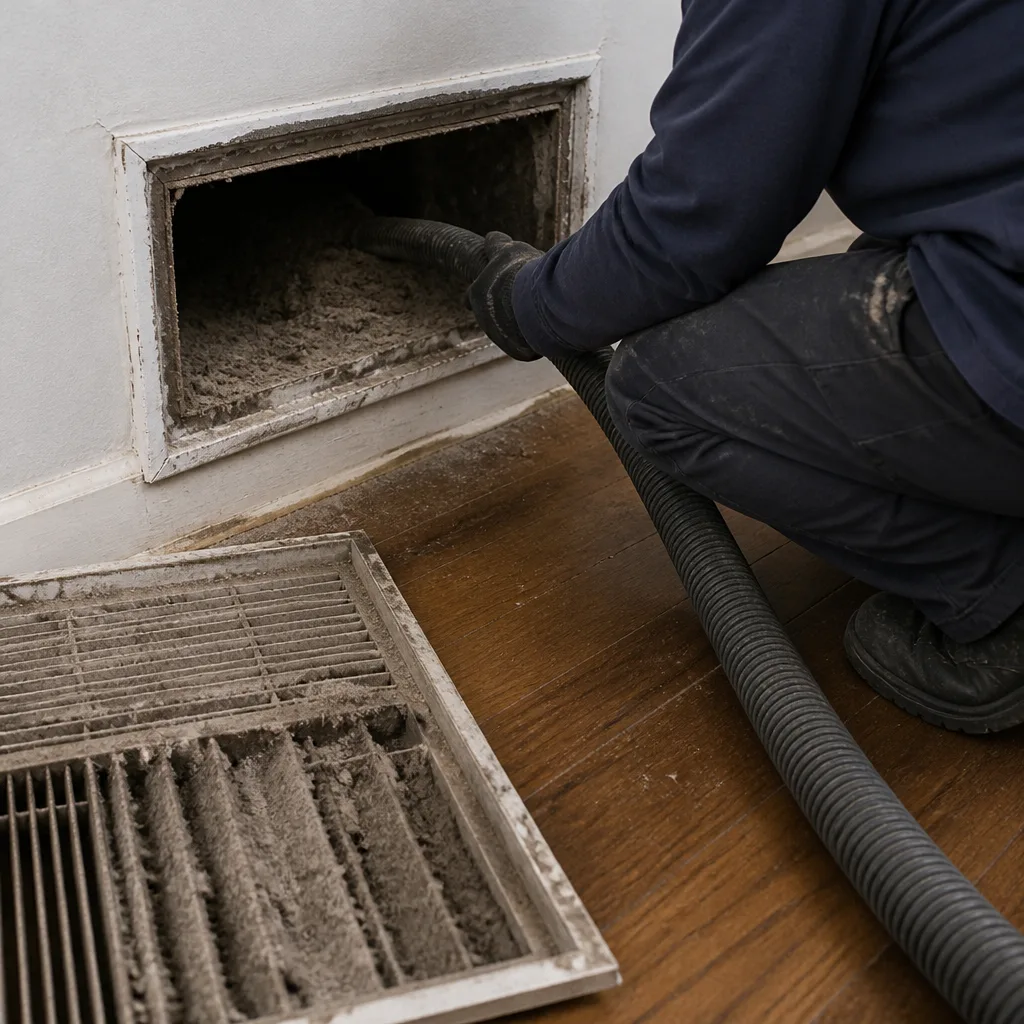 Before
 After
After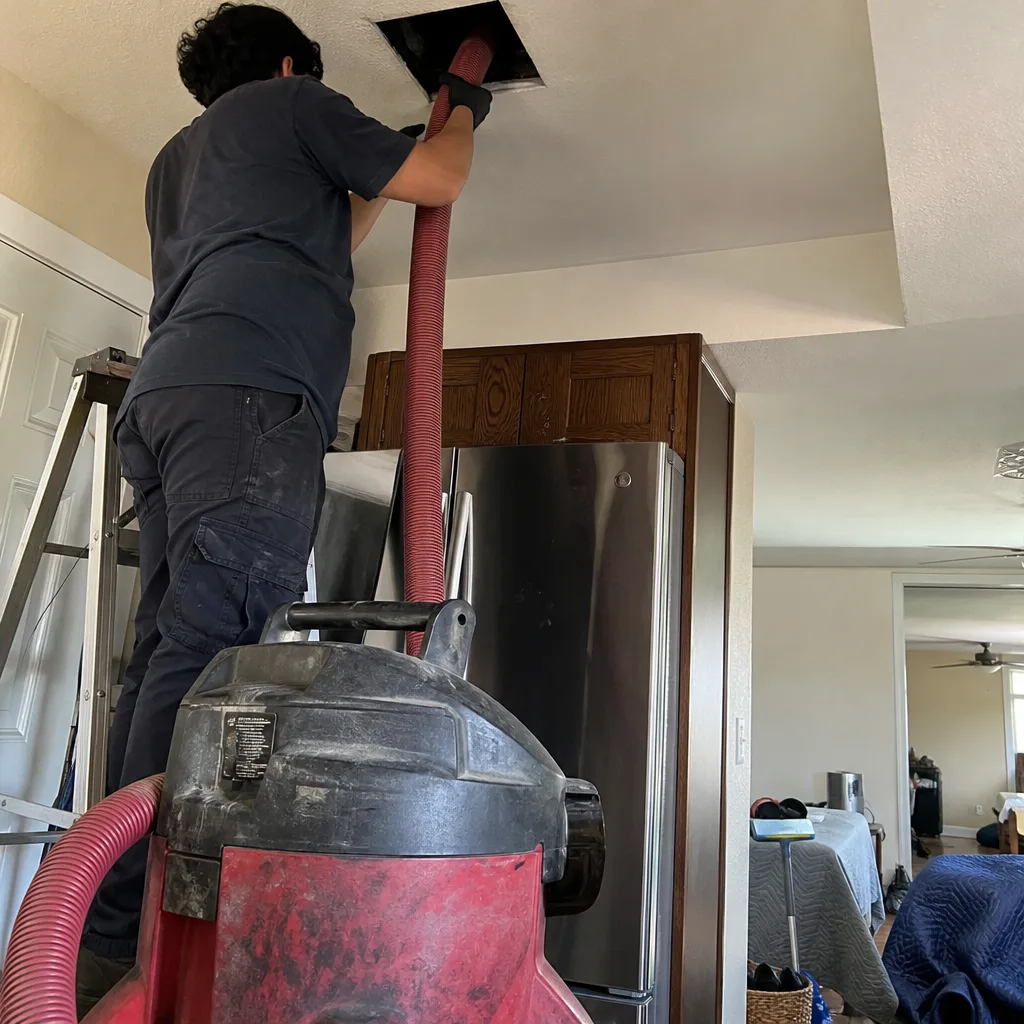 Before
 After
After