
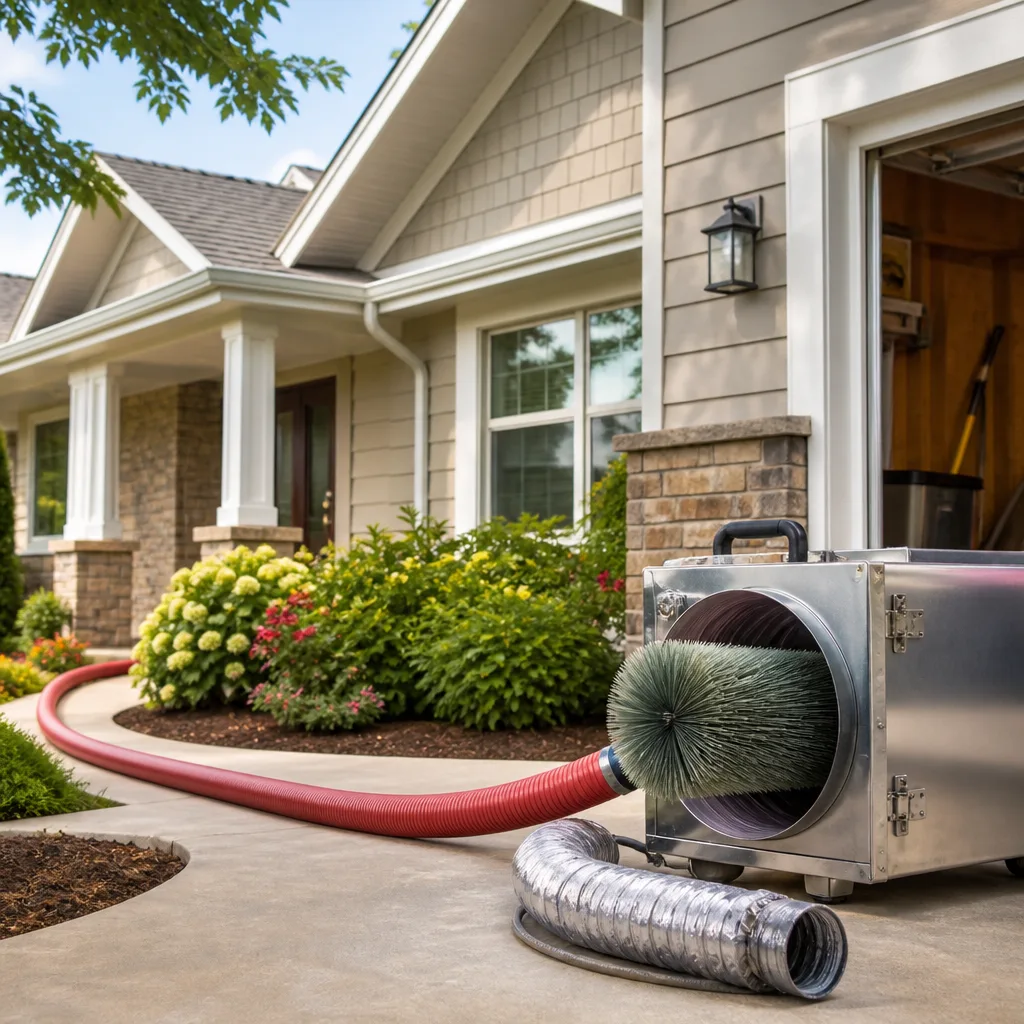
 Whole-home duct cleaning
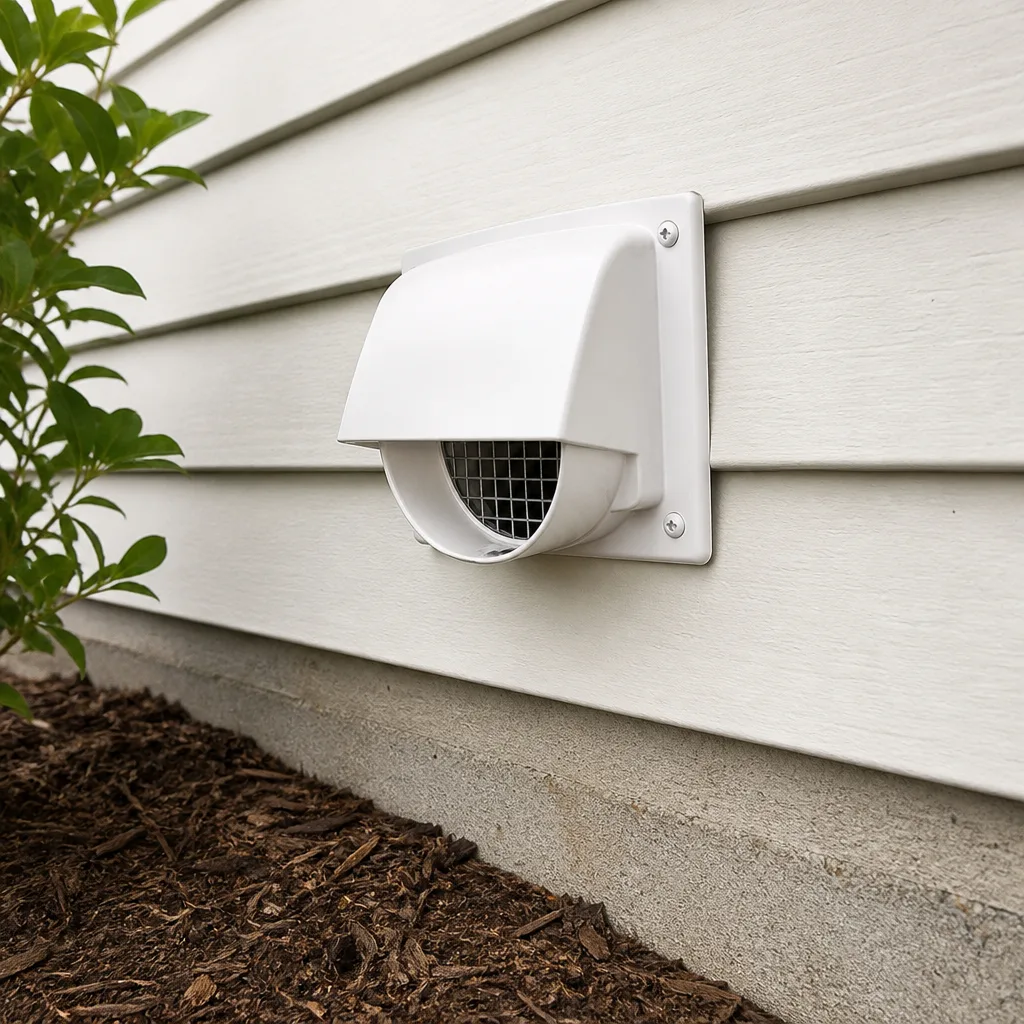 Dryer vent cleaning
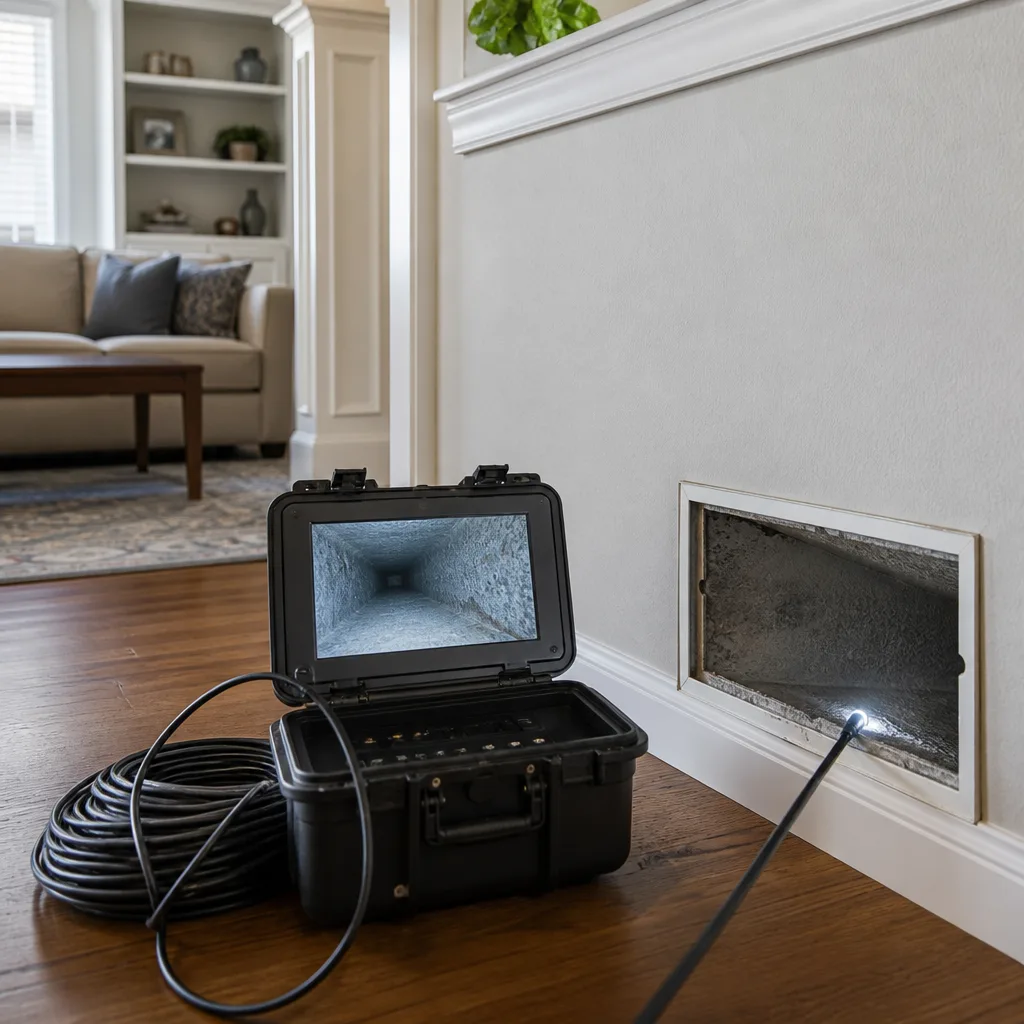 Camera inspection
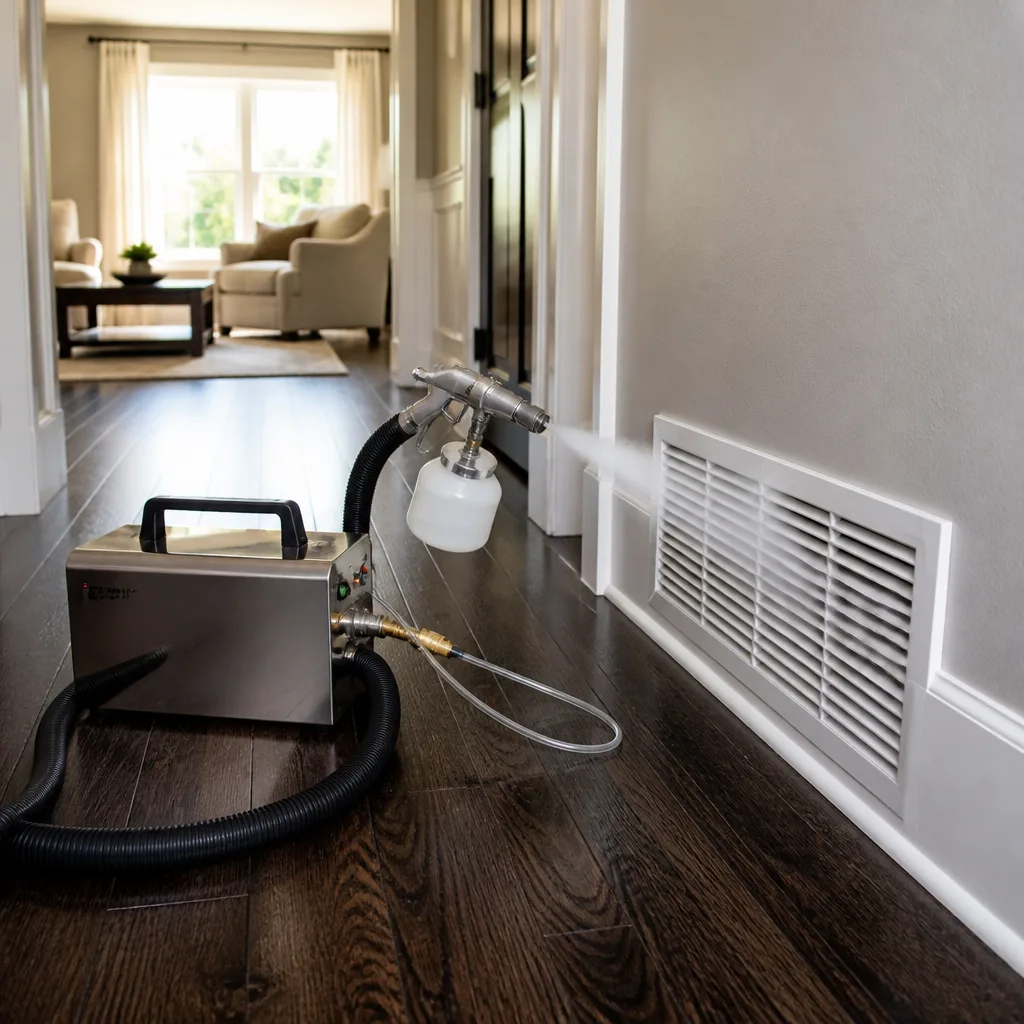 Sanitizing & deodorizing
Whole-system duct and dryer vent check with before-and-after photos - you see exactly what came out of your vents
That "$99 whole-house special" is a bait ad - the real number appears once they are in your hallway, or the "clean" is a shop-vac at the register. We photograph the inside of your ducts before and after instead.
Honeywell Coil Cleaning: The San Francisco Owner’s Guide
Honeywell coil cleaning in San Francisco typically runs $180 to $420 for a full evaporator and condenser coil service, depending on access and how much buildup has accumulated. We keep Honeywell-specific coil cleaning solutions and equipment on our trucks, and in most San Francisco neighborhoods we can have a technician out within two business days. You’ll usually discover the problem the same way every homeowner does: your system runs longer than it used to, cools less than it should, and your energy bill climbs a little higher each month while the house never quite reaches the temperature you set.
Most people don’t think about coils until something forces them to. The Honeywell system that handled last summer without complaint suddenly struggles through a warm spell in the Mission. Or the unit in a Richmond District flat starts short-cycling. Coil buildup is almost always the quiet culprit, and San Francisco’s coastal air makes it worse than people expect.
Which Honeywell Models This Applies To
We service coil cleaning across Honeywell’s residential HVAC line, from the older T-series and HZ-series air handlers still working in Edwardian flats around the Haight to newer modulating systems in South Beach condos and single-family homes in the Sunset. The coil itself sits inside the air handler or the outdoor condenser unit, and the cleaning requirement doesn’t change much by model, but the access and method does. Some Honeywell units have coils buried behind panels that require removing the fan assembly to reach properly. Others have a slide-out coil tray that makes the job straightforward.
Here’s the compatibility gotcha most owners don’t realize: Honeywell branded coils in packaged units and split systems often have fin spacing tighter than generic aftermarket replacements, which means they catch more dust and salt air but also clog faster. That tight fin spacing demands a specific cleaning approach. A low-pressure foam cleaner that dwells for the right amount of time, followed by a thorough rinse that doesn’t bend fins. If someone hits those tight coils with a pressure washer, the fins fold over and your efficiency drops permanently. We use coil-specific cleaners matched to Honeywell’s aluminum and copper fin materials, not a degreaser that happens to be in the van.
Styles & brands we work with
Signs Your Honeywell Coil Cleaning Is Failing
- Your system runs constantly but the house won’t reach temperature. The coil is the heat exchange surface. When it’s coated in dust and grime, the refrigerant can’t pull heat from the air efficiently, so the system runs longer to do less.
- Ice forms on the indoor coil or refrigerant lines. Restricted airflow across a dirty coil causes the coil temperature to drop below freezing. Water vapor in the air freezes on contact, and the ice block makes the problem worse.
- Your energy bill ticks up in a month with mild weather. A dirty condenser coil forces the compressor to work harder against higher head pressure. You don’t need a heat wave to see the cost; even San Francisco’s moderate days will do it.
- The air blowing from your vents feels weak or smells musty. A clogged coil restricts airflow through the entire system, and the organic material trapped on coil fins feeds mildew growth, which sends that earthy smell through your ductwork.
- You hear the compressor shutting off and restarting repeatedly. High head pressure from a blocked coil trips the compressor’s thermal overload. It shuts down to protect itself, cools off, restarts, and the cycle repeats until something gives.
Replacement Cost & What’s Included
Here’s the honest pricing picture for San Francisco. A straight coil cleaning on a Honeywell system with normal access runs $180 to $280. If we’re pulling the coil out for a deep cleaning, or the condenser is on a roof or in a tight utility closet, expect $300 to $420. If the coil has damaged fins from a previous bad cleaning, or it’s reached the point where cleaning won’t restore performance, replacement runs higher and we’ll show you exactly why before any work is approved.
Every coil cleaning includes written pricing before work starts, the cleaning itself, fin straightening where needed, and a check of the condensate drain line. Marcus Veale built Linden Air Duct San Francisco on a simple rule: “If I wouldn’t put it in writing before the job starts, it shouldn’t come out of my mouth either.” That applies to every Honeywell coil we touch. The job is covered by our 365-Day Done Right Promise. If the cleaning doesn’t hold up or something wasn’t right, we come back and make it right at no charge.
See the difference
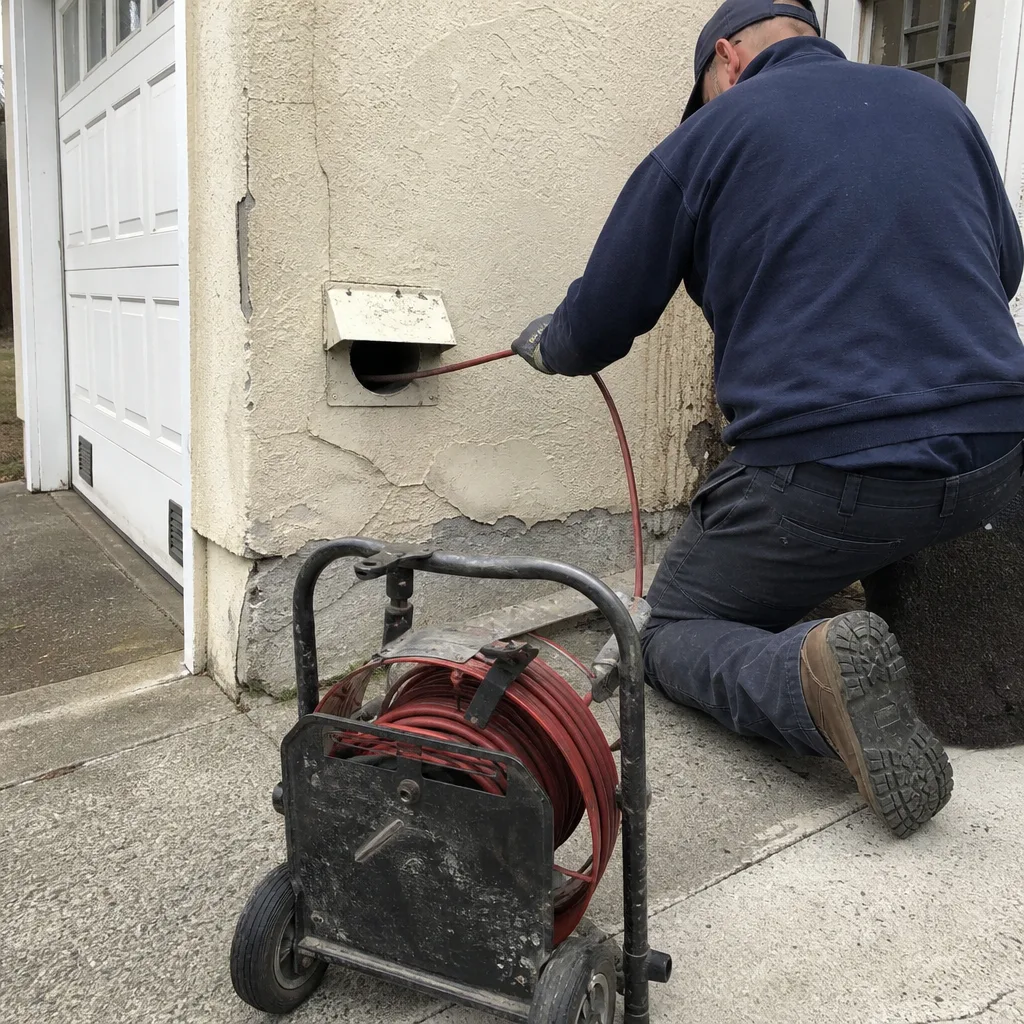 Before
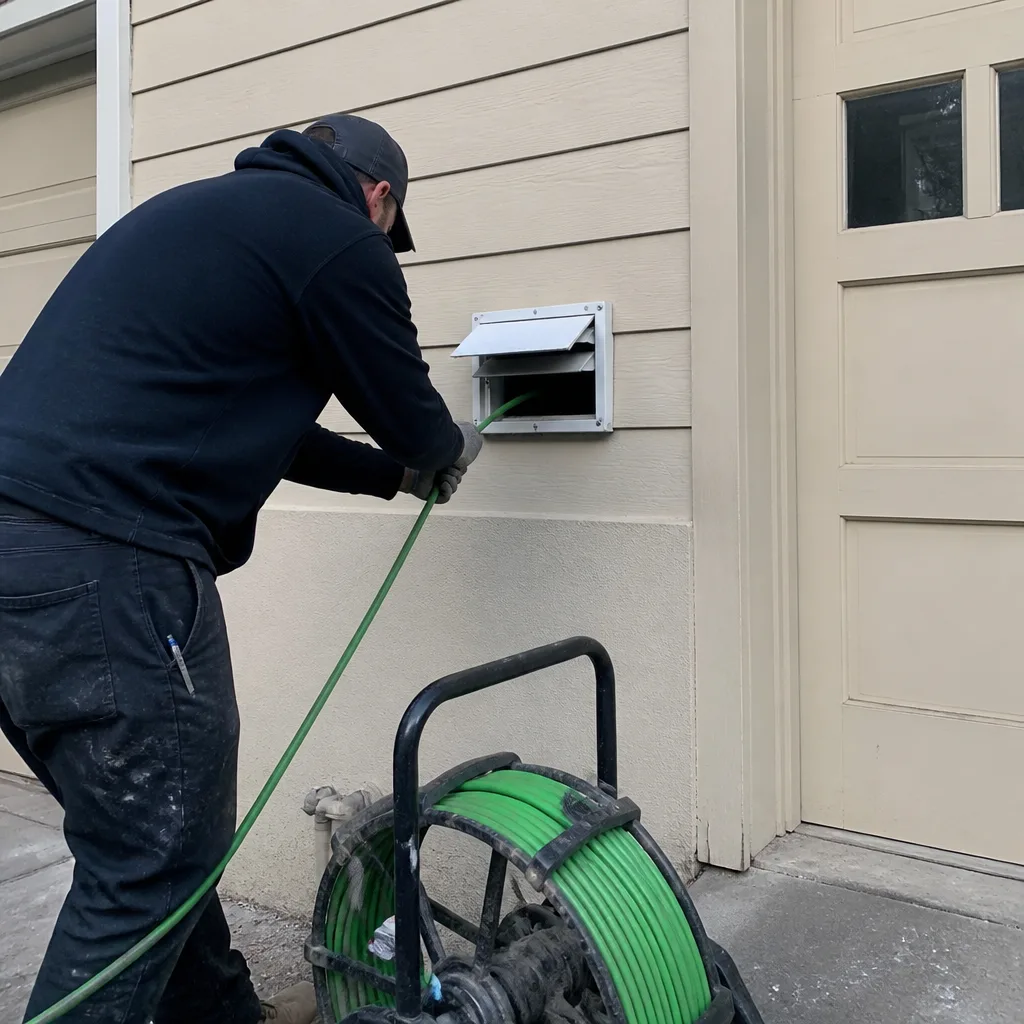 After
After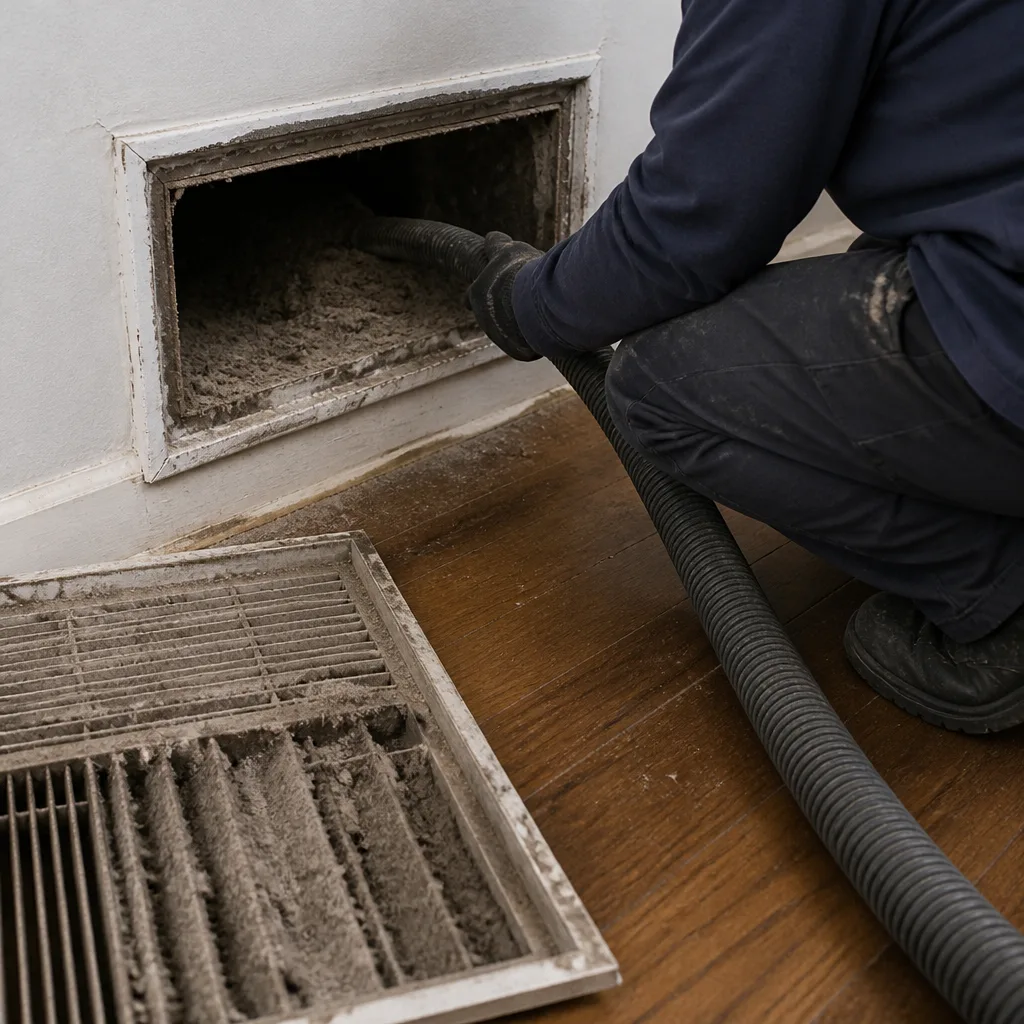 Before
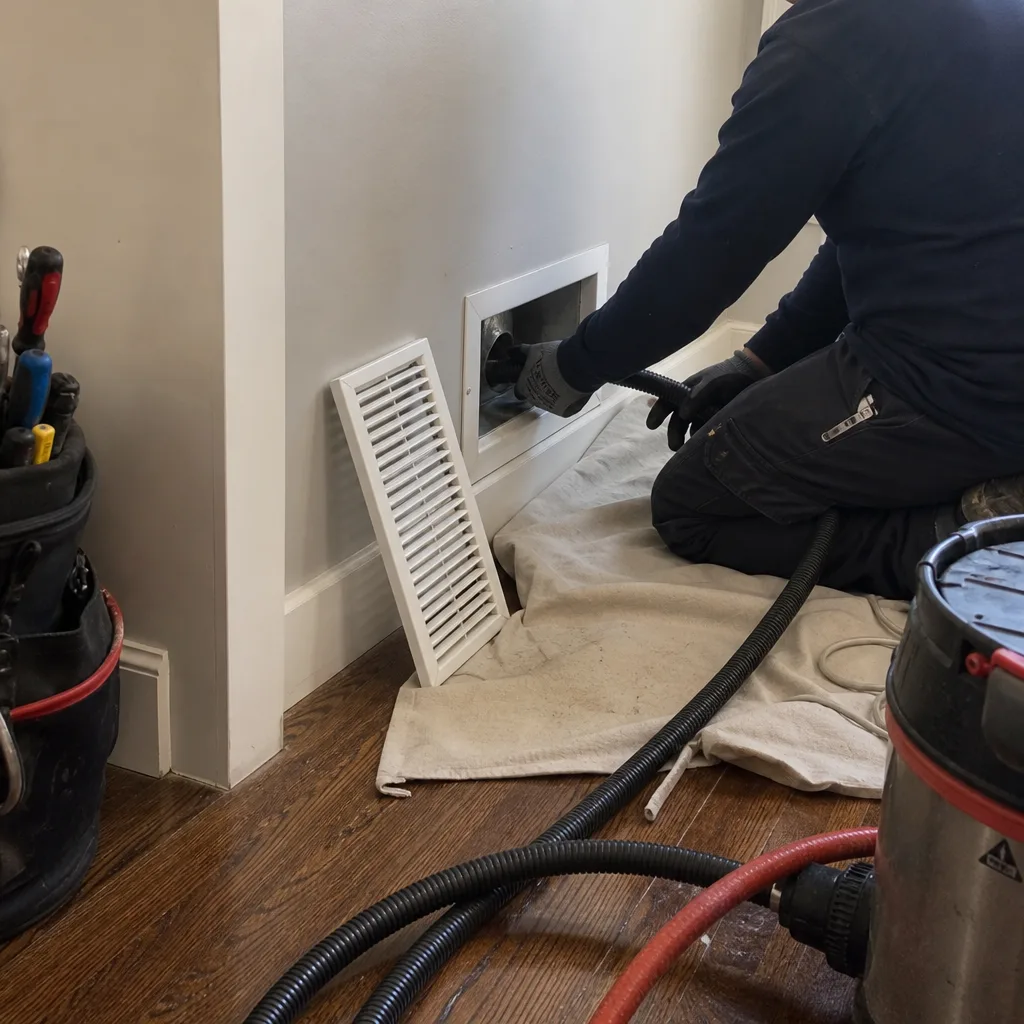 After
After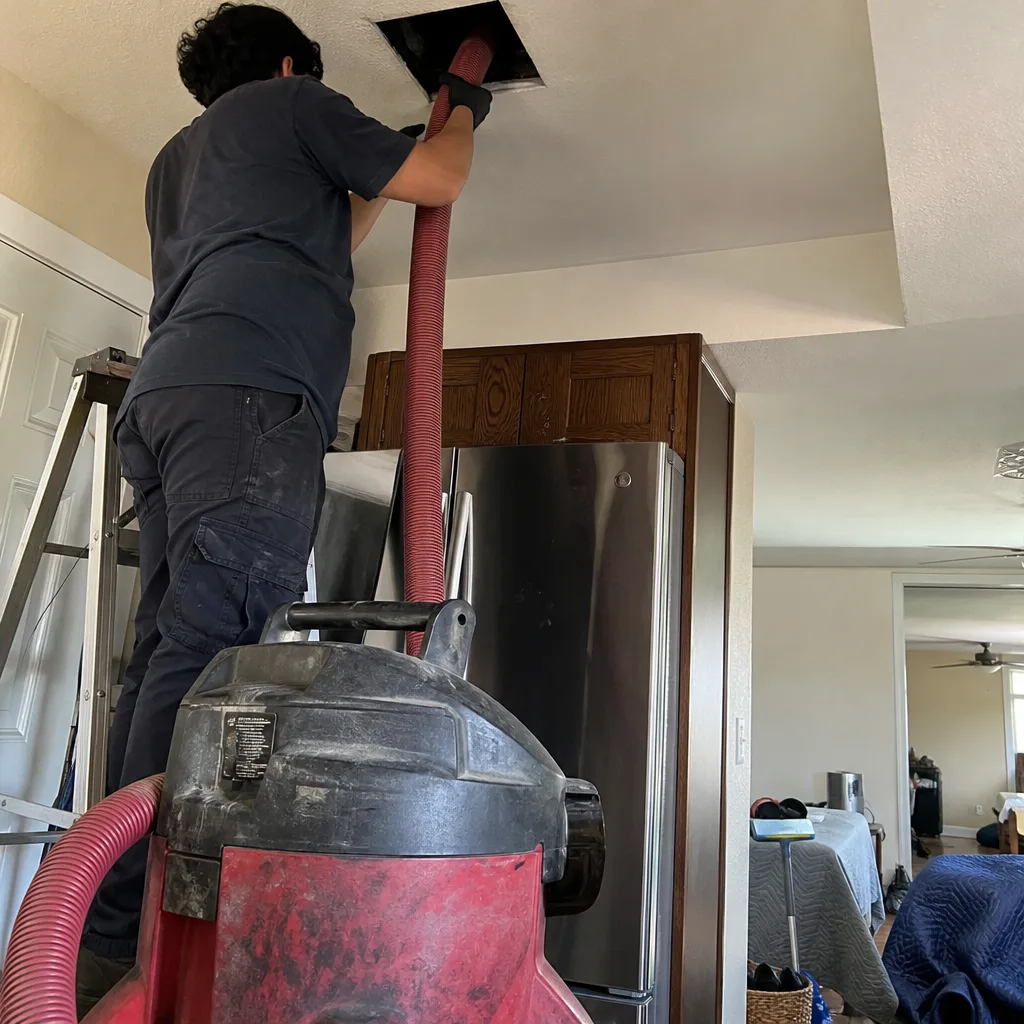 Before
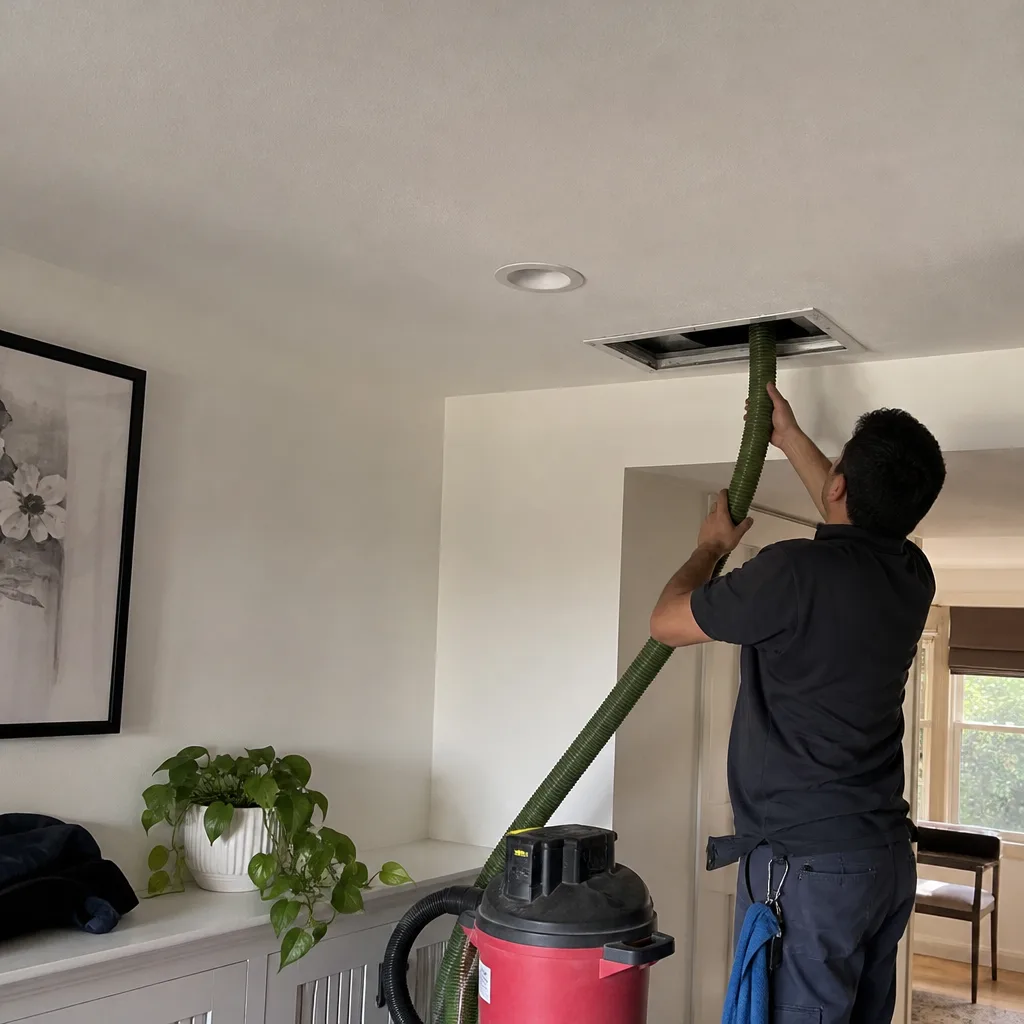 After
AfterDIY or Call Us?
You can safely check a few things yourself. Look at the air filter; if it’s clogged, replace it and see if performance improves. Peek at the condenser coil through the fins. If it’s visibly matted, cleaning is overdue. But accessing Honeywell coils for actual cleaning means opening the air handler, disconnecting panels, and working around electrical connections and sharp fin edges. A rushed DIY job bends fins, floods the electrical compartment, or leaves cleaner residue that eats into the coil over time.
The condenser coil on most San Francisco homes sits outside breathing fog and salt air daily. That’s a specialized cleaning scenario, not a garden-hose job. If the coil is iced over, that’s a refrigerant or airflow problem that a cleaning alone won’t fix. Call us at (951) 527-6259 and we’ll tell you honestly whether you need a cleaning, a repair, or something else entirely.
FAQs
With proper cleaning, most Honeywell coils last 10 to 15 years in San Francisco’s climate. Coastal air shortens that lifespan slightly because salt and moisture accelerate corrosion, but regular coil cleaning can offset much of that effect. If your coil has started leaking refrigerant, cleaning won’t help; call (951) 527-6259 and we’ll assess it honestly.
No. Coil cleaning is a maintenance procedure, not a repair. If the coil is physically damaged, fin repair or replacement is the fix. If it’s dirty, cleaning restores it. We’ll tell you which one you actually need before any work starts.
A standard coil cleaning on a Honeywell system takes 90 minutes to 2 hours from start to finish. Coil removal for deep cleaning, or units with difficult access like rooftop condensers in certain Mission Bay buildings, can run 3 hours or more. We’ll give you a time estimate with your written quote.
Yes. Our trucks carry coil-specific cleaners matched to Honeywell fin materials, along with the brushes, fin combs, and rinse equipment needed for both indoor evaporator and outdoor condenser coils. We also service Lennox, Trane, and Carrier systems, so the truck is prepared whether your home has one Honeywell coil or a mixed setup.
Call Linden Air Duct San Francisco
If your Honeywell system is struggling, get a straight answer at no charge. Call (951) 527-6259 and a live person answers, day or night, no voicemail loops and no automated menus. We’ll give you a written price before any work begins, and the technician who shows up at your door will be identity-verified and photo-badged under the Threshold Standard, with their name and photo sent to you before they arrive. That’s how we’ve served San Francisco since 2004, and it’s how we’ll serve you.
Written by Marcus Veale, Owner, Linden Air Duct San Francisco at Linden Air Duct San Francisco, serving San Francisco and nearby areas.