
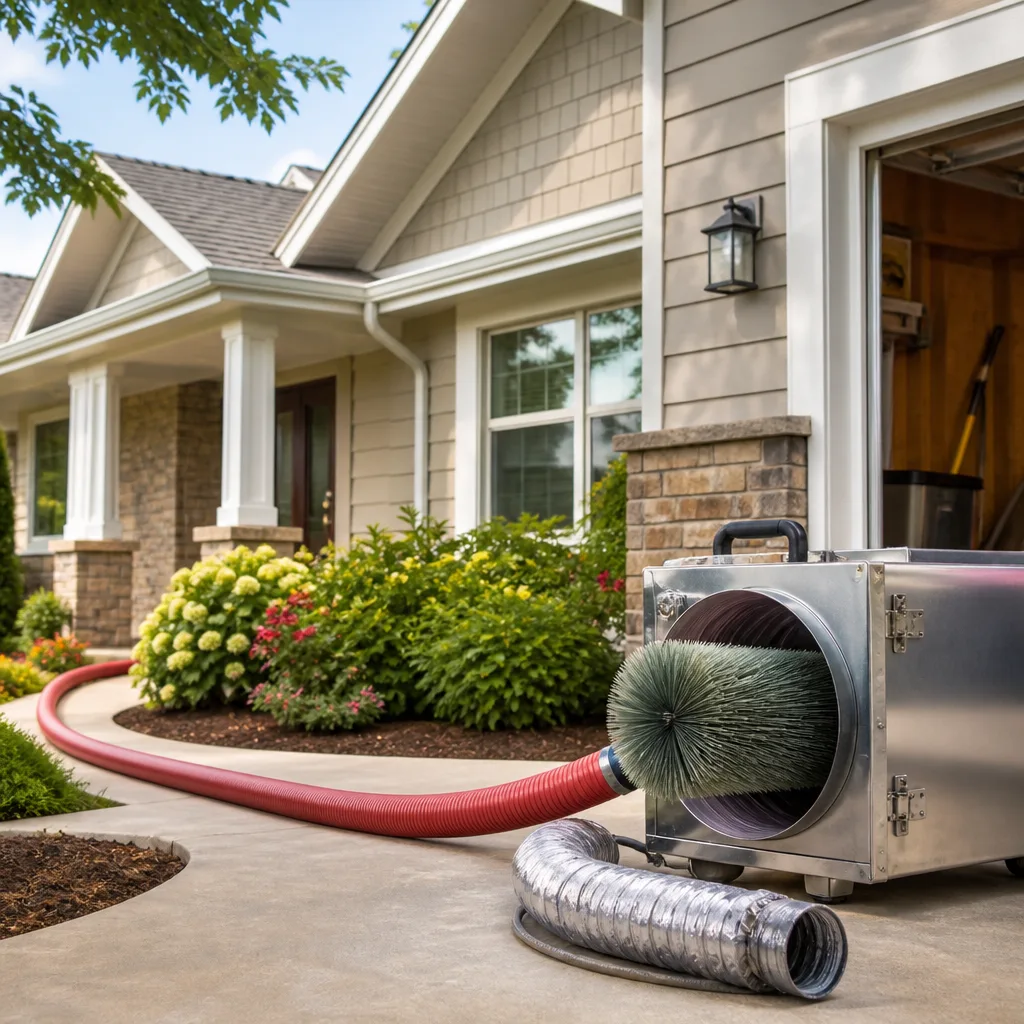
 Whole-home duct cleaning
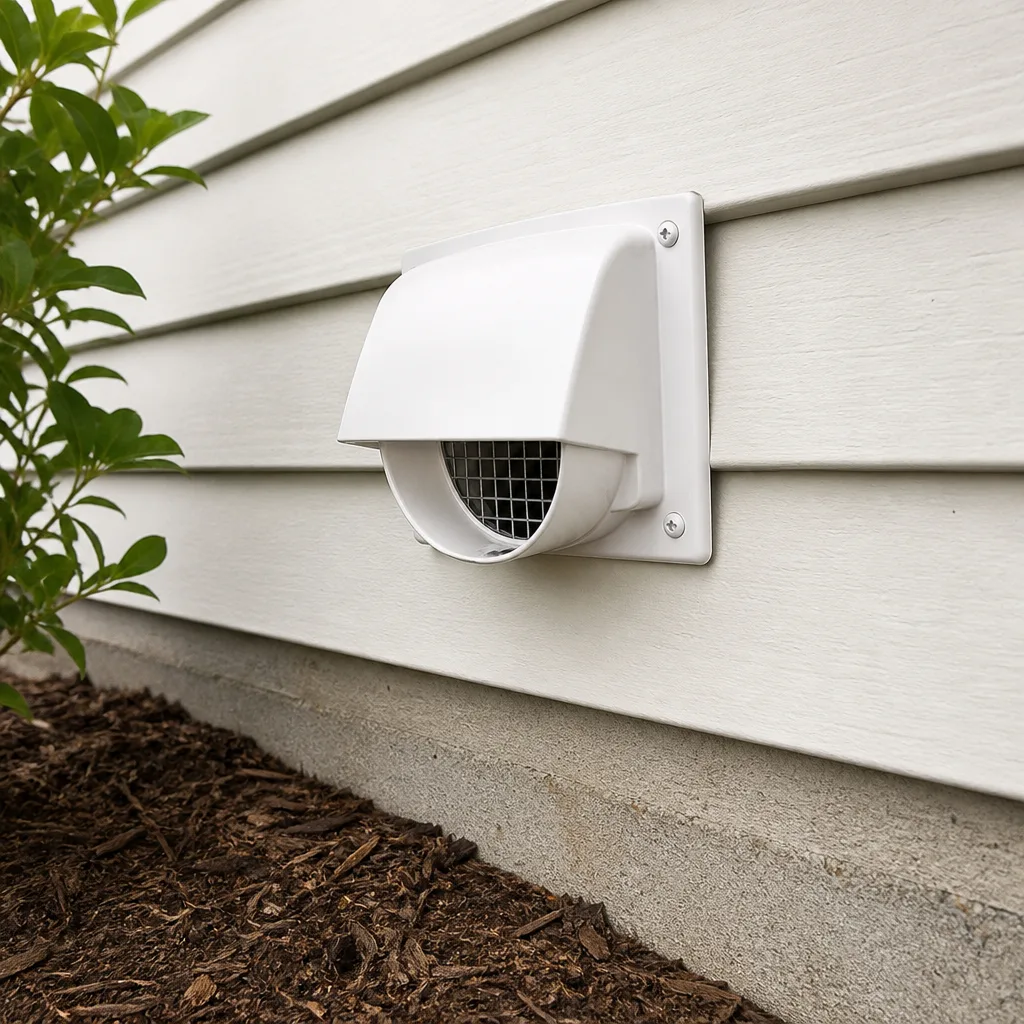 Dryer vent cleaning
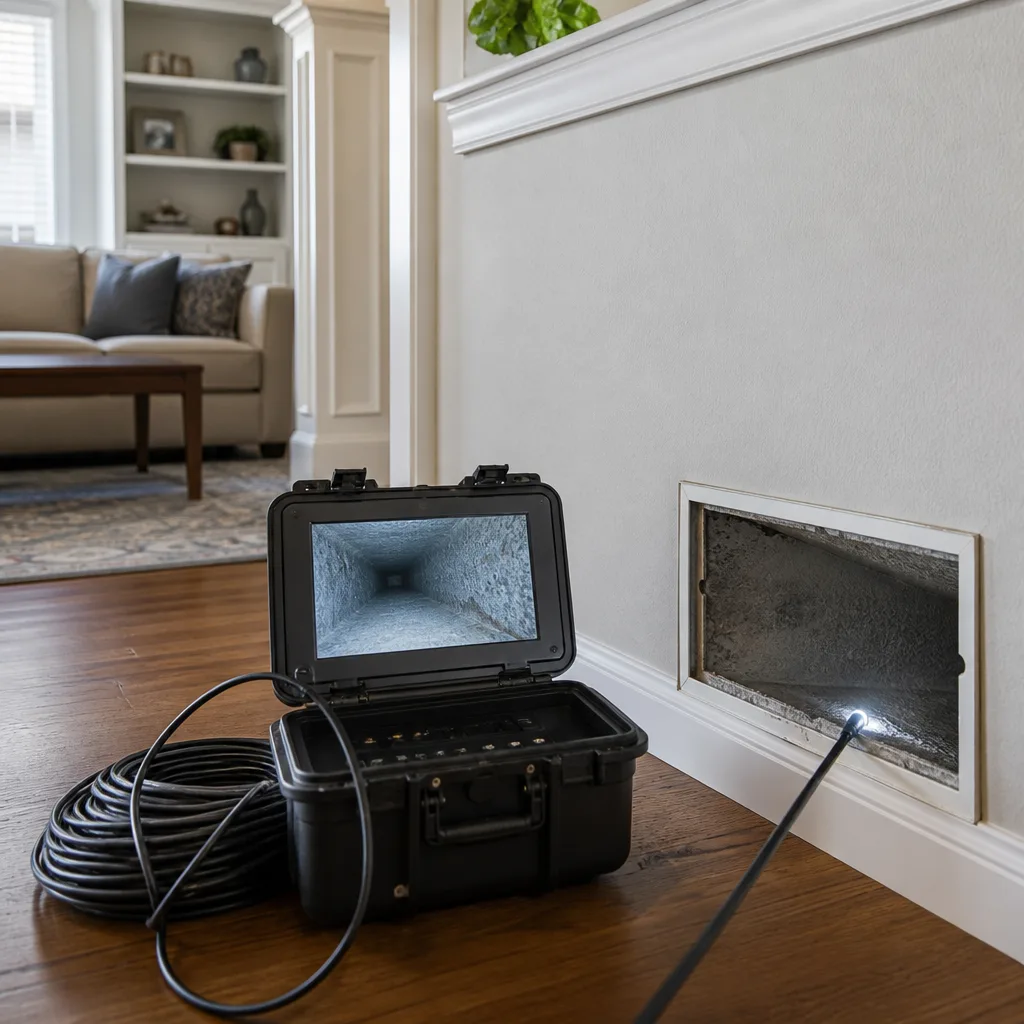 Camera inspection
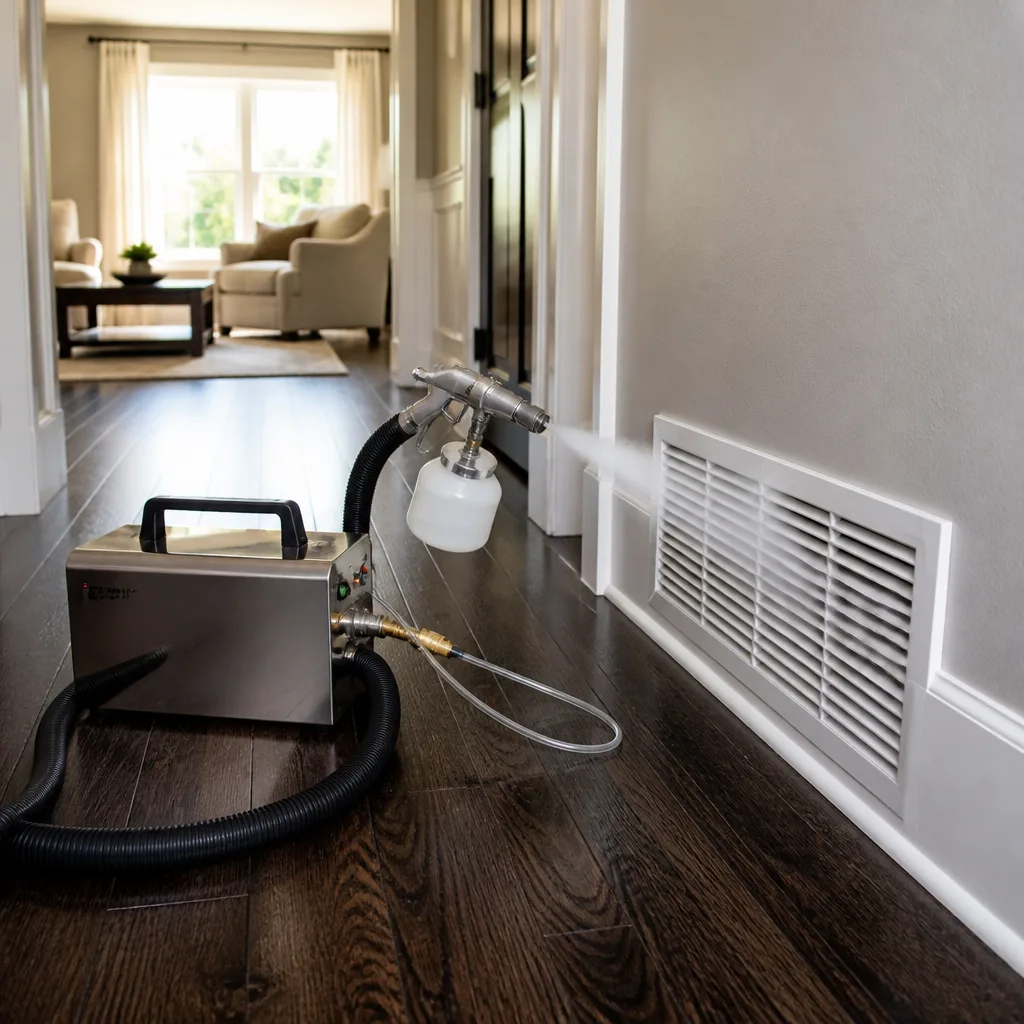 Sanitizing & deodorizing
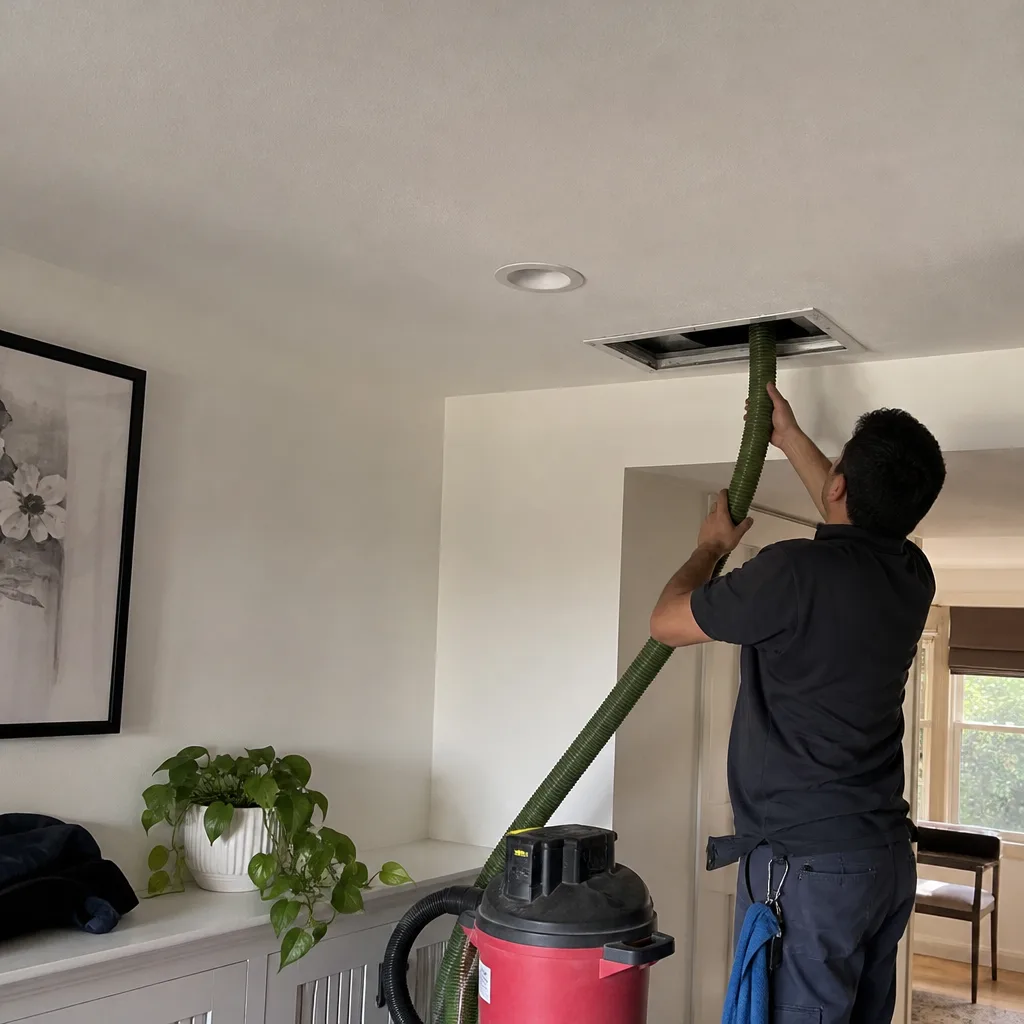
Whole-system duct and dryer vent check with before-and-after photos - you see exactly what came out of your vents
That "$99 whole-house special" is a bait ad - the real number appears once they are in your hallway, or the "clean" is a shop-vac at the register. We photograph the inside of your ducts before and after instead.
Guardsman Vent Sanitizing: The San Francisco Owner’s Guide
If your Guardsman vent sanitizing system has stopped doing its job, we stock the replacement parts and can usually get them installed the same week you call, with typical installed pricing in San Francisco running between $225 and $480 depending on the model and what’s failed. You’ll notice the problem long before the system quits entirely: a faint mustiness that returns a few days after cleaning, airflow that feels weaker than it used to, or an indicator light that’s gone dark on the control module. This page covers which Guardsman parts we replace, what they cost, and how to tell a simple fix from a full component swap.
Key Takeaways:
- We stock Guardsman-compatible sanitizing lamps, ballasts, and control modules for most residential units
- Installed pricing starts around $225 for a single lamp swap; full module replacement runs $350 – $480
- San Francisco’s coastal humidity shortens lamp life by roughly 20 – 30% compared to drier inland climates
- Every replacement includes a written price before work starts and the 365-Day Done Right Promise
Which Guardsman Models This Applies To
Guardsman vent sanitizing components fall into three general families, and the right replacement part depends on which one you have. The in-duct UV sanitizing lamps, used in many Guardsman whole-home units, are typically 14 inches or 18 inches long with a standard four-pin base, but the wattage varies: 36-watt lamps fit the smaller residential units, while the longer 18-inch lamps run at 55 watts and are keyed differently so you can’t accidentally swap the wrong one in. The second family is the standalone sanitizing module, which sits above the coil or inside the plenum and combines a lamp with a small ballast board; these are model-stamped on the housing, usually starting with “GS” followed by four digits. The third is the control relay that ties the sanitizing cycle to your air handler’s blower, and that part is the one we see fail most often in San Francisco homes, especially in older systems where the relay contacts arc from years of damp cycling near the coast.
The practical issue we run into constantly: the lamp itself may be fine while the ballast has failed, or vice versa. Owners replace the lamp, the system still doesn’t work, and they assume the whole unit is dead. Before you buy anything, look for the model stamp on the module housing, not the lamp. The model number tells us the ballast spec and whether Guardsman’s OEM part is the only option or a quality aftermarket equivalent will do the job. In most cases, a Miller or LightSources replacement lamp works identically to the OEM and costs 30 – 40% less, but the ballast boards are proprietary enough that we recommend OEM there.
Styles & brands we work with
Signs Your Guardsman Vent Sanitizing Is Failing
- The sanitizing indicator light stays off or flickers. On most Guardsman modules, that light is wired through the ballast, not the lamp itself. A dead light with no other symptoms usually means the ballast has failed, not the bulb. If the light flickers, you’re often looking at a lamp near the end of its useful hours.
- House smells return within a week of cleaning. The whole point of vent sanitizing is that the treated air keeps the duct interior from regrowing whatever was just cleaned out. When odors come back fast, the lamp has often lost enough UV output that it’s still glowing but no longer killing anything. UV lamps degrade gradually; they don’t just turn off.
- You can see darkening or a white film at the lamp ends. That’s sputtered material from the lamp electrodes, and it’s a normal end-of-life signature. Once you see it, the lamp is producing maybe half its original output. It’s not a mechanical failure, but it means the sanitizing is effectively over.
- The system trips the breaker or blows a fuse. If your air handler circuit trips when the sanitizer is wired into the blower relay, a shorted ballast is the usual culprit. This is the one symptom where we tell people to stop troubleshooting and call us. A shorted ballast is an electrical fire risk, not a nuisance trip.
- You hear a faint buzzing from the plenum area. That’s the ballast struggling to strike the lamp. It will usually buzz for a while before the lamp fails to ignite at all. If you catch it at the buzzing stage, you may only need a lamp rather than a full module rebuild.
Replacement Cost & What’s Included
Here’s what we charge in San Francisco, in writing, before we start:
- Single UV lamp replacement: $225 – $285 installed
- Ballast replacement (OEM): $190 – $260 installed
- Full sanitizing module rebuild (lamp + ballast + housing inspection): $350 – $480 installed
- Control relay replacement: $180 – $240 installed
What drives the range: lamp wattage and length, whether the module is accessible through a plenum panel or requires careful disassembly of the duct section, and whether we’re matching an aftermarket lamp to an OEM ballast. Some San Francisco homes, particularly older Edwardian flats in the Richmond and Sunset districts, have tight mechanical closets where access takes an extra 30 to 45 minutes. That labor shows up honestly in the quote, not as a surprise later. Every price above includes the part, the labor, the old part removed, and a verification that the system is striking and producing UV before we leave. You get the written price before any work begins, and the replacement is covered by the 365-Day Done Right Promise: if the part or our installation fails within a year, we come back and make it right at no charge.
As Marcus Veale puts it: “If I wouldn’t put it in writing before the job starts, it shouldn’t come out of my mouth either.”
See the difference
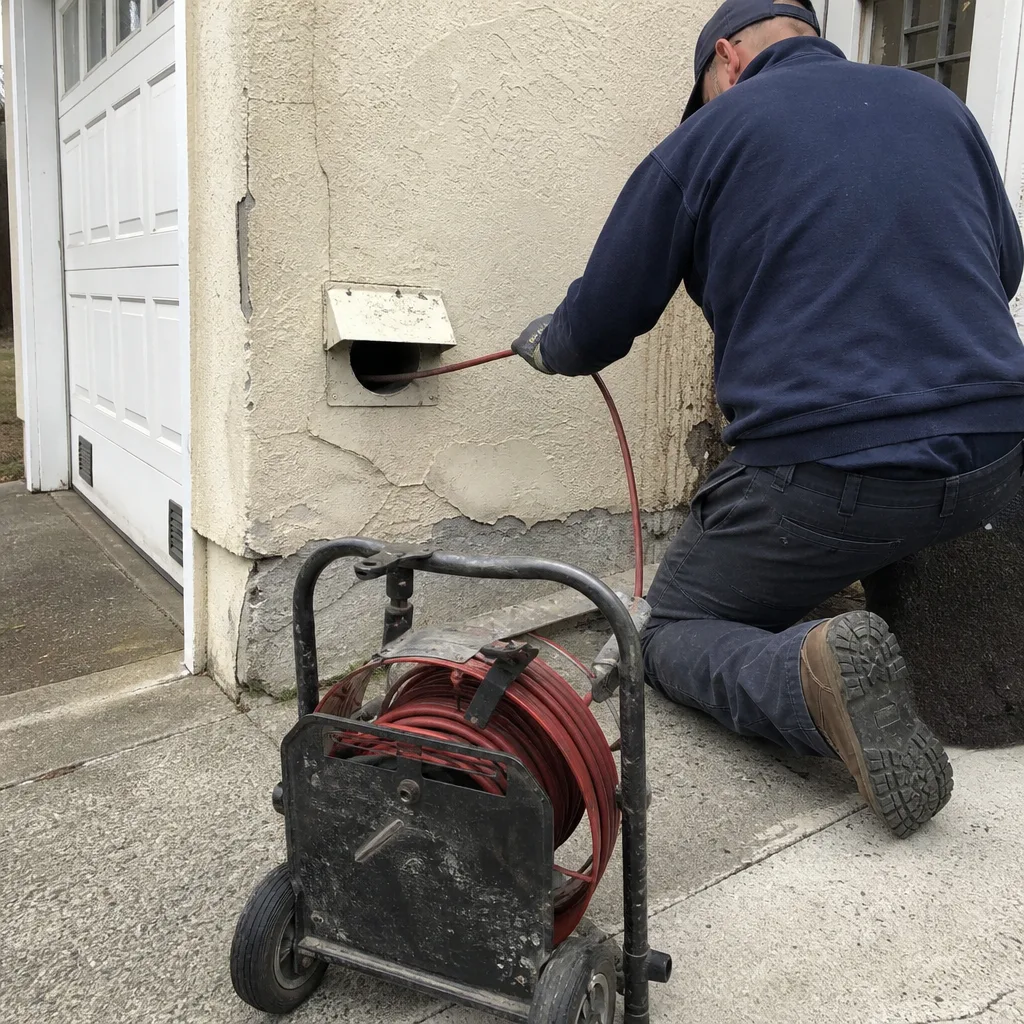 Before
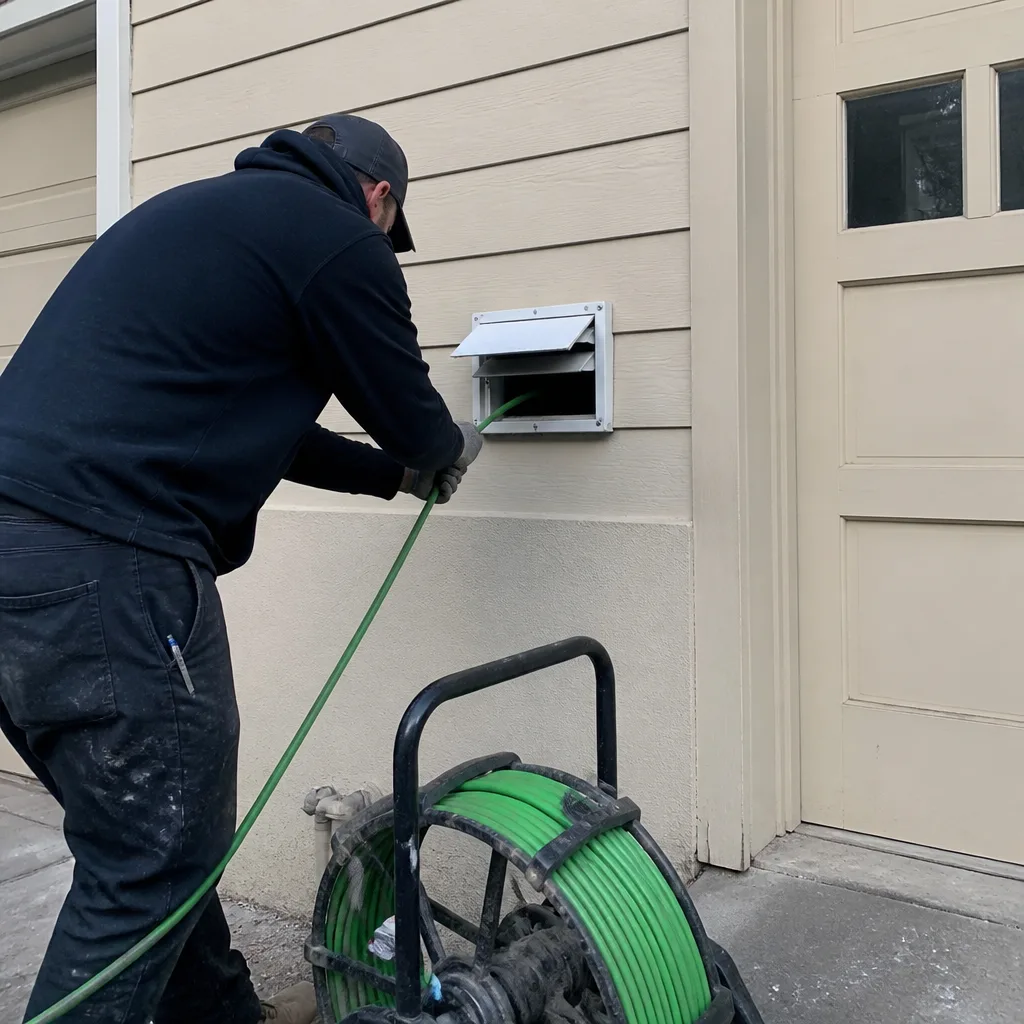 After
After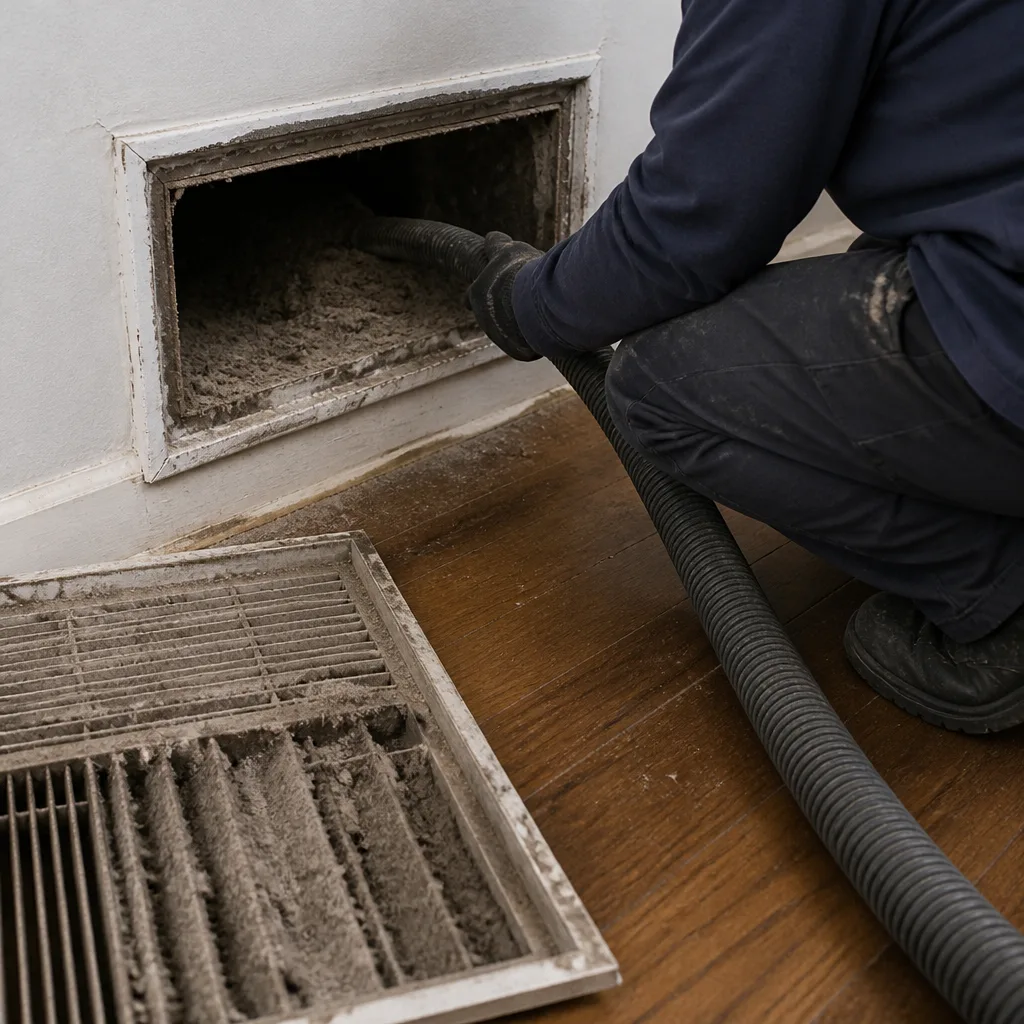 Before
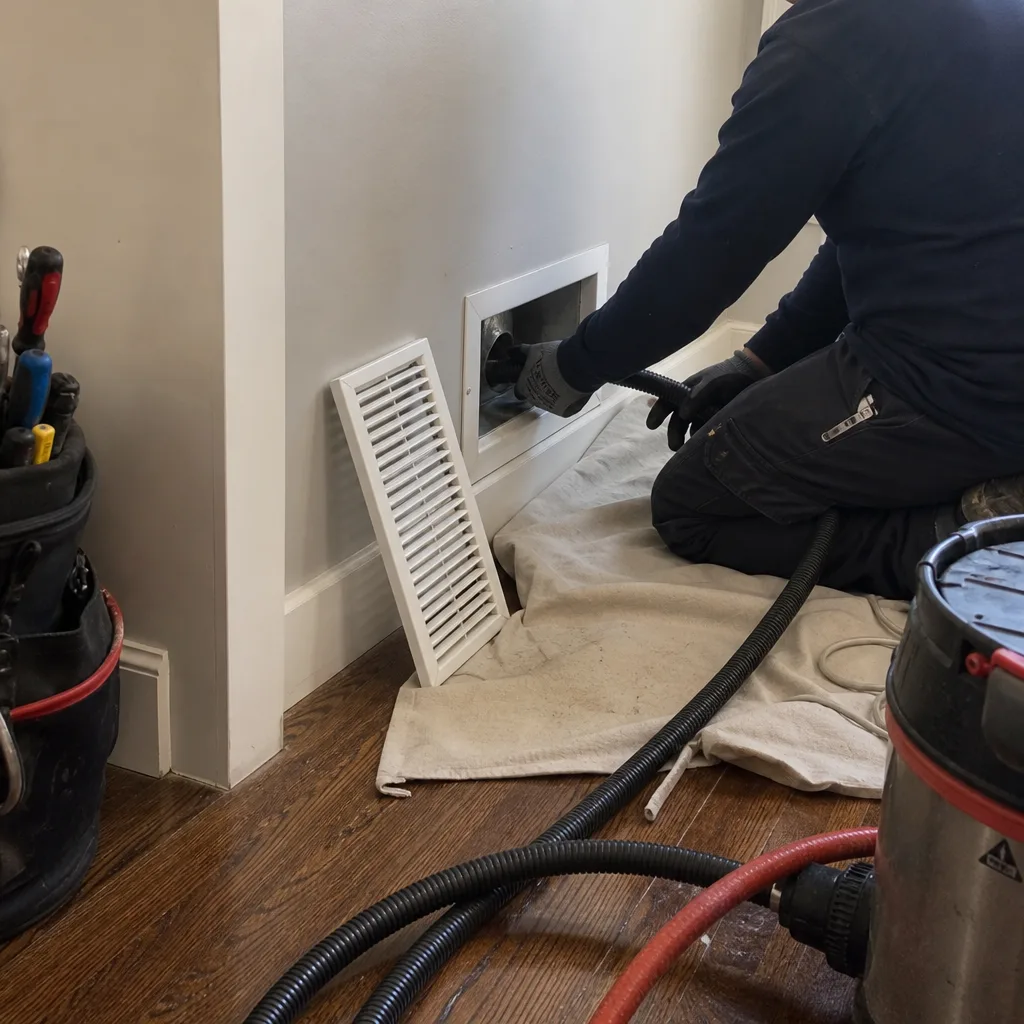 After
After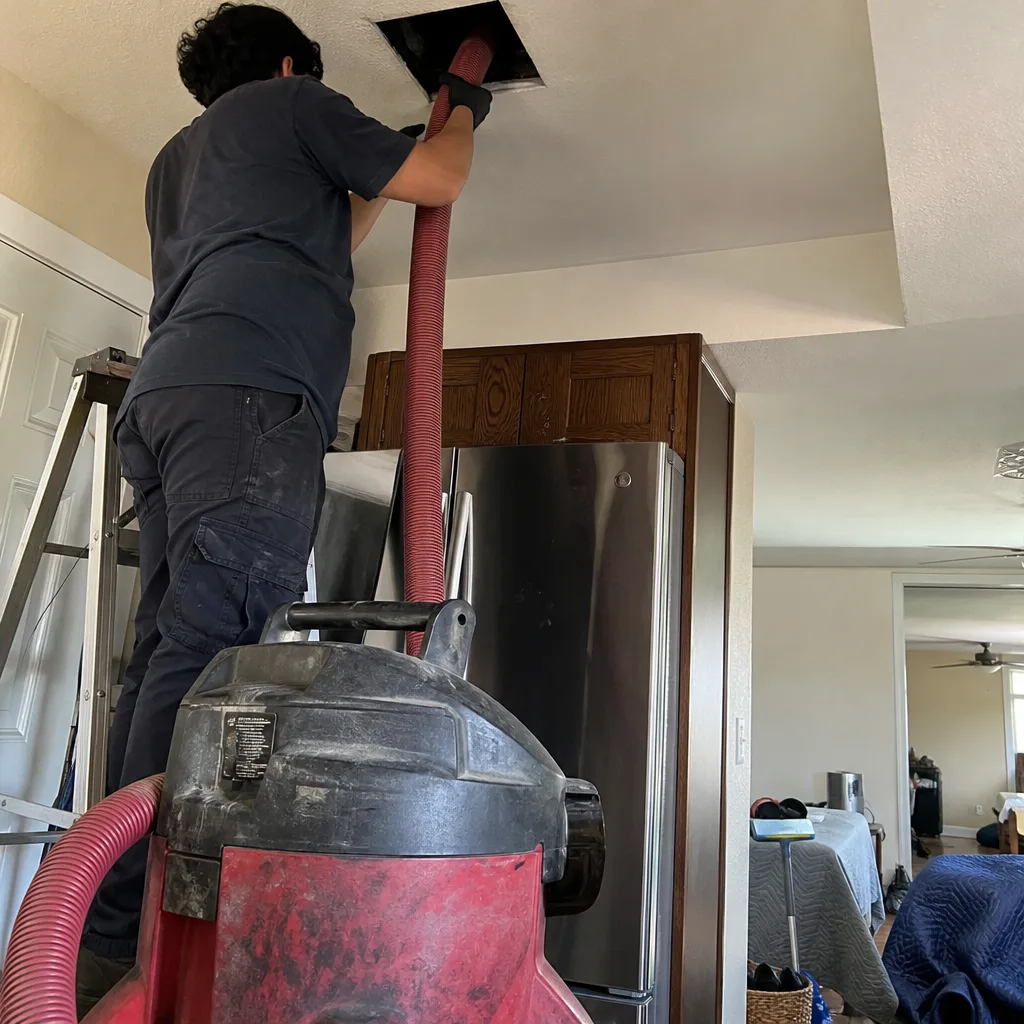 Before
 After
AfterDIY or Call Us?
Here’s the honest split. What most owners can safely do is identify the part: remove the access panel (with the system off), read the model stamp, and note whether the lamp shows end-of-life darkening. That information saves a service call from turning into a diagnostic appointment. What you shouldn’t do: attempt a ballast or relay replacement yourself. The ballast operates at high voltage even when the system is idle, and a shorted unit means live wiring is involved. UV lamps also produce harmful output when struck, so testing a lamp outside its shielded housing is something we do with eye protection and a UV meter, not by eye. San Francisco’s older homes often have original wiring that doesn’t match modern color codes, which makes a simple swap turn into a voltage guess. If you’re not certain what you’re looking at, call us at (951) 527-6259 and describe the symptom. We’ll tell you over the phone whether it’s likely a lamp or a module, and what the replacement should cost before we even book the visit.
FAQs
In San Francisco’s coastal humidity, expect 18 to 24 months of effective sanitizing from a Guardsman lamp, versus the 24 to 30 months you’d see in a drier climate like Sacramento or the Central Valley. The lamp will keep glowing past that, but the UV output drops below the germicidal threshold. If you can’t remember the last time it was replaced, it’s likely due. Call (951) 527-6259 for a replacement quote, and we’ll check the lamp output while we’re there.
Most modules can be repaired: a failed ballast or an exhausted lamp is a component swap, not a module replacement. The exception is a module with a cracked housing or water ingress from condensation, which is rare but does happen in San Francisco’s damp crawlspaces. We’ll tell you which situation you have before any work is quoted.
Most lamp and ballast swaps take 45 to 90 minutes on site, depending on how much disassembly the mechanical closet requires. Older San Francisco homes with tight access add time, but you’ll know the total before we begin. We have most Guardsman-compatible components on the truck.
We stock the common Guardsman lamp sizes and the standard ballasts on our trucks, so most replacements are done in one visit. For less common module variants, we order directly from the supplier, which typically adds 2 to 4 business days. When you call, we’ll confirm what we have before scheduling. We also carry parts for other major brands, including Lennox, Trane, and Carrier, in case you have mixed-brand equipment.
Ready to Get Your Vent Sanitizing Working Again?
Call Linden Air Duct San Francisco at (951) 527-6259 for a free estimate. You’ll speak to a live person, get a written price before any work begins, and know exactly who’s coming to your door, with their name and photo sent to you before the visit. Serving San Francisco and nearby areas since 2004, with the Threshold Standard on every job.
Written by Marcus Veale, Owner, Linden Air Duct San Francisco at Linden Air Duct San Francisco, serving San Francisco and nearby areas.