
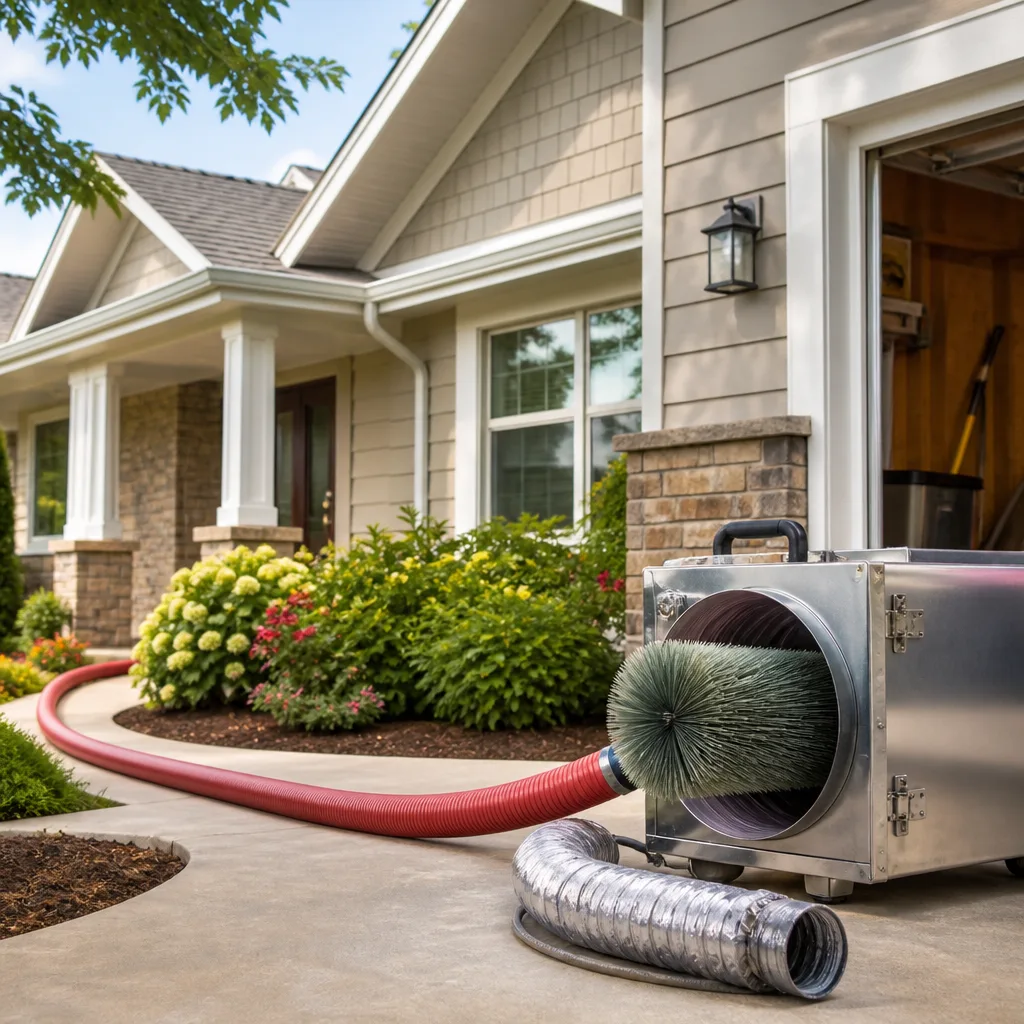
 Whole-home duct cleaning
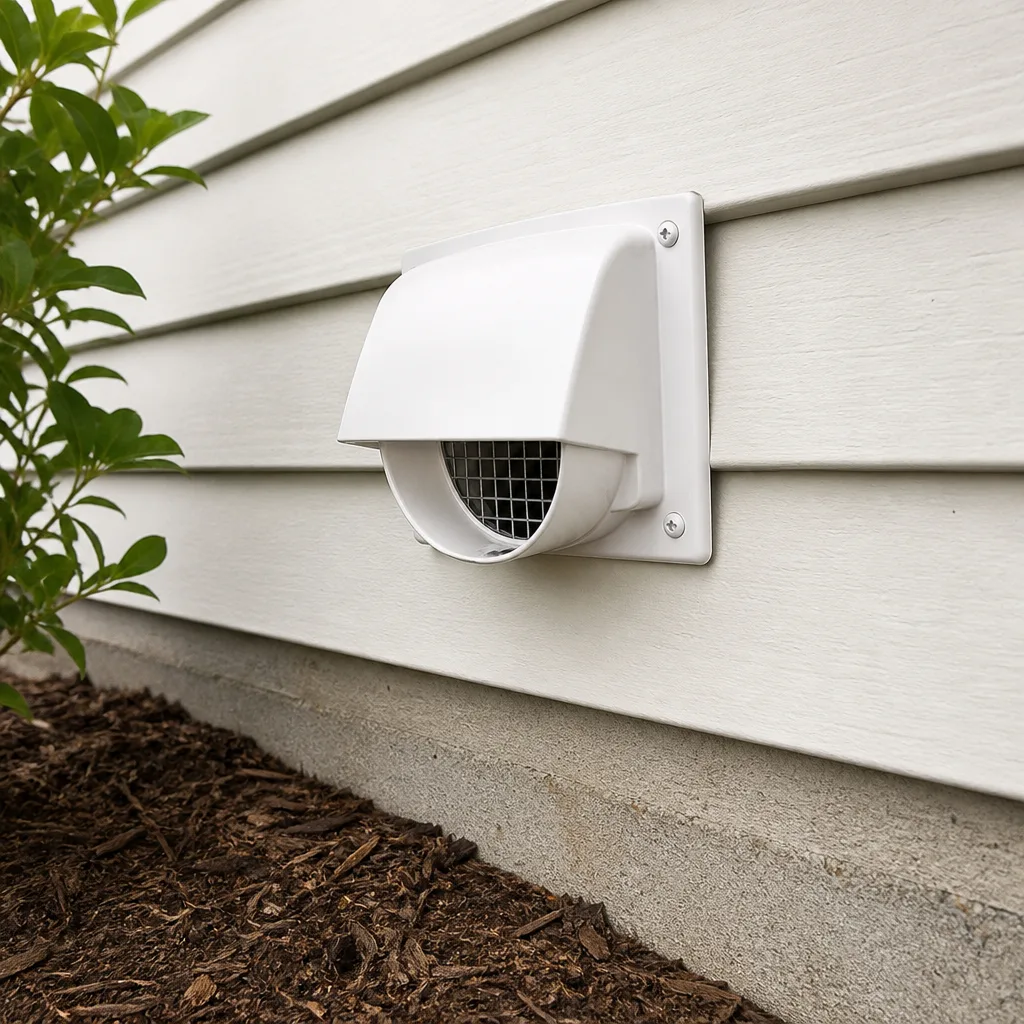 Dryer vent cleaning
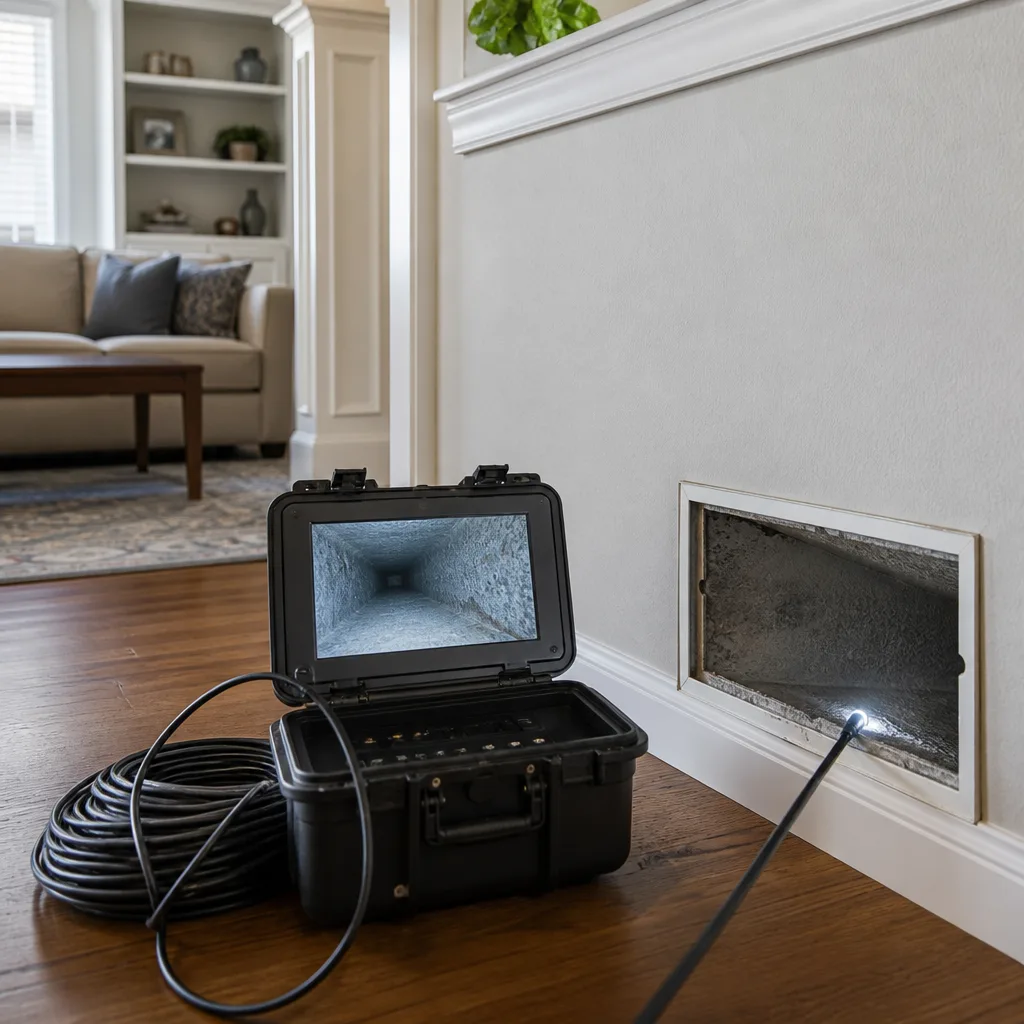 Camera inspection
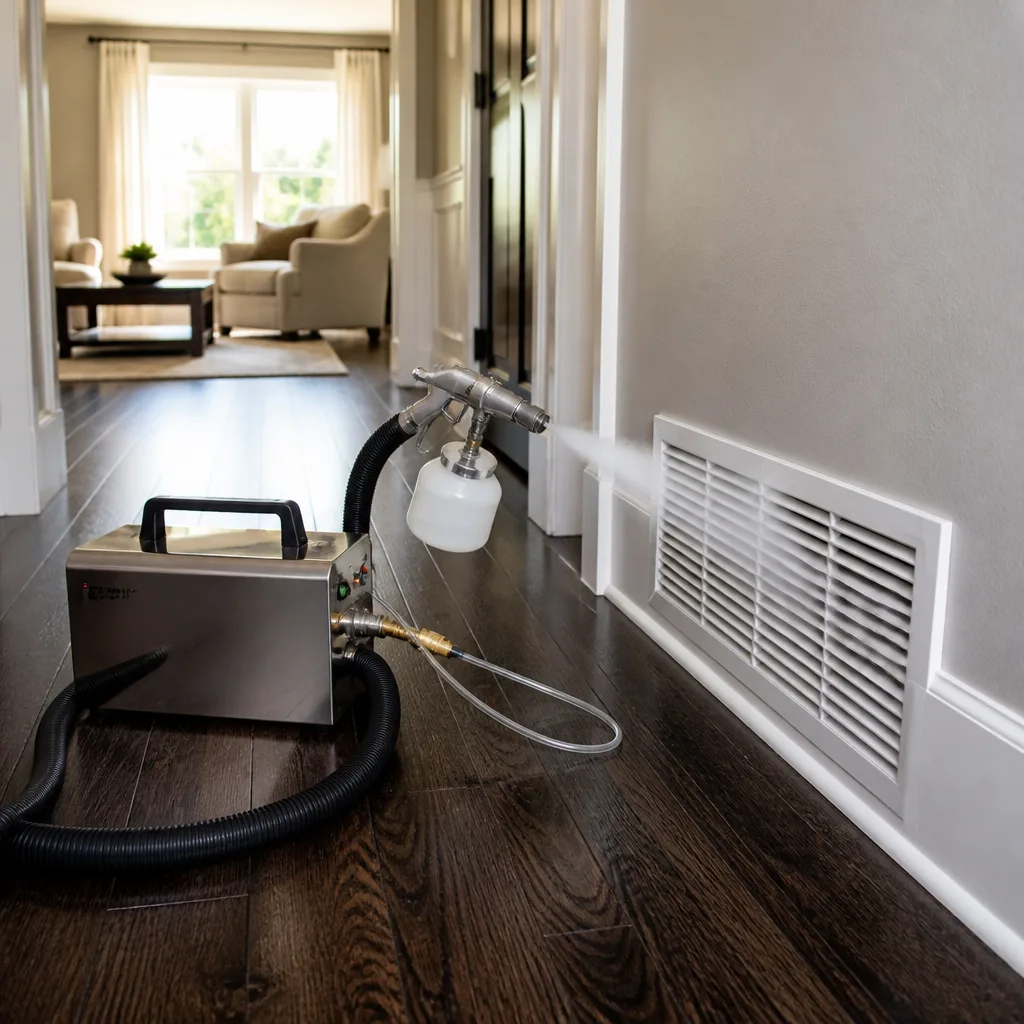 Sanitizing & deodorizing
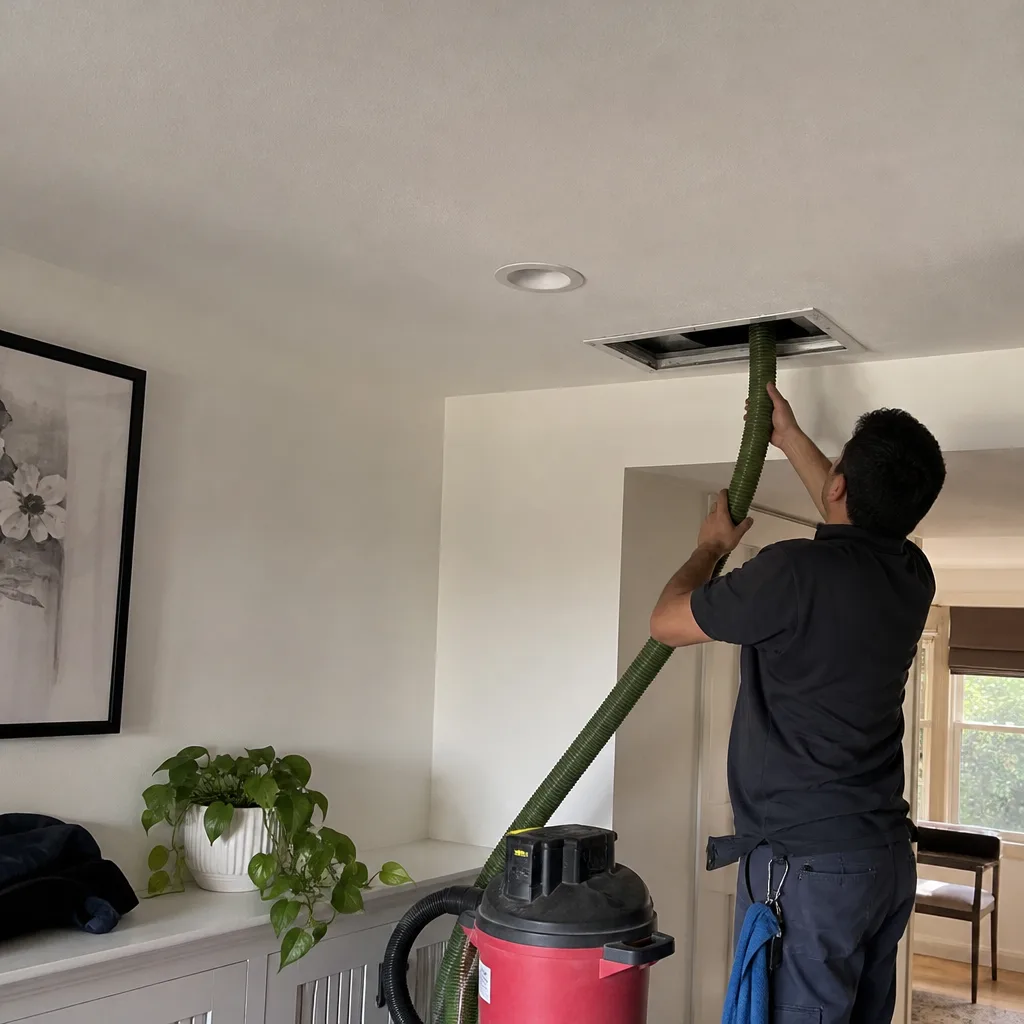
Whole-system duct and dryer vent check with before-and-after photos - you see exactly what came out of your vents
That "$99 whole-house special" is a bait ad - the real number appears once they are in your hallway, or the "clean" is a shop-vac at the register. We photograph the inside of your ducts before and after instead.
Honeywell Duct Sealing & Repair: The San Francisco Owner’s Guide
If you have a Honeywell duct sealing system that’s failed or is leaking, we stock the replacement parts and repair kits on our trucks and can usually complete the seal repair in one visit. Installed pricing for Honeywell duct sealing repair in San Francisco typically runs $425 to $1,300, depending on how much of the sealing membrane or tape system has to be replaced and how accessible your duct runs are. Most homeowners discover the problem as a sudden dust bloom around vent registers, a whistling sound from wall cavities, or a heating bill that climbs without explanation. When the seal around a Honeywell duct joint lets go, conditioned air stops going where it’s paid to go and starts pressurizing the space inside your walls and floors.
Key Takeaways:
- We stock Honeywell-compatible duct sealing membrane, mastic tape, and joint collars on the truck for same-visit repairs.
- Typical installed cost in San Francisco: $425 – $1,300, written before work begins.
- Honeywell sealing systems use a specific adhesive chemistry that does not play well with big-box silicone caulk. Using the wrong sealant makes the problem worse, not better.
- Every repair is covered by a written 365-Day Done Right Promise with a free second visit if the seal does not hold.
Which Honeywell Models This Applies To
Honeywell’s duct sealing product line spans three generations. The older TrueZONE and Enviracaire series used a foil-backed butyl tape at duct collars and plenum joints. The mid-generation PerfectFit line moved to a peel-and-stick elastomeric membrane with a white polyethylene facing. The current Home Comfort line uses a liquid-applied mastic with embedded fiberglass mesh at high-stress joints. Each one fails differently, which is why matching the repair material to the generation matters. If you have a Honeywell-branded duct sealing kit sticker on your furnace cabinet or air handler, the model code starts with DS followed by three digits (DS100 through DS400). That sticker tells us exactly which adhesive system we’re working with.
A note on OEM versus aftermarket here, because it actually matters for this part class. Honeywell’s OEM sealing kits are priced at a premium and often ship with a 10-day lead time. The aftermarket equivalents from Hardcast and RCD Corporation use chemically compatible butyl and acrylic formulations and are stocked locally. We install both depending on what’s already on the duct, but for older TrueZONE systems, the aftermarket butyl tape actually bonds better to aged galvanized than the original material did. An independent note: Linden Air Duct San Francisco is not affiliated with Honeywell or any manufacturer. We stock and install their compatible parts because our customers ask for them by name.
Styles & brands we work with
Signs Your Honeywell Duct Sealing & Repair Is Failing
- Dust lines radiating from vent registers. When a seal lets go, the duct system pulls dirty attic or crawlspace air in through the gap. That dust shows up as gray streaks on the wall or ceiling around each supply register.
- A whistling or hissing sound from wall or floor cavities. Air escaping at 0.1 to 0.3 inches of static pressure makes a distinct high-pitched sound. San Francisco’s older homes with lath-and-plaster walls amplify it.
- Rooms that used to hold temperature now swing, especially upper floors in multi-story homes. Sealed ducts lose almost no air; unsealed ducts routinely lose 15 to 25 percent of conditioned airflow before it reaches the room.
- A musty smell only when the system runs. The gap pulls air from interstitial spaces: the mold-prone, damp cavities between floors and walls. In San Francisco’s fog belt neighborhoods like the Richmond and Sunset, that cavity air is often damp year-round.
- Heating or cooling bills climbing 10 percent or more with no change in usage or rates. This is the most common way owners find failed duct seals: the utility bill tells them before any visible symptom shows up.
See the difference
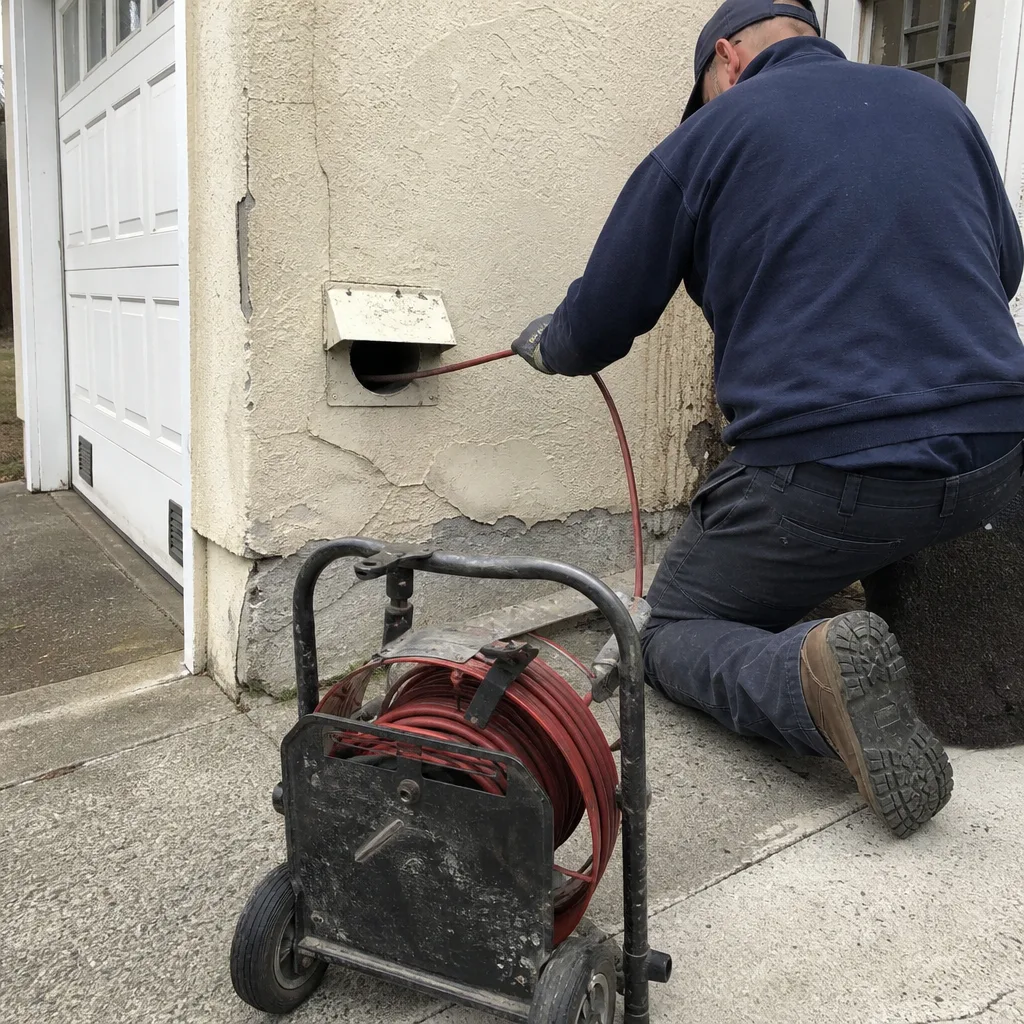 Before
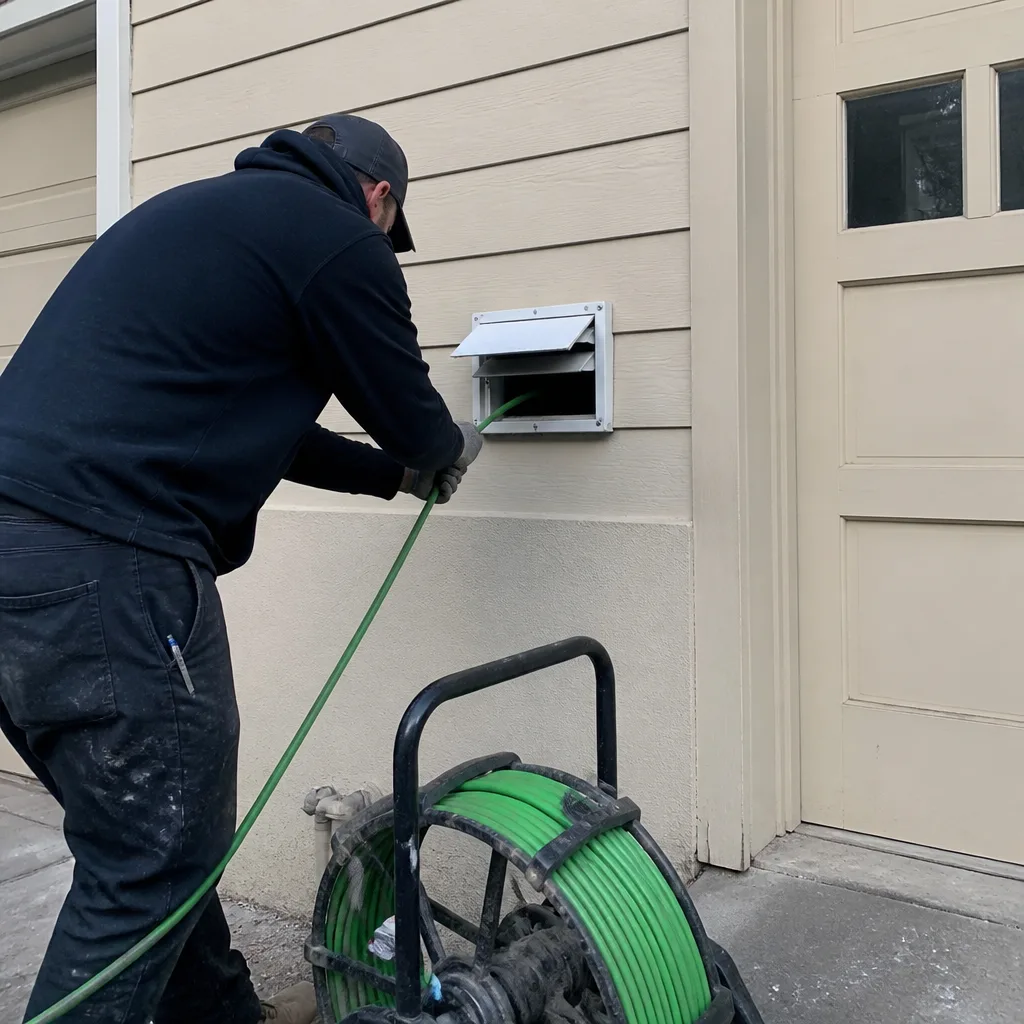 After
After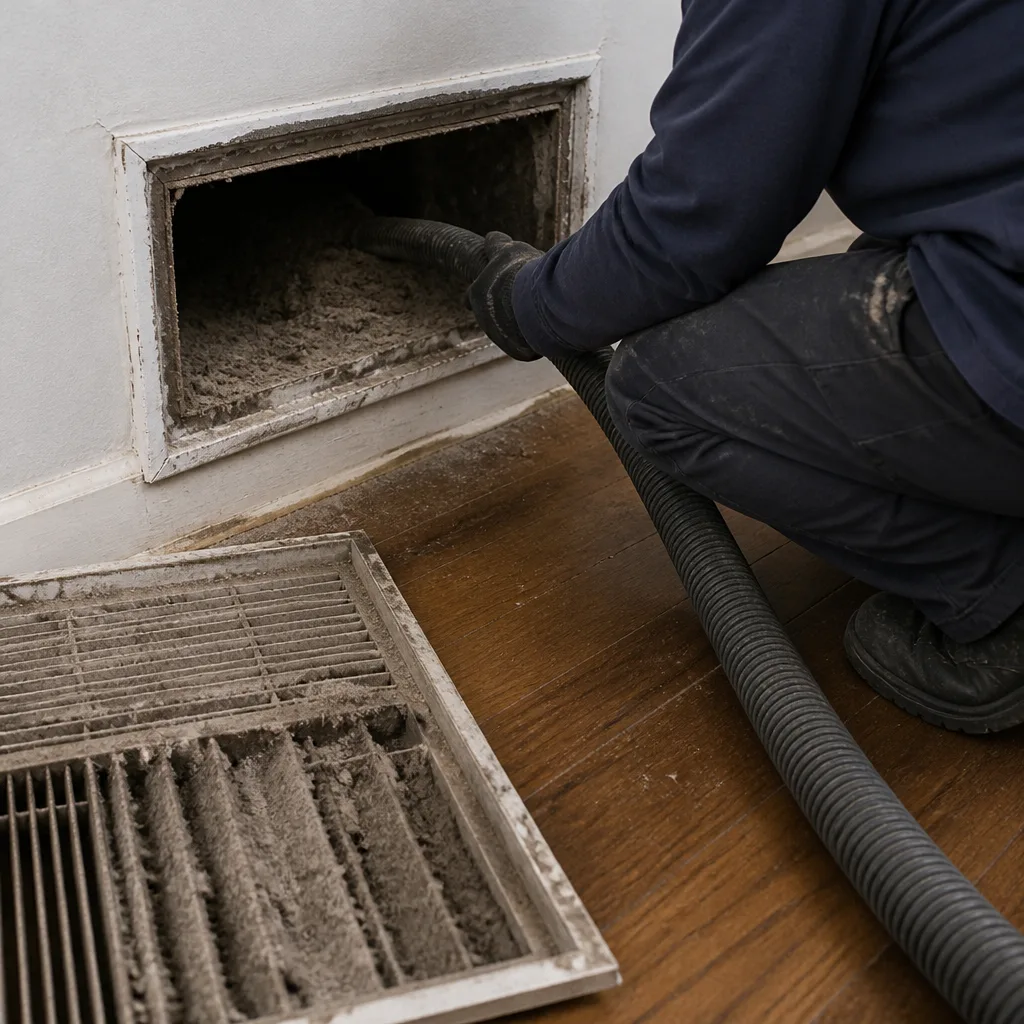 Before
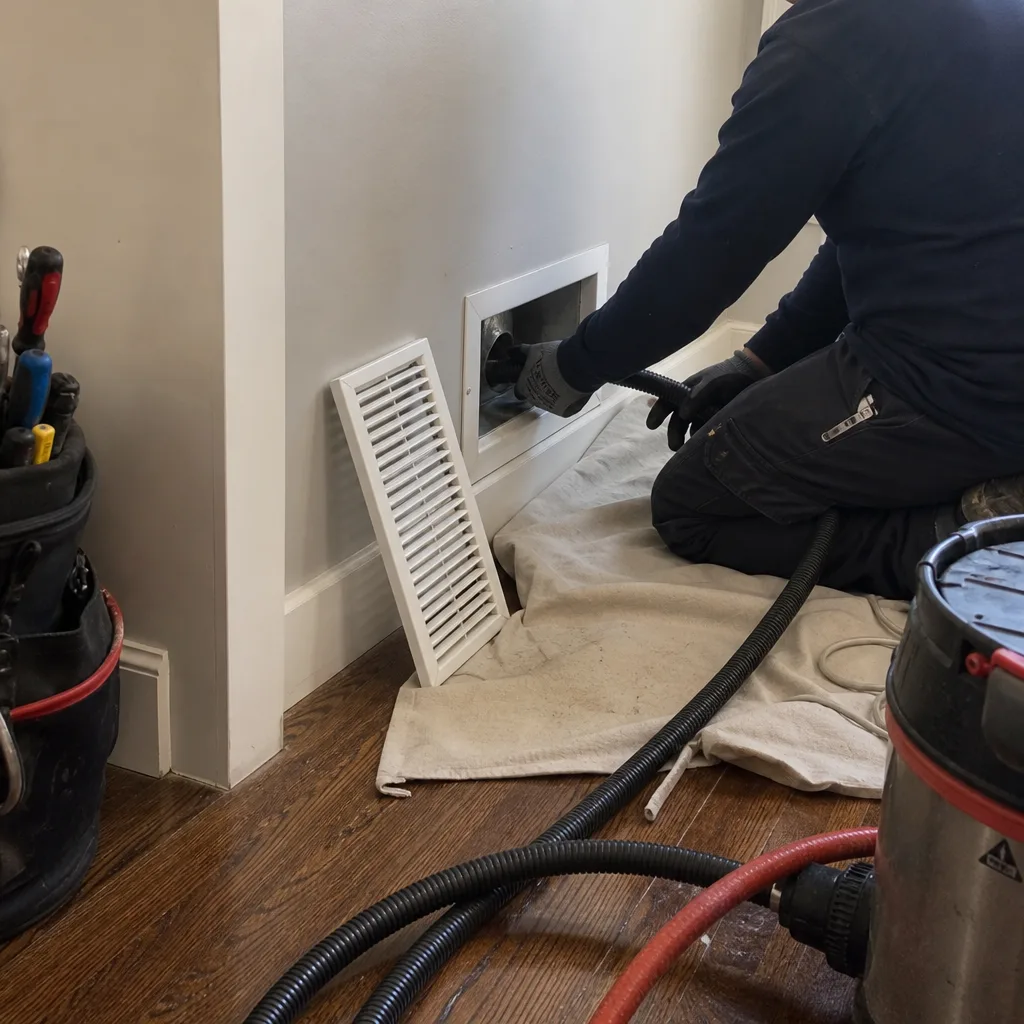 After
After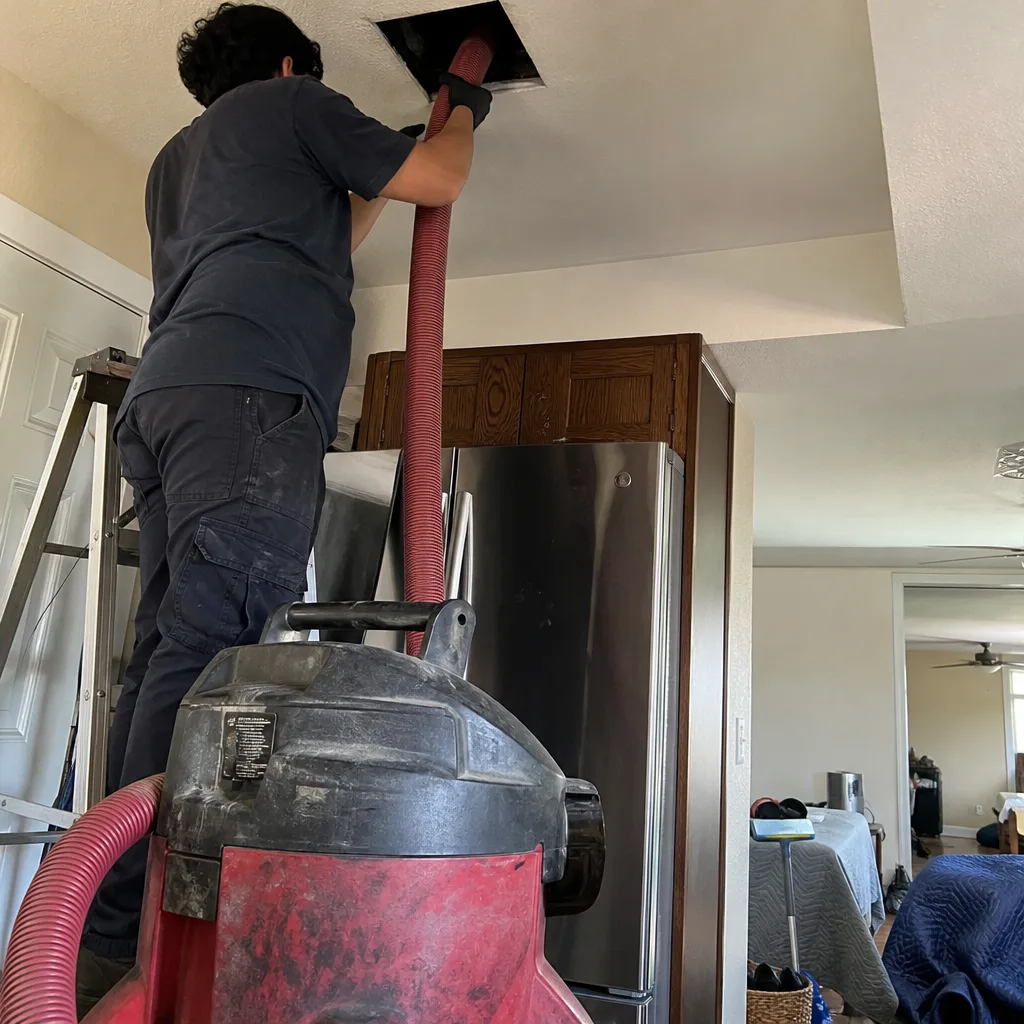 Before
 After
AfterReplacement Cost & What’s Included
In San Francisco, expect to pay between $425 and $1,300 for Honeywell duct sealing repair, installed. The range breaks down like this: a single failed joint or collar runs $425 to $600. A multi-joint repair across one full duct branch runs $600 to $900. A full supply-side reseal on an average three-bedroom home, which means every accessible joint and plenum collar, runs $900 to $1,300. The two variables that move the price are access and surface area. Ducts in a San Francisco basement or open crawlspace are inexpensive to reach. Ducts buried in a flat-roof Edwardian’s ceiling cavity are a different job entirely.
Every quote includes the sealing material, surface prep, mechanical fasteners where the original hangers have pulled loose, and labor. The price is written down and handed to you before we touch a single vent, every single time. There is no per-joint upsell and no surprise line item at the end. If you want to know why our price is what it is, we’ll show you the material list and the labor allocation. If I wouldn’t put it in writing before the job starts, it shouldn’t come out of my mouth either.
DIY or Call Us?
There’s one thing you can safely do yourself: identify the leak. Turn your system on, walk the accessible duct runs, and feel for air moving where it shouldn’t be. A damp hand near a joint will find a leak fast. Mark the spot with masking tape and call us. What you should not do is open a duct joint to “reseal” it yourself with off-the-shelf silicone or hardware-store duct tape. Here’s why. Honeywell sealing systems are pressure-rated assemblies. A wrong adhesive on a pressurized joint will fail in weeks, and now the duct cavity has loose adhesive debris in it. Worse, if you unseal a joint that’s carrying gas-appliance combustion makeup air, you’ve changed the house’s pressure balance, which can pull carbon monoxide into living space. That is a genuine hazard, not a hypothetical. For anything beyond identifying the leak, call a trained professional. We’re at (951) 527-6259.
FAQs
A properly installed Honeywell duct sealing system lasts 10 to 15 years in San Francisco’s climate before you’ll see meaningful seal degradation. Coastal moisture and salt air shorten that to 8 to 12 years in homes within a few blocks of the ocean, where humidity cycling stresses the adhesive bond more than inland areas. If your seals are 10-plus years old and you’re seeing dust or feeling drafts, they’re due. Call (951) 527-6259 and we’ll inspect them honestly.
A single failed joint or collar can almost always be repaired by cutting back the old seal, prepping the surface, and applying new compatible membrane or mastic. Full replacement is only needed when the original seal has failed across more than roughly 60 percent of the system or when the underlying duct metal has corroded. We’ll tell you which situation you have and show you the failed areas. Estimates are free.
Most single-joint Honeywell seal repairs in San Francisco take 90 minutes to two hours, including surface prep and curing check. A full supply-side reseal on a three-bedroom home takes four to six hours. The adhesive needs about 30 minutes of cure time before the system should be run at full pressure, and we test every repair before we leave.
We stock Honeywell-compatible butyl tape, elastomeric membrane, fiberglass mesh mastic, and stainless collars on our trucks, along with compatible aftermarket equivalents from Hardcast and RCD Corporation. For most San Francisco homes, that means same-visit repair is doable. We also stock sealing and repair parts for Lennox, Trane, and Carrier systems, but Honeywell is the one we get asked about most. Call (951) 527-6259 and tell us the model code from your equipment sticker; we’ll tell you exactly what we have for it, before you book anything.
Written by Marcus Veale, Owner, Linden Air Duct San Francisco at Linden Air Duct San Francisco, serving San Francisco and nearby areas.