
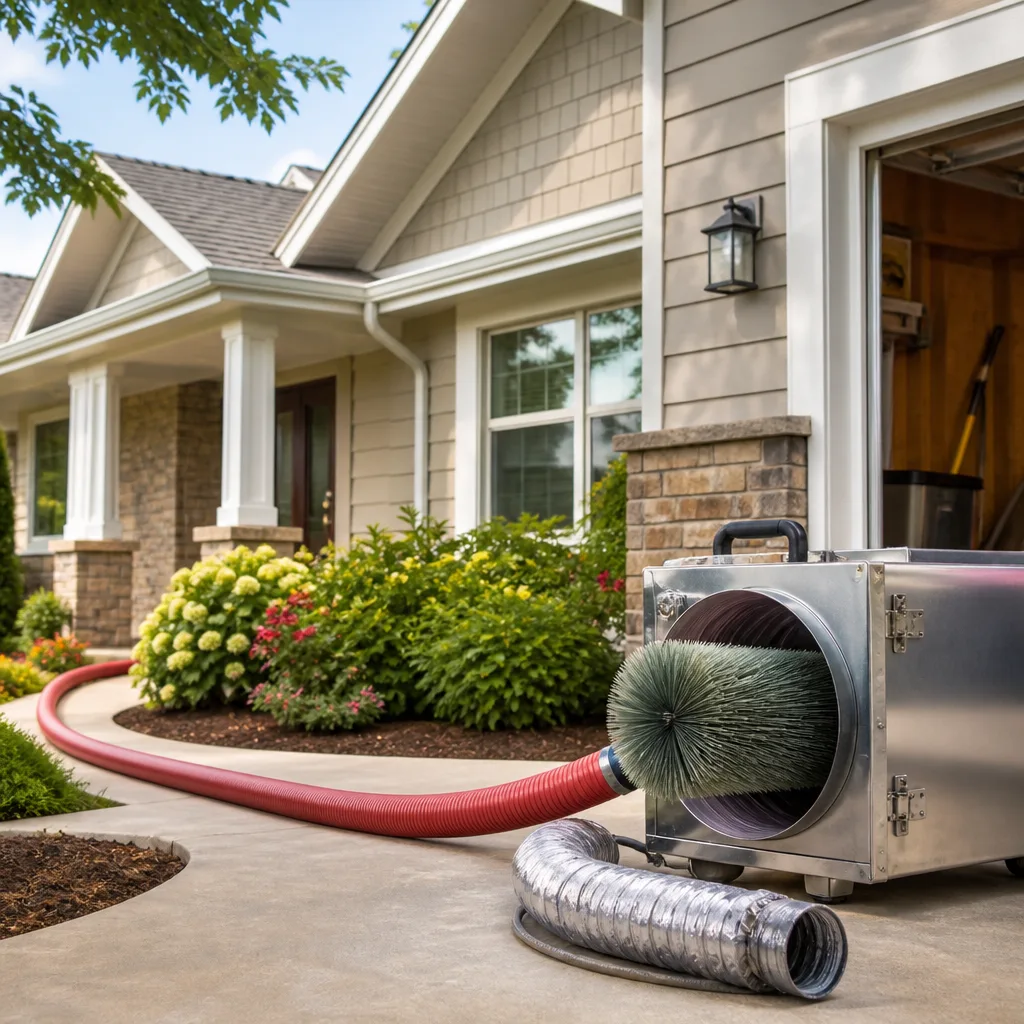
 Whole-home duct cleaning
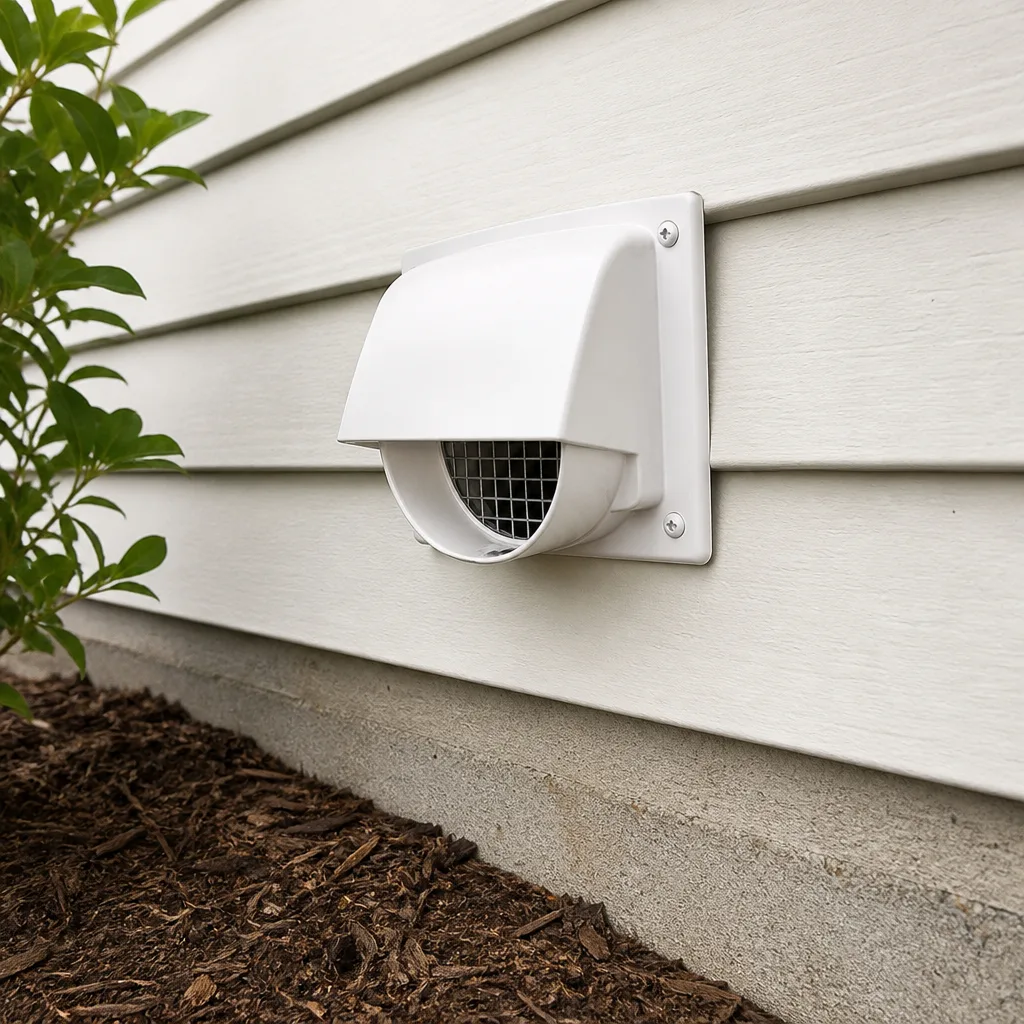 Dryer vent cleaning
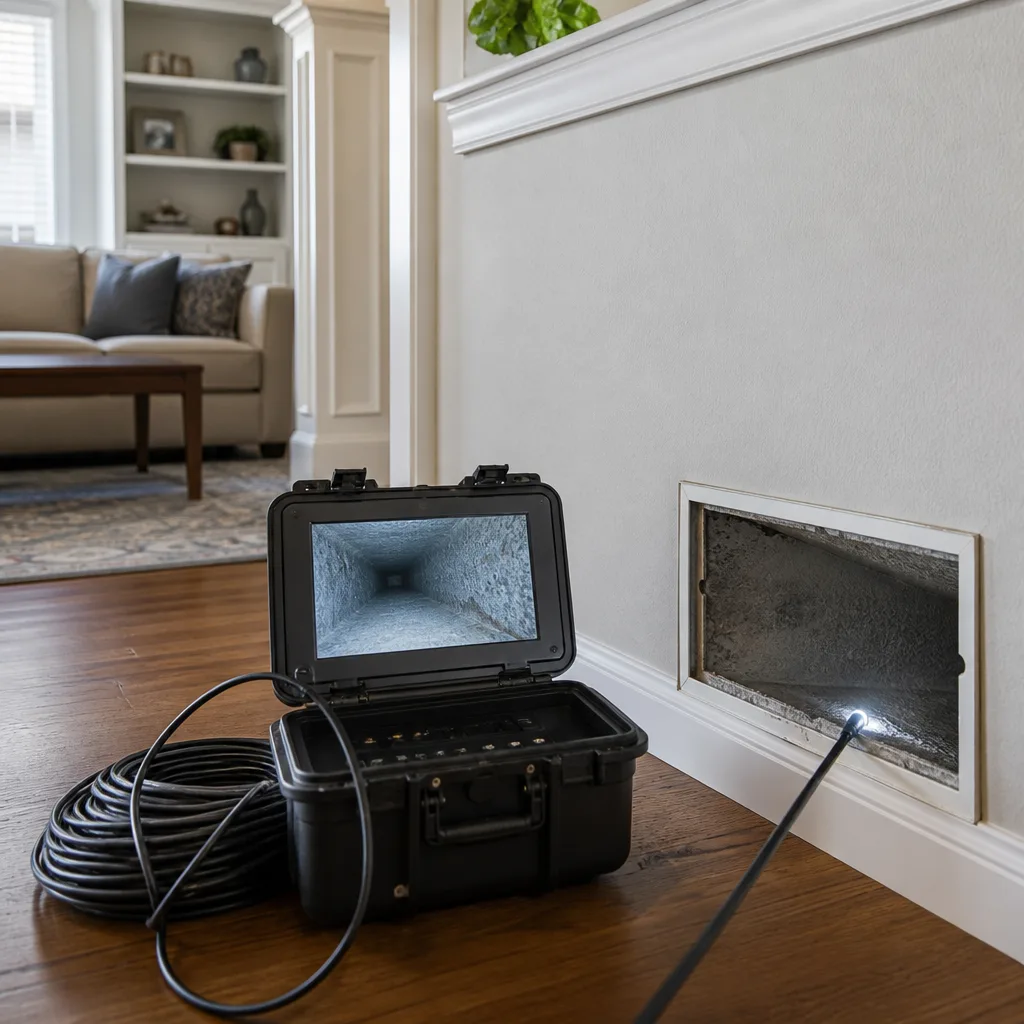 Camera inspection
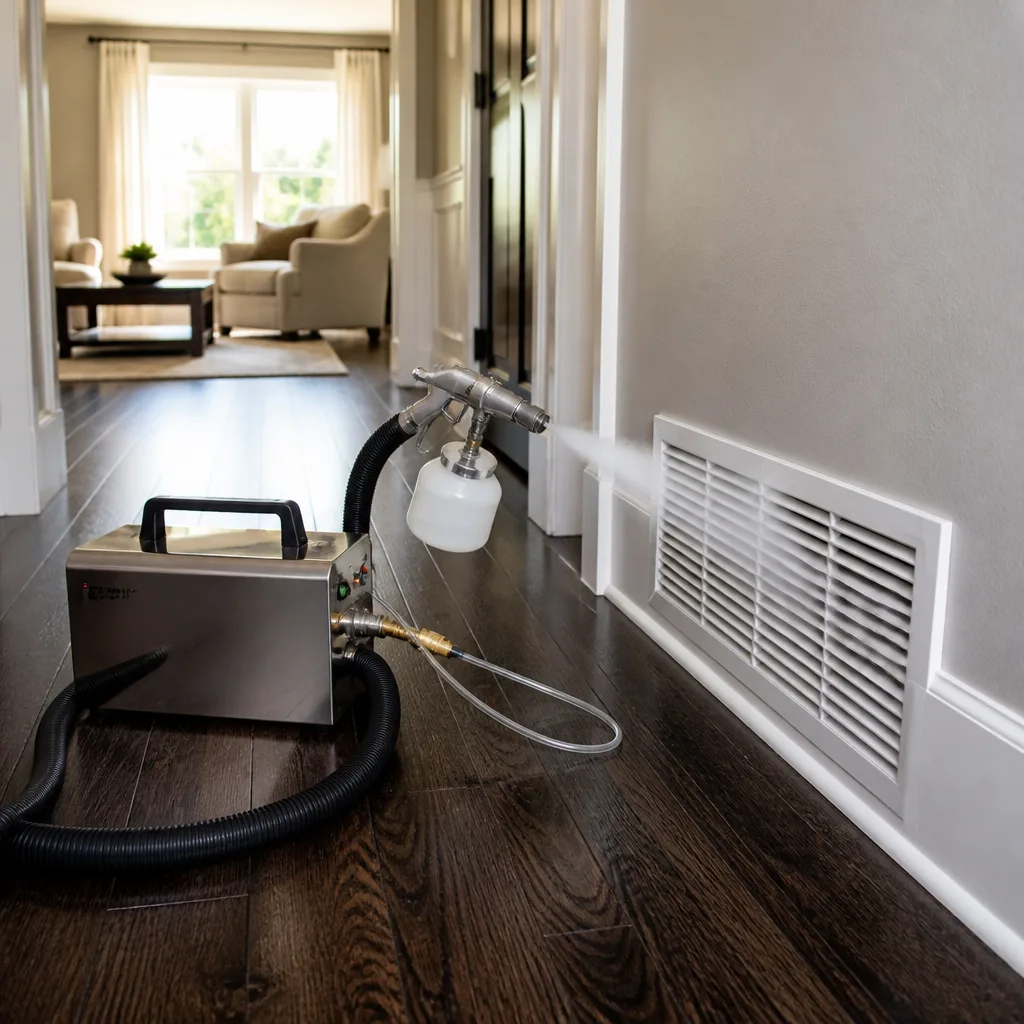 Sanitizing & deodorizing
Whole-system duct and dryer vent check with before-and-after photos - you see exactly what came out of your vents
That "$99 whole-house special" is a bait ad - the real number appears once they are in your hallway, or the "clean" is a shop-vac at the register. We photograph the inside of your ducts before and after instead.
Nikro Vent Sanitizing: The San Francisco Owner’s Guide
We stock and install Nikro-compatible vent sanitizing components for San Francisco homes and commercial spaces, with most replacements running between $180 and $425 installed depending on your specific Nikro unit. If your vent sanitizing system has lost its output, is throwing a fault indicator, or simply isn’t delivering the sanitizing coverage it once did, we can usually diagnose it the same day and get the part swapped fast. Most owners discover the failure the hard way: a musty smell returns within days of a cleaning, allergy symptoms flare back up, or the unit’s indicator light stays dark when it should be running.
Linden Air Duct San Francisco is an independent service provider. We’re not affiliated with Nikro, but we work with their equipment regularly and keep common replacement components on our trucks. If you’ve got a Nikro unit that’s limping, call us at (951) 527-6259 and we’ll tell you honestly whether it’s worth repairing.
Which Nikro Models This Applies To
Nikro’s vent sanitizing systems fall into a few distinct lines: the portable fogger units (common in residential and light commercial work), the in-duct UV sanitizing arrays, and the HVAC coil-mounted systems. The part you need depends entirely on which one you own. Portable foggers typically fail first at the heating element or the fan motor assembly, while in-duct UV systems usually lose their ballast or the bulbs themselves after 9,000 to 12,000 hours of run time, which in a continuously operating San Francisco system is roughly 13 to 16 months. Coil-mounted units have their own failure pattern: the bulb seals degrade from condensation cycling, especially in older San Francisco homes where humidity swings between foggy mornings and dry afternoons.
Here’s the compatibility gotcha: Nikro parts are not interchangeable between the fogger line and the UV line, and within the UV line, bulb wattage and length vary by series. Before you order anything, check the metal label on your unit. It’ll have a model number starting with letters (like NR or UV) followed by digits. That model number, not the part’s general description, is what determines the correct replacement. We stock OEM Nikro components where they make financial sense, but for certain consumable parts, a quality aftermarket equivalent costs 30 to 40 percent less and performs identically. We’ll tell you which is which before you spend a dollar.
Styles & brands we work with
Signs Your Nikro Vent Sanitizing Is Failing
- Musty odor returns within 48 hours of cleaning. If the sanitizing output has dropped, microbial growth resumes almost immediately in San Francisco’s damp coastal air. The unit may still be running, but it’s not producing enough sanitizing agent or UV intensity to do the job.
- Indicator light is off, flickering, or showing a fault code. On UV systems, this usually means a failing ballast or a bulb at end of life. On foggers, it often points to a heating element that’s no longer reaching operating temperature.
- Visible buildup on the bulb or fogger nozzle. A coated bulb cuts UV output by half or more. A clogged fogger nozzle starves the airstream. Both are common in San Francisco homes near the coast, where salt air accelerates residue accumulation.
- Unit cycles on and off repeatedly. Thermal overload protection kicking in usually signals a dying fan motor or a blocked intake. The unit is protecting itself from overheating, which means something downstream is wrong.
- You hear a buzzing or humming that wasn’t there before. In UV systems, a failing ballast will buzz before it dies completely. In foggers, a dry or worn fan bearing makes a similar sound. Either way, that noise is the part telling you it’s nearly done.
See the difference
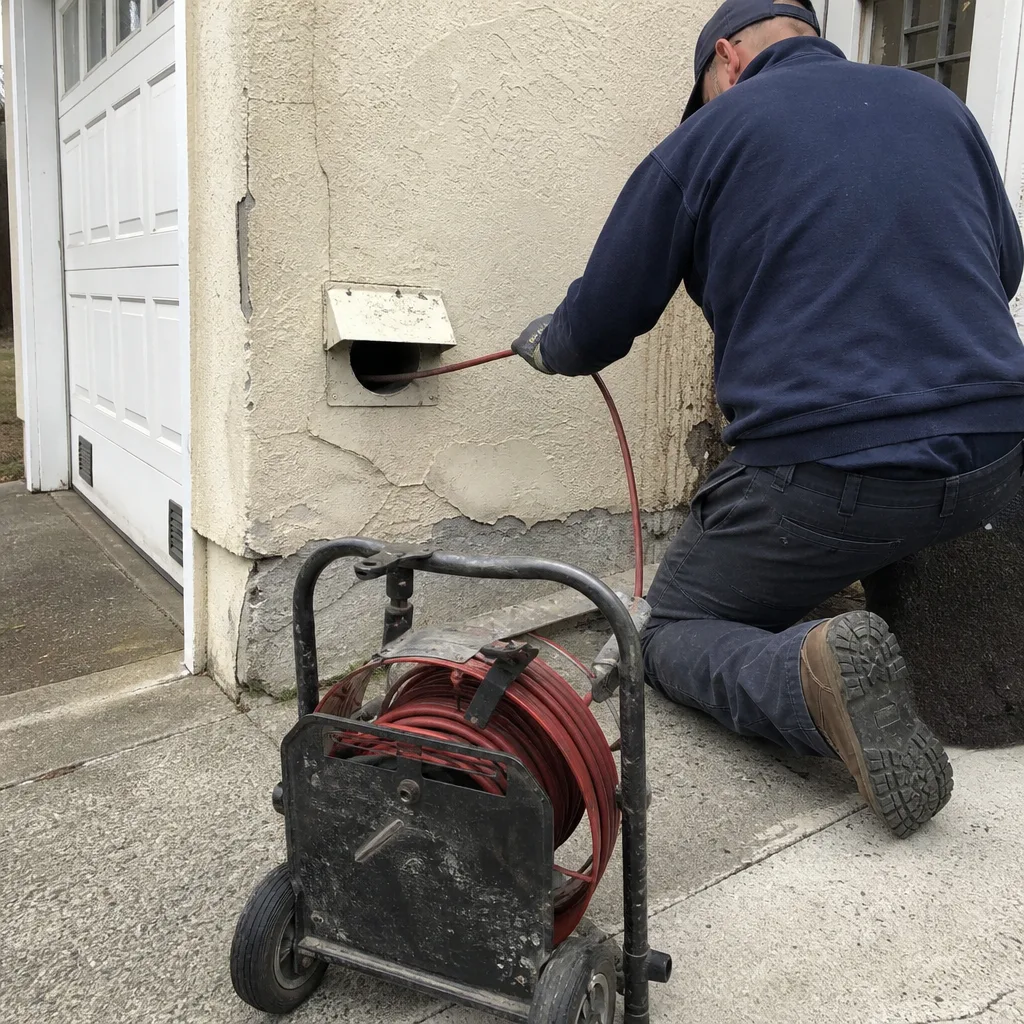 Before
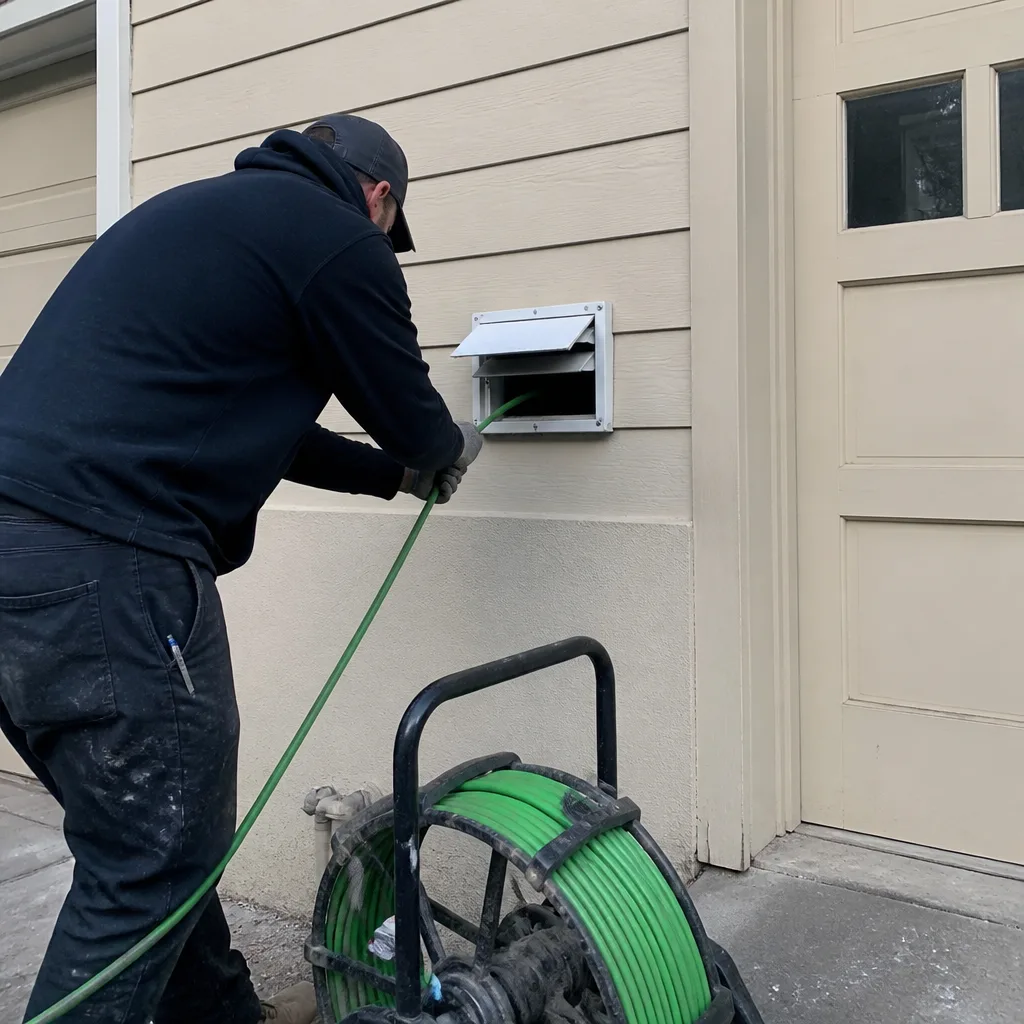 After
After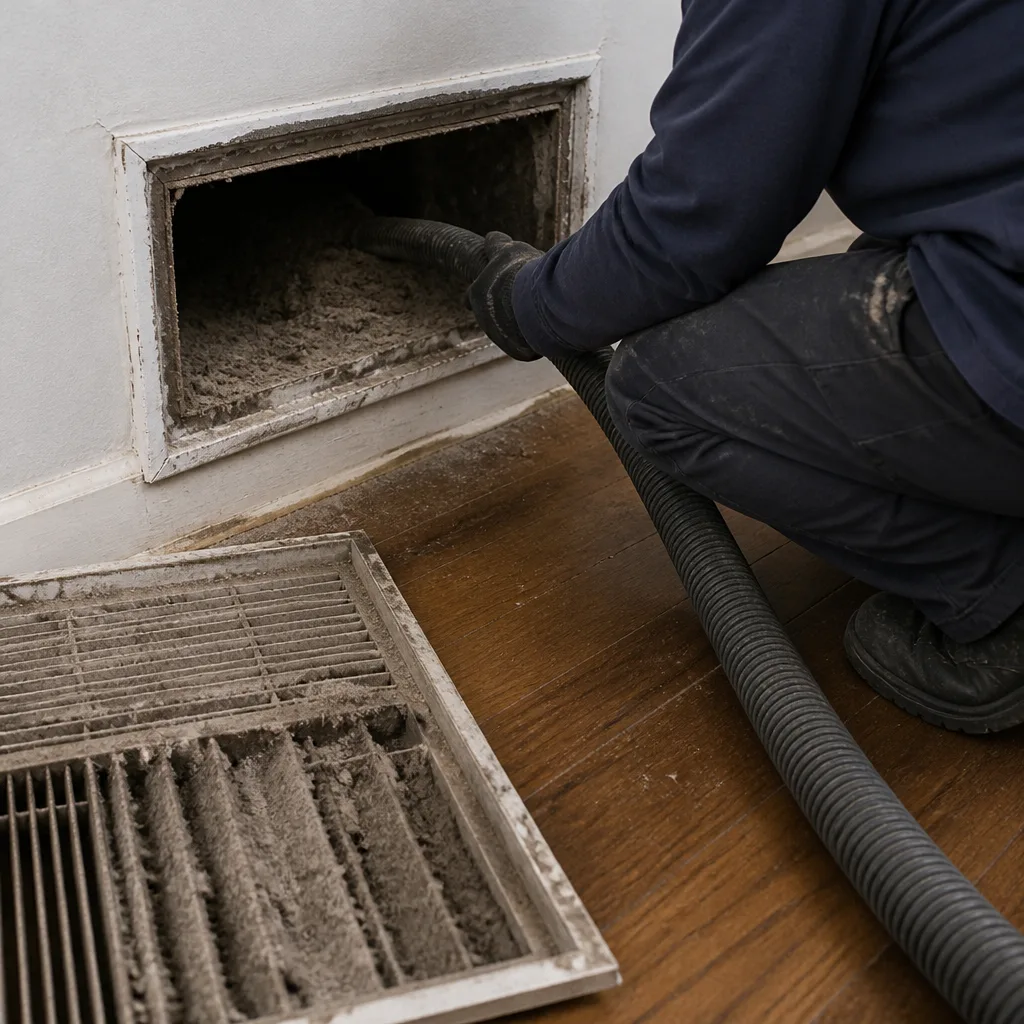 Before
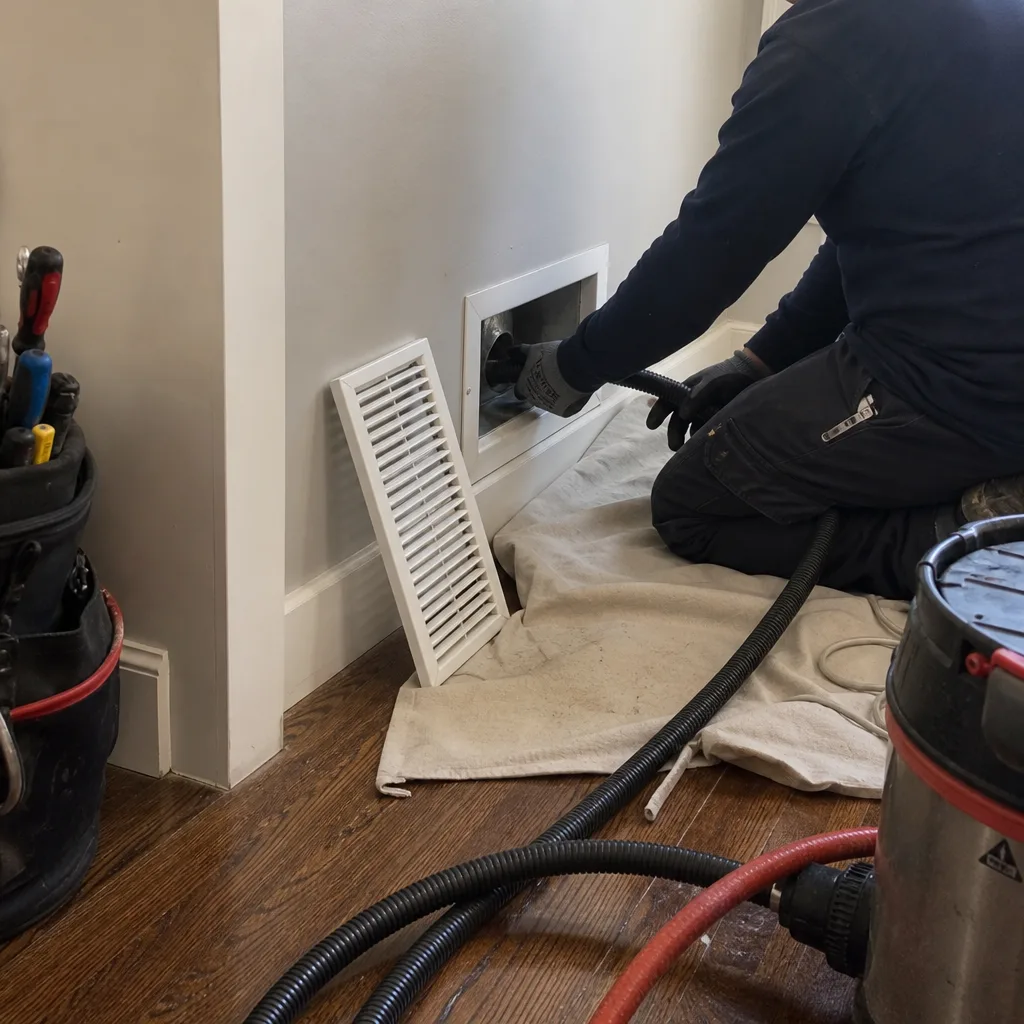 After
After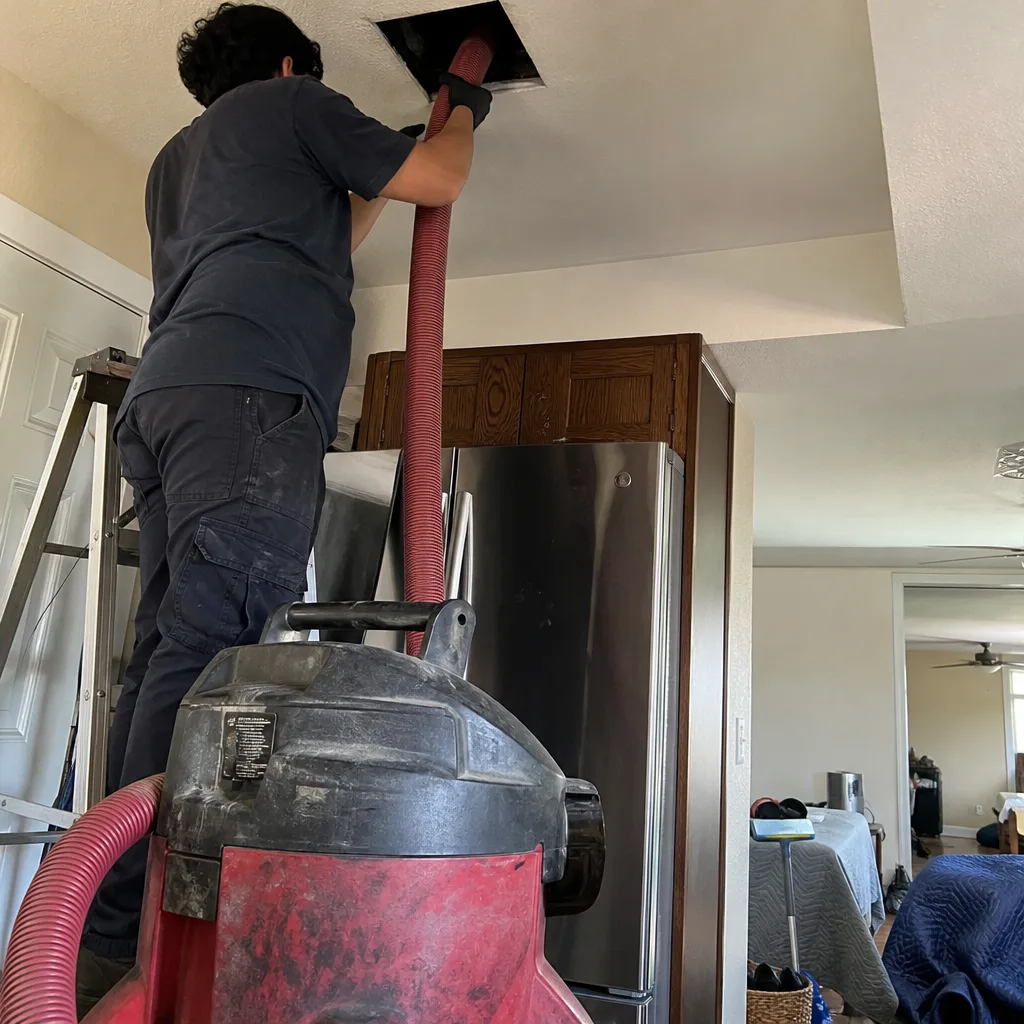 Before
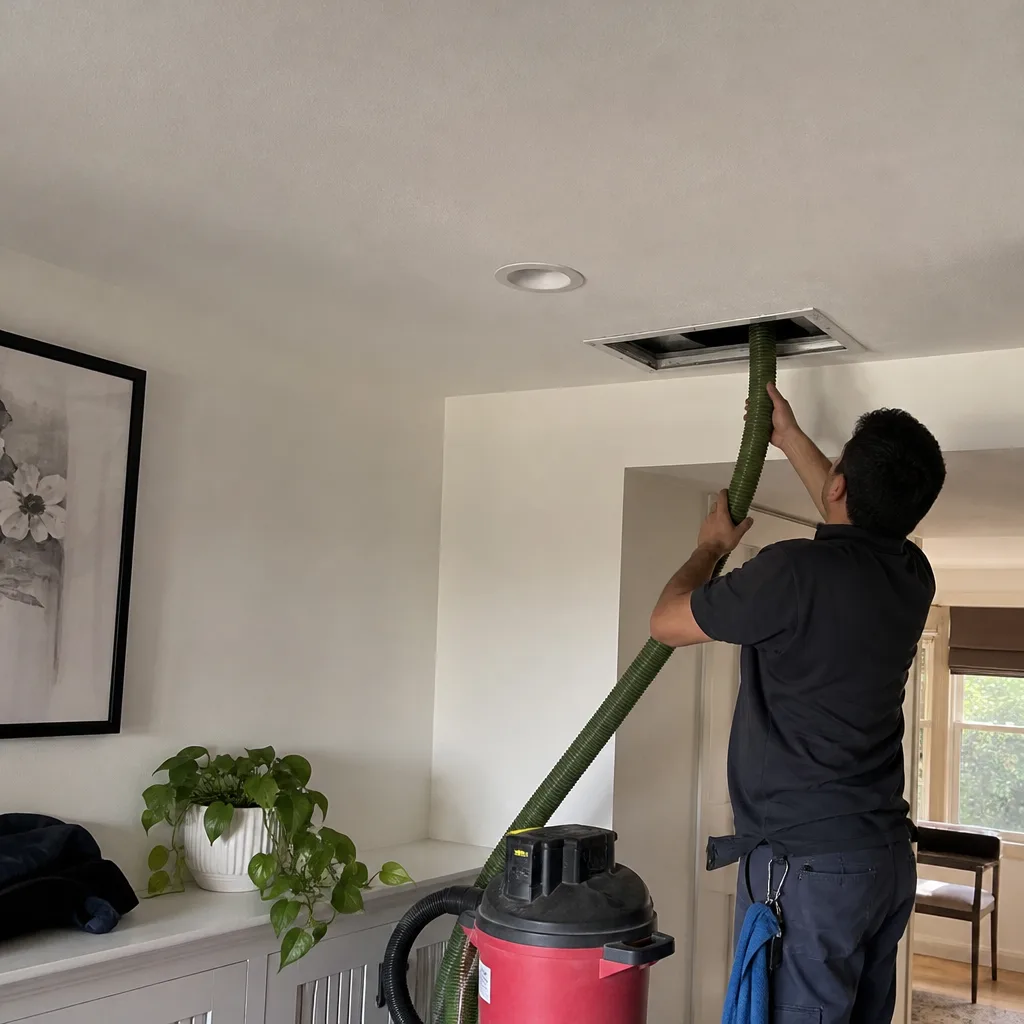 After
AfterReplacement Cost & What’s Included
In San Francisco, expect to pay between $180 and $425 installed for most Nikro vent sanitizing component replacements. Here’s how that breaks down:
- Replacement UV bulbs: $180 to $260 installed (bulb plus labor, including proper handling and disposal of the spent bulb)
- Ballast replacement: $240 to $340 installed (part and labor, including verifying correct wattage match to your bulb array)
- Fogger heating element: $260 to $425 installed (element plus gasket and labor, including a full function test)
- Fan motor assembly: $290 to $385 installed (motor, mounting hardware, and labor)
What drives the range is your specific Nikro series and whether we’re replacing a consumable like a bulb or a hard component like a motor. Every quote from Linden Air Duct San Francisco is a written flat price per part, agreed to before we begin. You’ll know the exact dollar figure before anyone touches your equipment. The work carries our 365-Day Done Right Promise: if the replaced part fails within a year, we come back free and put it right. Every repair, including Nikro component swaps, gets that guarantee in writing.
DIY or Call Us?
There are exactly two things you can safely check yourself. First, confirm the unit is actually receiving power: check the breaker, check the outlet with something you know works. Second, look at the bulb if you have an exposed UV array and can see obvious darkening or a burned-out filament. Beyond that, we recommend you stop. UV sanitizing systems run high-voltage current through the ballast, and a charged ballast can deliver a serious shock even with the unit unplugged. Fogger heating elements reach several hundred degrees. If you’re not sure, don’t open the housing.
Where DIY goes wrong for Nikro equipment specifically: mismatched ballast wattage, which burns out a brand-new bulb in weeks; incorrect bulb seating, which creates hot spots and cracks; and the big one, touching a UV bulb with bare fingers, which leaves skin oil that creates a failure point when the bulb heats up. If you’d rather not learn any of that the hard way, call (951) 527-6259 and we’ll handle it.
FAQs
A UV bulb typically lasts 9,000 to 12,000 operating hours, which in most San Francisco homes means 13 to 16 months of continuous use. Ballasts generally last 3 to 5 years. Fogger heating elements run 2 to 4 years depending on how often the unit cycles. Coastal moisture shortens all of these figures somewhat.
For consumables like UV bulbs and fogger nozzles, no: replacement is the only honest answer. For ballasts and fan motors, repair is almost never cost-effective once you factor in labor, and the repaired component still carries its remaining lifespan, not a fresh one. If you’d like us to assess your specific unit, call (951) 527-6259 and we’ll give you a straight answer.
Most Nikro vent sanitizing component swaps take 45 to 90 minutes on site, including function testing after installation. We carry the most common Nikro bulbs, ballasts, and heating elements on our trucks, so a single visit usually covers diagnosis and repair.
Yes. Our trucks carry the most frequently needed Nikro replacement components for the fogger and UV lines. We also maintain supplier relationships for the less common parts, which typically arrive within 2 to 4 business days. We also stock replacement parts for Lennox, Trane, and Carrier systems where they overlap with vent sanitizing equipment. If your part is on the truck, we install it the day we diagnose it.
Written by Marcus Veale, Owner, Linden Air Duct San Francisco at Linden Air Duct San Francisco, serving San Francisco and nearby areas.