
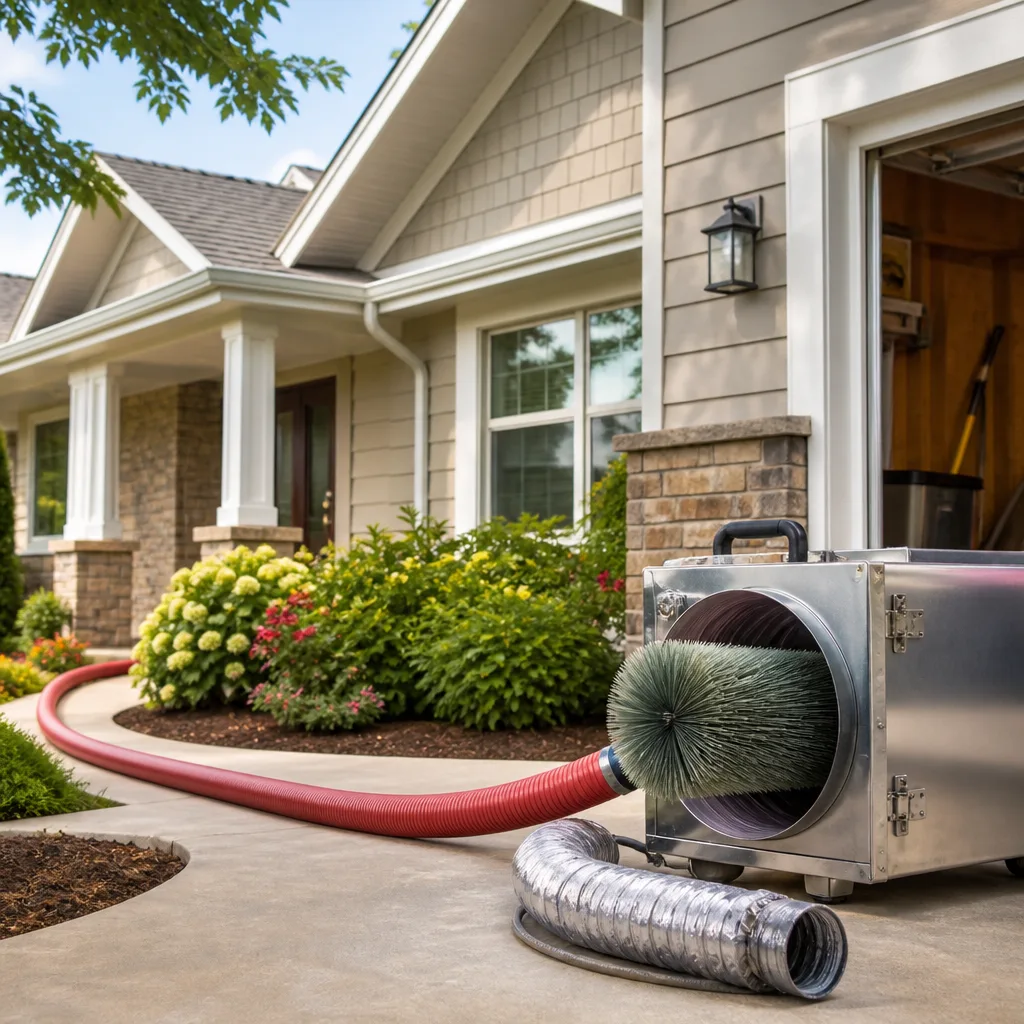
 Whole-home duct cleaning
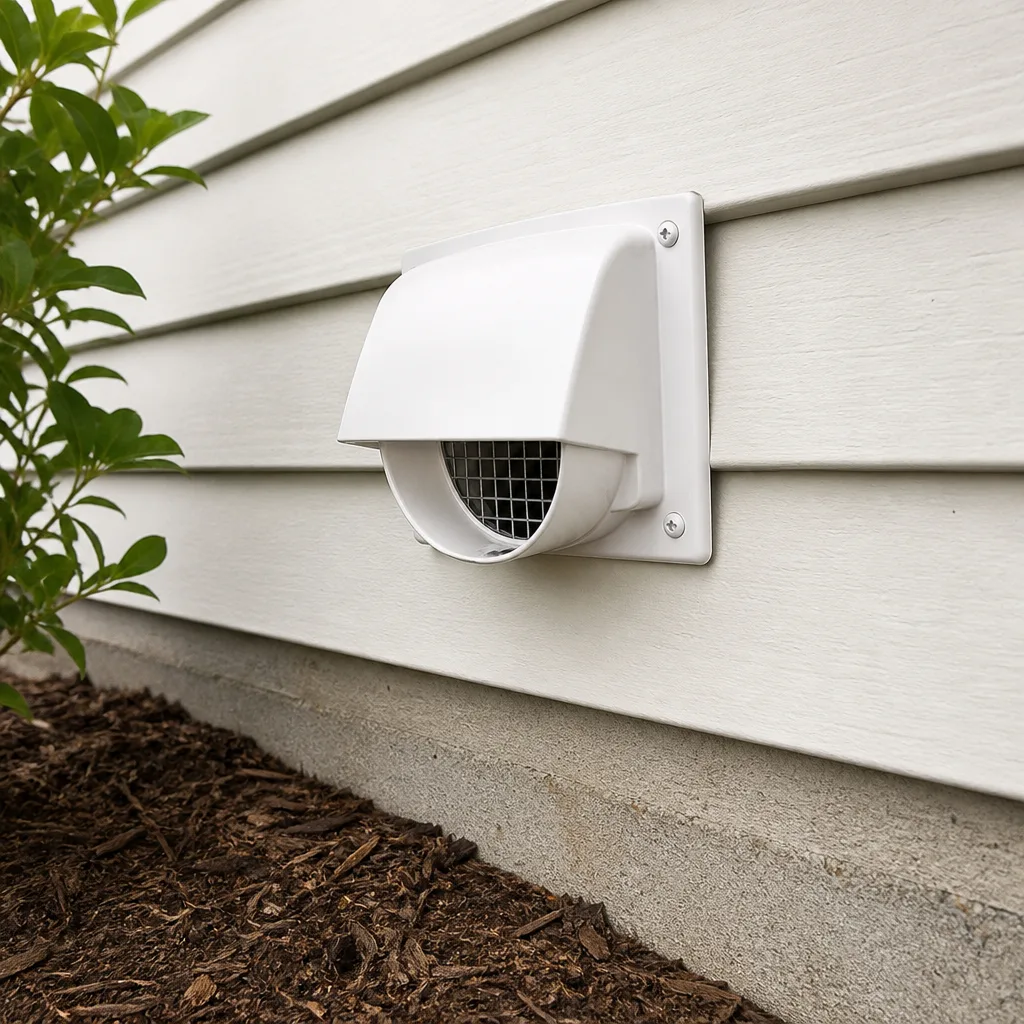 Dryer vent cleaning
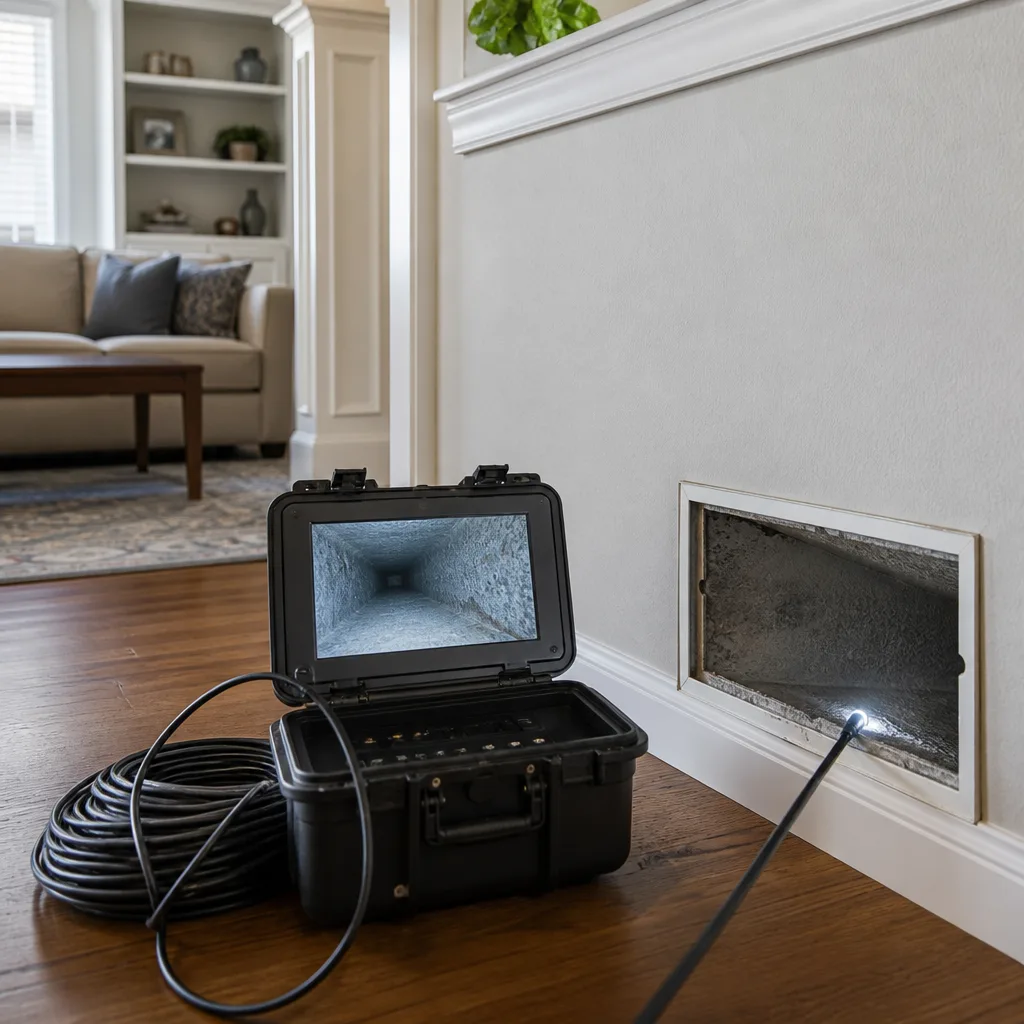 Camera inspection
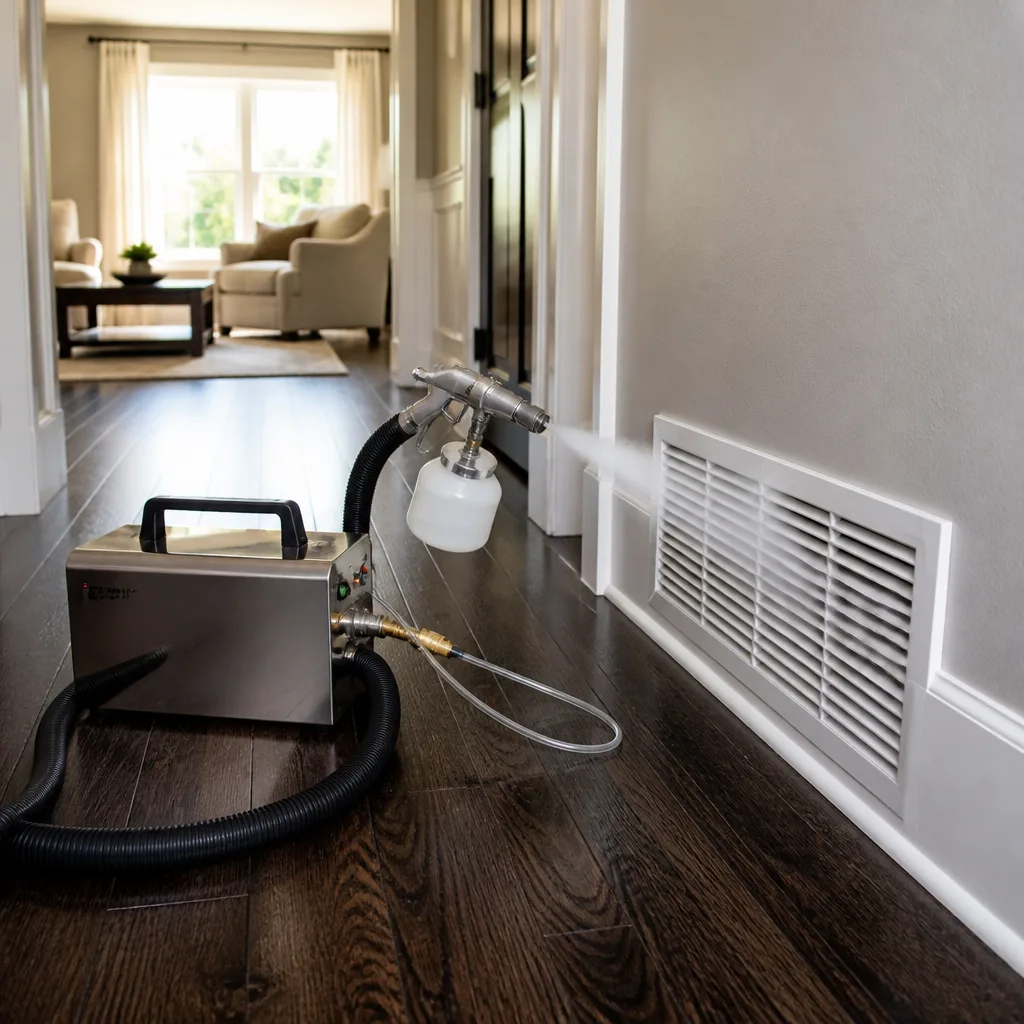 Sanitizing & deodorizing
Whole-system duct and dryer vent check with before-and-after photos - you see exactly what came out of your vents
That "$99 whole-house special" is a bait ad - the real number appears once they are in your hallway, or the "clean" is a shop-vac at the register. We photograph the inside of your ducts before and after instead.
Nikro Duct Sealing & Repair: The San Francisco Owner’s Guide
We stock and install Nikro-compatible duct sealing and repair components across San Francisco, and most jobs fall between $220 and $480 installed, depending on the specific part and your system’s configuration. Most owners discover a failed Nikro part the same way: a technician flags it during a routine cleaning, or they notice air pressure dropping in one room while the rest of the house stays comfortable. Neither is a crisis, but both deserve a straight answer about what failed, what it costs, and whether it’s worth fixing now.
The parts we’re talking about here are the workhorses of Nikro’s duct maintenance equipment: sealing gaskets, hose cuffs, filter housings, vacuum relief valves, and brush head couplings. They wear out because they’re designed to take abuse. Rubber dries. Plastic cracks. Spring clips lose tension. In San Francisco’s coastal air, that process happens a little faster than it does inland, especially in homes near the ocean where salt and humidity work on metal fittings year-round.
We’re an independent service provider, not affiliated with Nikro directly. That matters because it means we recommend what actually works for the system you have, not what a manufacturer wants to sell you this quarter. If an OEM Nikro part is the right call, we’ll tell you. If a quality aftermarket equivalent does the same job for less, we’ll tell you that too, with the reasoning behind it.
Key Takeaways
- Typical Nikro duct sealing and repair work in San Francisco runs $220-$480 installed, parts and labor included
- We stock common Nikro-compatible parts on the truck, so most repairs happen in one visit
- Every repair gets a written price before work starts and a 365-Day Done Right Promise in writing
- Marcus Veale and the crew have worked on systems across the Richmond District, Sunset, Noe Valley, and the Mission
- If a covered repair fails, we return at no charge
Styles & brands we work with
Which Nikro Models This Applies To
Nikro builds duct maintenance equipment under several model lines, and the sealing and repair parts aren’t fully interchangeable across all of them. The machines we see most often in San Francisco homes are the Nikro DL-Series and BP-Series negative-pressure units, plus their portable inspection camera kits. The DL-Series uses a specific gasket geometry around the filter chamber; the BP-Series uses a different cuff diameter on the inlet side. If you swap one for the other, the seal leaks and you lose suction where it matters most: at the extraction point.
On the vacuum hose assemblies, Nikro uses a bayonet-style cuff on most residential units. Some older models took a friction-fit cuff that looks nearly identical in a photo but won’t seat properly. The tell is the locking tab: bayonet cuffs have a visible notch and twist-lock ridge, while friction-fit cuffs are smooth. Checking this before you order saves you the cost of a part that doesn’t fit.
The OEM versus aftermarket decision for Nikro parts comes down to two things: tolerance and material. Nikro’s OEM gaskets are made from a specific EPDM rubber compound that holds its flexibility for roughly 4 to 6 years under normal residential use. Quality aftermarket gaskets from suppliers like Rotobrush knockoffs vary widely; we’ve seen some that crack in 18 months. For gaskets and relief valves, OEM is usually worth the premium. For coupling clamps and hose cuffs, a reputable aftermarket part is often mechanically identical at a lower price. We’ll show you both options and let you decide with real numbers in front of you.
If you’re not sure what model you have, look for the serial plate on the back of the unit near the power cord entry. The model number is stamped on a metal tag. Send us a photo of that tag and we’ll confirm compatibility before we schedule anything.
Signs Your Nikro Duct Sealing & Repair Is Failing
- Loss of suction at the extraction point. The motor runs fine but airflow drops. This usually means a gasket has compressed beyond its recovery range or a relief valve is bleeding vacuum. On Nikro machines, the relief valve is the first thing we check because it’s designed to protect the motor, and it fails quietly.
- A fine dust film around the filter housing. This means the filter gasket or clamp ring isn’t sealing anymore. You’re pulling air past the filter instead of through it, which shortens filter life and defeats the purpose of the machine. In San Francisco’s older homes, where duct dust includes decades of accumulated plaster and paint particles, this shows up as a gray film on the unit itself.
- The hose cuff won’t stay seated during operation. The bayonet lock wears down and the hose pops off mid-job. It’s more than annoying; it breaks the negative-pressure loop and the whole extraction cycle stops.
- Brush head wobble or vibration. The coupling between the drive shaft and the brush head is worn. You’ll feel it as a chattering in the wand. Continued use with a loose coupling wears out the shaft itself, which is a more expensive fix.
- A high-pitched whistle while the unit runs. That’s air finding its way through a pinhole gap in a gasket or a hairline crack in the cuff. It’s the machine telling you the seal is failing long before you notice the performance drop.
In our experience across San Francisco, homes in the Sunset and Richmond Districts tend to show gasket failure a year or two earlier than the city average because of the salt-laden fog. It’s not dramatic, but it’s consistent. We factor that into our recommendations for anyone west of Twin Peaks.
See the difference
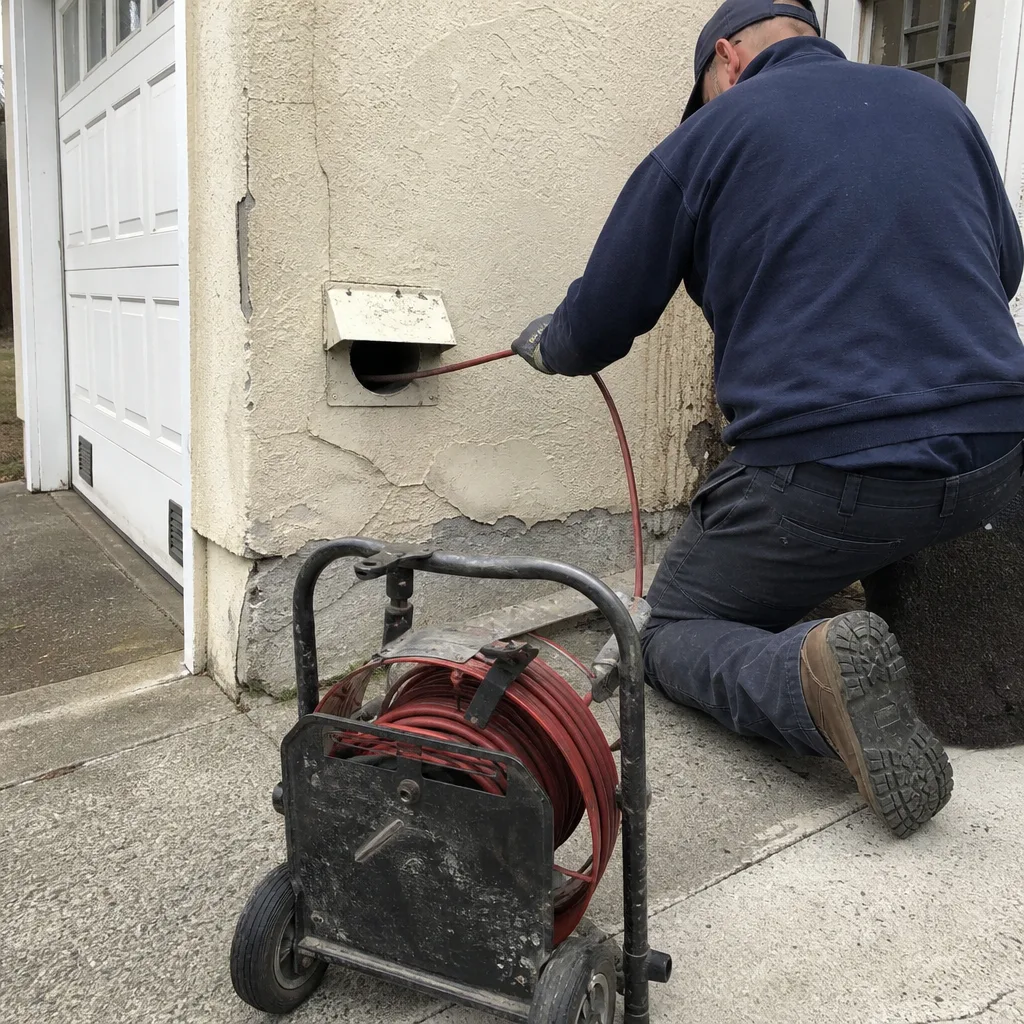 Before
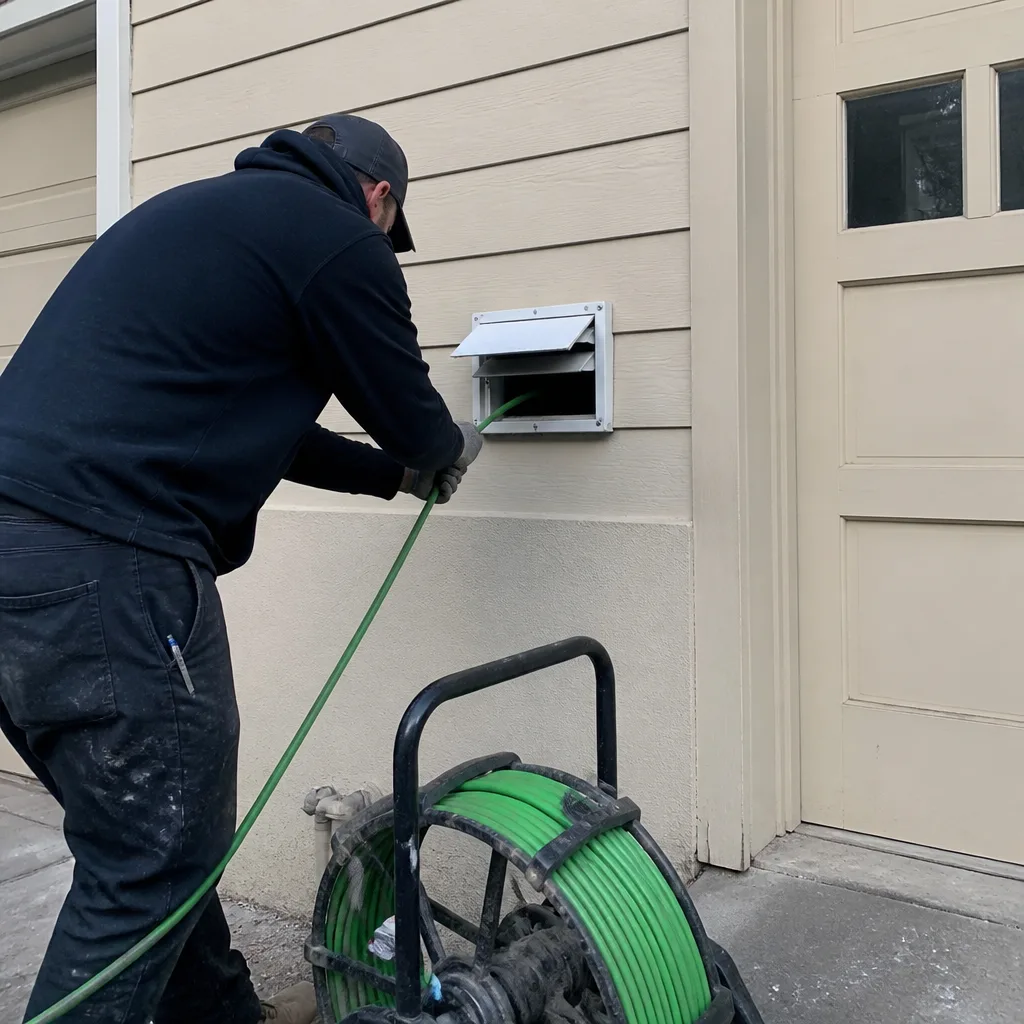 After
After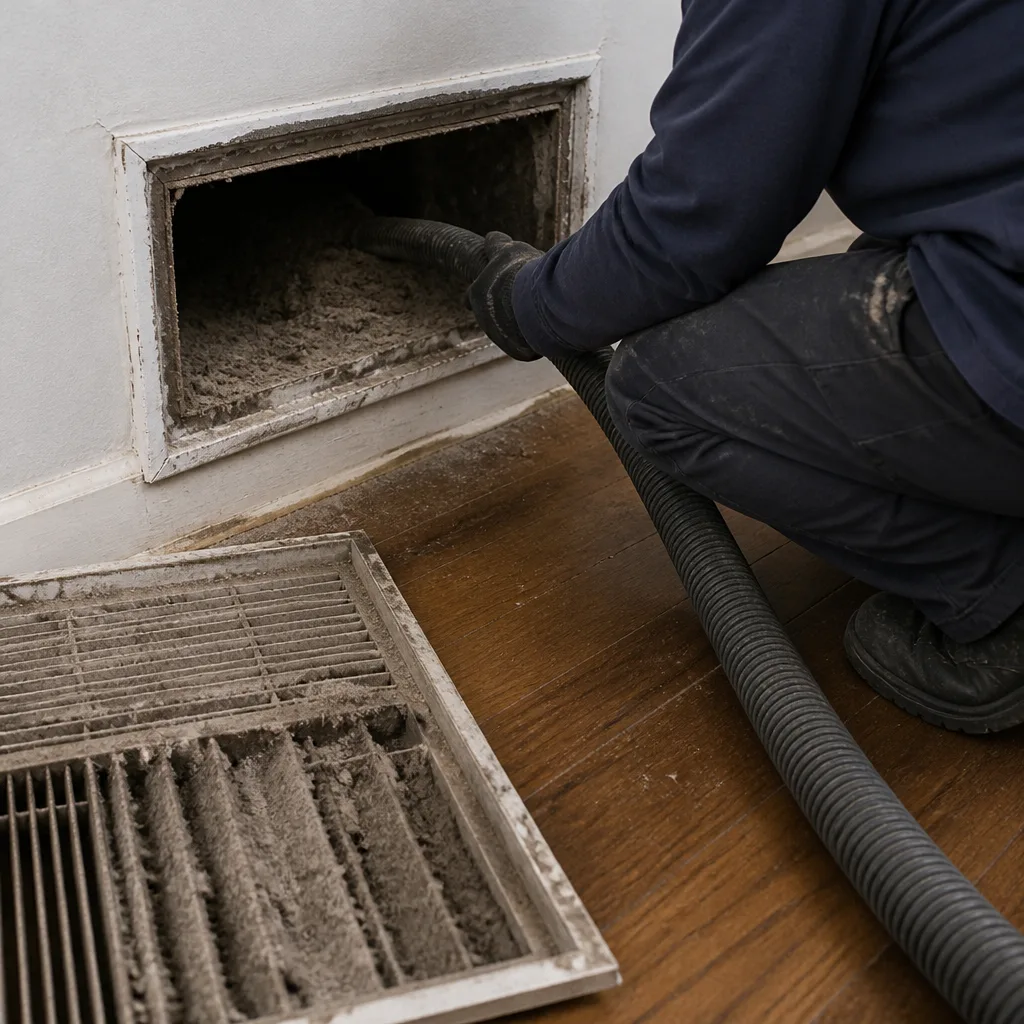 Before
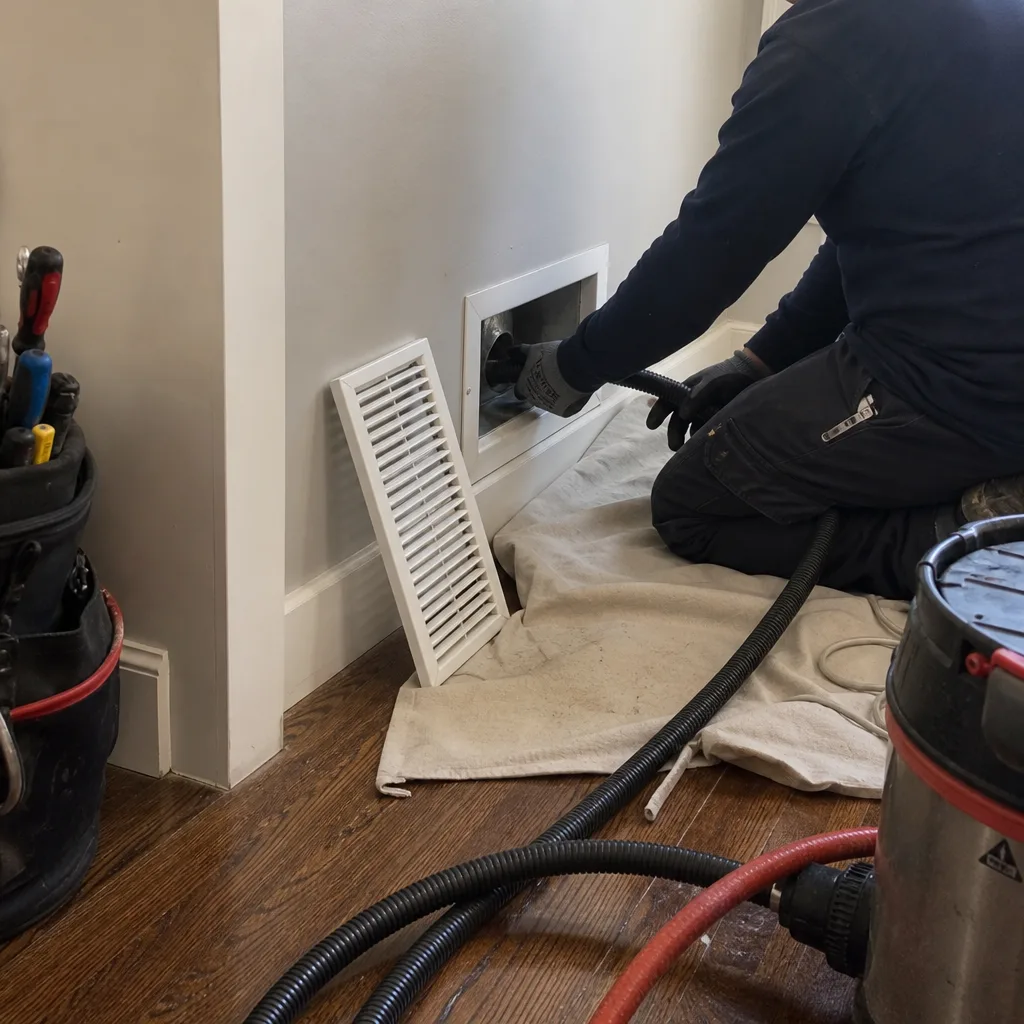 After
After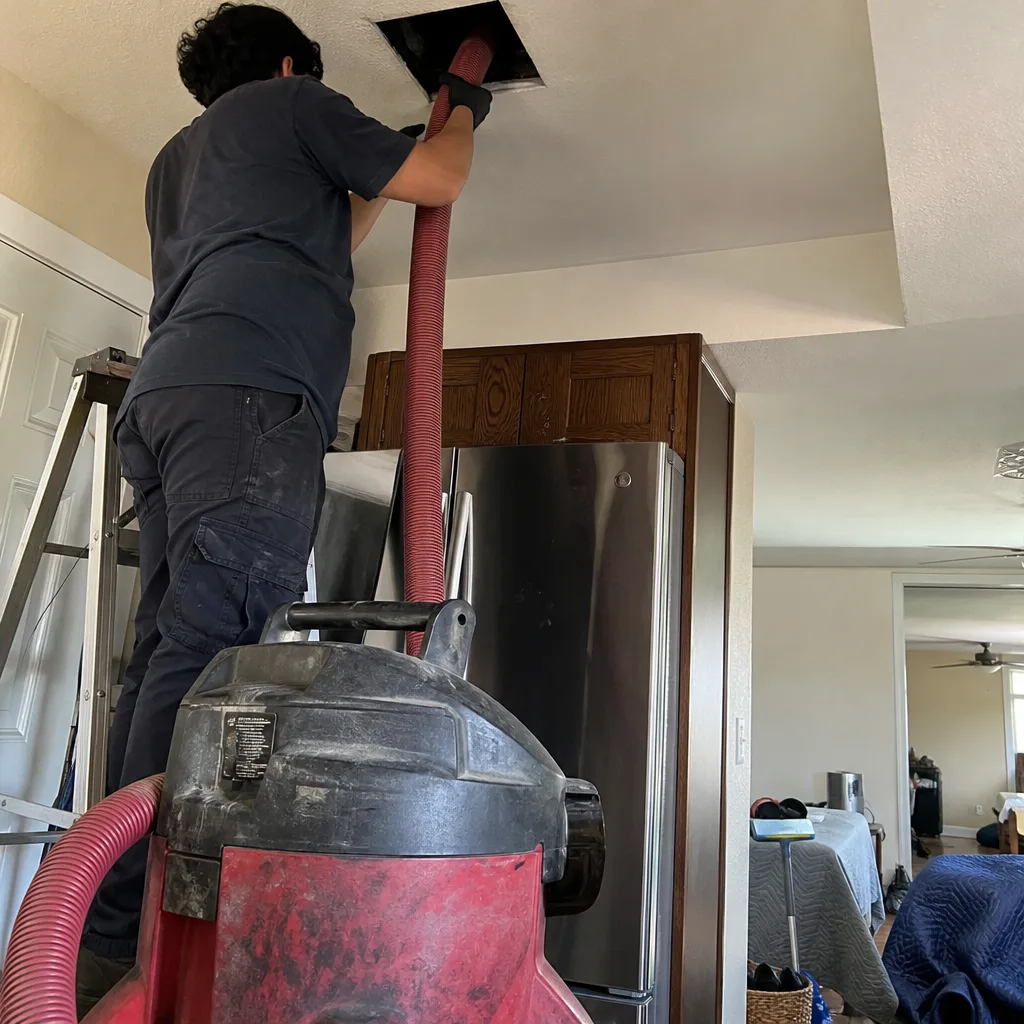 Before
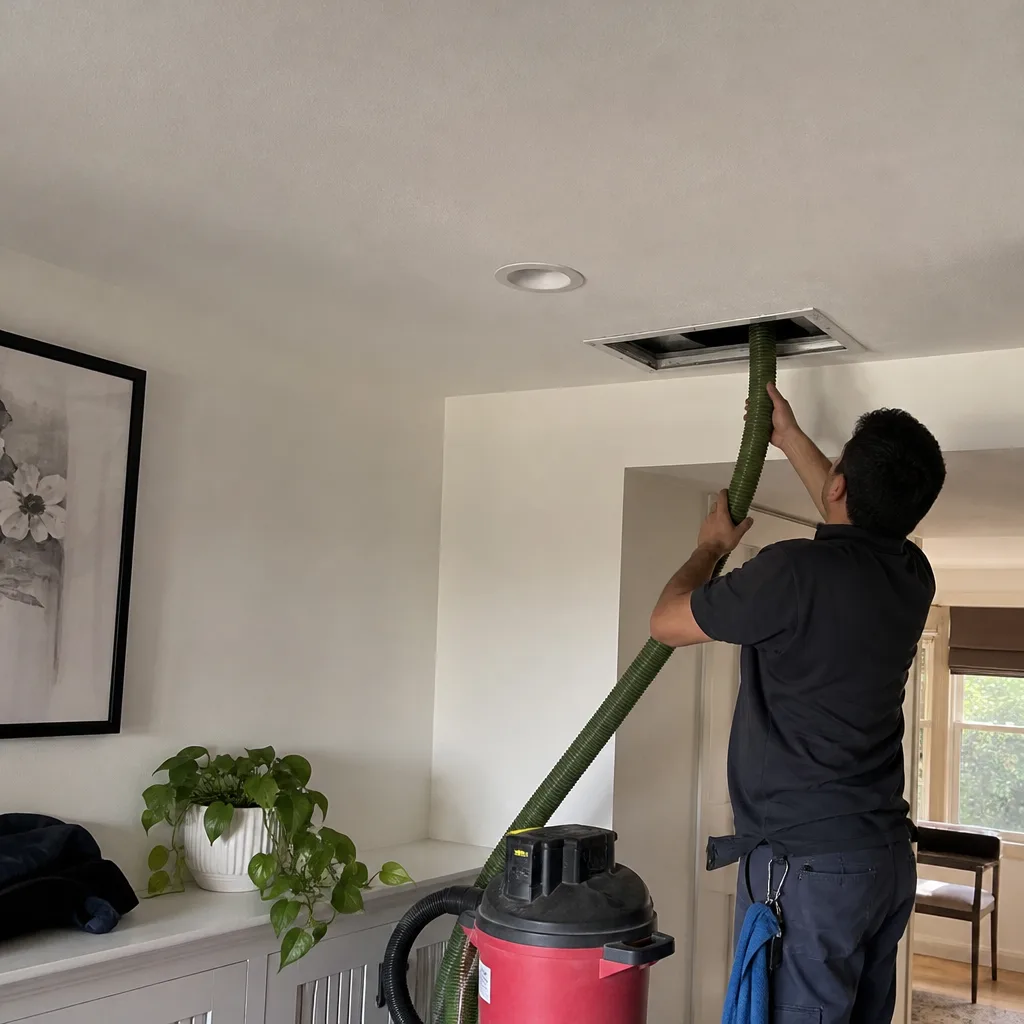 After
AfterReplacement Cost & What’s Included
Here’s what Nikro duct sealing and repair typically costs in San Francisco:
- Gasket replacement (filter chamber or inlet): $120-$180 installed
- Hose cuff replacement (bayonet or friction-fit): $90-$150 installed
- Relief valve replacement: $140-$200 installed
- Brush head coupling replacement: $110-$180 installed
- Full seal kit (gaskets, cuffs, clamps): $220-$320 installed
- Repair diagnostic (if no part replacement is needed): $75, waived with any completed repair
The range comes down to two things: the specific Nikro model you have and whether we’re doing one part or a set. Parts are priced at our cost plus a standard margin; labor is flat per job, not per hour, and it’s written down before we start. If the repair requires sourcing a part we don’t have on the truck, we’ll give you the exact lead time and a firm quote before ordering anything. No surprises at the end.
Every repair carries our 365-Day Done Right Promise in writing. If the part fails or the work doesn’t hold within a year, we come back and make it right at no charge. That’s not a marketing line; it’s printed on the estimate you sign before we start.
DIY or Call Us?
Some things you can check yourself. The hose cuff: look for cracks, see if it seats firmly. The filter housing: wipe a clean cloth around the seam and see if you get dust residue. The serial plate: photograph it so you know your exact model. Checking costs you nothing and helps us quote accurately over the phone.
What you shouldn’t do is open the unit and start replacing internal components. Nikro machines run on 120V power, and the relief valve sits inside the motor compartment. There’s a shock hazard, and losing a relief valve that’s still under pressure can send plastic shrapnel into your face. The same goes for any brush coupling work: the drive shaft can catch loose clothing or fingers if the unit powers on unexpectedly. This is work for someone who does it routinely and knows where the pinch points are.
If you’d rather not get into the motor compartment at all, call us at (951) 527-6259 and we’ll send a tech who has done this specific repair on Nikro equipment in San Francisco homes more times than he can count. Marcus has built the company around telling people exactly what’s in front of them, and exactly what it costs to fix it. If he wouldn’t put it in writing before the job starts, it shouldn’t come out of his mouth either.
FAQs
Expect 4 to 6 years from OEM gaskets and cuffs under normal residential use in San Francisco, with a year or two less in the fog-heavy western neighborhoods. Aftermarket parts can range from under 2 years to comparable life, depending on who made them. We stock OEM for the critical seals and let you choose on the rest.
Generally no, not in a way that holds. A gasket that has compressed or cracked cannot be un-cracked, and tape or sealant fixes fail within weeks under negative pressure. Replacement is the honest fix and it costs less than a botched repair plus a callback. Call (951) 527-6259 and we’ll give you a firm number before anything happens.
Most single-part replacements take 30 to 60 minutes once the tech is on site. A full seal kit might run 90 minutes. We do the work in one visit whenever the part is on the truck, which it is for the common Nikro models we see in San Francisco.
We stock the common Nikro sealing and repair parts for residential DL-Series and BP-Series units and we also carry compatible parts for Lennox, Trane, and Carrier systems when a job crosses over. If your part is unusual, we’ll order it, confirm the lead time, and give you the quote in writing before we spend your money.
If your Nikro machine is losing suction, whistling, or throwing a dust film, call (951) 527-6259 and we’ll get you a straight answer and a firm quote. Marcus Veale and our San Francisco crew will tell you what’s in the machine, what it costs, and what we’ll put in writing before any work starts.
Written by Marcus Veale, Owner, Linden Air Duct San Francisco at Linden Air Duct San Francisco, serving San Francisco and nearby areas.