
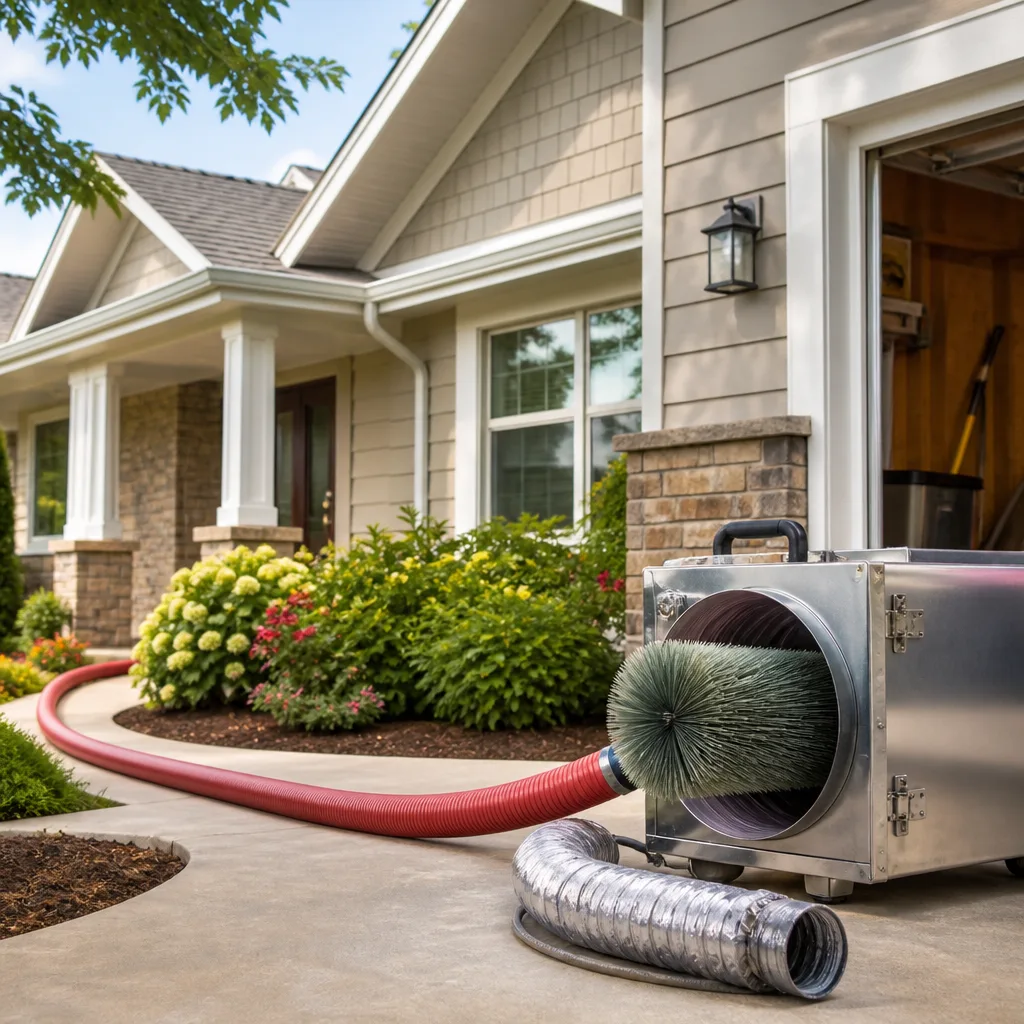
 Whole-home duct cleaning
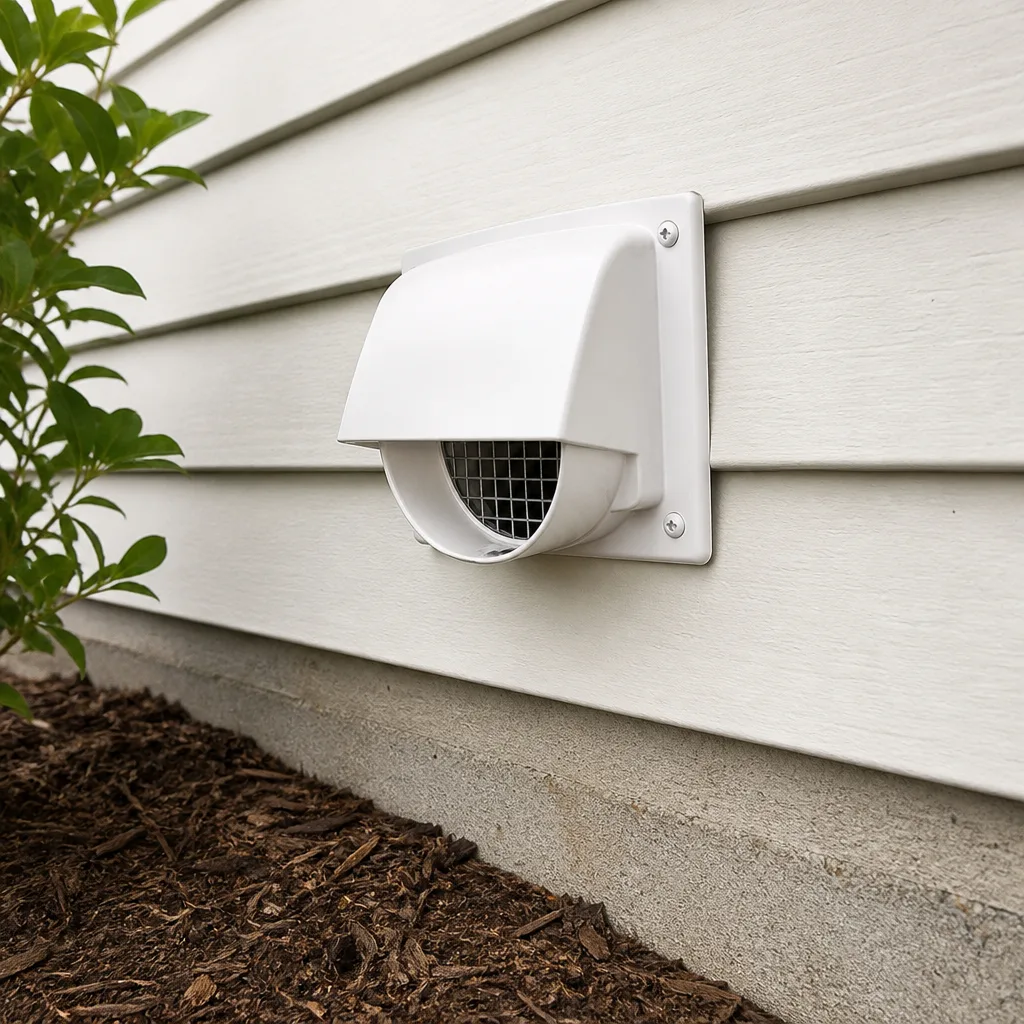 Dryer vent cleaning
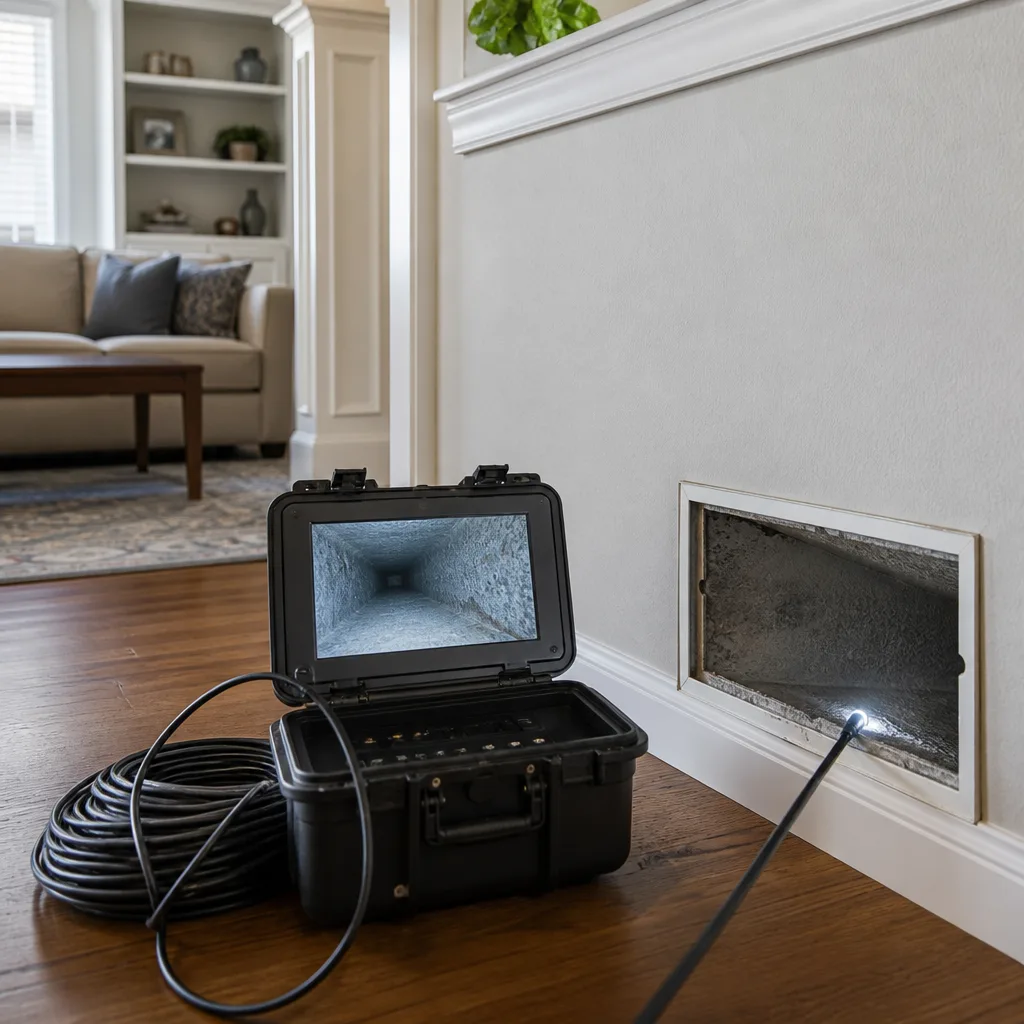 Camera inspection
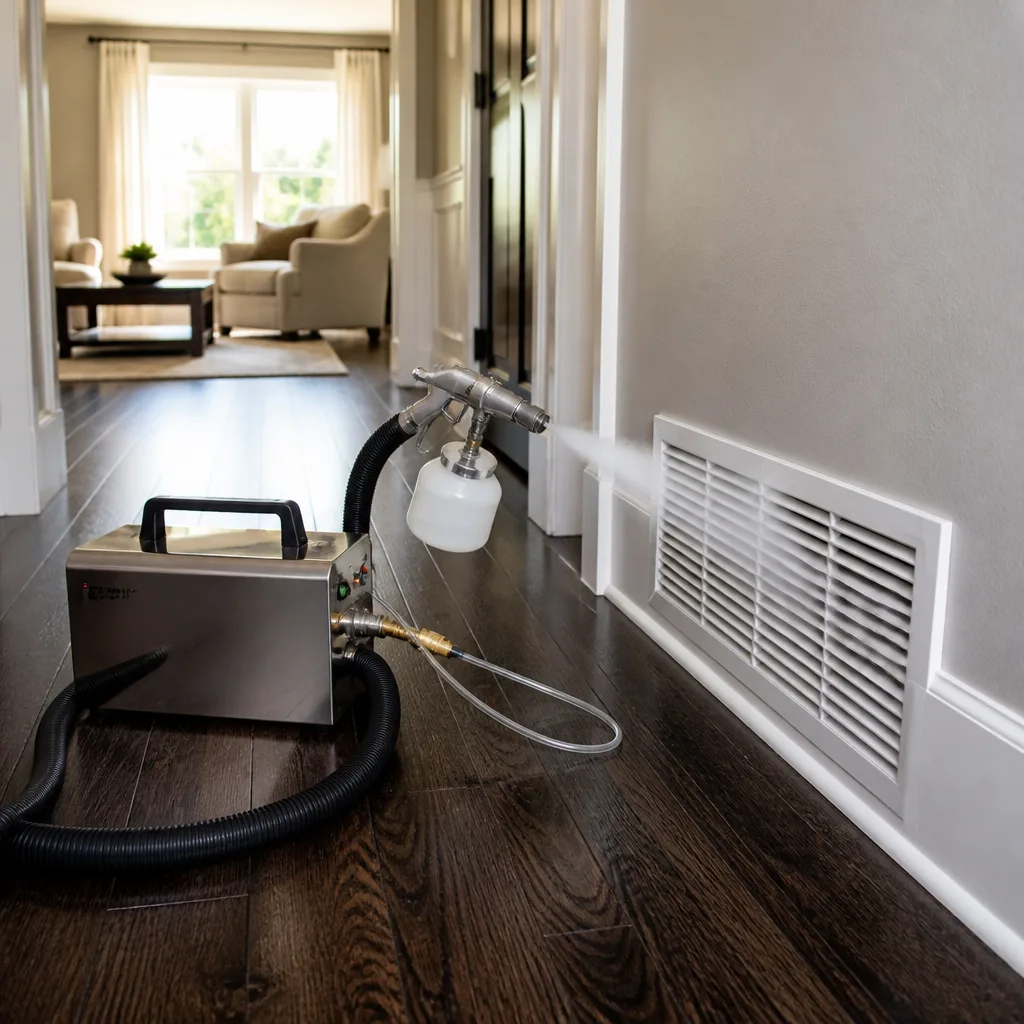 Sanitizing & deodorizing
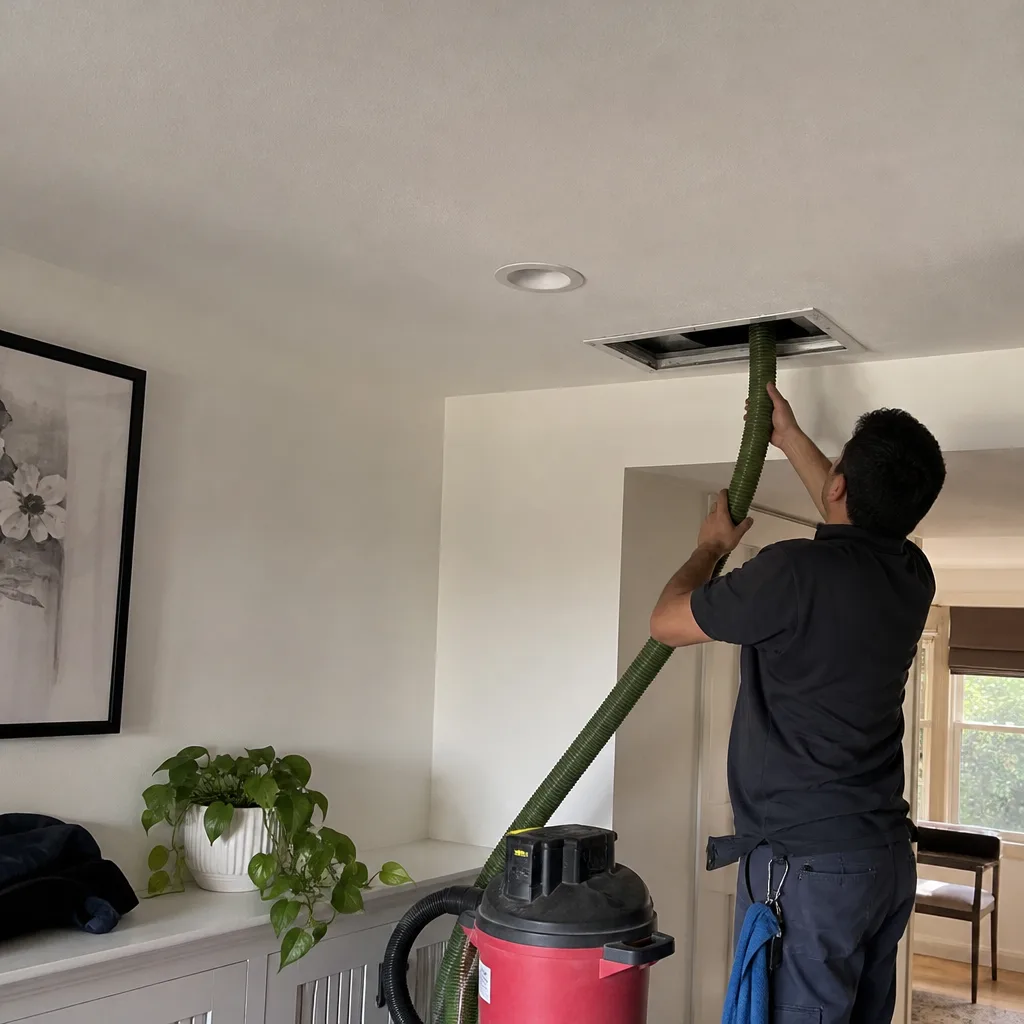
Whole-system duct and dryer vent check with before-and-after photos - you see exactly what came out of your vents
That "$99 whole-house special" is a bait ad - the real number appears once they are in your hallway, or the "clean" is a shop-vac at the register. We photograph the inside of your ducts before and after instead.
Rotobrush Register & Grille Cleaning: The San Francisco Owner’s Guide
Register and grille cleaning for Rotobrush systems in San Francisco typically runs $140 to $310 per home when done as part of a full air duct cleaning, and we complete most jobs the same day. The most common way owners discover this part needs attention is straightforward: a grille that’s visibly caked with gray dust, a register that won’t stay in place anymore, or airflow from one specific vent that feels weak compared to the rest of the house. In San Francisco’s older housing stock, especially Edwardian and 1920s flats in the Richmond and Sunset districts, decades of coastal moisture mixed with plaster dust creates a grime on register faces that regular vacuuming simply doesn’t remove.
Which Rotobrush Models This Applies To
Rotobrush systems have changed over the years, but the register and grille side has stayed remarkably consistent. Most Rotobrush AiR+ and earlier R5000/RQ models work with standard residential register sizes: 4×10, 4×12, 6×10, and 6×12 floor registers, plus the common 10×4 and 12×4 wall registers. The compatibility gotcha to watch for is the grille depth: Rotobrush’s negative-pressure extraction works best when the register damper is fully open and seated flat. A register that’s been replaced with a generic big-box version that sits too proud or too recessed in the floor will whistle under suction and throw off your cleaning results. We stock OEM Rotobrush-compatible register faces plus the deeper aftermarket equivalents that hold up better in San Francisco’s damp crawlspaces. Before you order anything, pull one register and measure the face dimensions and the sleeve depth. That two-minute check saves you from buying a part that never seats right.
Styles & brands we work with
Signs Your Rotobrush Register & Grille Cleaning Is Failing
- Visible dust rims on register faces even after vacuuming. Coastal air in San Francisco carries fine particulate that bonds with humidity to form a film. Vacuuming removes the loose layer, but the adherent film stays. That film is what register and grille cleaning removes.
- Dampers that won’t fully open or close. Dust and moisture combine inside the damper mechanism, restricting motion. A damper stuck at 40% means that room is getting 40% airflow, no matter what your thermostat says.
- Whistling or turbulence noise at a specific register. Rotobrush systems create genuine negative pressure. A grille with reduced free area, often from years of paint layers or baked-on grime, forces air through smaller gaps and creates noise.
- Discoloration on grille edges nearest the wall. This usually indicates thermal bridging or moisture condensing at the register throat. In San Francisco’s fog belt, especially homes close to the ocean, this appears faster than you’d expect.
- Rooms that never quite heat or cool to match the rest of the house. Restricted register free area starves the room, and the problem worsens over time. The entire system works harder to compensate, which means higher PG&E bills and earlier wear on the blower.
Replacement Cost & What’s Included
In San Francisco, you can expect register and grille cleaning as part of a complete Rotobrush air duct cleaning to run between $140 and $310, depending on home size and register count. If a register needs actual replacement rather than cleaning, most standard residential registers run $18 to $55 each installed, with period-appropriate or custom finishes landing higher. What drives the difference here is labor: accessing registers in a Victorian with original hardwood flooring takes more care than swapping out a register in a newer Mission Bay condo. Every job gets the full written price before any work starts, and that price covers the register removal, ultrasonic or manual deep cleaning depending on material, damper inspection, and reinstallation with proper seating. Linden Air Duct San Francisco is an independent service provider and not affiliated with Rotobrush, but we’ve run their equipment for years and know these parts inside out.
See the difference
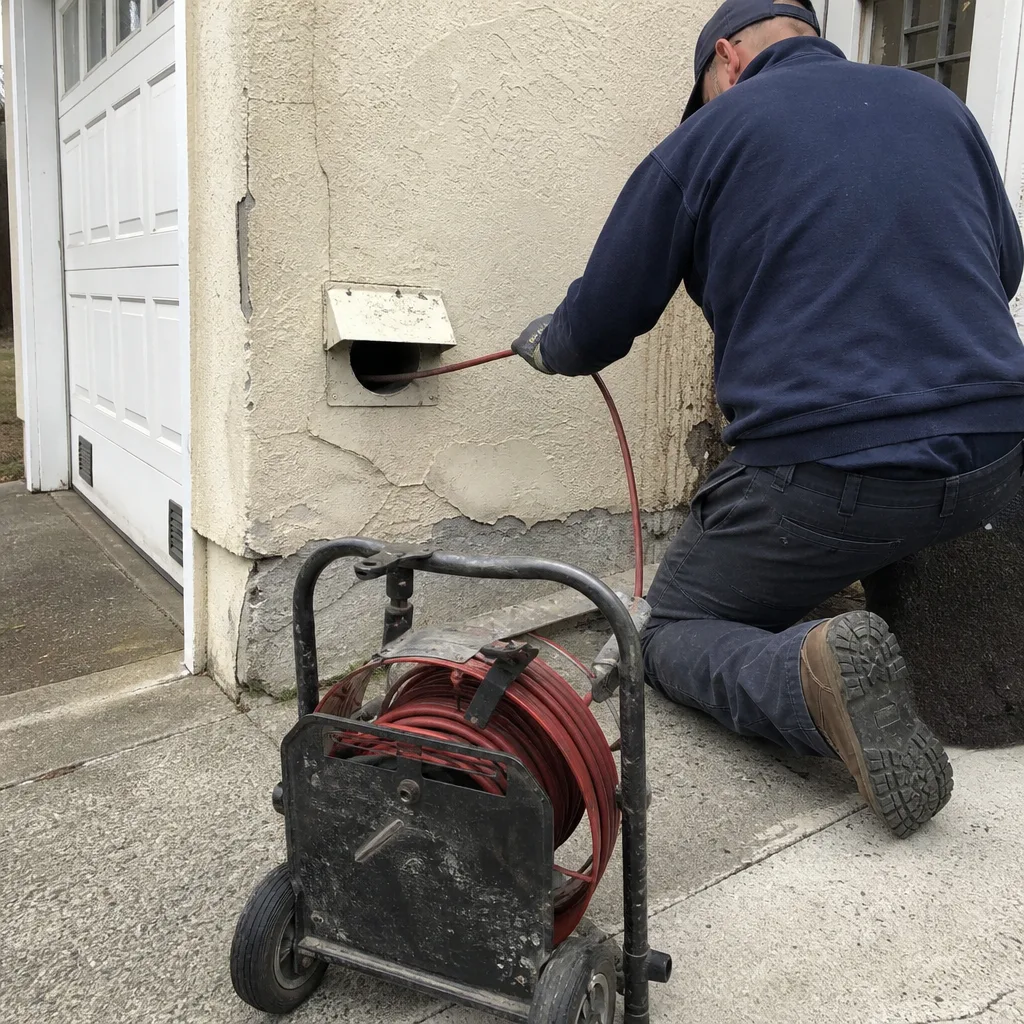 Before
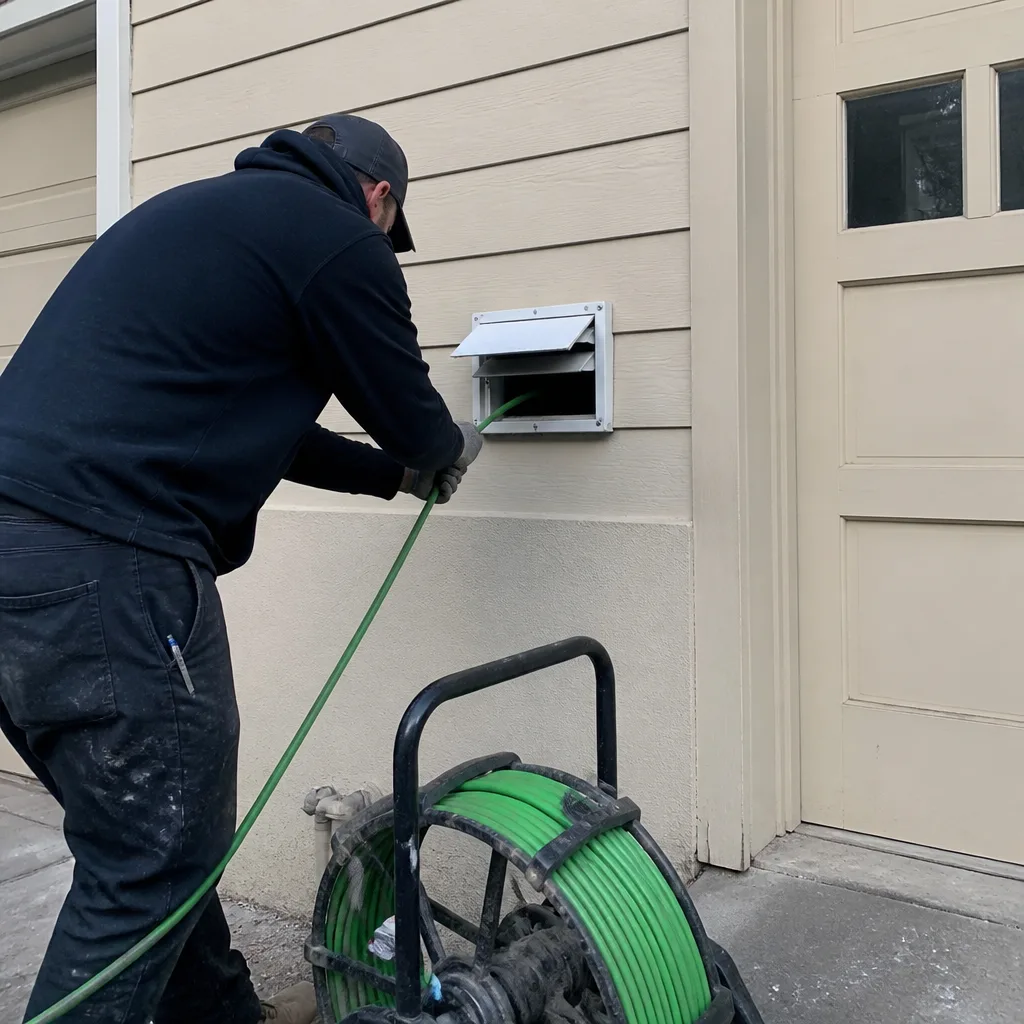 After
After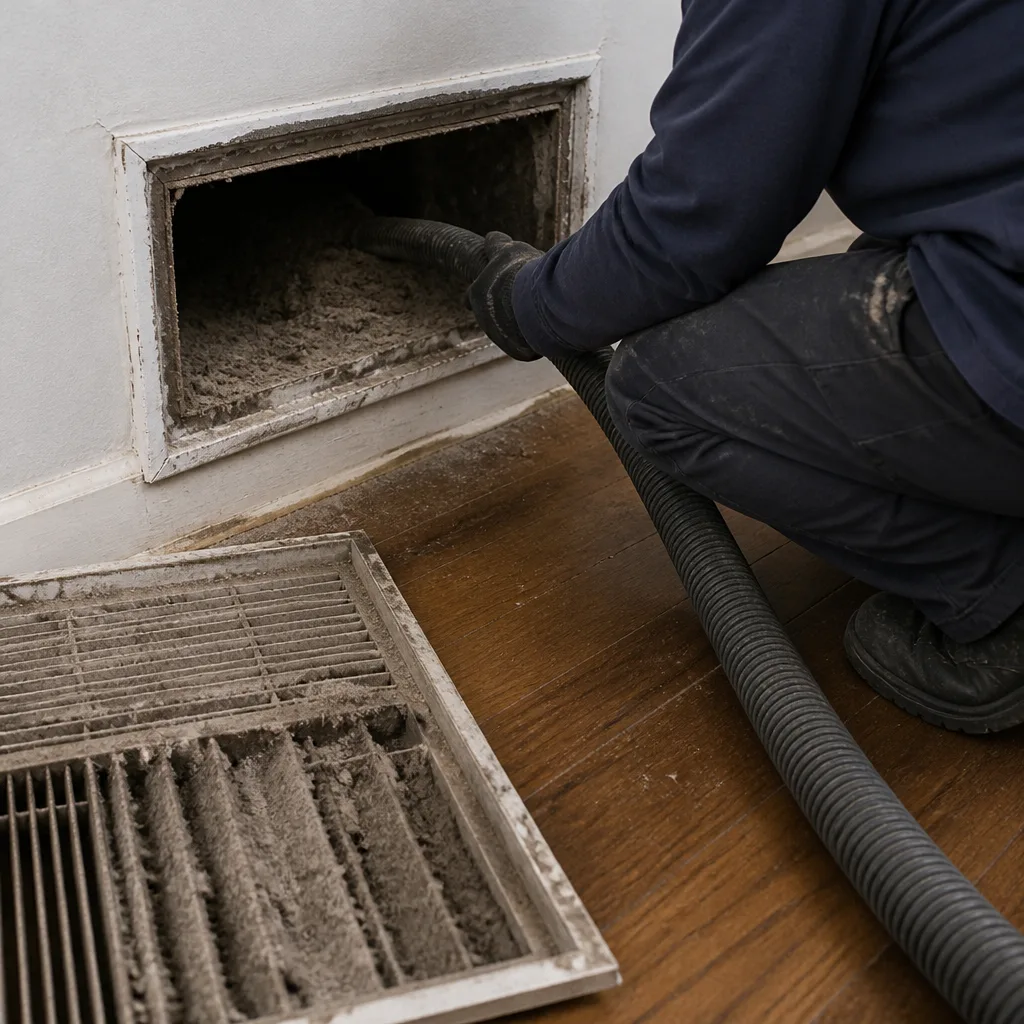 Before
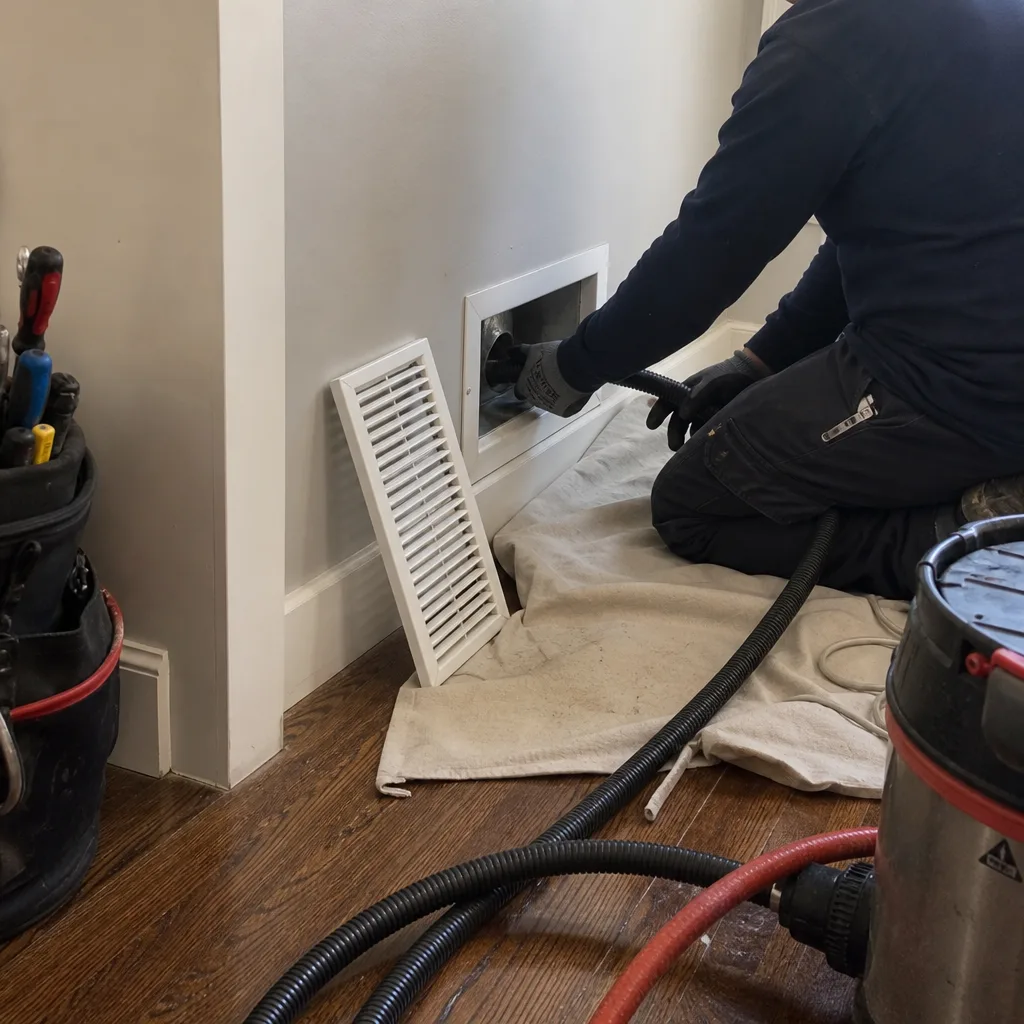 After
After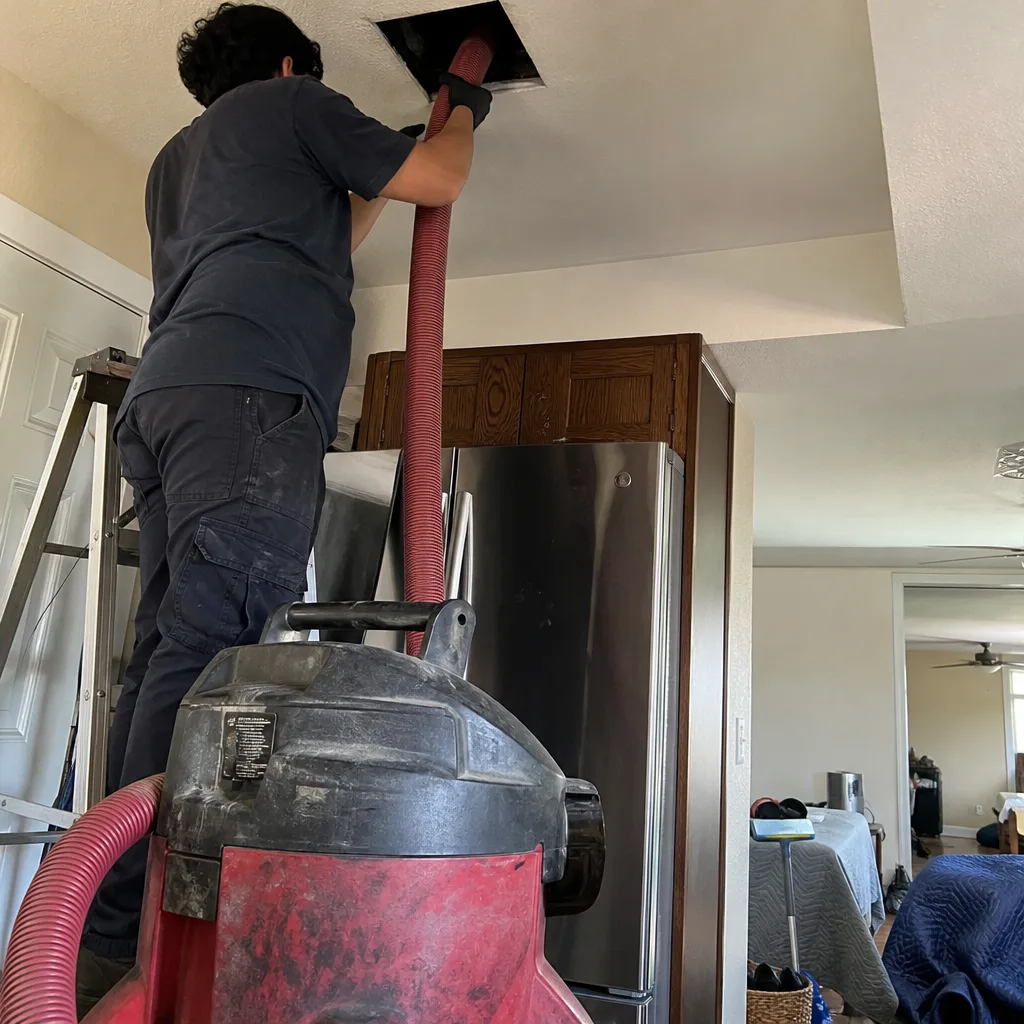 Before
 After
AfterDIY or Call Us?
Removing a floor register and wiping it down with soapy water is something any homeowner can do safely, and we encourage it between professional cleanings. Where DIY goes wrong is the register throat and damper assembly. Reaching down into the register boot to clean the interior surfaces often loosens debris that falls into the duct branch, and on Rotobrush systems that debris then interferes with the negative-pressure seal during your next cleaning. If the register won’t seat properly after removal, forcing it can crack aged wood flooring around the opening. The registers themselves are not dangerous, but they are the visible end of a system that relies on proper seating. If you’ve got more than a couple of registers showing real grime or dampers stuck in half-open positions, call us at (951) 527-6259 and we’ll tell you honestly what needs cleaning versus replacing.
FAQs
A quality metal register in a San Francisco home typically lasts 15 to 25 years, but registers in damp crawlspaces or homes within a few blocks of the ocean can rust through or seize in half that time. The cleaning isn’t the failure point; the moisture exposure is. Registers in the Richmond and Sunset, where fog is a daily fact of life, degrade noticeably faster than those in warmer, drier parts of the city. If your registers are 15+ years old and showing rust at the edges, replacement is usually the honest answer. Call (951) 527-6259 and we’ll assess yours without charging for a sales pitch.
Dampers can often be repaired by cleaning and re-lubricating the pivot mechanism, which we do as part of the cleaning service. But visible rust, broken fins, or a cracked sleeve usually means replacement is cheaper than repair. The honest math: a new standard register costs $18 to $55, while repair labor often exceeds that before the part is even fixed. We’ll tell you which one applies to your register before any money changes hands.
Register and grille cleaning on its own takes 45 to 90 minutes for a typical San Francisco home with 8 to 14 registers, and we can usually schedule within a few days of your call. As part of a full Rotobrush duct cleaning, the register work happens alongside the main job and doesn’t add meaningful time to the visit. The cleaning itself is methodical, not rushed: each register faces detergent cleaning, damper inspection, and re-seating before we move to the next one.
We keep standard 4×10, 4×12, 6×10, and 6×12 floor registers plus common wall register sizes stocked on our trucks in San Francisco. For less common sizes or specific finishes like brass or antique bronze, we source the part before the visit so it’s on hand when the appointment happens. If you need something unusual, send us a photo of the register and the measurements and we’ll have the match ready before we arrive.
Get a Written Estimate Before You Commit
Call (951) 527-6259 and we’ll give you a real price for your register and grille work before we schedule anything. No per-vent games, no surprise invoice at the end. We put the number in writing before work begins, and we stand behind it. Marcus Veale built Linden Air Duct San Francisco around exactly that commitment, because as he says: if I wouldn’t put it in writing before the job starts, it shouldn’t come out of my mouth either. Serving homeowners in San Francisco and the surrounding Bay Area since 2004.
Written by Marcus Veale, Owner, Linden Air Duct San Francisco at Linden Air Duct San Francisco, serving San Francisco and nearby areas.