
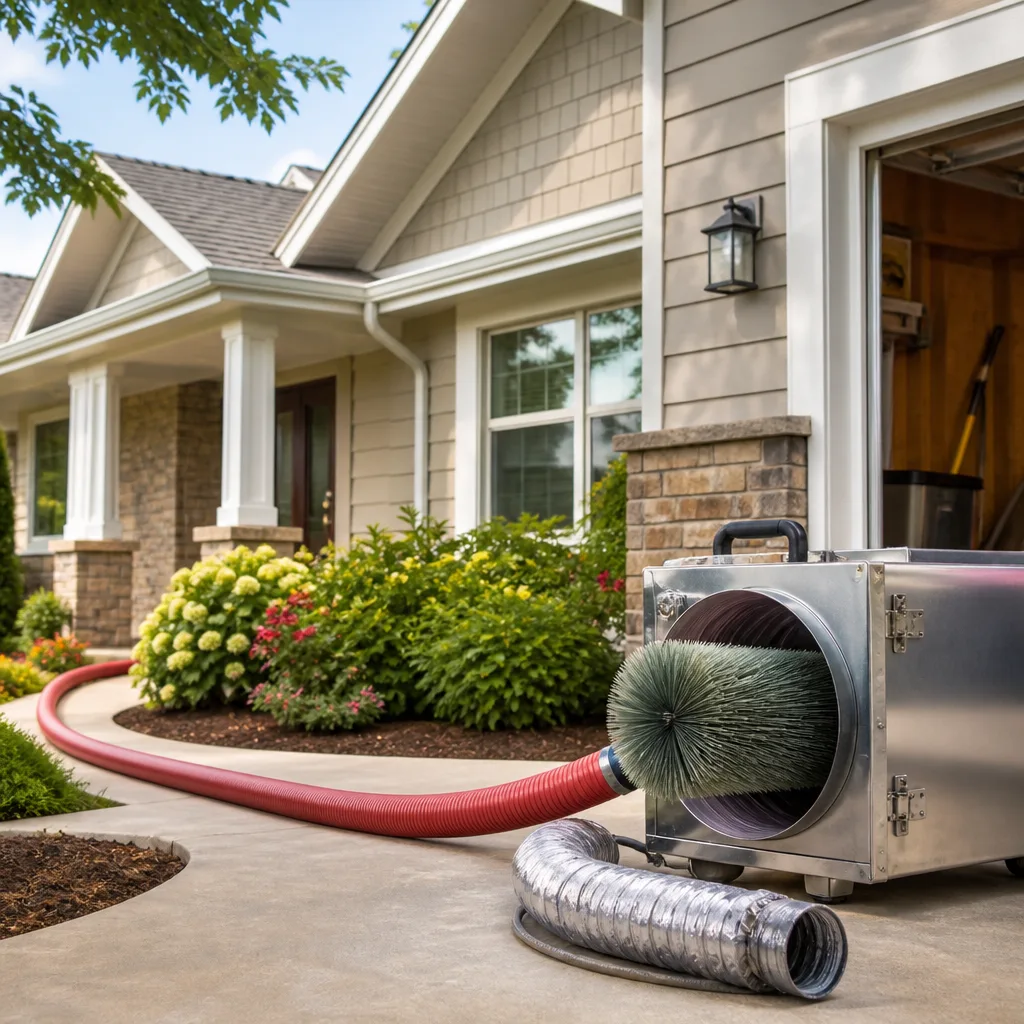
 Whole-home duct cleaning
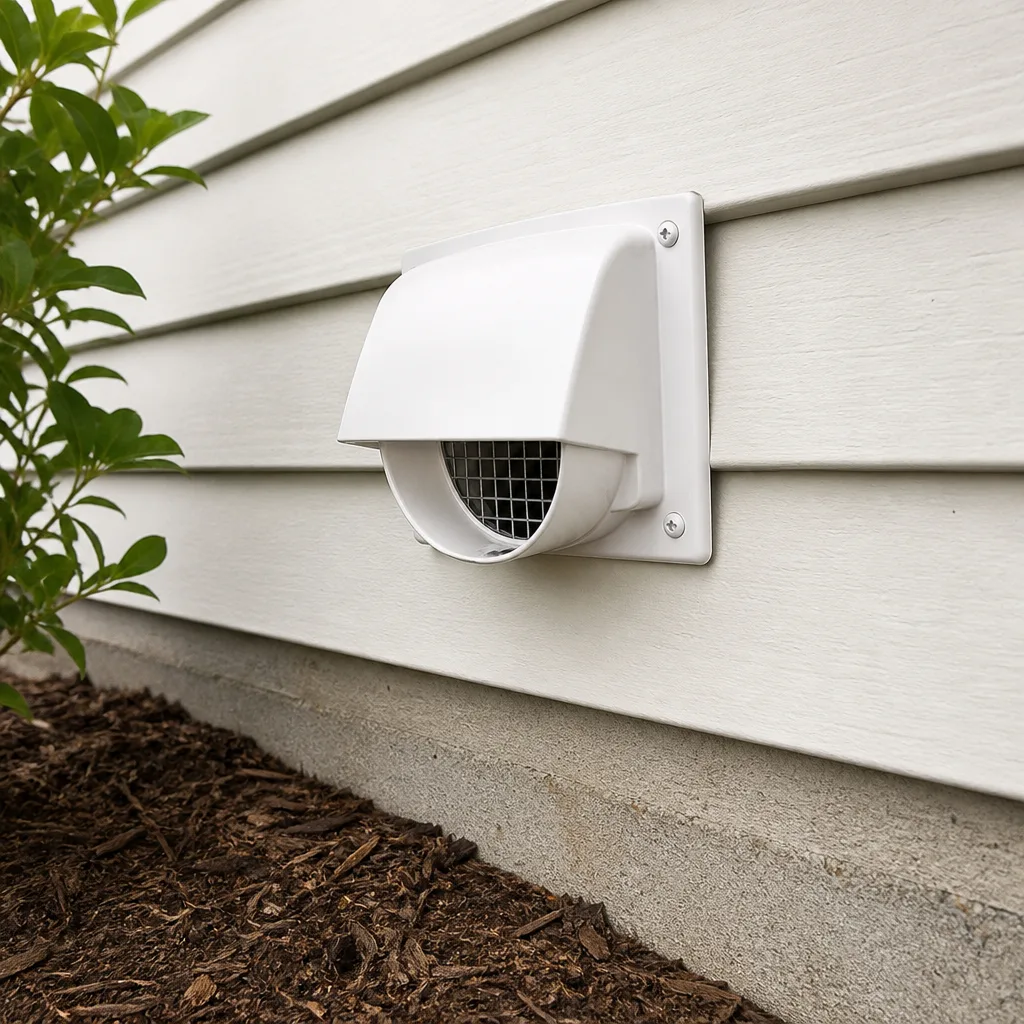 Dryer vent cleaning
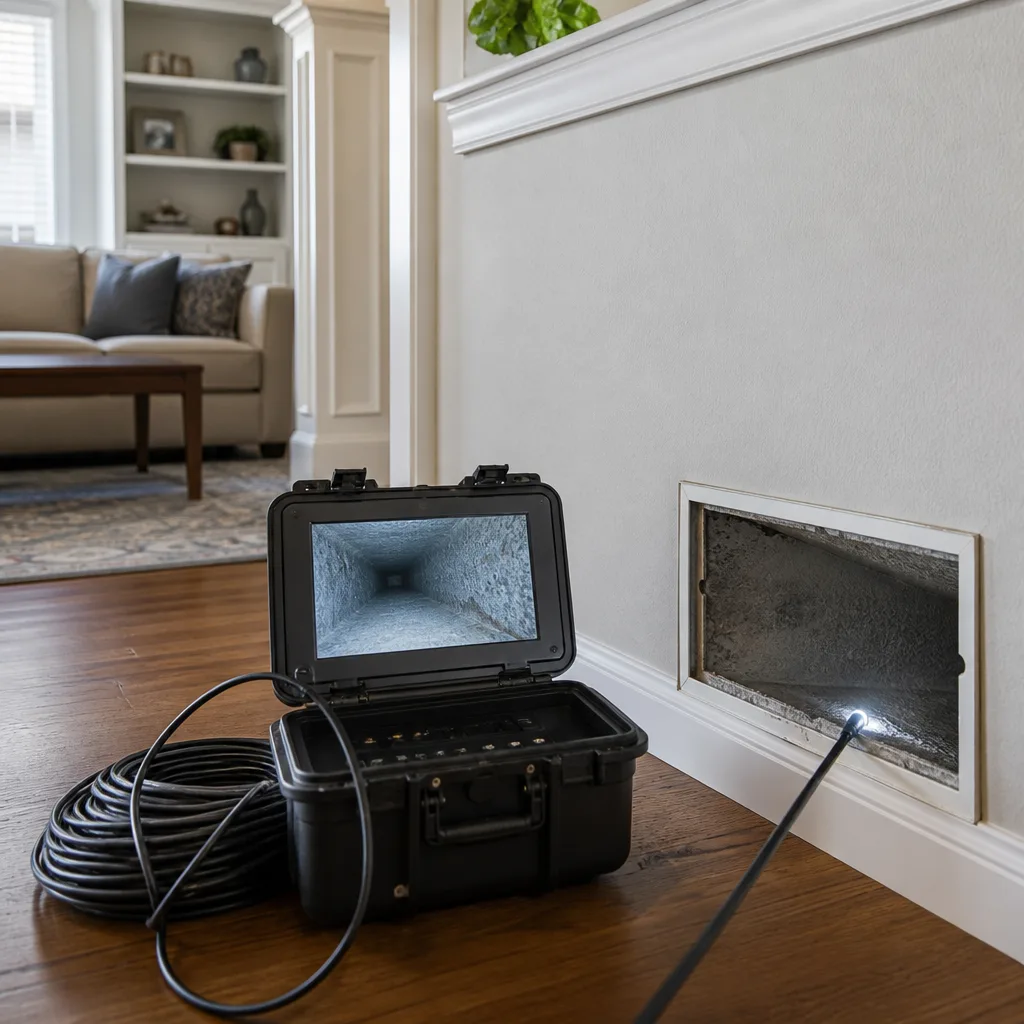 Camera inspection
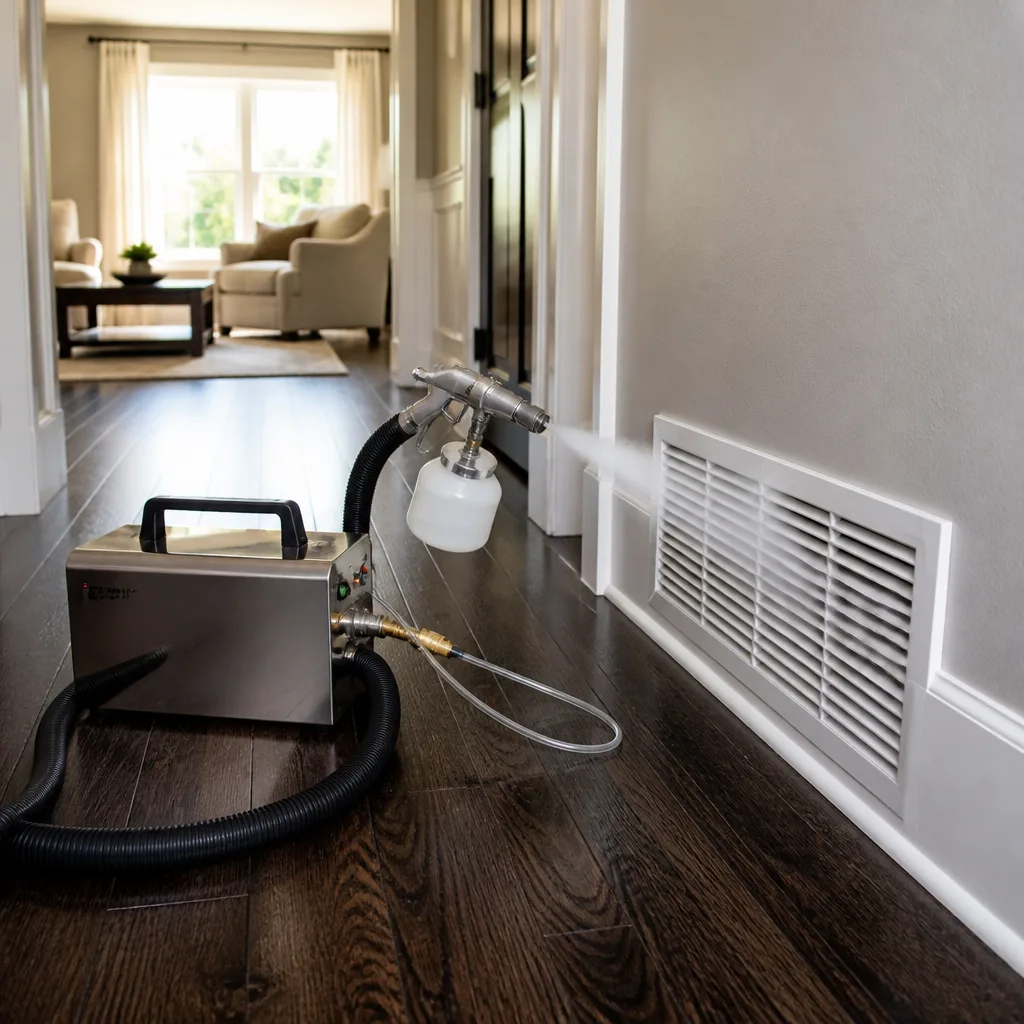 Sanitizing & deodorizing
Whole-system duct and dryer vent check with before-and-after photos - you see exactly what came out of your vents
That "$99 whole-house special" is a bait ad - the real number appears once they are in your hallway, or the "clean" is a shop-vac at the register. We photograph the inside of your ducts before and after instead.
Rotobrush Vent Sanitizing: The San Francisco Owner’s Guide
Rotobrush vent sanitizing replacement and installation in San Francisco typically runs $275 – $495 installed, depending on which series your machine belongs to and whether the fogger head or the solution delivery line has failed. We stock Rotobrush-compatible sanitizing components on our trucks and can match your unit to the right part the same week in most San Francisco neighborhoods. Most owners discover the failure mid-job: the fog output thins out, the pump cycles but no sanitizer reaches the vent, or the unit throws a pressure error that won’t clear.
What you’re holding is a machine that atomizes antimicrobial solution and pushes it into ductwork under pressure. When the sanitizing stage fails, you’re not just losing a feature. You’re running a cleaning cycle that looks complete but leaves the ducts untreated. In San Francisco’s damp coastal air, that half-finished step matters more than it does inland. Moisture that sits in unsealed duct runs invites the exact microbial growth the sanitizing pass was supposed to prevent.
Which Rotobrush Models This Applies To
Rotobrush has built several generations of duct cleaning and sanitizing equipment, and the vent sanitizing components are not universal across all of them. The older R500 and R2S series use a separate sanitizing module with a barbed solution line and a simple in-line check valve. The newer aiR+ and BR3 systems integrate the fogger into the main control unit, which means the sanitizing failure often shows up as a system error rather than a visible leak.
Here’s the compatibility gotcha most owners hit: the quick-connect fittings on the BR3 sanitizing manifold look identical to the R2S fittings, but the thread pitch differs by 1.5mm. A fitting that threads on by hand and feels snug will blow off under pressure about four minutes into a job. We see this exact mismatch in San Francisco more often than anywhere else we work, mostly because older equipment gets passed between contractors and parts bins get mixed. Before you order anything, flip the unit over and find the serial plate. The first two digits after the letter tell you the series. If it says BR3, do not order the R2S sanitizing components regardless of what any listing says.
On the OEM-vs-aftermarket question: Rotobrush OEM sanitizing heads run $180 – $260 for the part alone, and the OEM solution delivery line is another $40 – $70. Aftermarket equivalents from suppliers like Gardner Products and Jet-Lube run 30 – 40% less and work fine on the older series. The one place we won’t use aftermarket parts is the pressure regulator on the BR3. That’s a calibrated component, and the aftermarket versions drift under load. Marcus Veale has pulled enough of those off San Francisco jobs to know the $70 savings isn’t worth the call-back.
We also keep vent sanitizing parts for Lennox, Trane, and Carrier air handler setups on hand, since plenty of San Francisco homes run those brands alongside Rotobrush equipment.
Styles & brands we work with
Signs Your Rotobrush Vent Sanitizing Is Failing
- Fog output thins or stops entirely while the pump still runs. This usually means the fogger nozzle is clogged with crystallized sanitizer. Rotobrush’s concentrated solutions dry into a fine salt-like residue that blocks the 0.8mm nozzle orifice over time. If you’re seeing less fog but hearing the pump, that’s the first place to look.
- Sanitizer pools under the machine after a job. A cracked solution delivery line or a failed check valve lets sanitizer drain back out of the manifold. The cracks almost always start at the barb fitting where the line meets the fogger head, because that’s where the most vibration transfers during transport.
- The unit throws a pressure fault on startup. On the aiR+ and BR3 series, this typically means the internal pressure sensor has been fouled by sanitizer backflow. It’s a known weak point, and the fix is a sensor swap, not a software reset.
- You smell sanitizer during the agitation cycle before the sanitizing stage even begins. This points to a leaking check valve that’s letting solution seep into the wrong part of the system. It’s annoying but also dangerous if the solution gets into the motor windings.
- The fogger head vibrates or rattles during operation. The impeller inside the fogger assembly wears its bearing over time, especially in units that have run hundreds of San Francisco jobs. A rattling fogger is a fogger that’s about to seize, and a seized fogger takes the drive coupling with it.
Replacement Cost & What’s Included
Installed Rotobrush vent sanitizing replacement in San Francisco runs $275 – $495 for the fogger head, solution line, and check valve assembly on most R500 and R2S units. The BR3 pressure regulator replacement lands at the top of that range because the part itself is pricier and the calibration takes longer. Here’s the breakdown:
- Fogger head replacement: $180 – $260 (part) plus $95 – $135 labor
- Solution delivery line and check valve: $40 – $70 (part) plus $60 – $85 labor
- BR3 pressure sensor or regulator swap: $210 – $310 (part) plus $110 – $150 labor
- Full sanitizing assembly (fogger, line, check valve, manifold): $390 – $495 installed
Every quote is put in writing before any work begins, and that’s the price you pay. No per-vent add-ons, no mystery fees at the door. The replacement work itself is covered by our written guarantee, and if a covered part fails within the guarantee period, we come back and make it right at no charge.
Key Takeaways
- Rotobrush vent sanitizing parts are series-specific. R2S fittings will not safely fit a BR3 unit.
- Installed replacement in San Francisco runs $275 – $495 on most units.
- Clogged fogger nozzles and cracked solution lines are the two most common failure points.
- Aftermarket parts work for older series, but the BR3 pressure regulator should stay OEM.
- Every price is written down before we start. No exceptions.
See the difference
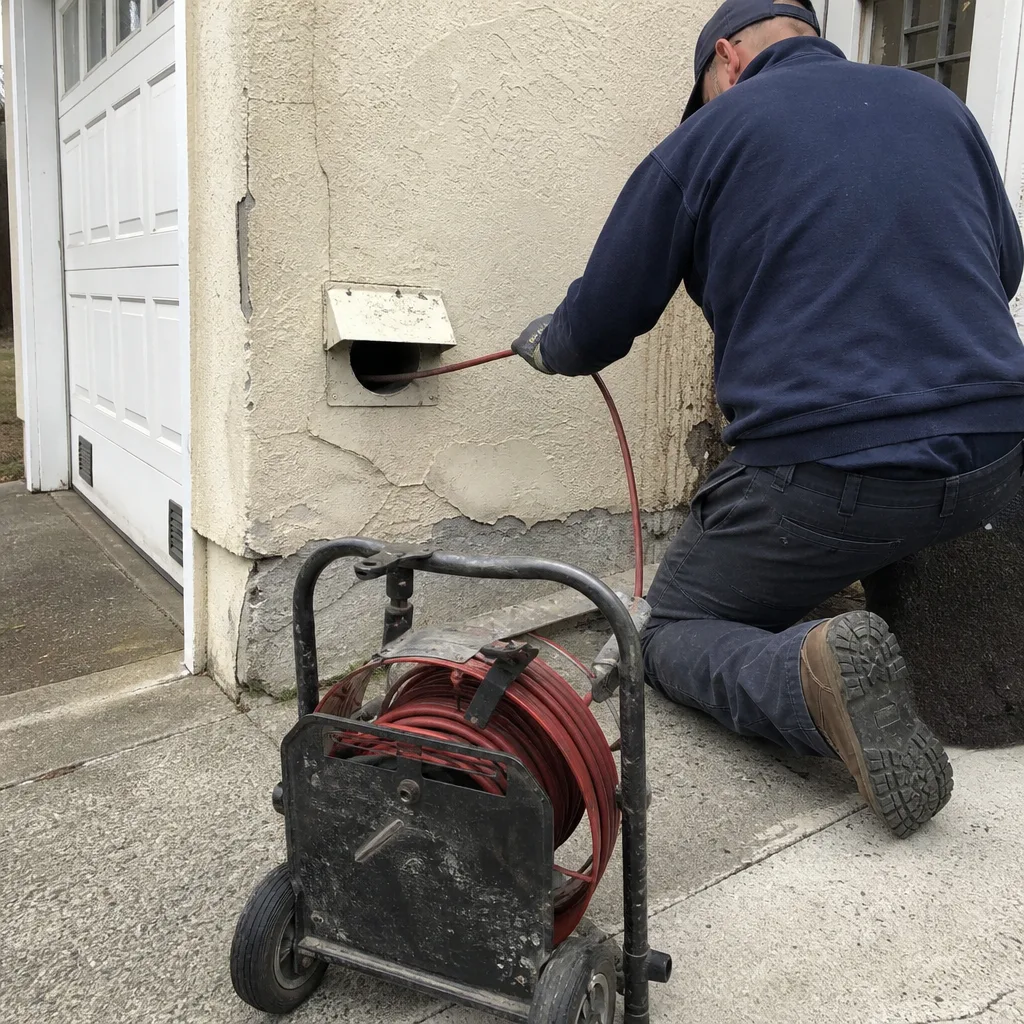 Before
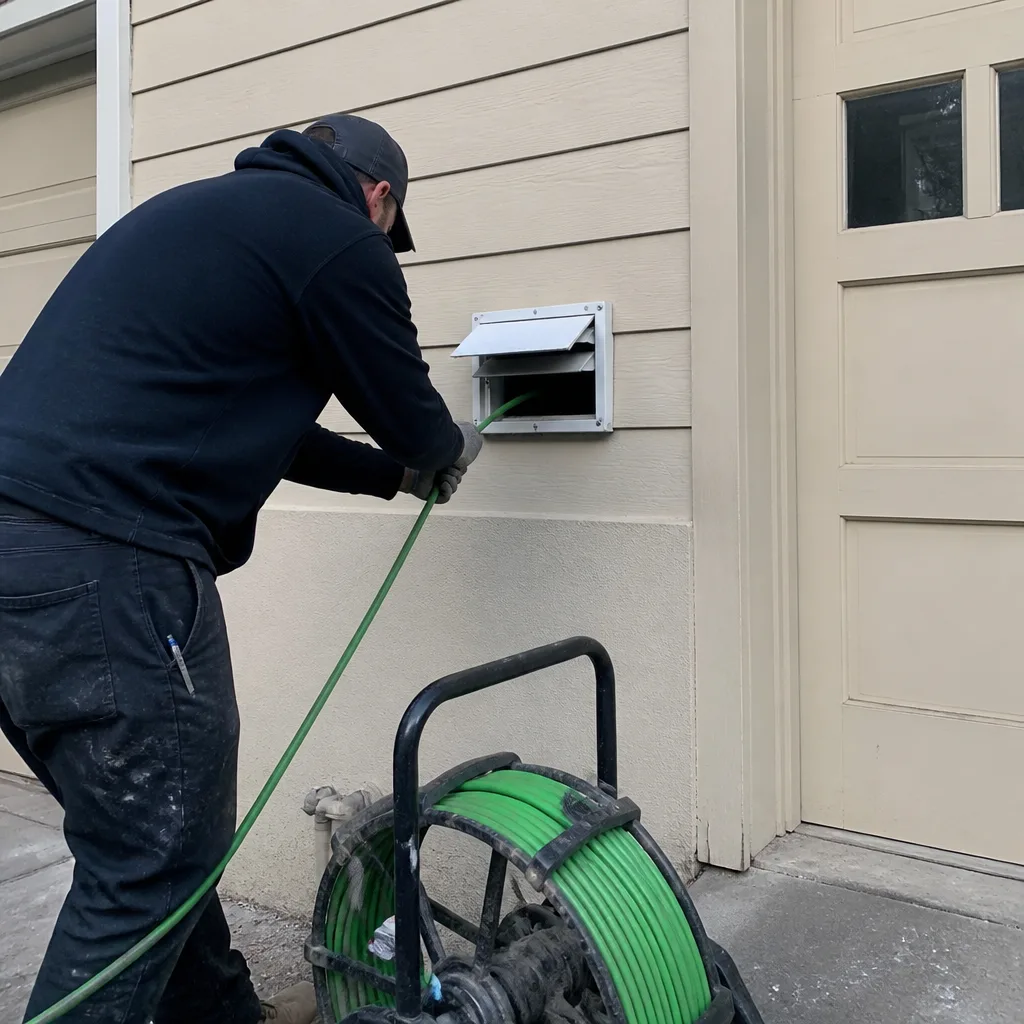 After
After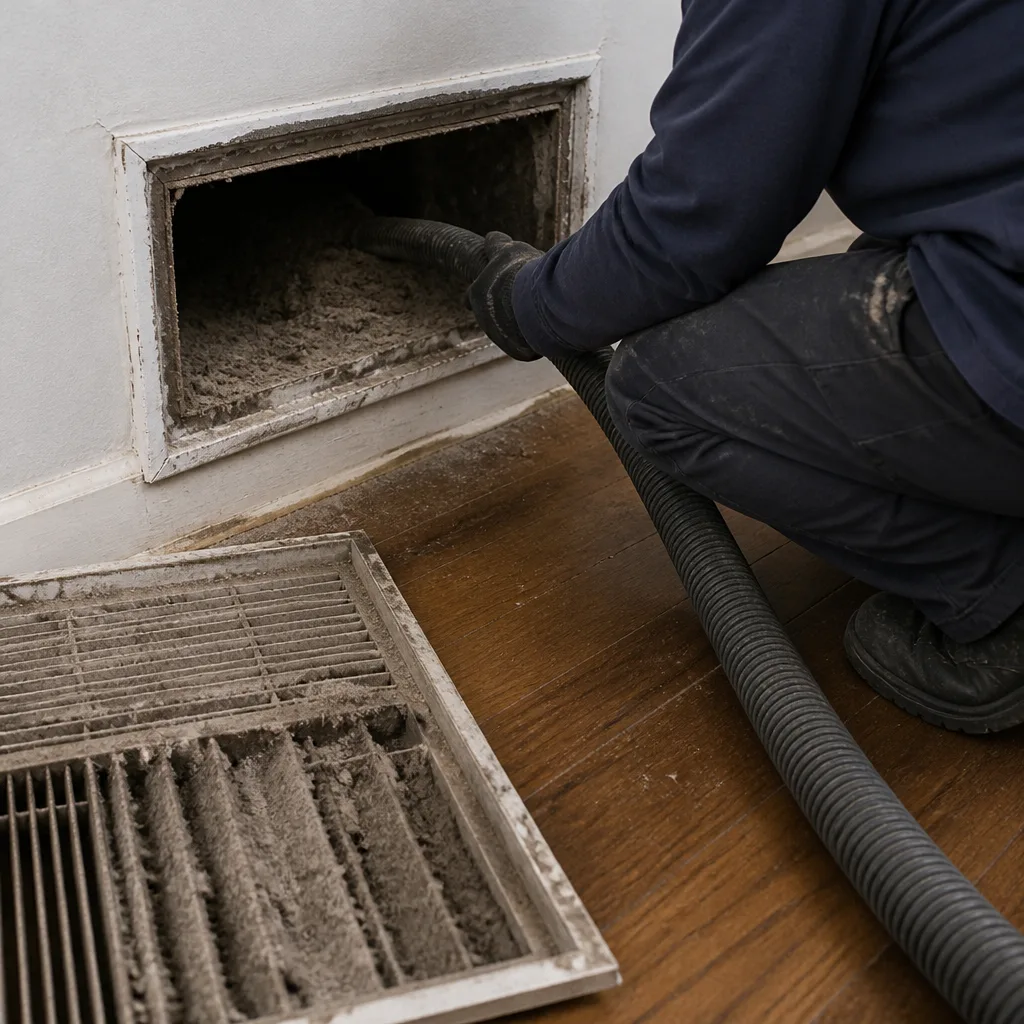 Before
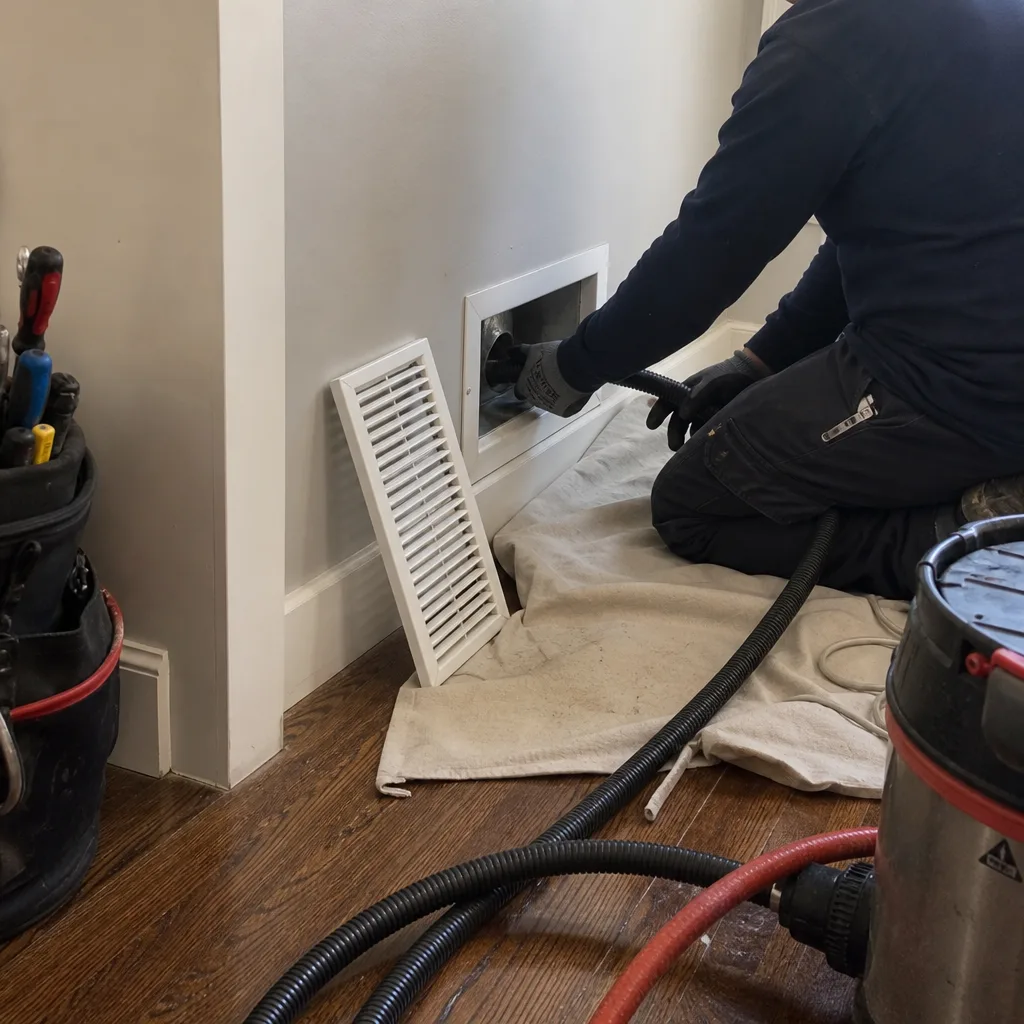 After
After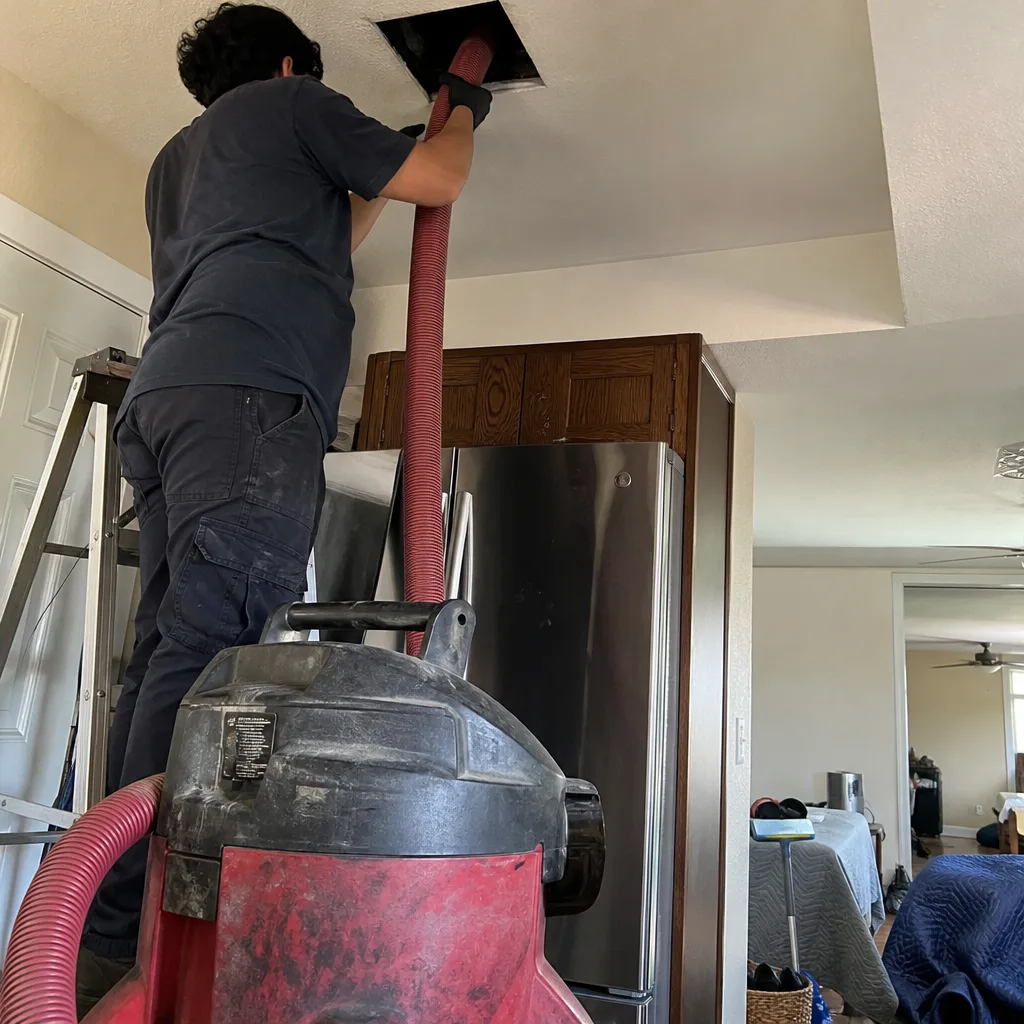 Before
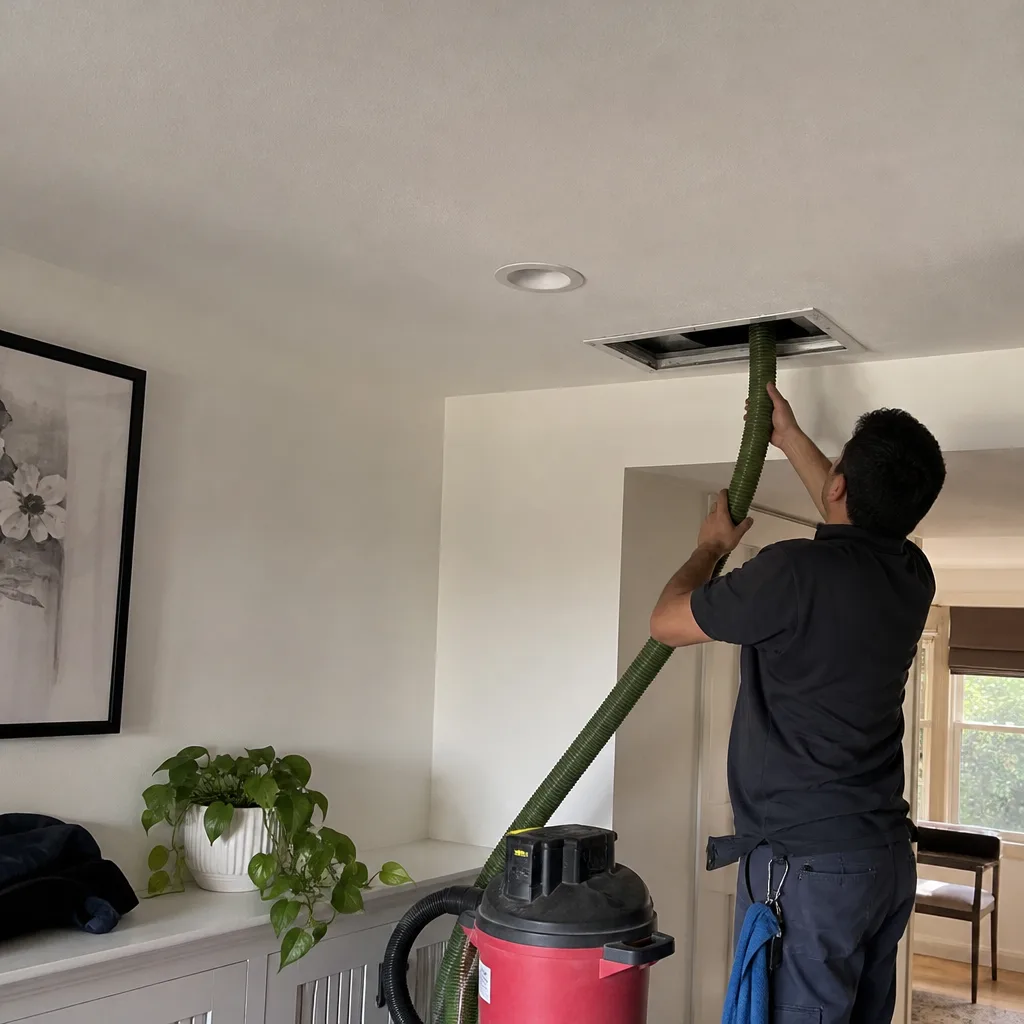 After
AfterDIY or Call Us?
You can safely check a few things yourself. Unplug the unit, remove the fogger head, and look at the nozzle. If it’s crusted with white residue, you’ve found the problem, and cleaning it with warm water may buy you a few more jobs. You can also inspect the solution line for visible cracks and check that the check valve still seals by blowing gently through it. Those are safe, useful checks.
What’s not safe is attempting to replace the internal pressure regulator or manifold on a BR3 without the calibration equipment to verify it. That’s a pressurized system, and a bad calibration doesn’t just ruin a job. It can push sanitizer back into the motor housing and short the unit. We’d also say this about any repair where you’re not certain about the threading: a fitting that feels snug but isn’t right becomes a projectile the moment pressure builds. If you’re in San Francisco and want it diagnosed properly, call (951) 527-6259. We’ll match the part to your serial number, give you a written price, and have it running again without guesswork.
FAQs
A Rotobrush fogger head typically lasts 300 – 500 cleaning jobs before the nozzle or bearing gives out, but in San Francisco’s damp air, we see nozzle crystallization happen faster than the national average because sanitizer residue absorbs ambient moisture and hardens unevenly. If you run two jobs a week, expect to replace the fogger head or at least the nozzle every three to four years. Call (951) 527-6259 and we can tell you over the phone whether your symptoms match a reversible clog or a terminal bearing failure.
Sometimes. A clogged nozzle can be cleaned and a cracked solution line can be trimmed and refit, which is why we always diagnose before we quote a replacement. But a seized impeller bearing, a failed check valve, or a drifted BR3 pressure regulator should be replaced outright. Repaired parts on those components don’t hold, and a failed check valve that lets sanitizer backflow into the motor costs far more than the part itself. Call us for an honest read on whether your unit is worth patching or replacing.
A fogger head and solution line replacement on a Rotobrush R500 or R2S takes about 45 – 60 minutes in most cases. A BR3 pressure sensor replacement can take two to three hours because the calibration has to be verified against the unit’s baseline before we hand it back. We give you a written time estimate along with the price before any work begins.
We stock the most common Rotobrush fogger heads, solution delivery lines, check valves, and fittings on our trucks, so most San Francisco jobs can be completed the same visit. The BR3 pressure regulator is the one part we sometimes need to source from a regional supplier, which adds two to three business days. We’ll tell you which situation you’re in before we schedule anything.
Get Your Rotobrush Unit Diagnosed and Repaired
If your Rotobrush vent sanitizing is down, don’t run another job with untreated ducts. Call (951) 527-6259 and we’ll match your unit to the right part by serial number, give you a written price before we touch anything, and send a background-checked, photo-badged technician whose name and picture you’ll have before they arrive. That’s the Threshold Standard, and it applies to every visit. If I wouldn’t put it in writing before the job starts, it shouldn’t come out of my mouth either.
Written by Marcus Veale, Owner, Linden Air Duct San Francisco at Linden Air Duct San Francisco, serving San Francisco and nearby areas.