
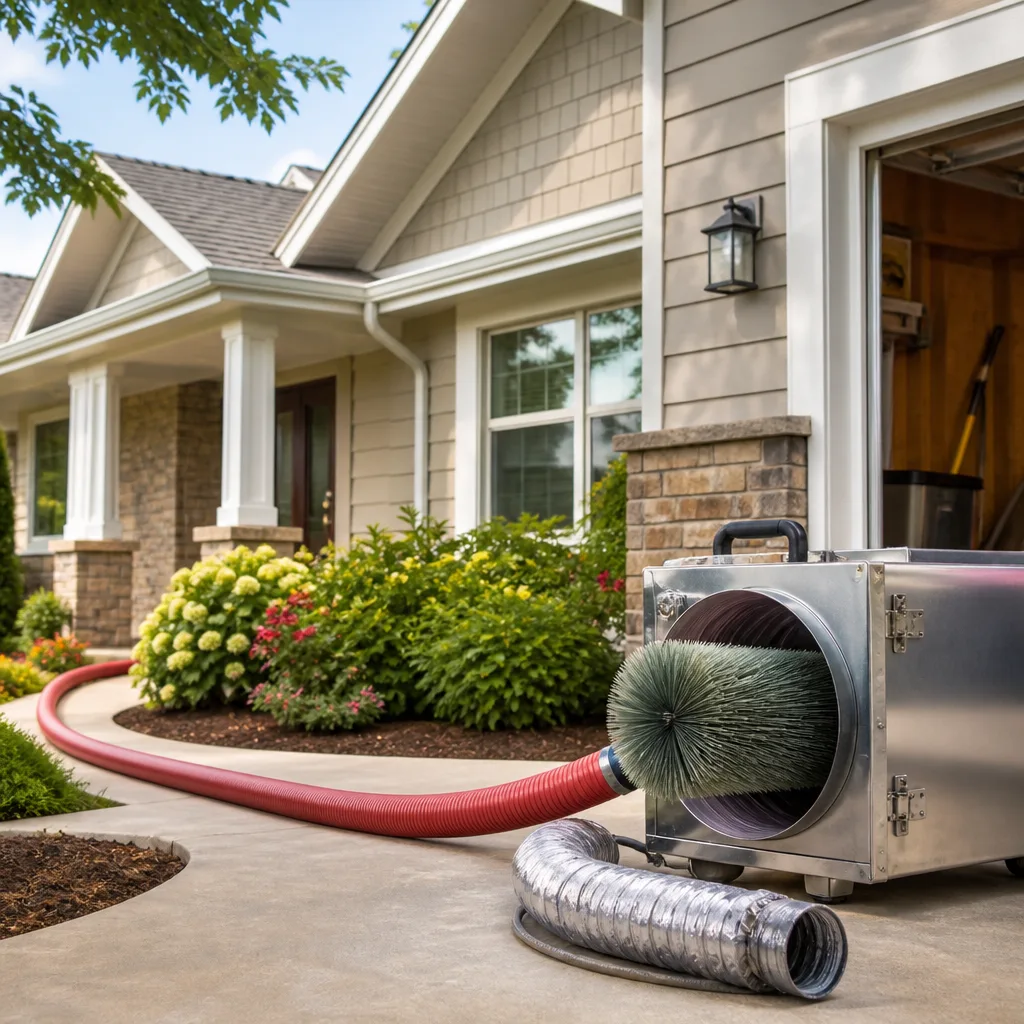
 Whole-home duct cleaning
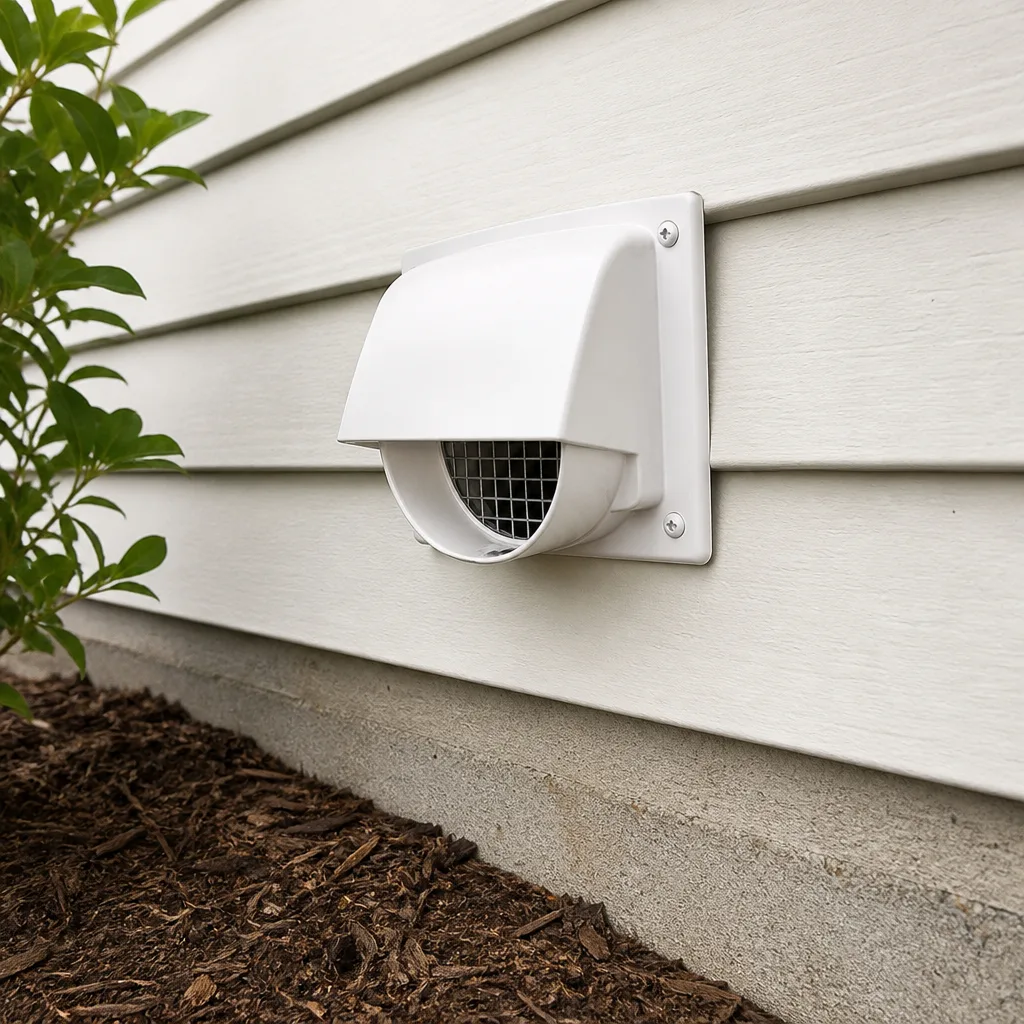 Dryer vent cleaning
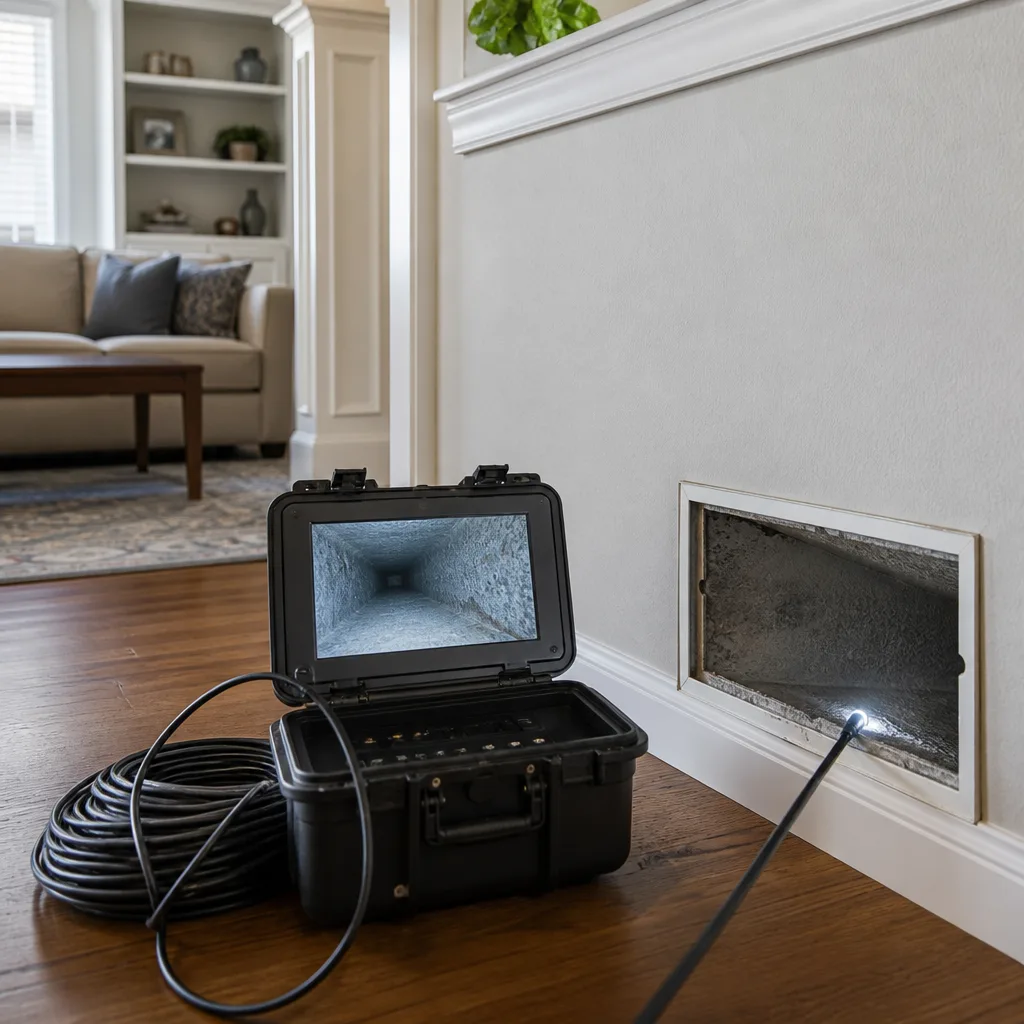 Camera inspection
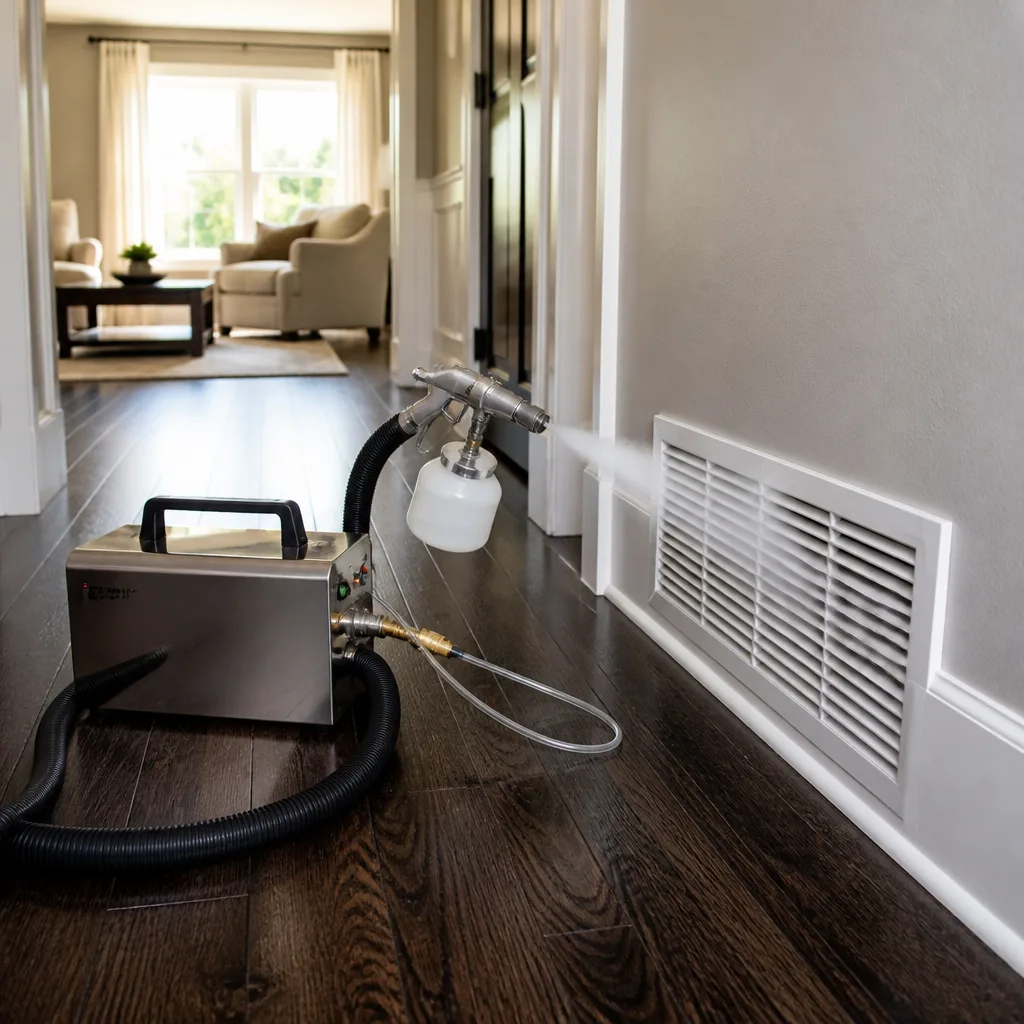 Sanitizing & deodorizing
Whole-system duct and dryer vent check with before-and-after photos - you see exactly what came out of your vents
That "$99 whole-house special" is a bait ad - the real number appears once they are in your hallway, or the "clean" is a shop-vac at the register. We photograph the inside of your ducts before and after instead.
Rotobrush Duct Sealing & Repair: The San Francisco Owner’s Guide
If you own a Rotobrush system and the sealing assembly has failed, you need a straight answer on what it costs and who can fix it. In San Francisco, Rotobrush-compatible duct sealing and repair typically runs $340 – $620 installed, depending on the specific model series and which components have worn. We stock the common failure parts on our trucks, so most Rotobrush sealing repairs here are completed the same day we arrive.
The way most San Francisco owners discover this problem isn’t dramatic. You’re in the middle of a cleaning job and the brush stops pulling debris. Or the air seems to be moving, but the duct isn’t actually getting cleaner. Sometimes it’s the seal around the access port that’s degraded, letting air escape. Whatever the symptom, the fix usually comes down to a handful of parts we know well.
Key Takeaways:
- Most Rotobrush sealing and repair work in San Francisco costs $340 – $620 installed.
- We carry the common Rotobrush-compatible wear parts on the truck, so many fixes happen same day.
- Your price is written down before we touch a single vent, and every repair carries our 365-Day Done Right Promise in writing.
- We are an independent service provider, not affiliated with Rotobrush, but we stock and install Rotobrush-compatible parts for the systems we service.
Which Rotobrush Models This Applies To
Rotobrush has put out several series over the years, and the sealing components aren’t universal across all of them. The older RotoSweep and the AiR+ systems use different gasket diameters and different collar configurations, which is the single biggest compatibility gotcha we see in San Francisco homes. If you can find the model label on the back of the unit or the side of the housing, that tells us which family it belongs to. On the AiR+ line, the part number is usually printed on a small white tag near the power cord inlet.
For Rotobrush sealing specifically, we generally recommend OEM or Rotobrush-licensed replacement parts rather than generic aftermarket equivalents. The tolerances on the brush-to-seal clearance are tight, and a slightly off gasket means suction loss you’ll feel but not necessarily see. If you have an older system where Rotobrush parts are no longer made, there are quality aftermarket options we’ve tested, but we’ll tell you where the tradeoffs are before we install anything. The same rule applies to our work with Lennox, Trane, and Carrier duct systems, though this page is focused on Rotobrush repair.
Styles & brands we work with
Signs Your Rotobrush Duct Sealing & Repair Is Failing
- Noticeable suction drop during cleaning. The brush spins, but the debris doesn’t move. This usually means the seal at the access port has hardened or cracked, and your system is pulling air from the room instead of inside the duct.
- Fine dust escaping around the housing. If you can see a film of fine dust settling on the access collar while running the machine, the gasket has likely compressed past its service life. Left alone, this lets whatever you’re trying to remove back into the living space.
- Brush head wobble or vibration. A worn seal lets the brush shaft sit off-center, which shows up as vibration through the housing. It’s not just annoying – off-center rotation wears out the brush bearings faster.
- Unusual noise from the unit. A high thin whistle or a pulsing whine tells us air is bypassing through a failed sealing surface, not going where it should.
- Debris left behind in the duct after a pass. You check after the job and still see buildup near the registers. That means the seal was not maintained through the whole run. On older San Francisco homes with decades of layered dust, a weak seal will leave you with a half-done job every time.
See the difference
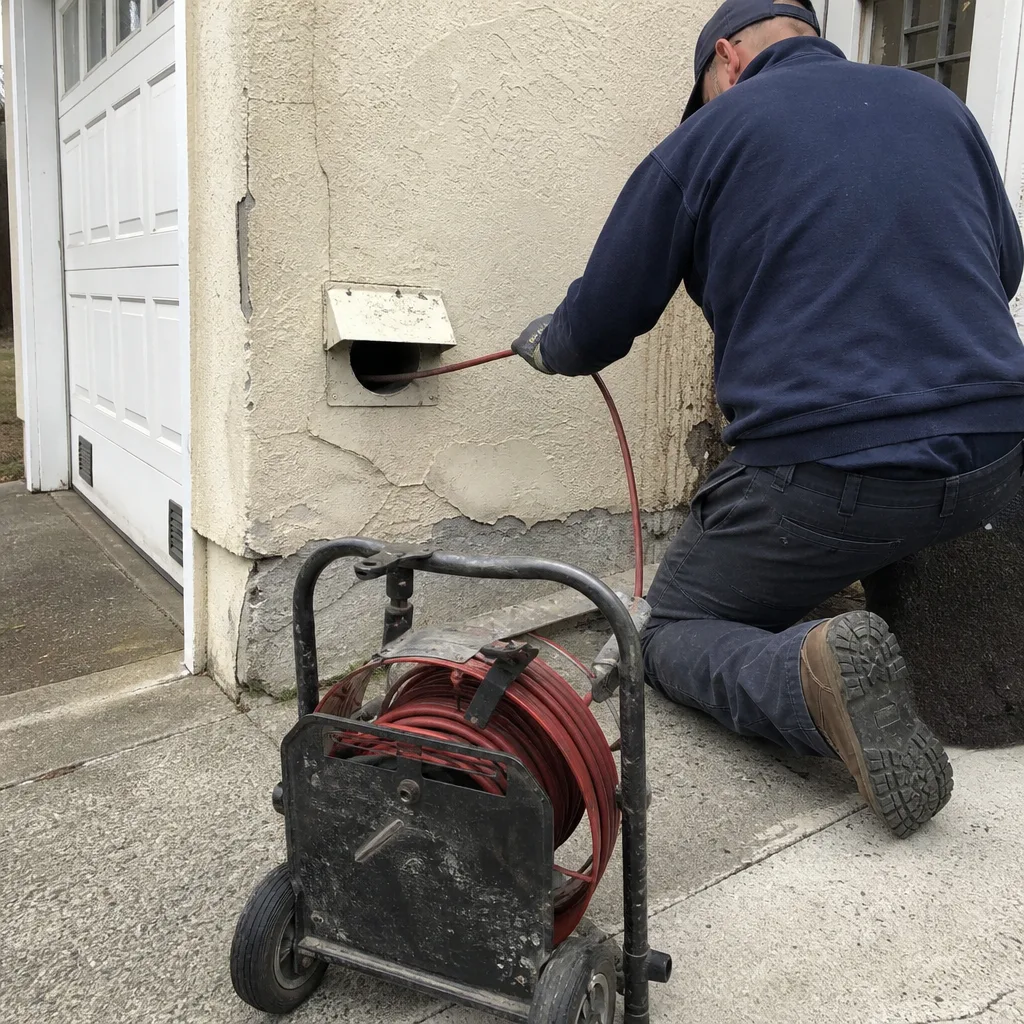 Before
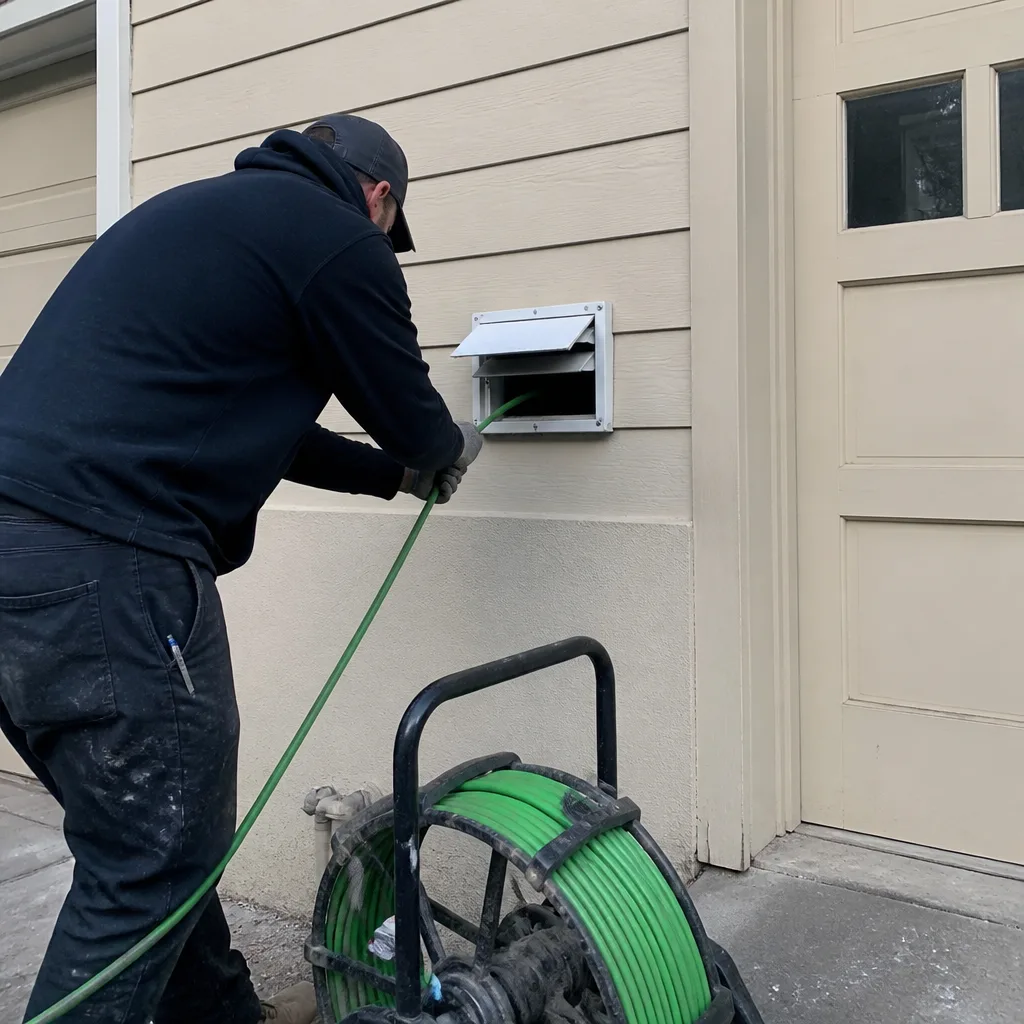 After
After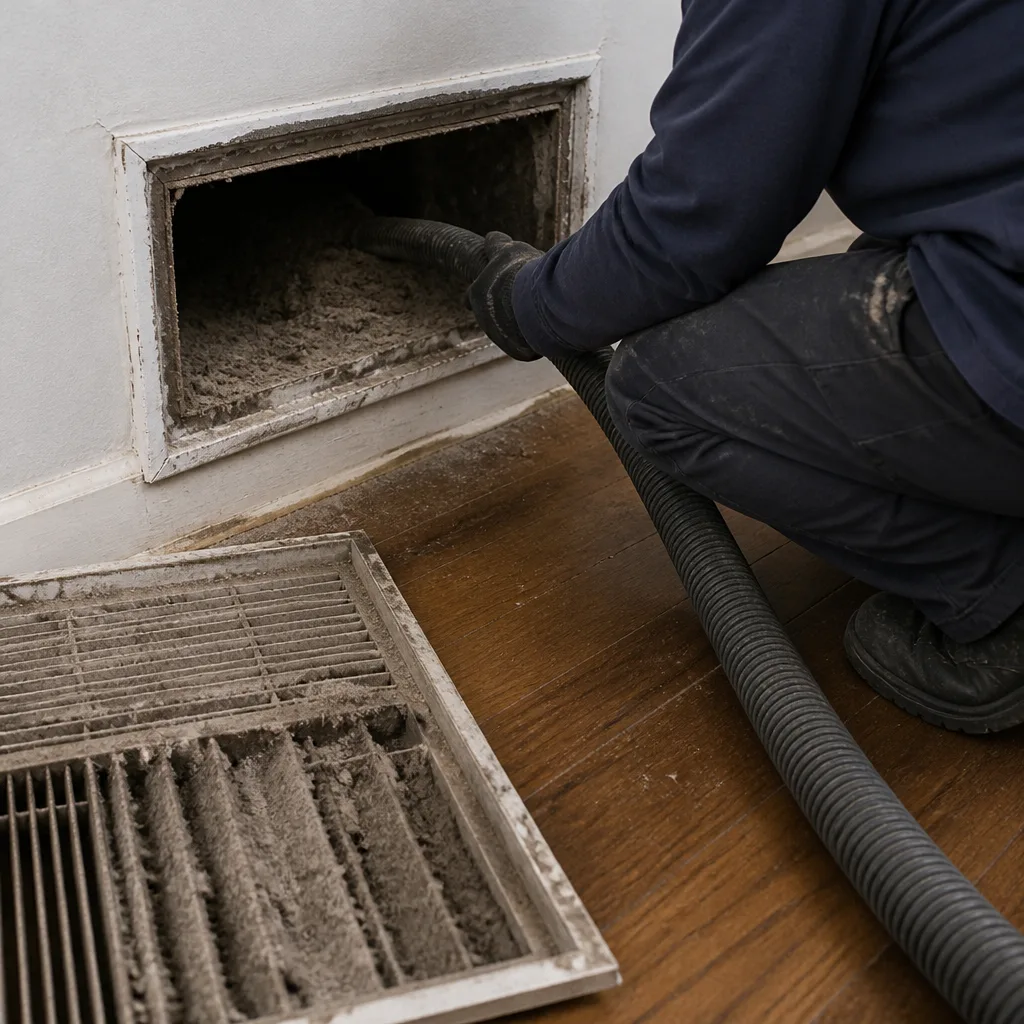 Before
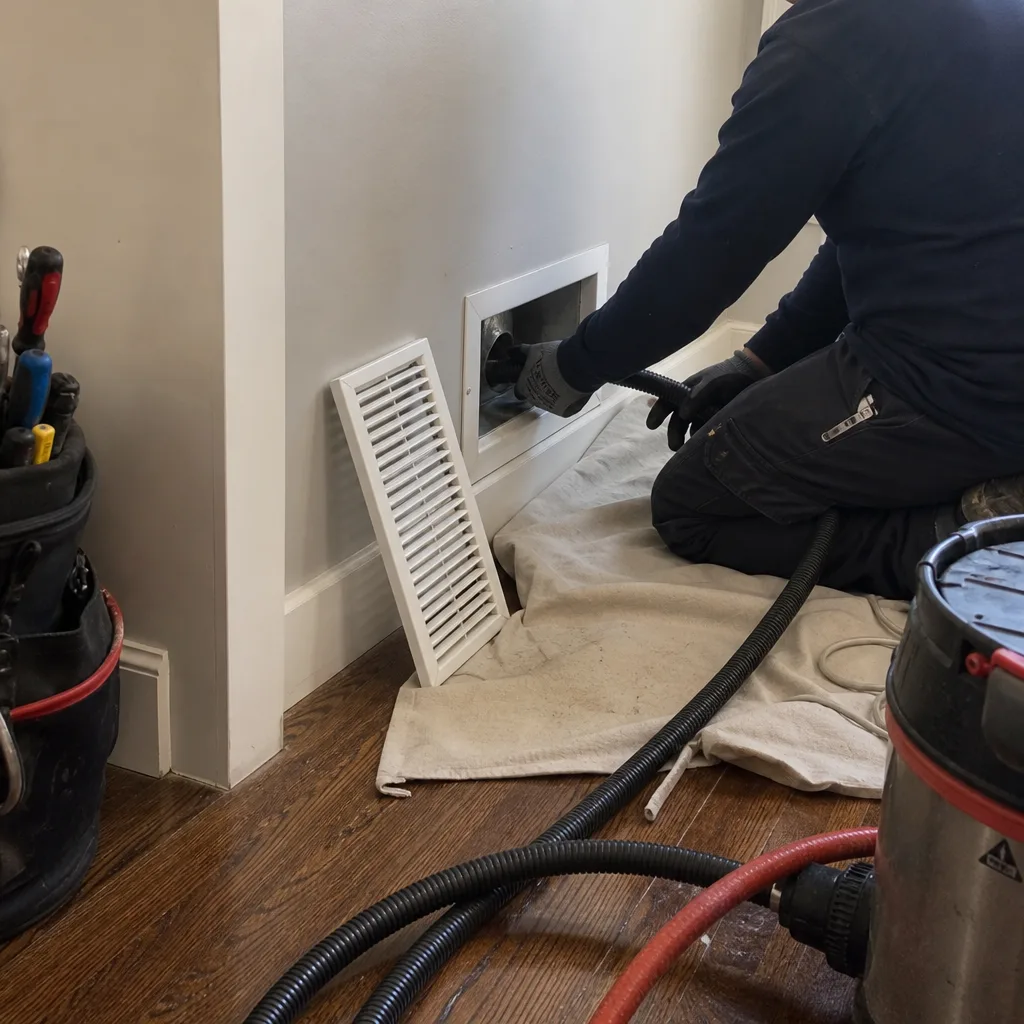 After
After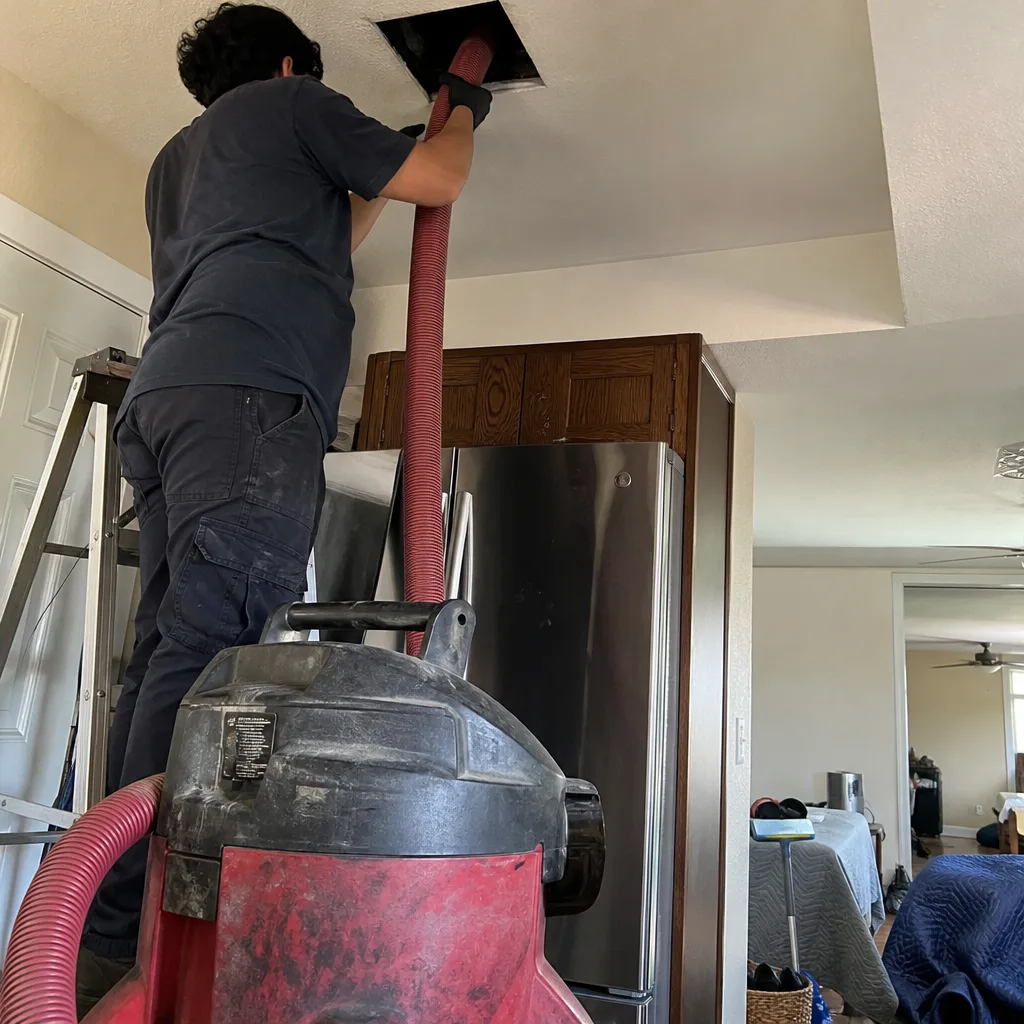 Before
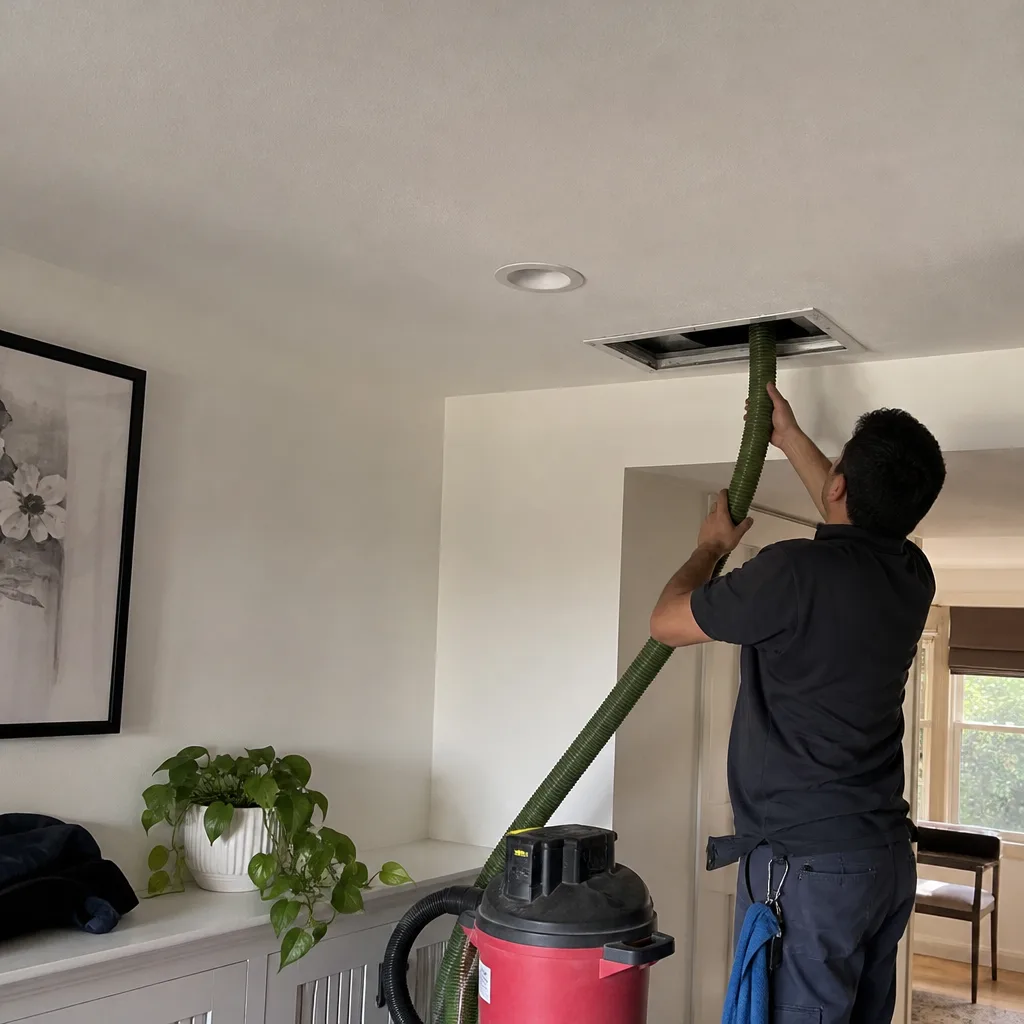 After
AfterReplacement Cost & What’s Included
The price you’re quoted should include the part, the labor to install it, and a written guarantee that it works. In San Francisco, a Rotobrush sealing assembly replacement typically ranges from $340 to $620 installed as a single job. Where you land in that range depends mainly on your system’s model family and how many sealing surfaces need attention.
| Repair Scope | Typical Installed Price in San Francisco |
|---|---|
| Access port seal replacement only | $180 – $260 |
| Brush housing seal + brush head inspection | $260 – $390 |
| Full sealing assembly replacement (parts + labor) | $390 – $620 |
The service call includes a written price before we unload anything, the part itself, the installation, and our 365-Day Done Right Promise in writing. If the repair doesn’t hold, we come back at no charge. No per-seal add-ons, no surprise line items on the invoice. Marcus Veale built Linden around one straightforward idea: tell the customer exactly what’s in their ducts and exactly what it costs before anyone touches a vent cover. If I wouldn’t put it in writing before the job starts, it shouldn’t come out of my mouth either.
DIY or Call Us?
There are a few things you can safely check before calling. Look at the access port seal for visible cracks or flattening. Check whether the brush head spins freely by hand with the unit unplugged. Make sure the power cord and plug are in good shape, and don’t run the machine with a damaged cord. This Rotobrush sealing assembly is not a high-tension danger like a garage door spring, but the housing does contain spinning components and electrical wiring, so we don’t recommend opening the sealed motor housing yourself.
Where DIY goes wrong is when an owner replaces just the visible gasket and assumes the rest of the assembly is fine. On Rotobrush systems, wear compounds: the seal, the brush collar, and the shaft guide all wear together, and replacing a single seating surface often leaves you with the same leak two weeks later. Get a full inspection first, then decide. Call Linden Air Duct San Francisco at (951) 527-6259 – we will put the repair price in writing before any work begins.
FAQs
A properly maintained Rotobrush sealing assembly generally lasts 500 to 800 cleaning hours, though San Francisco’s coastal air can shorten that by hardening rubber gaskets faster than inland climates. If you use the system regularly in older buildings near the Pacific with decades of fine dust, expect to replace the seal every 2 to 4 years. Call us at (951) 527-6259 for a specific assessment of your system.
Sometimes, yes. If the damage is limited to a compressed gasket and the surrounding housing is intact, we can replace just that component. If the seal has degraded to the point of cracking, or the brush collar shows wear, a full sealing assembly replacement is usually more cost-effective than piecemeal repairs. We have both options on the truck and will quote the honest choice, not the pricier one by default.
Most sealing repairs we do are completed in under 90 minutes on site, assuming we have your model’s parts on hand when we arrive. We stock the common Rotobrush-compatible wear parts on our trucks. Call (951) 527-6259 to tell us your model, and we’ll confirm before we schedule.
Yes. We carry the most common Rotobrush-compatible sealing components and brush head assemblies on our trucks for the model families we service most in San Francisco. Older or less common series may require a parts order, but we’ll tell you that before you book. Call (951) 527-6259 with your part number or model, and we’ll give you a straight answer.
Written by Marcus Veale, Owner, Linden Air Duct San Francisco at Linden Air Duct San Francisco, serving San Francisco and nearby areas.