
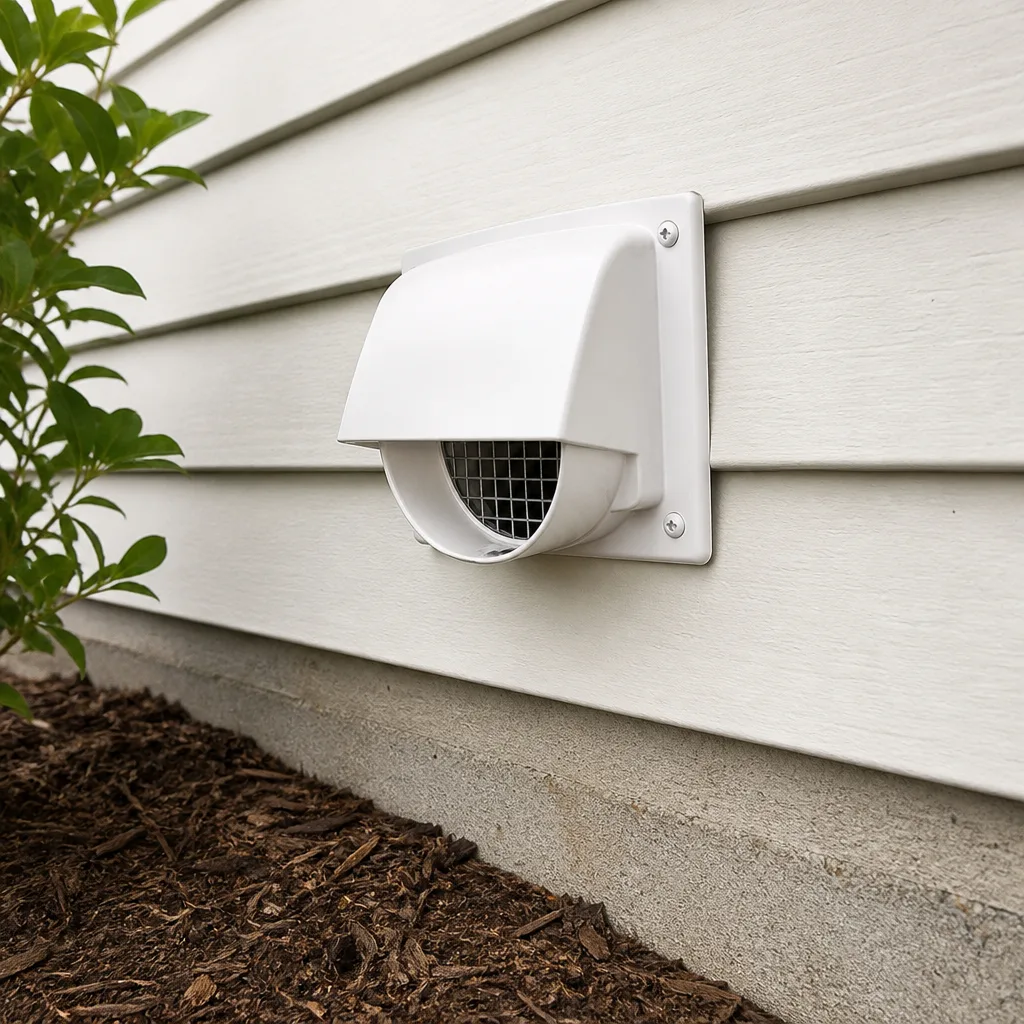
 Dryer vent cleaning
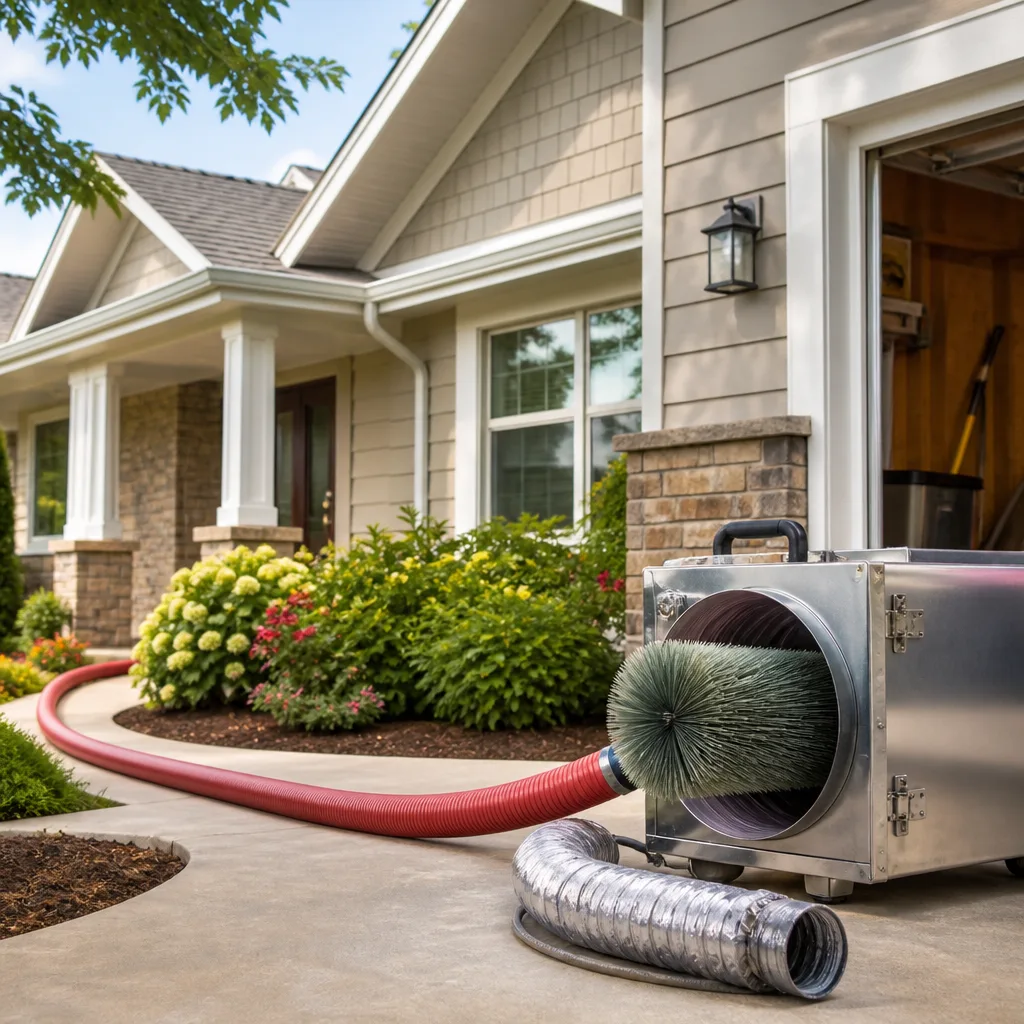 Whole-home duct cleaning
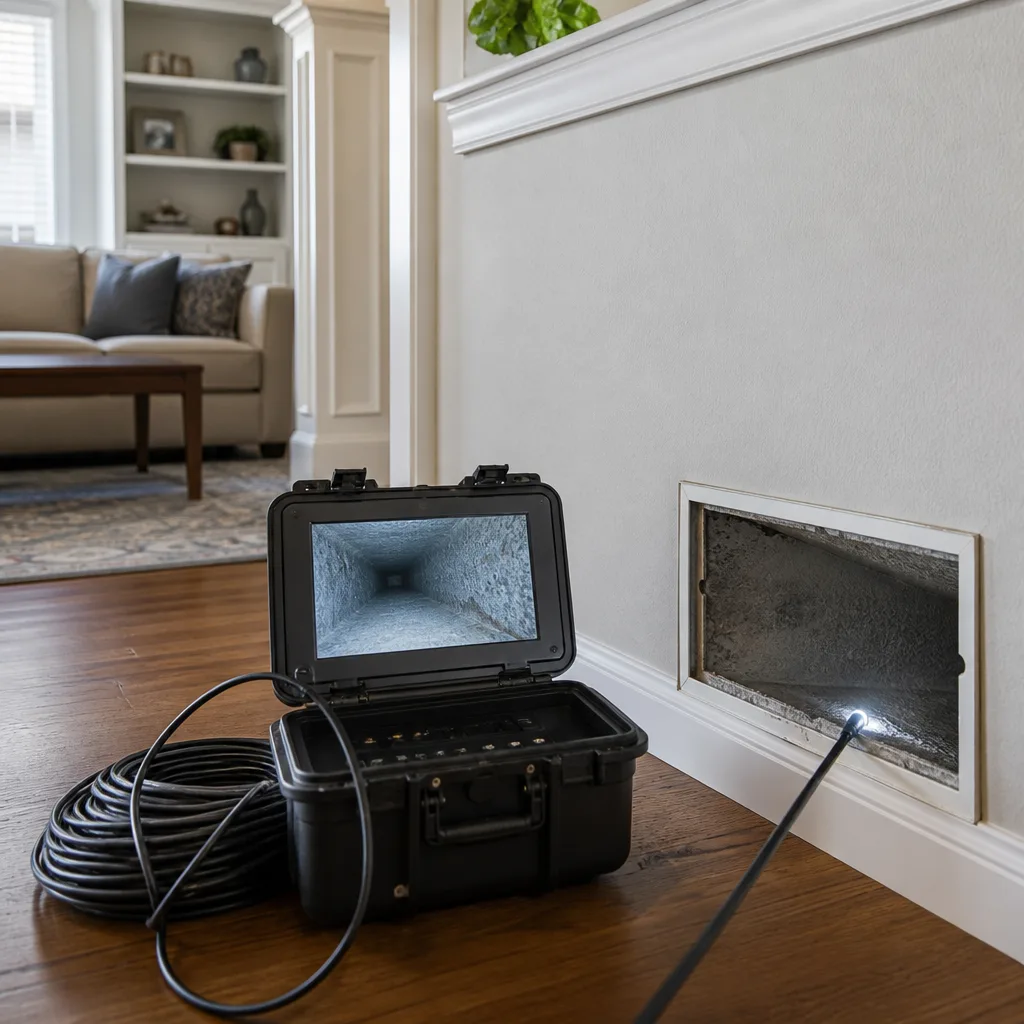 Camera inspection
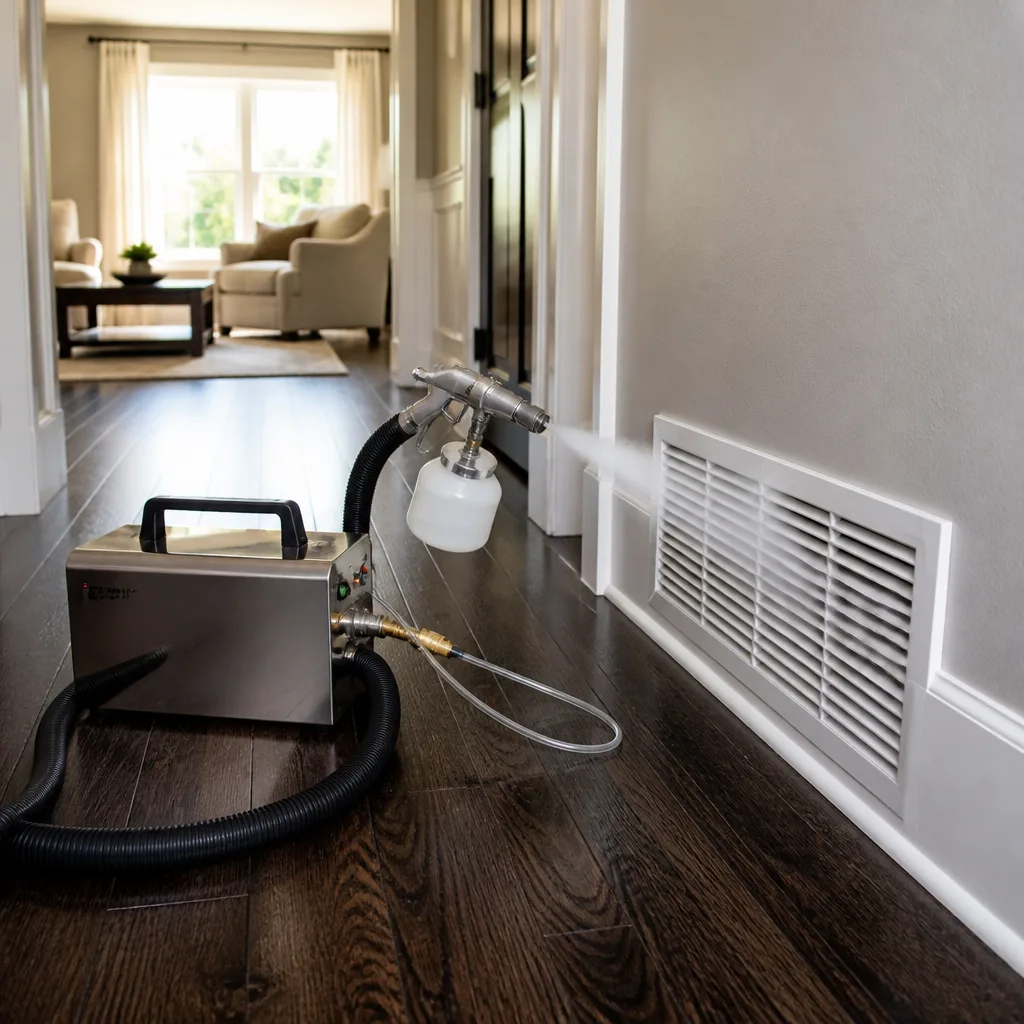 Sanitizing & deodorizing
Whole-system duct and dryer vent check with before-and-after photos - you see exactly what came out of your vents
That "$99 whole-house special" is a bait ad - the real number appears once they are in your hallway, or the "clean" is a shop-vac at the register. We photograph the inside of your ducts before and after instead.
Rotobrush Dryer Vent Cleaning in San Francisco: What to Know First
We clean and service Rotobrush dryer vent systems throughout San Francisco, and most jobs are completed in a single visit, usually within two to three hours. The honest price posture is simple: a written price before any work starts, covering the full vent system from dryer connection to exterior cap. If you own a Rotobrush system and your dryer has started taking longer to finish a load, call us at (951) 527-6259 for a free estimate.
This page is written for homeowners in San Francisco who own Rotobrush dryer vent equipment and want straight answers about failure points, costs, and warranty-safe service. We are an independent Rotobrush service provider, which means we can use the parts and methods that actually serve your system best without being tied to a manufacturer playbook.
Key Takeaways:
- Rotobrush systems fail in predictable, brand-specific ways: we look for those first.
- Most cleaning jobs run $180 to $340 for a full vent system in San Francisco.
- Every job gets a written price before work begins, and a written guarantee on any repair.
- The technician’s name and photo are sent to you before the visit. A photo ID badge is shown at the door. Every time.
How Rotobrush Products Fail – and How We Fix Them
Rotobrush makes solid equipment, but like every brand, its dryer vent components have predictable weak points. Here is what we actually see in San Francisco homes, series by series.
- AirRam and AirRam 2 systems: lint accumulation behind the brush head. The rotating brush on these systems is aggressive, which is great for dislodging buildup, but in damp coastal air like San Francisco’s Richmond and Sunset districts, lint re-compacts quickly behind the brush head. We remove the brush assembly entirely and do a negative-pressure extraction pass to pull what the brush loosened but did not carry out. Most Rotobrush owners have never had this second extraction done, and it is the step that actually clears the vent.
- RDV and RotoVac flex shafts: kinked or worn shaft liners. The flex shaft on Rotobrush RDV models is designed to bend through tight vent runs, but older shafts develop liner wear that leaves hairline plastic shavings inside the vent. These shavings catch lint and turn a minor clog into a full blockage within a season or two. We inspect the shaft liner on every Rotobrush service call and replace it with an OEM-matching liner if there is visible scoring.
- Standard and Pro Series vent caps: corroded dampers that jam shut. Rotobrush caps are powder-coated, but the damper pivot pin is not stainless on every production run. In San Francisco’s salt-heavy fog, that pin rusts, and the damper either jams shut or sticks open. A stuck-open damper lets ocean air backflow into the vent and accelerates lint caking. We replace the pin with a marine-grade equivalent and verify the damper opens and closes without friction before we leave.
- RotoDolly and portable unit connections: loose cam-lock fittings. The cam-lock connections on portable Rotobrush units can loosen after repeated assembly and disassembly. When they do, the vacuum seal weakens and the unit cannot hold negative pressure. The symptom sounds like the machine is running fine, but the extraction is weak. We torque and, if needed, replace the cam-lock gaskets, then confirm a proper seal with a smoke pencil test.
- BrushGroom and maintenance accessories: aftermarket brush heads with aggressive bristles. Some owners buy generic replacement brush heads that fit the shaft but have stiffer bristles than Rotobrush OEM brushes. These scrub too hard on flexible aluminum vent wall and can tear it. We stock Rotobrush OEM brush heads and, where an aftermarket part is genuinely better, we only use a quality equivalent that matches the original bristle density and stiffness. If your vent has been torn by an aggressive brush, we will show you the damage and quote a repair before doing anything else.
Styles & brands we work with
Our Rotobrush Dryer Vent Cleaning Process
- 1
You call, a live person answers. We take the details of your Rotobrush system, the vent run length, and any symptoms you have noticed. You get a scheduled window that fits your day.
- 2
Before the tech arrives, you get a name and a photo. The technician’s identity is verified under the Threshold Standard. When they knock, they show a photo ID badge. No surprises.
- 3
On-site inspection of the full vent run. We look at the dryer connection, every accessible section of vent, and the exterior cap. We check for Rotobrush-specific issues: flex shaft liner wear, cam-lock seal integrity, damper function, and existing lint compaction.
- 4
Written price before any work begins. You see the number on paper before a tool comes out. The scope covers the entire vent system, not a teaser price that grows after the tech is in your laundry room.
- 5
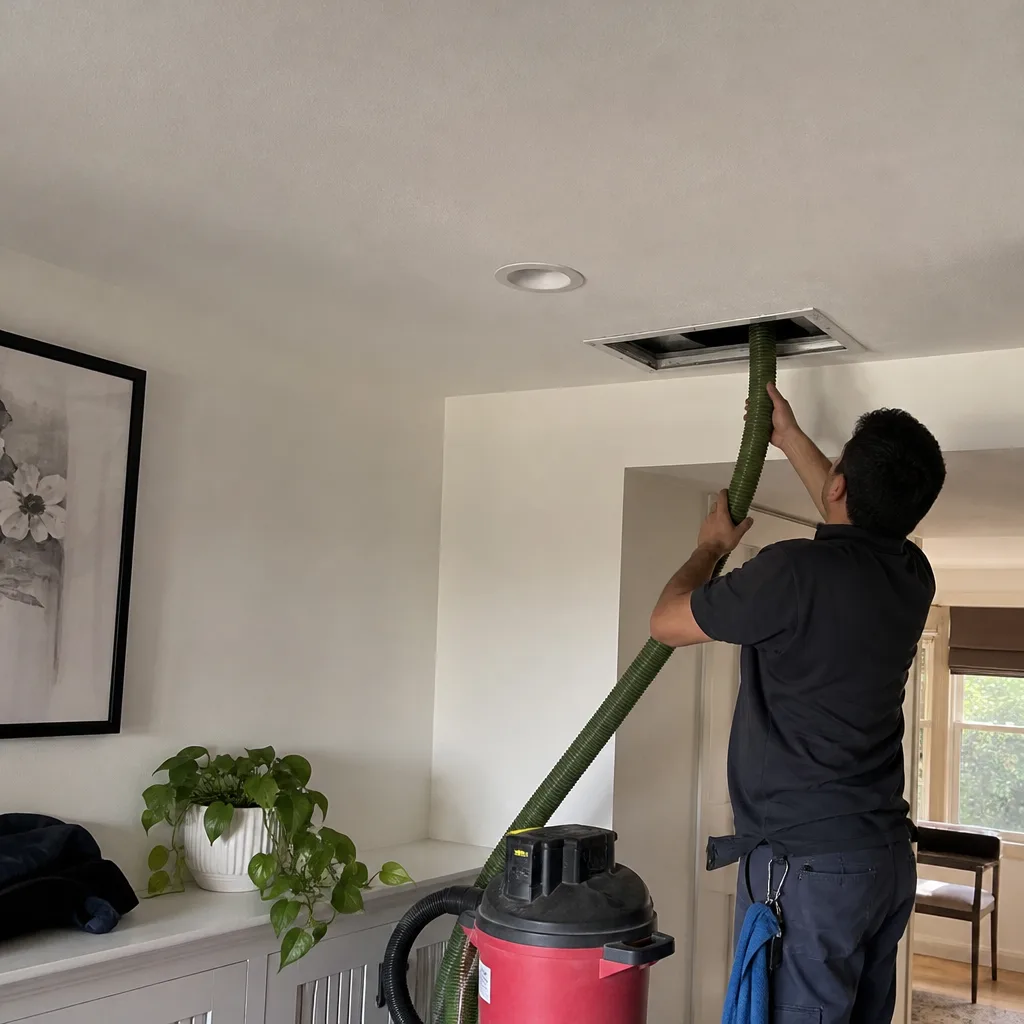
Rotobrush brush-and-extraction cleaning, done properly. We use a Rotobrush or Nikro negative-pressure extraction unit, not a shop vac with a long hose. The brush dislodges, the vacuum pulls, and we always do a second extraction pass to clear what the first pass loosened.
- 6
Final test and written guarantee. We verify airflow at the exterior cap, check the damper operation, clean up, and hand you a written guarantee on the work. If anything is not right within 365 days, we come back and make it right.
See the difference
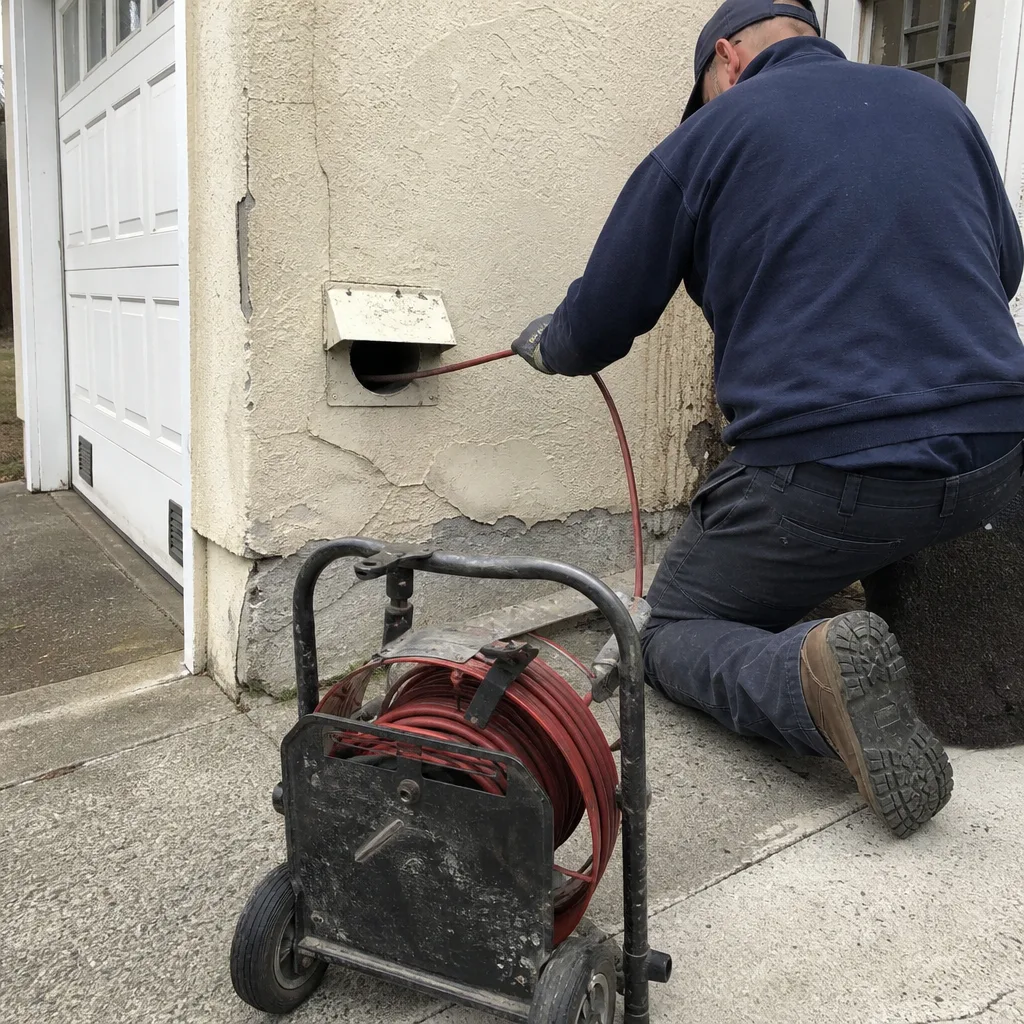 Before
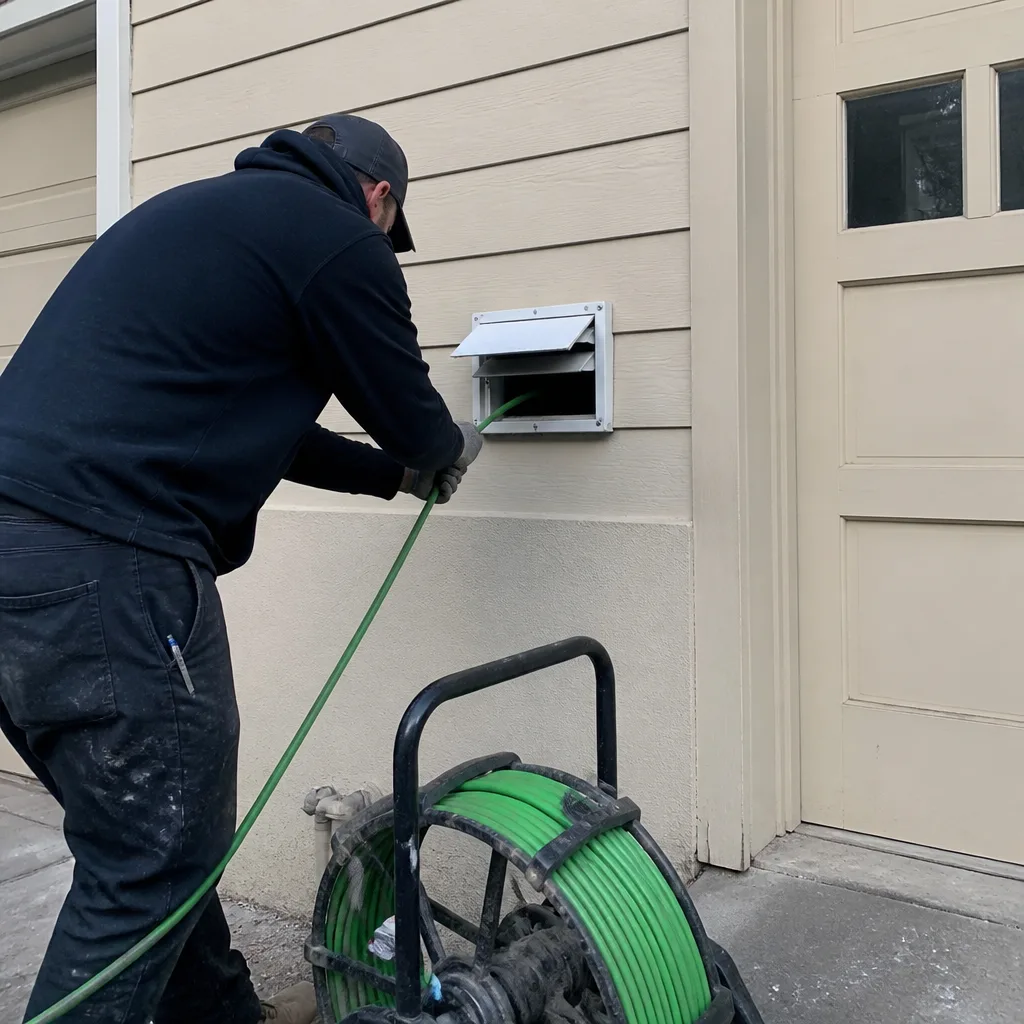 After
After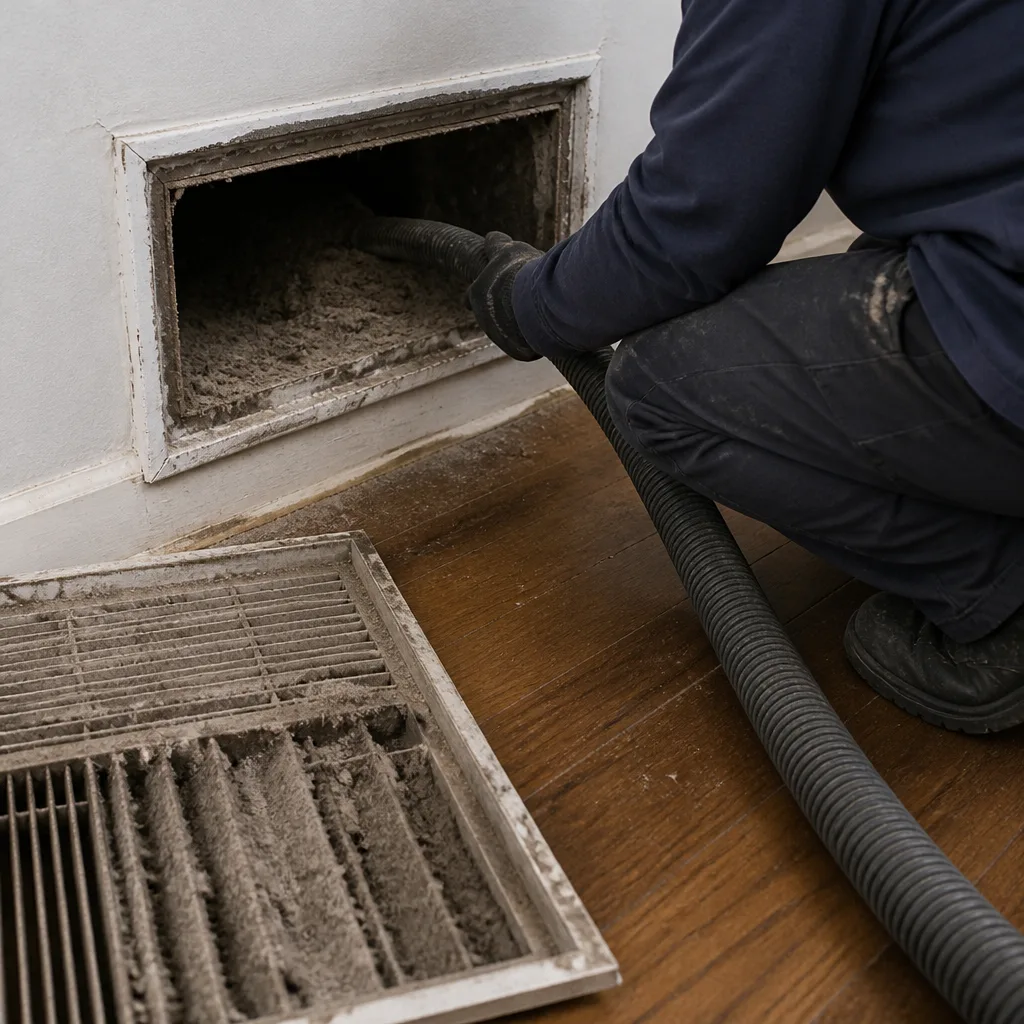 Before
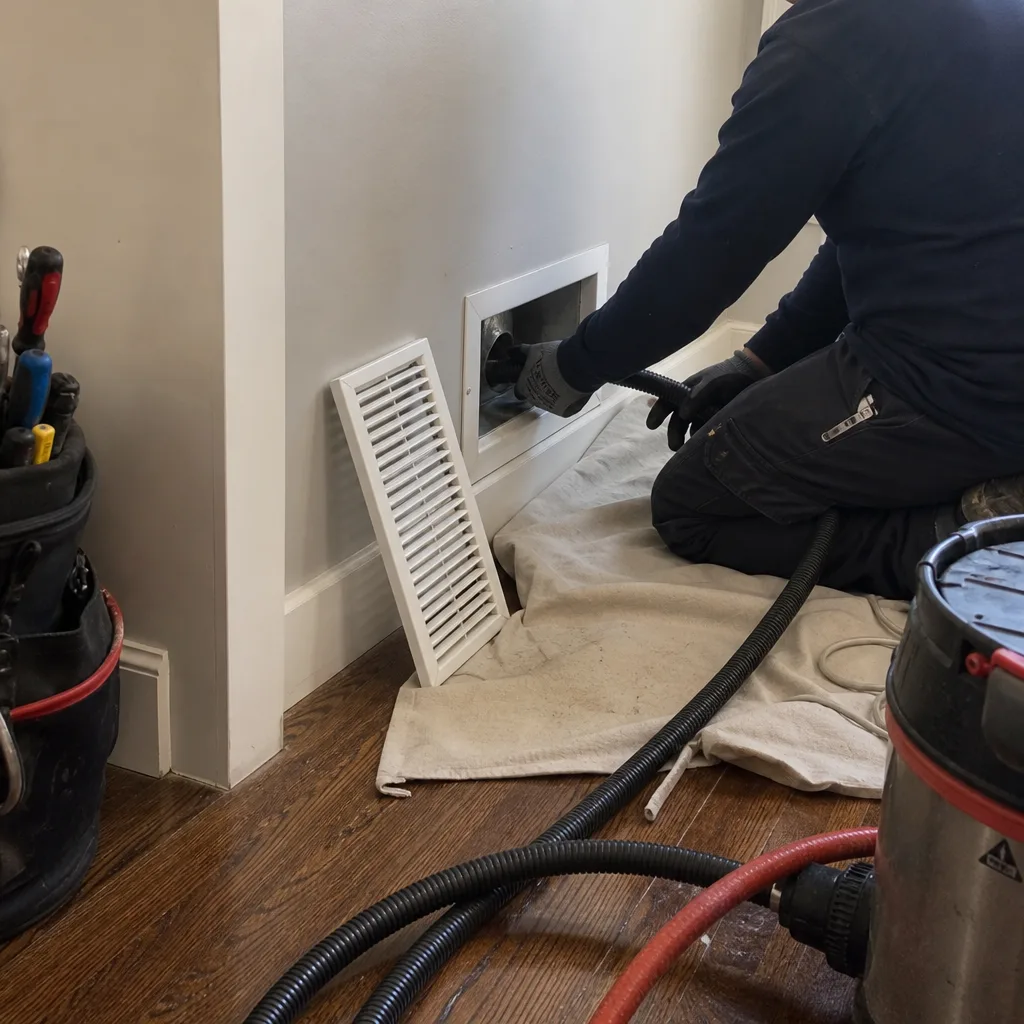 After
After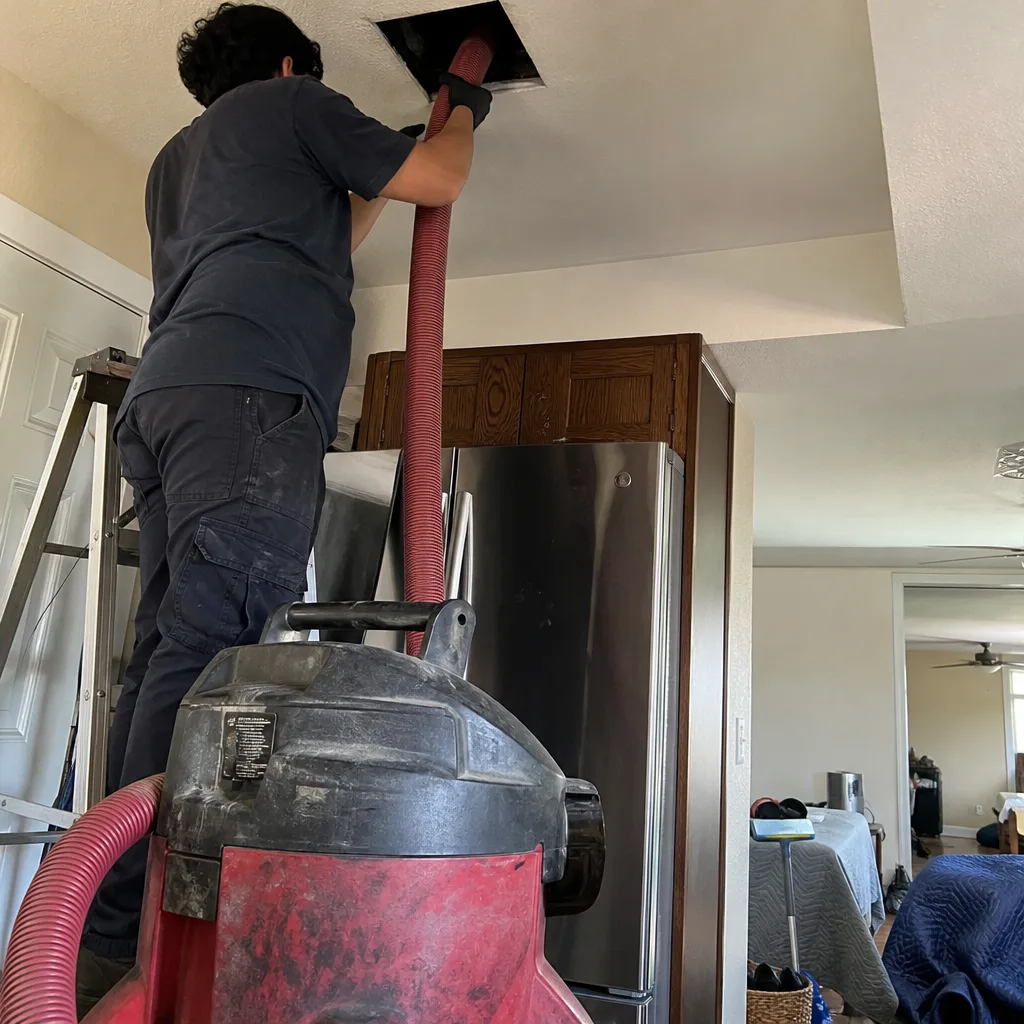 Before
 After
AfterWhat Rotobrush Dryer Vent Cleaning Costs in San Francisco
For a full dryer vent cleaning on a Rotobrush system in San Francisco, expect these ranges:
- Standard single-family home, vent run under 15 feet: $180 to $240
- Longer vent runs (15 to 30 feet) or multiple bends: $240 to $340
- Heavy lint compaction requiring extra extraction passes: $280 to $340
- Vent cap replacement with marine-grade damper pin: $60 to $90, added to the cleaning price
- Flex shaft liner replacement (Rotobrush RDV and RotoVac): $50 to $85, depending on shaft length
What moves the price is vent length, bend count, and how heavily compacted the lint is. What does not move the price is a technician deciding mid-job that you need extras you did not approve. You get a written price before work begins, and it does not change unless you approve a change in writing. Call (951) 527-6259 for a free estimate on your specific system.
Why San Francisco Homeowners Call Linden Air Duct San Francisco for Rotobrush Work
We have been serving San Francisco since 2004 as part of the Threshold Group family, which means we have worked on Rotobrush systems in older Edwardian flats in the Richmond District, postwar bungalows in the Sunset, and newer townhomes near the ballpark. The coastal air here is hard on dryer vents, and Rotobrush equipment has its own quirks that a generic duct cleaner will not catch. Marcus Veale built this company on a simple rule: “If I wouldn’t put it in writing before the job starts, it shouldn’t come out of my mouth either.” Every Rotobrush job gets a written price, a written guarantee on repairs, and a technician whose name, photo, and background check you can see before they cross your threshold. We also service dryer vents connected to Lennox, Trane, and Carrier laundry systems, so you are covered across equipment brands. If a covered repair fails, we come back at no charge.
FAQs
No. Cleaning your dryer vent is a maintenance task, not a modification, and it will not void any Rotobrush product warranty. We use OEM brush heads and OEM-matching parts wherever the original equipment is still serviceable, and we never alter the Rotobrush unit itself without your written approval.
We show you before-and-after photos of your own vent interior taken at the same points along the run. You also get a written report of airflow readings at the exterior cap before and after the cleaning. If you want to watch the process, you are welcome to stand at a safe distance while we work. Give us a call at (951) 527-6259 and we will walk you through it.
Lower quotes usually come from companies doing a single brush pass with a shop vac, skipping the negative-pressure extraction pass, or not inspecting the flex shaft liner and cam-lock fittings on Rotobrush units. The low price is real, but so is the work that gets skipped. That is the bait-and-switch reputation this industry earned, and it is exactly why we put our price in writing before any work starts, as one flat price per system.
In most San Francisco homes, yes. We stock standard Rotobrush vent caps and marine-grade damper pins on the truck. If your cap is an uncommon size or finish, we can order it and schedule the replacement at your convenience. A written price for the cap replacement is provided before we do the work.
Every 12 to 18 months for most San Francisco households. The fog-heavy air in the Richmond and Sunset means lint cures into a harder, stickier layer than it does inland, so waiting two years or more invites a clog. If you dry more than five loads a week, lean closer to 12 months. Call (951) 527-6259 for an honest recommendation based on your specific vent run and usage.
Written by Marcus Veale, Owner, Linden Air Duct San Francisco at Linden Air Duct San Francisco, serving San Francisco and nearby areas.