
Last updated October 15, 2026
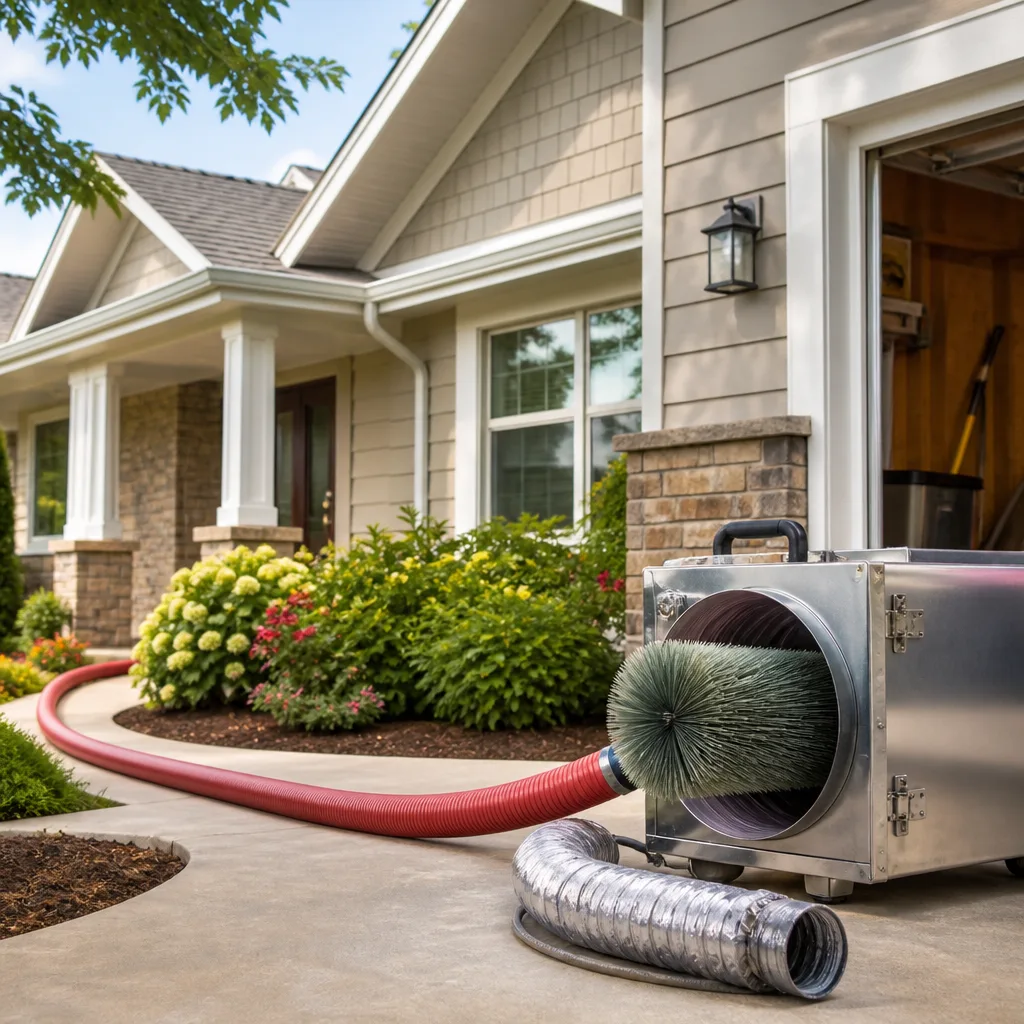 Whole-home duct cleaning
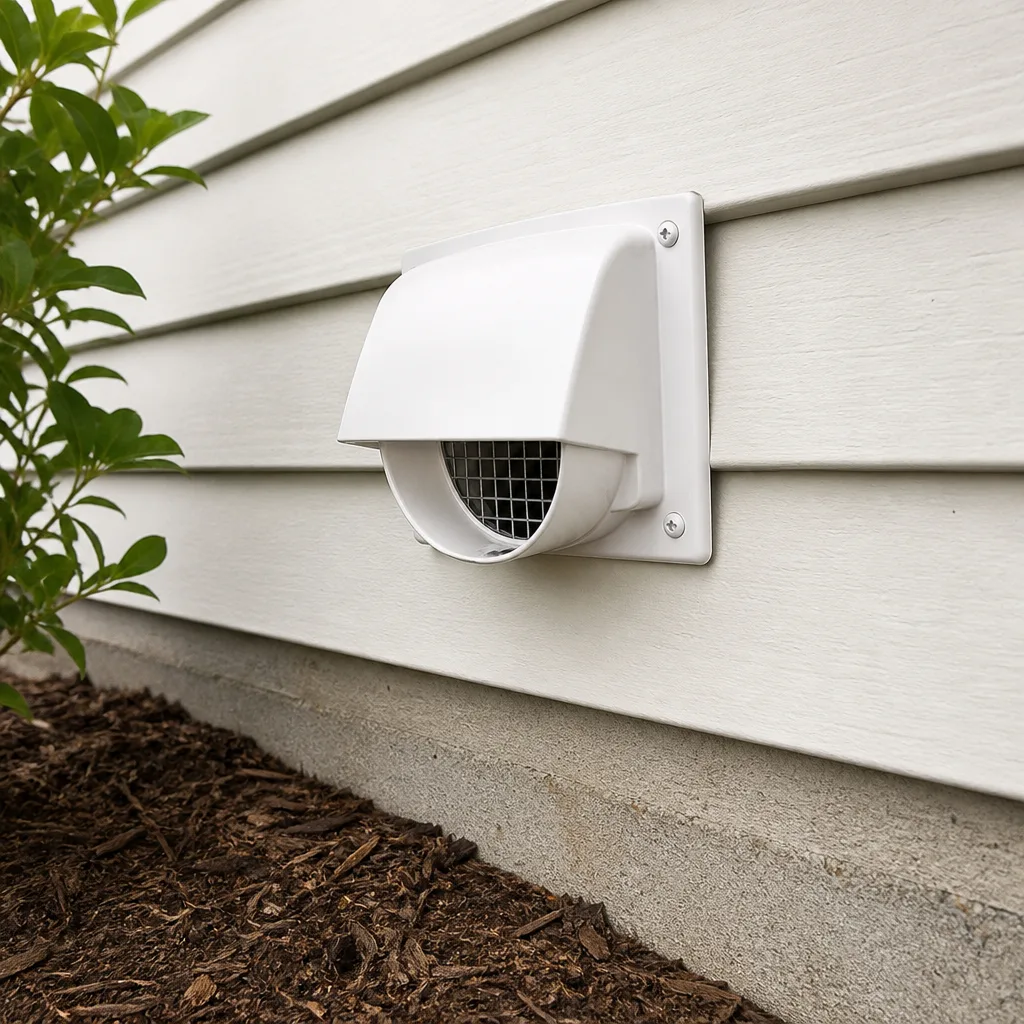 Dryer vent cleaning
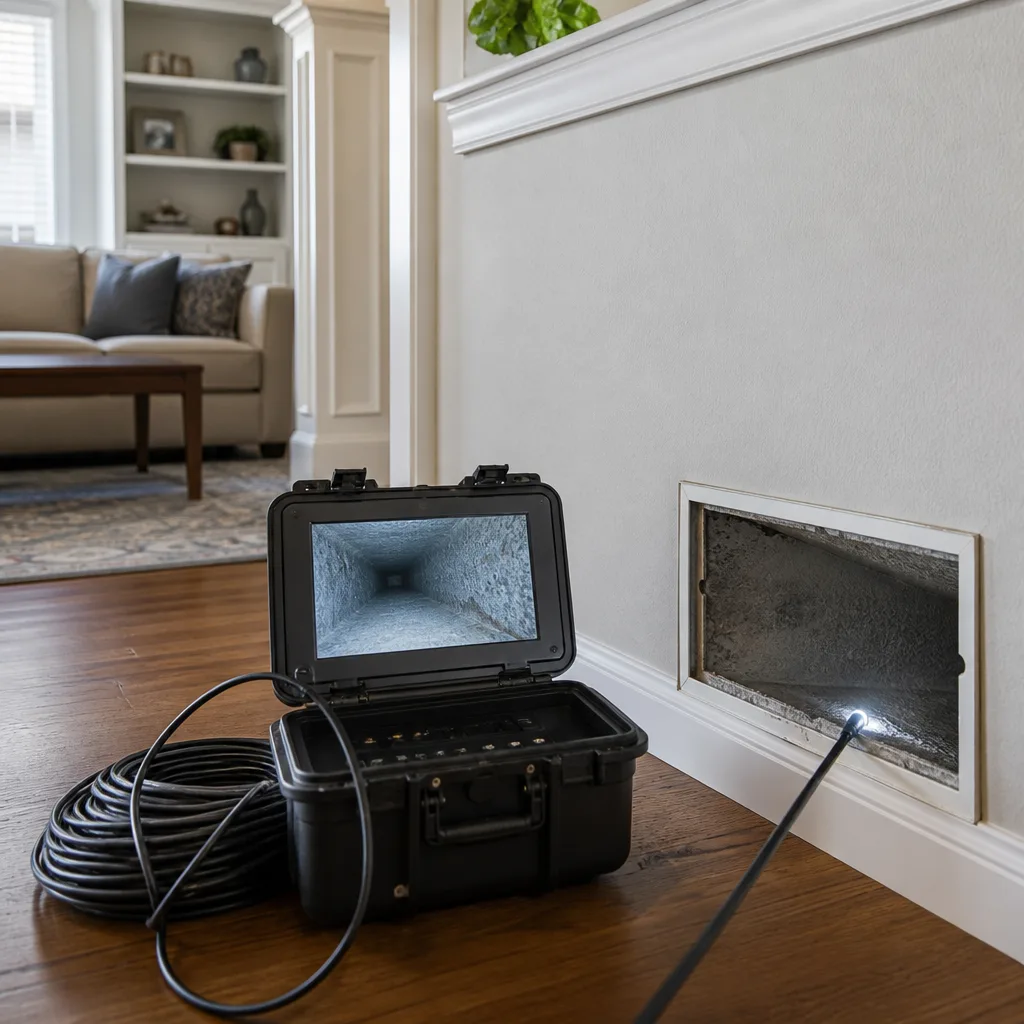 Camera inspection
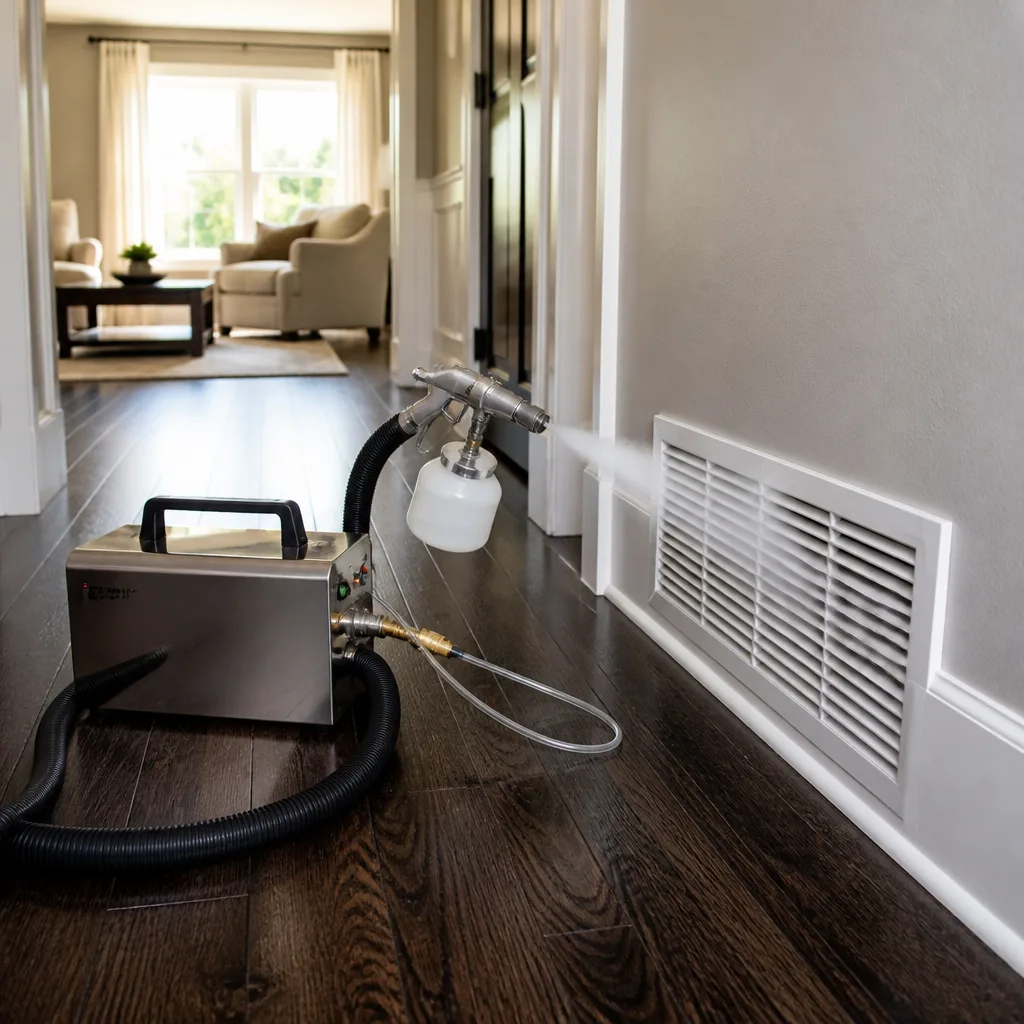 Sanitizing & deodorizing
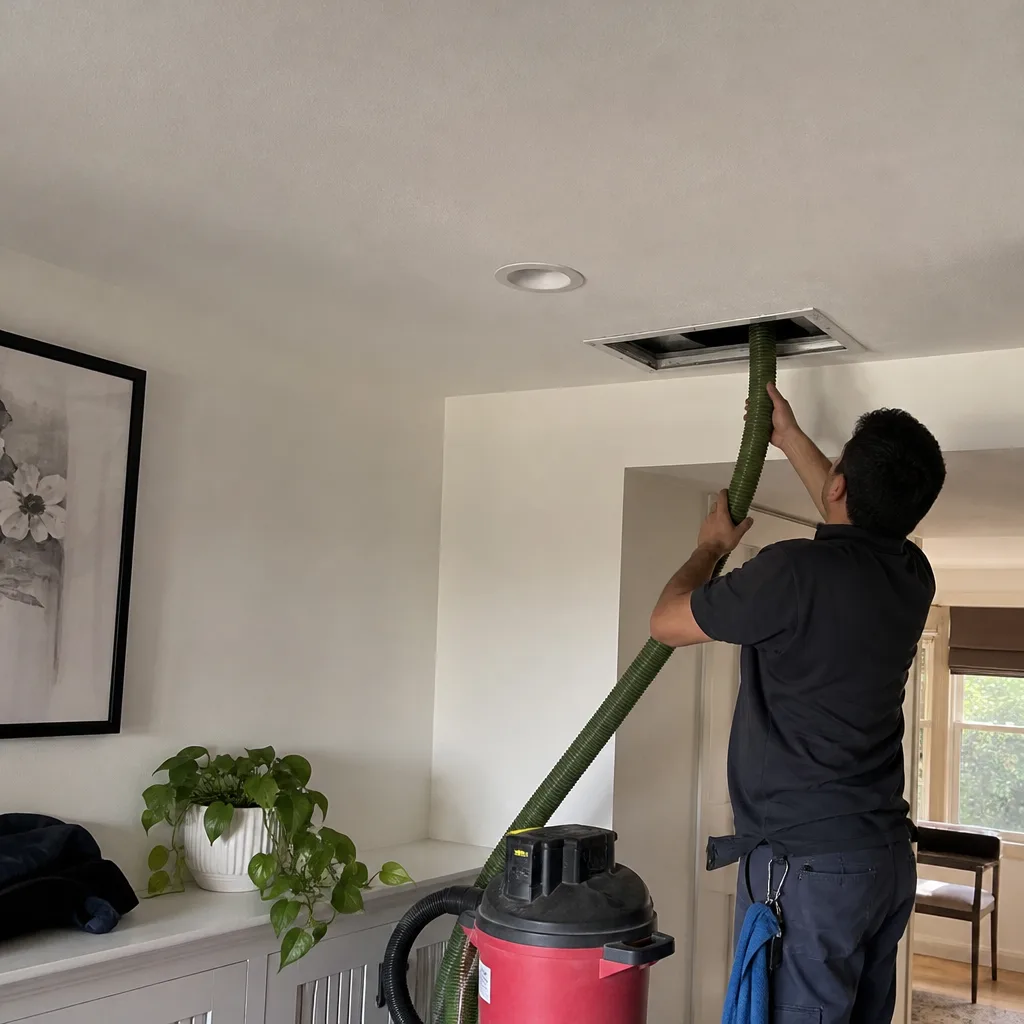
Whole-system duct and dryer vent check with before-and-after photos - you see exactly what came out of your vents
That "$99 whole-house special" is a bait ad - the real number appears once they are in your hallway, or the "clean" is a shop-vac at the register. We photograph the inside of your ducts before and after instead.
Air Duct Cleaning Maintenance Checklist for San Francisco Homeowners
The filter you change every three months is doing almost no work if the return-air grille behind it is coated in a quarter-inch of compacted dust. We find that in roughly 7 out of 10 San Francisco homes on a first visit, and it’s the single biggest reason a duct system that should last 20-plus years starts failing at year 12. This guide gives you the between-service checklist that actually matters here: what to inspect monthly, what to do twice a year, and what to document so the next contractor, or a home inspector at resale, sees a system with a paper trail. No filler from an HVAC manufacturer’s PDF, and no tasks that require opening walls or touching anything dangerous.
Quick Answer
An Air Duct Cleaning maintenance checklist for San Francisco homeowners comes down to five things: replace the filter every 60 to 90 days (more often during fire season), inspect return-air grilles monthly for dust caking, run a bathroom exhaust fan test twice a year, check exterior duct runs in fog-belt neighborhoods for moisture staining each fall, and keep a dated one-page service log. Schedule a professional cleaning every 3 to 5 years, or sooner if you see dust puffing from supply registers when the system kicks on.
Styles & brands we work with
Table of Contents
- The 20-Minute Monthly Checklist
- Bi-Annual Tasks That Actually Matter in San Francisco
- Pre-Cleaning Prep Before a Professional Visit
- How to Spot Early Flex Duct Deterioration Without Opening Walls
- San Francisco Fog-Belt Specifics: Moisture and Exterior Duct Runs
- What to Record and Keep on File
- Common Mistakes to Avoid
- When to Call a Professional
The 20-Minute Monthly Checklist
Most homeowners in San Francisco never look at their duct system between professional cleanings, which is like never looking under the hood of a car until it stalls on 19th Avenue. The monthly walk-through below takes under half an hour, requires no tools, and catches the majority of problems we eventually find on service calls. Do this on the first Saturday of each month and it becomes routine.
- Check the return-air grille first. This is the grille where air gets pulled back into the system, usually in a hallway ceiling or near the thermostat. Run a finger across it. If it comes away with visible dust, the grille is already restricting airflow. Vacuum it with a brush attachment. If you can see dust caked between the slats, note the date. That is your signal to move up a professional cleaning.
- Hold a tissue near each supply register. With the system fan running, hold a single-ply tissue six inches from each supply register. It should flutter, not fold over. A weak flutter from one register but strong airflow from others means a blockage or a disconnected branch in that run. Mark the register with blue painter’s tape and keep an eye on it for a month before calling someone.
- Listen for whistling at the grille. A clean filter and a properly sized return-air grille should produce a low, even sound. A whistle means the grille is undersized for the air volume, the filter is clogged, or the grille face is partially blocked. If replacing the filter does not change the whistle, the grille itself needs attention.
- Check for new dust settling on flat surfaces. Dust returns to a home from three sources: open windows, skin cells and clothing fiber from occupants, and the duct system. If you dust a bookshelf on Sunday and it has a visible film by Wednesday with windows closed, the ducts are likely pushing particulates into the living space. That is the clearest early signal that a cleaning is overdue.
- Sniff the air coming from a supply register. Run the fan for five minutes, then put your nose directly at a supply register. It should smell neutral. A musty or sour note indicates moisture inside the ductwork, which in San Francisco almost always traces back to a fog-belt condensation issue or a bath fan venting into the system instead of outdoors.
None of these steps requires moving furniture or climbing anything. We built this around what actually happens in San Francisco homes, where return-air grilles in older Victorians and Edwardians are often undersized for modern forced-air systems, and where dense fog can push moisture into duct runs a homeowner never sees.
Bi-Annual Tasks That Actually Matter in San Francisco
Twice a year, in October before the rainy season and again in April after it ends, do a deeper pass. These tasks take about an hour total and are the difference between a duct system that lasts two decades and one that needs replacement at year fifteen. San Francisco’s climate drives both of these tasks: the fog belt keeps exterior surfaces damp for months, and the city’s older housing stock has more unsealed duct runs per square foot than almost any other major metro area.
- Replace the filter, or inspect it with honest eyes. A 1-inch fiberglass filter is a 30-day product in San Francisco, not a 90-day product. Pleated filters rated MERV 8 to MERV 11 can go 60 to 90 days depending on whether you have pets, live near a busy corridor, or dealt with wildfire smoke recently. Write the install date on the filter frame with a Sharpie. If you can no longer see light through it when held up to a lamp, it was overdue.
- Test every exhaust fan in the house. Bathroom exhaust fans and the range hood are the pressure-relief valves for your duct system. Hold a tissue against the running fan grille. It should stick firmly. If it hangs limp, the fan is not moving air, which means moisture from showers is staying inside your home, and in many San Francisco homes, migrating into the ductwork. Clean the fan grille with warm water and dish soap, and make sure the exterior vent flap opens freely.
- Inspect the supply registers in rooms you rarely use. Guest bedrooms, formal dining rooms, and storage rooms tend to get closed off in San Francisco homes where space is tight. A closed register in an unused room does not save energy, it just increases static pressure elsewhere in the system. Open every register halfway, and while you are there, remove each one and look for dust buildup on the register boot, the metal collar that connects the register to the duct run.
- Check for condensation on visible ductwork. If you have exposed ductwork in a basement, garage, or crawl space, run your hand along it on a foggy morning. It should feel dry. Any condensation means warm air is meeting a cold surface, which grows mold in the duct lining and shortens the life of the insulation. In Richmond and Sunset district homes especially, this is the most common early sign of a moisture problem we see.
- Review your service log. Pull out the one-page log described later in this guide. If it has been more than three years since a professional cleaning, or more than one year since a dryer vent cleaning, schedule both. The cost of a cleaning is a fraction of the cost of a blower motor replacement, which is where neglected systems in this city ultimately land.
Pre-Cleaning Prep Before a Professional Visit
If you have a professional air duct cleaning scheduled, the four steps below ensure the cleaning actually reaches the entire system instead of just the first few feet of trunk line. A technician who spends half the appointment moving your belongings is not spending that time on your ducts.
- Clear a two-foot zone around every register and return-air grille. Move furniture, rugs, toys, and anything fragile at least two feet back from every wall and floor register. The technician needs room to remove each register face, connect the extraction hose when needed, and work without knocking over a floor lamp. This is the single biggest time-saver on the job.
- Identify the furnace or air handler location and clear that too. The main unit is typically in a basement, garage, hall closet, or attic in San Francisco. Clear a three-foot working zone around it. The technician will need to access the blower compartment and may set up the negative-pressure extraction unit nearby. If the unit is in a finished space, put down a drop cloth.
- Close all windows and exterior doors thirty minutes before arrival. Professional extraction works best when the home is not pulling in outside air. A closed envelope lets the negative-pressure system pull air through the duct runs instead of drawing from open windows. This is also the right time to note any rooms that have been unusually dusty so you can mention them to the technician.
- Write down the date of your last filter change and any odd smells or sounds. Do not rely on memory. A piece of paper with “filter changed 9/12, whistling at hallway return since 10/3” is far more useful to the technician than a vague “it’s been making a noise lately.” Before-and-after photos of your own registers are part of what you should expect from a company like Air Duct Cleaning in San Francisco that puts everything in writing.
One practical note on preparation: if you are booking a company that sends the technician’s name and photo before the visit, as the Threshold Standard requires, you will know who is coming. That matters more than any amount of furniture moving. You should never open the door to a stranger in a San Francisco home without having verified who that stranger is in advance.
How to Spot Early Flex Duct Deterioration Without Opening Walls
Flexible duct, the insulated foil-and-wire tubing used in most San Francisco homes for branch runs, degrades over time. The inner liner tears, the insulation separates, and the outer vapor barrier cracks. This happens faster in homes with high attic temperatures, which is most of them here. You cannot inspect every foot of flex duct without opening walls or crawling an attic, but you can spot early failure from three access points.
First, shine a flashlight into any accessible section of flex duct, typically in the attic, crawl space, or at the trunk line connection. Look at the outer jacket, the silver or gray outer layer. It should be smooth and taut. If you see sagging, tears, or sections where the spiral wire frame is visible through the jacket, that run is degrading. Second, look for crushed sections. Flex duct should not bend at an angle sharper than 90 degrees, and it should never be cinched with zip ties tight enough to deform the frame. In San Francisco homes, the most common cause of crushed flex is a previous contractor or homeowner storing boxes or suitcases on top of attic duct runs. Third, check the connection collars where flex duct meets the metal trunk line. If you see gray duct tape, which the trade calls “duck tape” for a reason, it has failed or is about to. Proper connections use mastic sealant or foil-backed tape, never cloth-backed gray tape.
If any of these three checks turns up an issue, do not attempt to repair it yourself. Flex duct under tension can spring back with enough force to cause a serious cut, and improper repair just moves the leak somewhere else. Note the location and call for Air Duct Repair in San Francisco. A written inspection note with a specific location saves the technician a half-hour of hunting.
San Francisco Fog-Belt Specifics: Moisture and Exterior Duct Runs
San Francisco is a tale of two microclimates, and your duct maintenance routine depends on which one you live in. The fog belt, which runs through the Sunset, Richmond, Parkside, and Lake Merced neighborhoods, sees marine layer moisture on 200-plus days a year. Exterior surfaces in these neighborhoods can stay damp for weeks at a time. Homes in the Mission, Noe Valley, and Potrero Hill get more sun and drier air, which means less moisture risk but more particulate from wind and busy streets.
For fog-belt homeowners, add one task to the bi-annual checklist: inspect any exterior duct runs or wall penetrations for moisture staining. Look for dark streaks on stucco below a vent cap, rust on metal duct components visible from the outside, or peeling paint around a wall cap where the dryer vent or bath fan exhausts. These are signs that moist air is condensing inside the duct run or that rain is being pulled into the vent opening. In the Sunset and Richmond specifically, we regularly see bath fan duct runs that were installed in the 1980s and 1990s with no insulation at all, which means a foggy night turns the inside of the duct into a condensation chamber. That water sits in the duct, grows mold, and eventually drips back through the fan grille.
The fix for these issues is rarely complicated, but it requires opening the wall or crawl space, which is not a homeowner task. What you can do is document what you see on the exterior, take a photo with a date stamp, and include it in your service log. When you call for an estimate, you’ll be able to describe the exact issue instead of saying “there’s some water somewhere.” For dryer vents specifically, a Dryer Vent Cleaning in San Francisco visit will often uncover moisture damage before it reaches the wall cavity.
What to Record and Keep on File
A documented service history is the cheapest home improvement you will ever make. It takes five minutes to maintain, costs nothing, and transforms how future contractors, home inspectors, and even your insurance company treat your property. The state of your duct system is not visible to a buyer standing in the living room, which means the only proof of maintenance is the paper trail you keep.
Keep a single-page document, physical or digital, with these six fields. At minimum, record: the date of every filter change; the date, service type, and company name for every professional cleaning or repair; a one-line note on any odd smell, sound, or airflow issue you noticed and when it started; the date you inspected the return-air grille and what you found; the date and location of any moisture spotting you saw on exterior duct runs; and the date and reading of any indoor air quality monitor you run. A home inspector at resale will look at this log and know within 30 seconds that the house was maintained. A future contractor will know where to start looking. If you ever file an insurance claim for water damage or mold, this log is your evidence that the problem was not long-standing neglect.
In our experience at Linden Air Duct San Francisco home, the difference between a well-maintained duct system and a failing one is rarely luck. It is a homeowner who wrote down the date of the last filter change.
Common Mistakes to Avoid
- Replacing the filter but never cleaning the return-air grille. A clean filter behind a caked grille is like a clean air filter on a car with a blocked intake. Vacuum the grille face every time you change the filter.
- Closing registers in unused rooms. San Francisco homes run small, and closed registers raise static pressure throughout the system, which shortens blower motor life. Open every register at least halfway, even in rooms you never use.
- Using expensive filters and thinking that replaces cleaning. A MERV 13 filter catches more particles but loads up faster and restricts airflow sooner. If you run a high-efficiency filter, check it monthly regardless of the manufacturer’s 90-day claim, and know that no filter cleans the ducts themselves.
- Ignoring the bathroom fan. In fog-belt neighborhoods like the Sunset, a failing bath fan is the leading cause of moisture inside duct runs. Test it twice a year, and replace it if it cannot hold a tissue against the grille.
- Skipping the dryer vent because “it still dries clothes.” A dryer vent packed with lint will dry clothes, but it is also running hotter and longer, which is a fire risk and a silent energy drain. In San Francisco’s older housing stock, dryer vents are frequently undersized and run longer distances than modern code allows, which means they clog faster.
- Hiring a cleaning company without a written price first. The duct cleaning industry has a reputation problem in this city, and it exists for a reason. Any company that cannot put a price in writing before the work begins is not a company you want in your home. The price should be a total for the system, not a per-vent figure that can balloon once the technician arrives.
- Recording nothing. If you do not write it down, it did not happen. A one-page service log maintained over five years is worth real money at resale and real credibility with any future contractor.
When to Call a Professional
Some tasks on a maintenance checklist are yours; some are not. Call a professional when you see dust puffing from supply registers at startup, when you smell a persistent musty odor from the vents, when you find moisture staining on exterior duct runs in fog-belt neighborhoods, when the system whistles constantly even with a fresh filter, or when your service log shows it has been more than three years since a cleaning. If a register produces no airflow at all while others blow strong, you likely have a disconnected branch, which is a repair, not a cleaning. Linden Air Duct San Francisco offers free estimates in San Francisco, with a written price before any work begins. Call (951) 527-6259 to schedule one.
See the difference
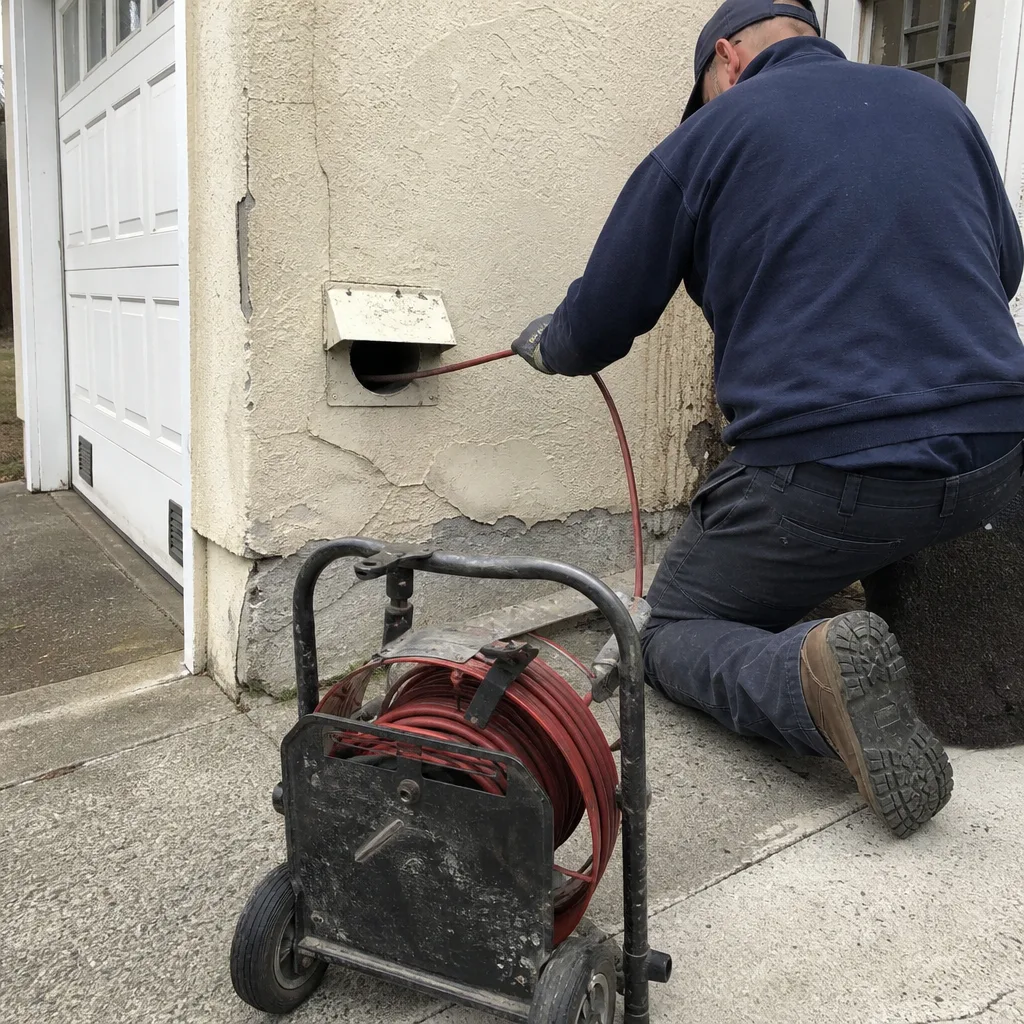 Before
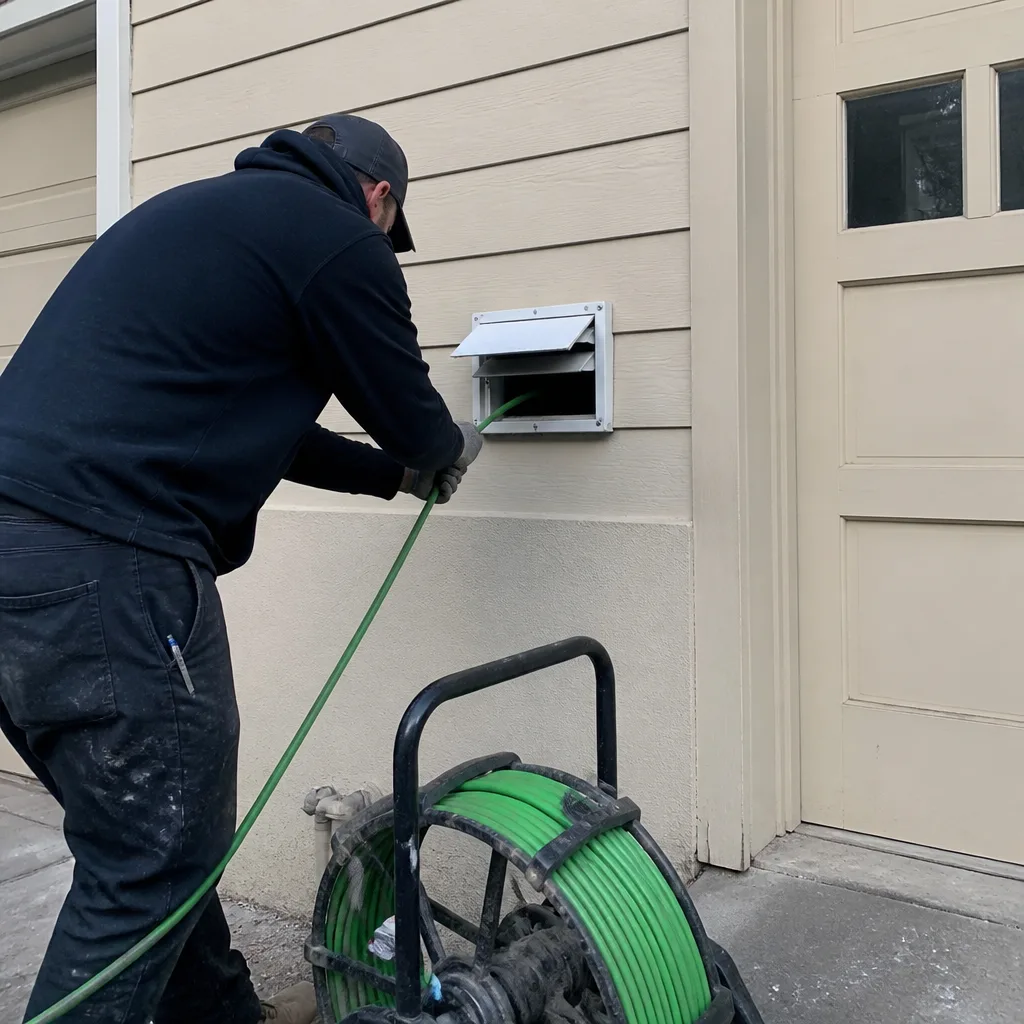 After
After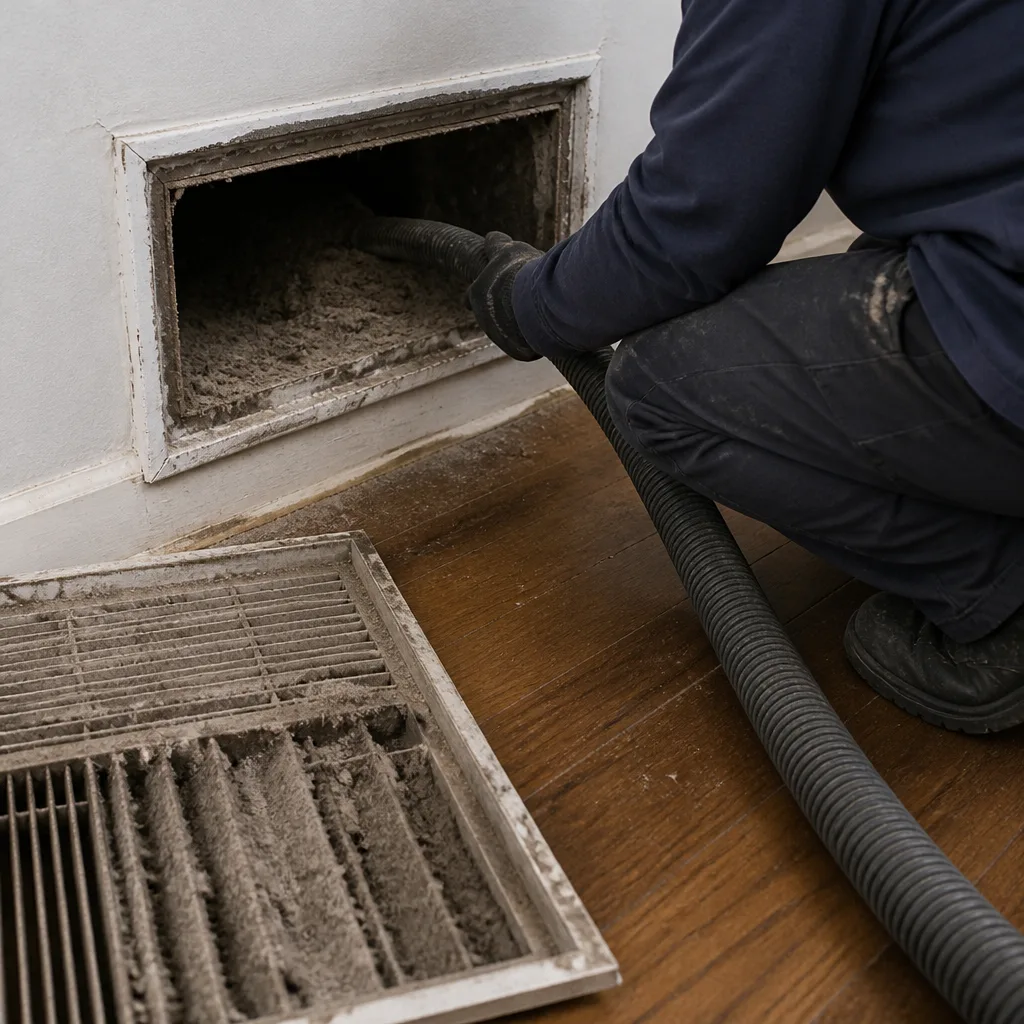 Before
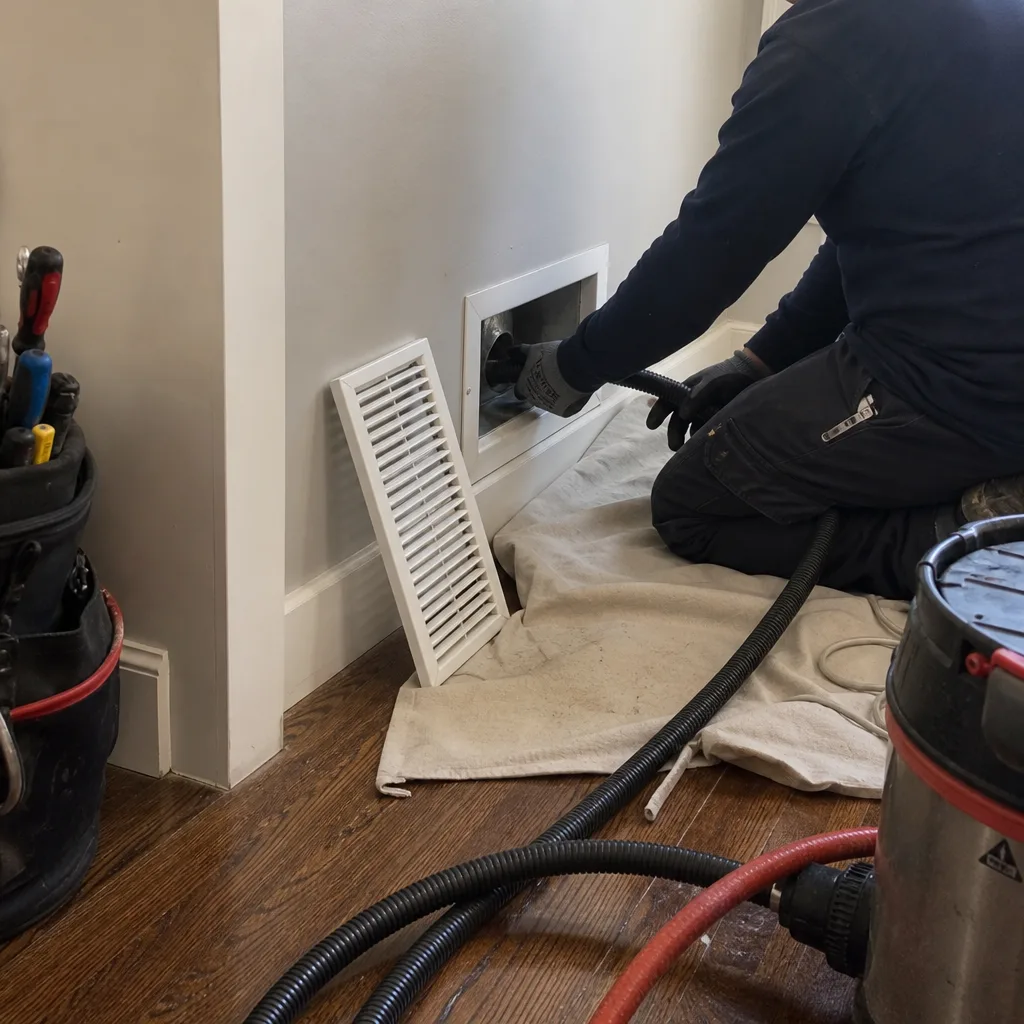 After
After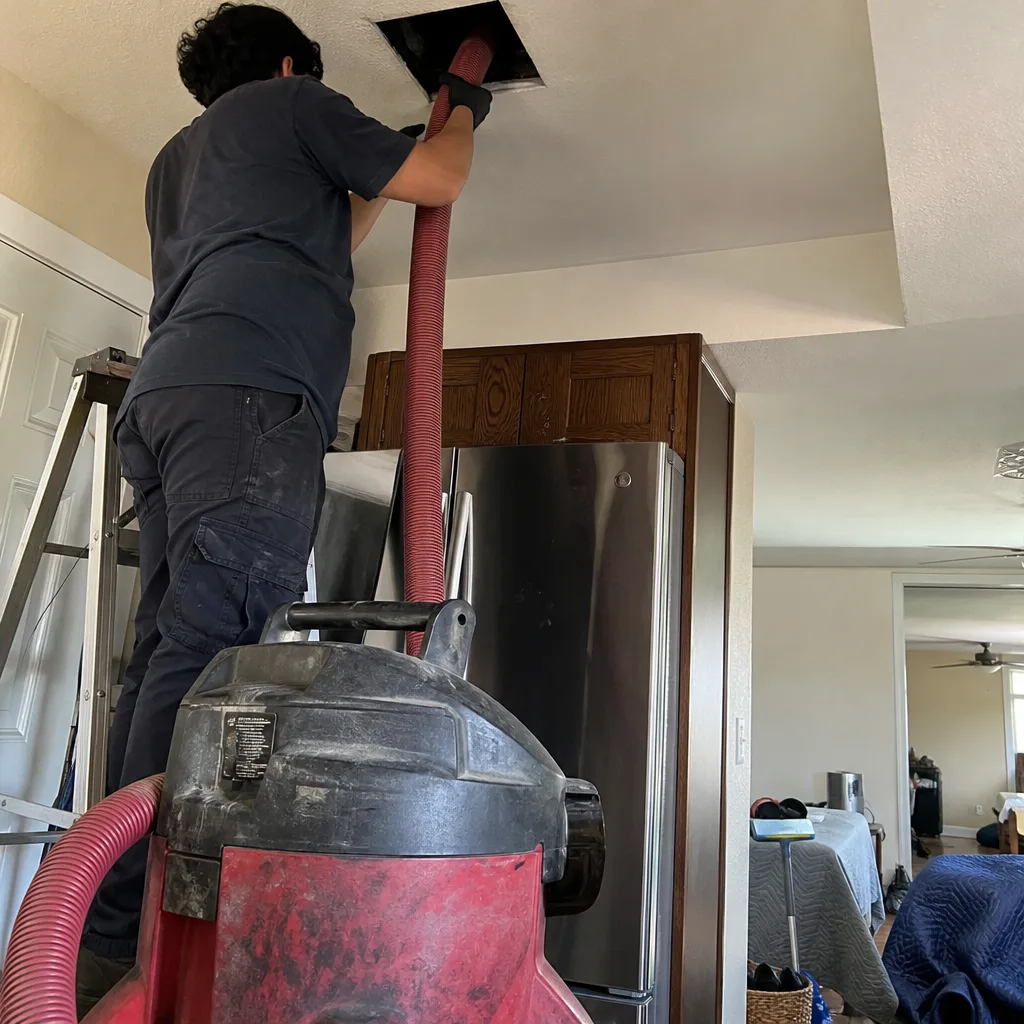 Before
 After
AfterFrequently Asked Questions
Every 3 to 5 years is the honest answer for most San Francisco homes, but three factors shorten that interval: pets, wildfire smoke exposure, and living in a fog-belt neighborhood where moisture promotes mold growth. If you see dust puffing from supply registers when the system starts, or if the return-air grille cakes with dust within a month of cleaning it, those are Air Duct Cleaning Warning Signs: A San Francisco Homeowner’s Reference Guide says the system is ready now. Call (951) 527-6259 for an exact quote for your specific system.
In San Francisco, a whole-system air duct cleaning typically runs between $450 and $900 for an average single-family home, depending on the number of registers, the total linear feet of ductwork, and whether the system includes multiple zones or an upstairs unit. That price should be for the entire system, not a per-vent figure. Any company that quotes a low per-vent price and then surprises you with the real total once the technician arrives is not worth your time. Call (951) 527-6259 for a written price before any work begins.
The cheap quotes are almost always bait. A company quotes $99 or a low per-vent price to get a technician in the door, then finds problems that are not there, or adds charges until the final invoice is three or four times the original number. Legitimate cleaning uses negative-pressure extraction equipment, takes two to four hours, and costs real money to do properly. If a quote is half the price of the next one, the work being quoted is not the same work. Call (951) 527-6259 for a straight answer on what genuine cleaning costs for your system.
Ask for before-and-after photos of your own registers and the inside of the trunk line. A company using professional-grade equipment from brands like Rotobrush or Nikro can show you the inside of your ducts on video or still photos, and you should be able to see the difference. If a company cannot or will not show you photos of your own system, you have no way to verify the work was done at all. At Linden Air Duct San Francisco, photographic proof is part of the job, and the price is in writing before the work starts.
The Threshold Standard is a technician verification protocol that every Linden Air Duct San Francisco technician is held to. Each technician is background-checked and identity-verified, wears a clean, marked uniform, and arrives with a photo ID badge shown at the door. Before the visit, you receive the technician’s name and photo so you know exactly who you are opening the door to. For homeowners who are home alone, parents with young children, or older homeowners in San Francisco, this is the difference between an estimate and a risk.
Yes, you should be home for any service visit where a contractor is inside your house, and for duct cleaning specifically, you will want to be present to answer questions about specific rooms, show the technician where the main unit is located, and verify the work personally. A company that asks you to leave a key and stay away is not a company you want inside your home. With Linden Air Duct San Francisco, you know who is coming before they arrive, and you verify their ID at the door.
The Bottom Line
Most duct maintenance advice is recycled filler from manufacturer manuals. For more guides & resources, see our blog. The checklist in this guide is built around what actually fails in San Francisco homes: return-air grilles caked with dust, flex duct crushed by stored boxes, moisture condensing inside fog-belt duct runs, and bathroom fans that stopped moving air years ago. Do the monthly grille check, run the bi-annual fan tests, document everything in a one-page log, and call a professional when the system tells you it is time. A duct system is the only major home system you cannot see working, which means the paper trail is the visible part. Keep the log, and the next decade of your home’s airflow will take care of itself.
Written by Marcus Veale, Owner at Linden Air Duct San Francisco, serving San Francisco since 2004.